


Building Chemicals Packaging Market Outlook
The Building Chemicals Packaging market was valued at $12.5 billion in 2024 and is projected to reach $18.7 billion by 2033, growing at a CAGR of 4.5% during the forecast period 2025-2033. This market is driven by the increasing demand for sustainable and durable packaging solutions in the construction industry. The rise in urbanization and infrastructure development across emerging economies is significantly contributing to the growth of this market. Additionally, the growing awareness about the environmental impact of packaging materials is pushing manufacturers to innovate and adopt eco-friendly packaging solutions. The market is also witnessing a shift towards lightweight and cost-effective packaging materials, which is further propelling its growth.
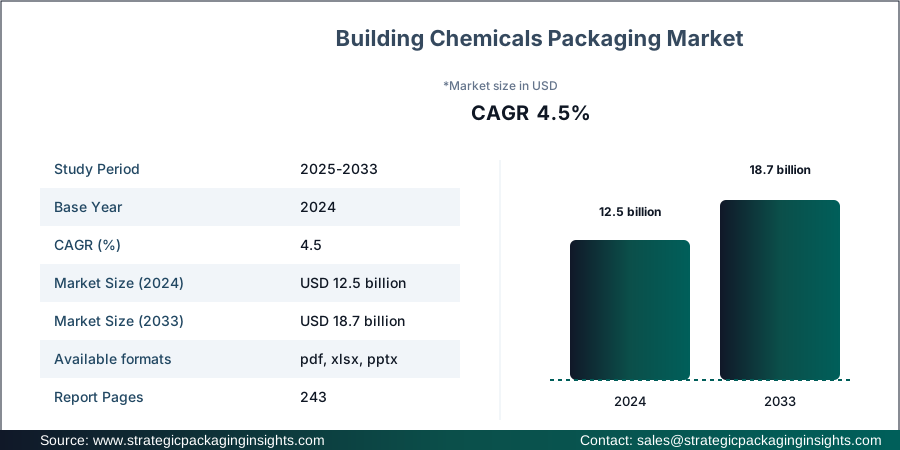
Report Scope
| Attributes | Details |
| Report Title | Building Chemicals Packaging Market Size, Future Growth and Forecast 2033 |
| Material Type | Plastic, Metal, Paper & Paperboard, Others |
| Application | Adhesives, Sealants, Protective Coatings, Concrete Admixtures, Asphalt Additives, Others |
| Packaging Type | Bags, Drums, Pails, IBCs, Others |
| End-User | Construction, Infrastructure, Industrial, Residential, Commercial |
| Base Year | 2024 |
| Historic Period | 2017-2023 |
| Forecast Period | 2025-2033 |
| Number of Pages | 243 |
| Customization Available | Yes* |
Opportunities & Threats
The Building Chemicals Packaging market presents numerous opportunities, particularly in the realm of sustainable packaging solutions. As environmental regulations become more stringent, there is a growing demand for biodegradable and recyclable packaging materials. This trend is opening up new avenues for manufacturers to develop innovative packaging solutions that meet these regulatory requirements while also appealing to environmentally conscious consumers. Moreover, the increasing focus on reducing carbon footprints is encouraging companies to invest in research and development to create packaging that is not only sustainable but also cost-effective. The rise in e-commerce and online retailing of building chemicals is another opportunity, as it necessitates robust and secure packaging solutions to ensure safe delivery.
Another significant opportunity lies in the technological advancements in packaging materials and processes. The development of smart packaging solutions that can monitor the condition of the packaged product and provide real-time data is gaining traction. This technology not only enhances the safety and quality of the product but also offers added value to consumers. Furthermore, the integration of IoT and AI in packaging solutions is expected to revolutionize the market by providing enhanced tracking and monitoring capabilities. These advancements are likely to attract investments from key players looking to gain a competitive edge in the market.
However, the market also faces certain threats that could hinder its growth. One of the primary challenges is the volatility in raw material prices, which can significantly impact the cost of packaging solutions. Additionally, the stringent regulations regarding the use of certain materials in packaging can pose a threat to manufacturers who may need to invest heavily in compliance. The intense competition in the market, with numerous players vying for market share, can also lead to pricing pressures and reduced profit margins. Furthermore, the economic slowdown in certain regions could affect the demand for building chemicals, thereby impacting the packaging market.
Drivers & Challenges
The Building Chemicals Packaging market is primarily driven by the rapid growth in the construction industry, particularly in emerging economies. The increasing urbanization and industrialization are leading to a surge in construction activities, which in turn is boosting the demand for building chemicals and their packaging. Additionally, the growing awareness about the benefits of using high-quality packaging solutions to enhance the shelf life and safety of building chemicals is driving the market. The trend towards sustainable and eco-friendly packaging solutions is also a significant driver, as consumers and companies alike are becoming more environmentally conscious.
Another key driver is the technological advancements in packaging materials and processes. The development of innovative packaging solutions that offer enhanced protection and durability is gaining popularity among manufacturers. The integration of smart technologies in packaging, such as RFID tags and QR codes, is also driving the market by providing added value to consumers. These technologies enable better tracking and monitoring of the packaged products, ensuring their safety and quality. Furthermore, the rise in e-commerce and online retailing of building chemicals is driving the demand for robust and secure packaging solutions.
Despite these drivers, the market faces several challenges that could impede its growth. One of the major challenges is the high cost of raw materials, which can significantly impact the profitability of packaging manufacturers. Additionally, the stringent regulations regarding the use of certain materials in packaging can pose a challenge for manufacturers who may need to invest heavily in compliance. The intense competition in the market, with numerous players vying for market share, can also lead to pricing pressures and reduced profit margins. Furthermore, the economic slowdown in certain regions could affect the demand for building chemicals, thereby impacting the packaging market.
Market Share Analysis
The competitive landscape of the Building Chemicals Packaging market is characterized by the presence of several key players who are striving to gain a competitive edge through product innovation and strategic partnerships. The market is highly fragmented, with numerous small and medium-sized enterprises competing alongside established players. This intense competition is driving companies to focus on research and development to create innovative and sustainable packaging solutions that meet the evolving needs of consumers.
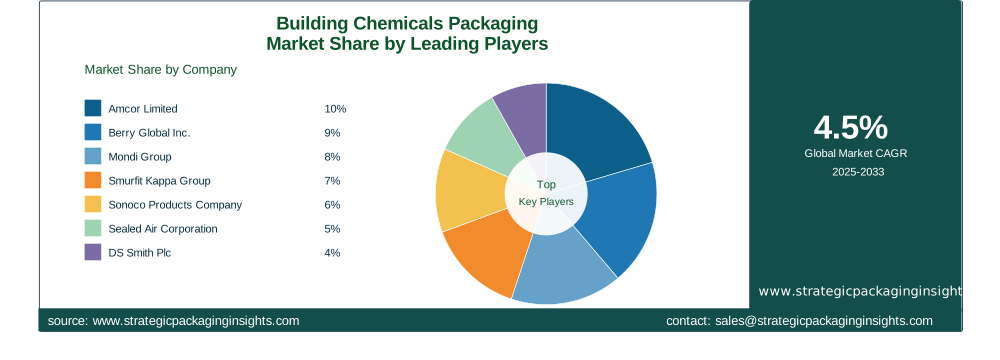
Some of the major companies operating in this market include Amcor Limited, Berry Global Inc., Mondi Group, Smurfit Kappa Group, Sonoco Products Company, Sealed Air Corporation, DS Smith Plc, Huhtamaki Oyj, WestRock Company, and International Paper Company. These companies are focusing on expanding their product portfolios and enhancing their production capabilities to cater to the growing demand for building chemicals packaging. They are also investing in strategic partnerships and acquisitions to strengthen their market position and expand their geographical presence.
Amcor Limited, for instance, is a leading player in the market, known for its innovative and sustainable packaging solutions. The company has a strong focus on research and development, which enables it to offer a wide range of packaging solutions that cater to the diverse needs of its customers. Similarly, Berry Global Inc. is another key player that offers a comprehensive range of packaging solutions for the building chemicals industry. The company is known for its commitment to sustainability and has been investing in the development of eco-friendly packaging materials.
Mondi Group is another prominent player in the market, offering a wide range of packaging solutions for the building chemicals industry. The company is known for its innovative approach to packaging and has been investing in the development of sustainable and cost-effective packaging solutions. Smurfit Kappa Group, on the other hand, is a leading provider of paper-based packaging solutions and has a strong presence in the building chemicals packaging market. The company is known for its commitment to sustainability and has been investing in the development of eco-friendly packaging materials.
Key Highlights
- The Building Chemicals Packaging market is projected to grow at a CAGR of 4.5% from 2025 to 2033.
- Increasing demand for sustainable and eco-friendly packaging solutions is driving market growth.
- Technological advancements in packaging materials and processes are creating new opportunities.
- The rise in e-commerce and online retailing of building chemicals is boosting demand for robust packaging solutions.
- Volatility in raw material prices poses a significant challenge to market growth.
- Stringent regulations regarding packaging materials are impacting manufacturers.
- Intense competition in the market is leading to pricing pressures and reduced profit margins.
- Key players are focusing on product innovation and strategic partnerships to gain a competitive edge.
- The market is witnessing a shift towards lightweight and cost-effective packaging materials.
- Emerging economies are driving demand due to rapid urbanization and infrastructure development.
Top Countries Insights
In the Building Chemicals Packaging market, the United States holds a significant share, with a market size of $3.2 billion and a CAGR of 5%. The country's robust construction industry and the increasing demand for sustainable packaging solutions are key growth drivers. The presence of major packaging companies and the adoption of advanced technologies further bolster the market. However, regulatory challenges and environmental concerns pose potential hurdles.
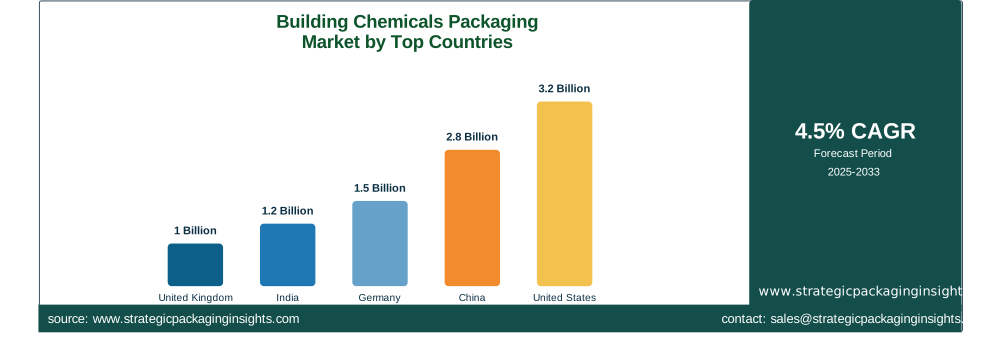
China is another major player in the market, with a market size of $2.8 billion and a CAGR of 6%. The country's rapid urbanization and infrastructure development are driving the demand for building chemicals and their packaging. The government's focus on sustainable development and the adoption of eco-friendly packaging solutions are also contributing to market growth. However, the volatility in raw material prices remains a challenge.
Germany, with a market size of $1.5 billion and a CAGR of 4%, is a key market in Europe. The country's strong construction industry and the increasing demand for high-quality packaging solutions are driving market growth. The focus on sustainability and the adoption of advanced packaging technologies are also contributing to the market's expansion. However, stringent regulations regarding packaging materials pose a challenge to manufacturers.
India, with a market size of $1.2 billion and a CAGR of 7%, is an emerging market with significant growth potential. The country's rapid urbanization and infrastructure development are driving the demand for building chemicals and their packaging. The government's focus on sustainable development and the adoption of eco-friendly packaging solutions are also contributing to market growth. However, the volatility in raw material prices remains a challenge.
The United Kingdom, with a market size of $1 billion and a CAGR of 3%, is another key market in Europe. The country's strong construction industry and the increasing demand for sustainable packaging solutions are driving market growth. The focus on sustainability and the adoption of advanced packaging technologies are also contributing to the market's expansion. However, regulatory challenges and environmental concerns pose potential hurdles.
Evolving Market Dynamics (2018-2024) and Strategic Foresight (2025-2033)
| Metrics | 2018-2024 | 2025-2033 |
|---|---|---|
| CAGR | 3.8% | 4.5% |
| Market Size Evolution | $10.2 billion to $12.5 billion | $12.5 billion to $18.7 billion |
| Segment Distribution Shifts | High demand for plastic packaging | Shift towards eco-friendly materials |
| Regional Contribution Changes | Dominance of North America and Europe | Increased contribution from Asia Pacific |
| Technological Impact Factors | Introduction of smart packaging | Integration of IoT and AI |
| Client Demand Transformations | Focus on durability and cost-effectiveness | Emphasis on sustainability and innovation |
Building Chemicals Packaging Market Segments Insights

Material Type Analysis
The material type segment in the Building Chemicals Packaging market is dominated by plastic, owing to its durability, flexibility, and cost-effectiveness. However, there is a growing shift towards eco-friendly materials such as paper and paperboard, driven by increasing environmental concerns and regulatory pressures. Metal packaging is also gaining traction due to its recyclability and strength, making it suitable for heavy-duty applications. The demand for sustainable materials is expected to rise, with manufacturers focusing on developing biodegradable and recyclable packaging solutions to meet consumer preferences and regulatory requirements.
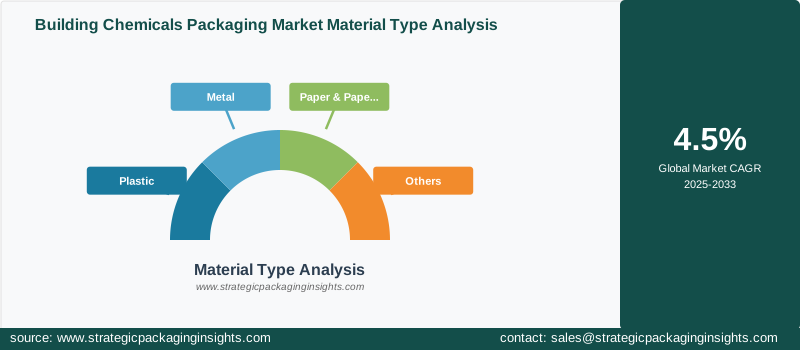
Plastic packaging, despite its environmental concerns, remains popular due to its lightweight nature and ability to protect products from moisture and contamination. However, the increasing focus on sustainability is pushing manufacturers to innovate and develop alternatives that offer similar benefits without the environmental impact. Paper and paperboard packaging are emerging as viable alternatives, offering biodegradability and recyclability, which align with the growing demand for sustainable solutions. Metal packaging, while more expensive, offers superior protection and is ideal for products that require a high level of durability.
Application Analysis
The application segment of the Building Chemicals Packaging market is diverse, with adhesives, sealants, and protective coatings being the primary applications. The demand for these products is driven by the construction industry's need for high-performance materials that enhance the durability and longevity of structures. Concrete admixtures and asphalt additives are also significant applications, with their demand being fueled by infrastructure development and road construction projects. The packaging requirements for these applications vary, with a focus on ensuring product integrity and safety during transportation and storage.
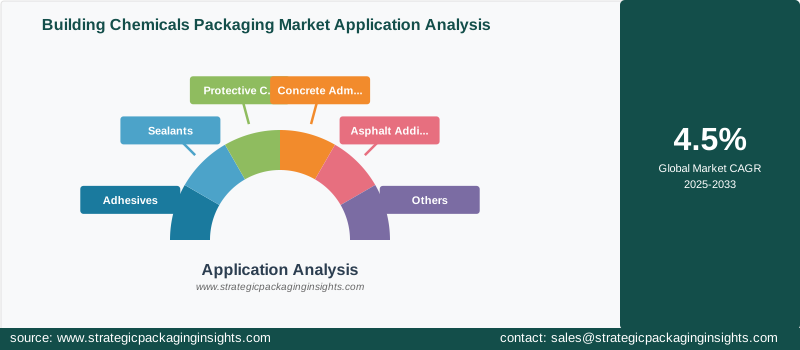
Adhesives and sealants require packaging solutions that prevent contamination and ensure product stability, while protective coatings demand packaging that can withstand harsh environmental conditions. Concrete admixtures and asphalt additives, on the other hand, require robust packaging solutions that can handle large volumes and prevent leakage. The increasing focus on sustainability is also influencing packaging choices, with manufacturers opting for materials that are not only durable but also environmentally friendly. The rise in e-commerce and online retailing of building chemicals is further driving the demand for secure and tamper-proof packaging solutions.
Packaging Type Analysis
The packaging type segment in the Building Chemicals Packaging market includes bags, drums, pails, IBCs, and others. Bags are widely used for packaging dry building chemicals such as cement and mortar, owing to their cost-effectiveness and ease of handling. Drums and pails are preferred for liquid chemicals, providing secure and leak-proof packaging solutions. IBCs (Intermediate Bulk Containers) are gaining popularity for bulk storage and transportation, offering a cost-effective and efficient solution for large volumes. The choice of packaging type is influenced by factors such as product type, volume, and transportation requirements.
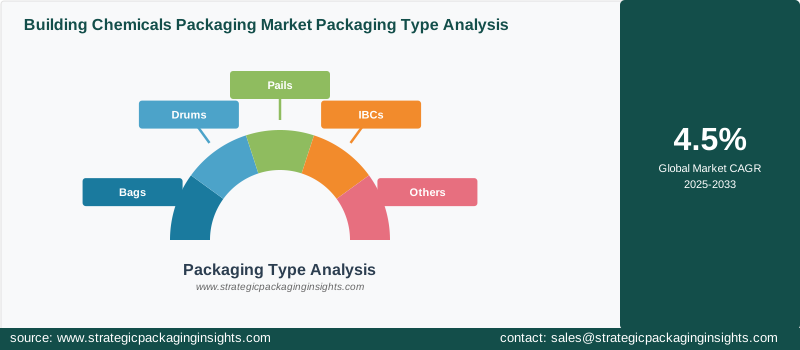
Bags, while popular, face challenges related to durability and environmental impact, leading manufacturers to explore alternatives such as biodegradable and recyclable materials. Drums and pails, on the other hand, offer superior protection and are ideal for hazardous chemicals that require secure packaging. IBCs are becoming increasingly popular due to their ability to handle large volumes and reduce transportation costs. The focus on sustainability is also driving innovation in packaging types, with manufacturers developing solutions that minimize waste and reduce environmental impact.
End-User Analysis
The end-user segment of the Building Chemicals Packaging market is dominated by the construction industry, which accounts for the majority of the demand. The infrastructure and industrial sectors are also significant end-users, driven by the need for high-performance materials that enhance the durability and longevity of structures. The residential and commercial sectors are witnessing growth, fueled by urbanization and the increasing demand for sustainable building solutions. The packaging requirements for these end-users vary, with a focus on ensuring product integrity and safety during transportation and storage.
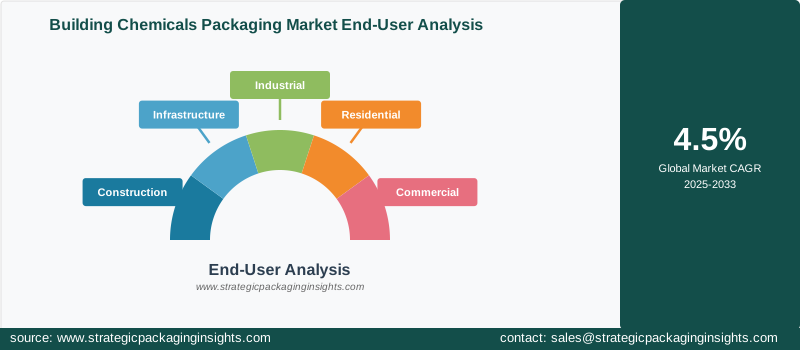
The construction industry, being the largest end-user, demands packaging solutions that are durable, cost-effective, and environmentally friendly. The infrastructure sector, on the other hand, requires packaging that can withstand harsh environmental conditions and ensure product stability. The industrial sector demands robust packaging solutions that can handle large volumes and prevent leakage. The residential and commercial sectors are increasingly focusing on sustainability, driving the demand for eco-friendly packaging solutions. The rise in e-commerce and online retailing of building chemicals is further driving the demand for secure and tamper-proof packaging solutions.
Building Chemicals Packaging Market Segments
The Building Chemicals Packaging market has been segmented on the basis ofMaterial Type
- Plastic
- Metal
- Paper & Paperboard
- Others
Application
- Adhesives
- Sealants
- Protective Coatings
- Concrete Admixtures
- Asphalt Additives
- Others
Packaging Type
- Bags
- Drums
- Pails
- IBCs
- Others
End-User
- Construction
- Infrastructure
- Industrial
- Residential
- Commercial




