


Breather Bags Market Outlook
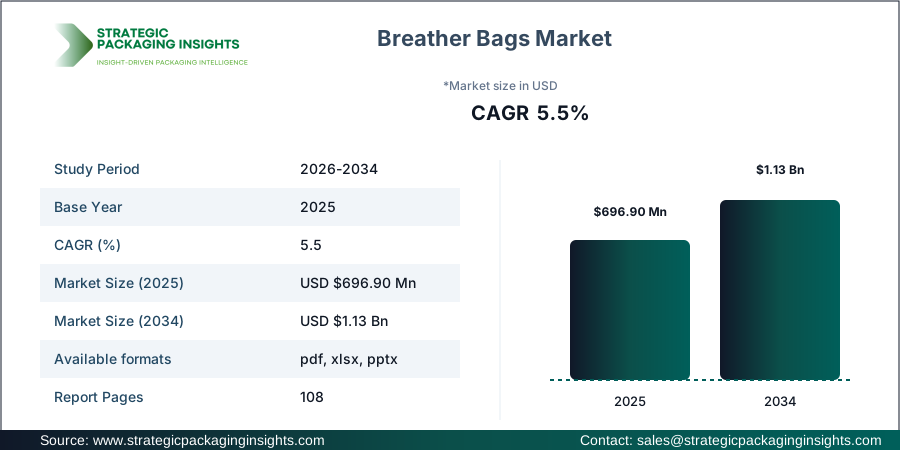
The Breather Bags market was valued at $696.90 million in 2025 and is projected to reach $1.13 billion by 2034, growing at a CAGR of 5.5% during the forecast period 2026-2034. This market is witnessing significant growth due to the increasing demand for sterile packaging solutions in the healthcare sector. Breather bags, known for their ability to allow air passage while maintaining sterility, are becoming essential in medical and laboratory settings. The rise in healthcare infrastructure, coupled with advancements in medical devices, is driving the demand for breather bags. Additionally, the electronics industry is adopting these bags for packaging moisture-sensitive goods, further propelling market growth.
However, the market faces challenges such as stringent regulatory requirements and the high cost of raw materials, which could hinder growth. Despite these challenges, the market holds immense potential due to the increasing focus on sustainable and eco-friendly packaging solutions. Innovations in material technology, such as the development of biodegradable and recyclable materials, are expected to open new avenues for market expansion. The growing awareness of environmental issues and the push for green packaging solutions are likely to drive the adoption of breather bags across various industries.
Report Scope
| Attributes | Details |
| Report Title | Breather Bags Market Size, Future Growth and Forecast 2034 |
| By Product Type | Sterilization Breather Bags, Vented Bags, Breathable Pouches |
| By Material Type | Tyvek, Medical Paper, Breathable Films |
| By Application | Medical Devices, Sterilization Packaging, Electronics, Moisture-Sensitive Goods |
| By End Use | Healthcare, Laboratories, Electronics, Industrial Packaging |
| Region | Asia Pacific, North America, Latin America, Europe, Middle East & Africa |
| Base Year | 2025 |
| Historic Period | 2018-2024 |
| Forecast Period | 2026-2034 |
| Number of Pages | 108 |
| Customization Available | Yes* |
Opportunities & Threats
The Breather Bags market presents numerous opportunities, particularly in the healthcare sector, where the demand for sterile and safe packaging solutions is paramount. The increasing prevalence of chronic diseases and the subsequent rise in surgical procedures are driving the need for advanced packaging solutions that ensure the sterility of medical devices. Moreover, the expansion of healthcare facilities in emerging economies is expected to create significant opportunities for market players. The growing trend of home healthcare and the increasing use of portable medical devices are also contributing to the demand for breather bags, as they provide a reliable solution for maintaining sterility during transportation and storage.
Another opportunity lies in the electronics industry, where breather bags are used to protect moisture-sensitive components. With the rapid advancement of technology and the increasing demand for electronic devices, the need for effective packaging solutions is on the rise. Breather bags offer a unique advantage by allowing air passage while preventing moisture ingress, making them ideal for packaging sensitive electronic components. The growing trend of miniaturization in electronics further emphasizes the need for specialized packaging solutions, providing a lucrative opportunity for breather bag manufacturers.
Despite the promising opportunities, the Breather Bags market faces certain threats that could impede its growth. One of the primary challenges is the stringent regulatory landscape governing packaging materials, particularly in the healthcare sector. Compliance with these regulations requires significant investment in research and development, which could pose a barrier for new entrants. Additionally, the high cost of raw materials, such as Tyvek and medical paper, could impact the profitability of manufacturers. The market also faces competition from alternative packaging solutions, which could limit the adoption of breather bags in certain applications.
Drivers & Challenges
The Breather Bags market is driven by several key factors, including the increasing demand for sterile packaging solutions in the healthcare sector. The rise in surgical procedures and the growing prevalence of chronic diseases necessitate the use of advanced packaging solutions that ensure the sterility of medical devices. Breather bags, with their unique ability to allow air passage while maintaining sterility, are becoming an essential component in medical and laboratory settings. Additionally, the expansion of healthcare infrastructure in emerging economies is driving the demand for breather bags, as these regions invest in modernizing their healthcare facilities.
Another significant driver is the growing adoption of breather bags in the electronics industry. With the rapid advancement of technology and the increasing demand for electronic devices, there is a heightened need for effective packaging solutions that protect moisture-sensitive components. Breather bags offer a unique advantage by allowing air passage while preventing moisture ingress, making them ideal for packaging sensitive electronic components. The trend of miniaturization in electronics further emphasizes the need for specialized packaging solutions, providing a lucrative opportunity for breather bag manufacturers.
However, the market faces challenges such as stringent regulatory requirements and the high cost of raw materials. Compliance with regulations governing packaging materials, particularly in the healthcare sector, requires significant investment in research and development. This could pose a barrier for new entrants and impact the profitability of existing players. Additionally, the high cost of raw materials, such as Tyvek and medical paper, could affect the overall cost structure of breather bag manufacturers. The market also faces competition from alternative packaging solutions, which could limit the adoption of breather bags in certain applications.
Market Share Analysis
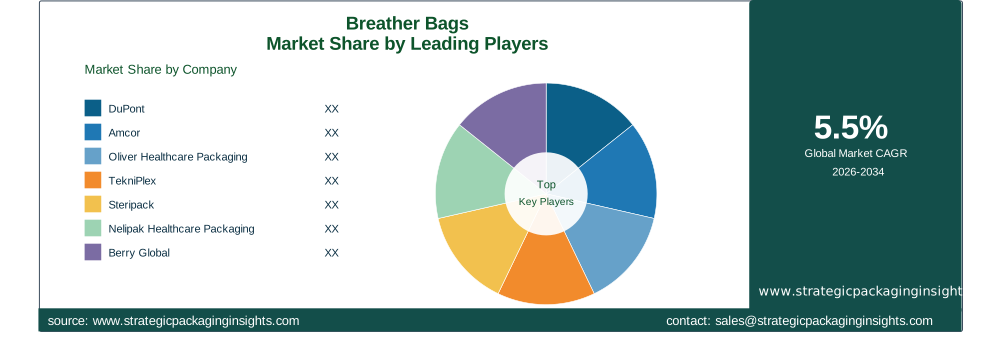
The Breather Bags market is characterized by a competitive landscape with several key players vying for market share. Companies such as DuPont, Amcor, Oliver Healthcare Packaging, TekniPlex, and Steripack are prominent players in this market, leveraging their extensive product portfolios and strong distribution networks to maintain a competitive edge. These companies are focusing on product innovation and strategic partnerships to expand their market presence and cater to the evolving needs of customers. The market is also witnessing the entry of new players, which is intensifying competition and driving innovation.
DuPont is a leading player in the Breather Bags market, known for its high-quality Tyvek material, which is widely used in the manufacturing of breather bags. The company's strong focus on research and development and its commitment to sustainability have helped it maintain a dominant position in the market. Amcor, another key player, offers a wide range of packaging solutions, including breather bags, and is known for its innovative approach to product development. The company's global presence and strong customer relationships have contributed to its success in the market.
Oliver Healthcare Packaging is a prominent player in the Breather Bags market, offering a comprehensive range of sterile packaging solutions. The company's focus on quality and customer satisfaction has helped it build a strong reputation in the industry. TekniPlex, known for its advanced material technology, is another key player in the market, offering innovative packaging solutions that cater to the specific needs of the healthcare and electronics industries. Steripack, with its extensive experience in the packaging industry, is known for its high-quality breather bags and its commitment to sustainability.
Other notable players in the Breather Bags market include Nelipak Healthcare Packaging, Berry Global, Wipak, PPC Flexible Packaging, and ProAmpac. These companies are focusing on expanding their product portfolios and enhancing their production capabilities to meet the growing demand for breather bags. The competitive landscape of the market is characterized by a strong emphasis on innovation, quality, and customer satisfaction, with companies investing heavily in research and development to stay ahead of the competition.
Key Highlights
- The Breather Bags market is projected to grow from $696.90 million in 2025 to $1.13 billion by 2034, at a CAGR of 5.5%.
- Key drivers include the increasing demand for sterile packaging solutions in the healthcare sector and the growing adoption of breather bags in the electronics industry.
- Challenges include stringent regulatory requirements and the high cost of raw materials.
- DuPont, Amcor, and Oliver Healthcare Packaging are leading players in the market, focusing on product innovation and strategic partnerships.
- The market is witnessing significant growth opportunities in emerging economies due to the expansion of healthcare infrastructure.
- Breather bags are gaining traction in the electronics industry for packaging moisture-sensitive components.
- The trend of miniaturization in electronics is driving the demand for specialized packaging solutions.
- Companies are investing in research and development to develop sustainable and eco-friendly packaging solutions.
- The competitive landscape is characterized by a strong emphasis on innovation, quality, and customer satisfaction.
Top Countries Insights
In the Breather Bags market, the United States holds a significant share, with a market size of approximately $250 million and a CAGR of 4%. The country's advanced healthcare infrastructure and the presence of major market players drive the demand for breather bags. The increasing focus on infection control and the growing adoption of home healthcare solutions are key growth drivers. However, stringent regulatory requirements pose a challenge for market players.
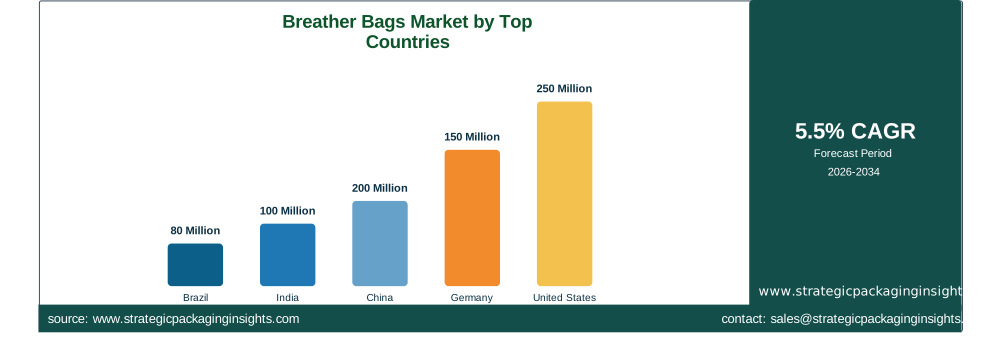
Germany is another key market for breather bags, with a market size of around $150 million and a CAGR of 5%. The country's strong healthcare system and the presence of leading medical device manufacturers contribute to the demand for breather bags. The growing emphasis on sustainable packaging solutions and the increasing adoption of advanced medical devices are driving market growth. However, the high cost of raw materials remains a challenge.
China is witnessing rapid growth in the Breather Bags market, with a market size of approximately $200 million and a CAGR of 7%. The country's expanding healthcare infrastructure and the increasing demand for sterile packaging solutions are key growth drivers. The government's focus on improving healthcare facilities and the rising prevalence of chronic diseases are contributing to market growth. However, the market faces challenges such as regulatory compliance and competition from local manufacturers.
India is emerging as a lucrative market for breather bags, with a market size of around $100 million and a CAGR of 8%. The country's growing healthcare sector and the increasing demand for advanced packaging solutions are driving market growth. The government's initiatives to improve healthcare access and the rising awareness of infection control are key growth drivers. However, the market faces challenges such as the high cost of raw materials and the need for regulatory compliance.
Brazil is also a key market for breather bags, with a market size of approximately $80 million and a CAGR of 6%. The country's expanding healthcare infrastructure and the increasing demand for sterile packaging solutions are driving market growth. The government's focus on improving healthcare facilities and the rising prevalence of chronic diseases are contributing to market growth. However, the market faces challenges such as regulatory compliance and competition from local manufacturers.
Breather Bags Market Segments Insights

Product Type Analysis
The Breather Bags market is segmented by product type into sterilization breather bags, vented bags, and breathable pouches. Sterilization breather bags are witnessing significant demand due to their ability to maintain sterility while allowing air passage. These bags are extensively used in the healthcare sector for packaging medical devices and surgical instruments. The growing emphasis on infection control and the increasing number of surgical procedures are driving the demand for sterilization breather bags. Vented bags, on the other hand, are gaining traction in the electronics industry for packaging moisture-sensitive components. The trend of miniaturization in electronics is further boosting the demand for vented bags, as they provide effective protection against moisture ingress.
Breathable pouches are also witnessing increased adoption across various industries due to their versatility and cost-effectiveness. These pouches are used for packaging a wide range of products, including medical devices, electronics, and moisture-sensitive goods. The growing demand for portable and lightweight packaging solutions is driving the adoption of breathable pouches. Additionally, the increasing focus on sustainable packaging solutions is encouraging manufacturers to develop eco-friendly breathable pouches, which are expected to gain significant traction in the coming years.
Material Type Analysis
The Breather Bags market is segmented by material type into Tyvek, medical paper, and breathable films. Tyvek is the most widely used material in the manufacturing of breather bags due to its excellent breathability and durability. The material's ability to allow air passage while maintaining sterility makes it ideal for packaging medical devices and surgical instruments. The growing demand for sterile packaging solutions in the healthcare sector is driving the adoption of Tyvek-based breather bags. Medical paper is another popular material used in the manufacturing of breather bags, particularly for packaging lightweight and moisture-sensitive goods. The material's cost-effectiveness and biodegradability make it an attractive option for manufacturers looking to develop sustainable packaging solutions.
Breathable films are also gaining popularity in the Breather Bags market due to their versatility and ability to provide effective protection against moisture ingress. These films are used for packaging a wide range of products, including electronics and moisture-sensitive goods. The growing demand for lightweight and flexible packaging solutions is driving the adoption of breathable films. Additionally, the increasing focus on sustainable packaging solutions is encouraging manufacturers to develop eco-friendly breathable films, which are expected to gain significant traction in the coming years.
Application Analysis
The Breather Bags market is segmented by application into medical devices, sterilization packaging, electronics, and moisture-sensitive goods. The medical devices segment is the largest application segment, driven by the increasing demand for sterile packaging solutions in the healthcare sector. The growing prevalence of chronic diseases and the rising number of surgical procedures are driving the demand for breather bags for packaging medical devices. Sterilization packaging is another key application segment, with breather bags being extensively used for packaging surgical instruments and other sterile products. The increasing focus on infection control and the growing adoption of advanced sterilization techniques are driving the demand for breather bags in this segment.
The electronics segment is also witnessing significant growth, driven by the increasing demand for effective packaging solutions for moisture-sensitive components. Breather bags offer a unique advantage by allowing air passage while preventing moisture ingress, making them ideal for packaging sensitive electronic components. The trend of miniaturization in electronics is further boosting the demand for breather bags in this segment. Moisture-sensitive goods, such as pharmaceuticals and food products, are also driving the demand for breather bags, as these products require effective protection against moisture ingress during transportation and storage.
End Use Analysis
The Breather Bags market is segmented by end use into healthcare, laboratories, electronics, and industrial packaging. The healthcare segment is the largest end-use segment, driven by the increasing demand for sterile packaging solutions in hospitals and healthcare facilities. The growing prevalence of chronic diseases and the rising number of surgical procedures are driving the demand for breather bags in this segment. Laboratories are another key end-use segment, with breather bags being extensively used for packaging sterile samples and other laboratory equipment. The increasing focus on infection control and the growing adoption of advanced laboratory techniques are driving the demand for breather bags in this segment.
The electronics segment is also witnessing significant growth, driven by the increasing demand for effective packaging solutions for moisture-sensitive components. Breather bags offer a unique advantage by allowing air passage while preventing moisture ingress, making them ideal for packaging sensitive electronic components. The trend of miniaturization in electronics is further boosting the demand for breather bags in this segment. Industrial packaging is another key end-use segment, with breather bags being used for packaging a wide range of products, including pharmaceuticals, food products, and other moisture-sensitive goods. The growing demand for lightweight and flexible packaging solutions is driving the adoption of breather bags in this segment.
Breather Bags Market Segments
The Breather Bags market has been segmented on the basis ofBy Product Type
- Sterilization Breather Bags
- Vented Bags
- Breathable Pouches
By Material Type
- Tyvek
- Medical Paper
- Breathable Films
By Application
- Medical Devices
- Sterilization Packaging
- Electronics
- Moisture-Sensitive Goods
By End Use
- Healthcare
- Laboratories
- Electronics
- Industrial Packaging
Region
- Asia Pacific
- North America
- Latin America
- Europe
- Middle East & Africa




