


Bottle Carrier Market Outlook
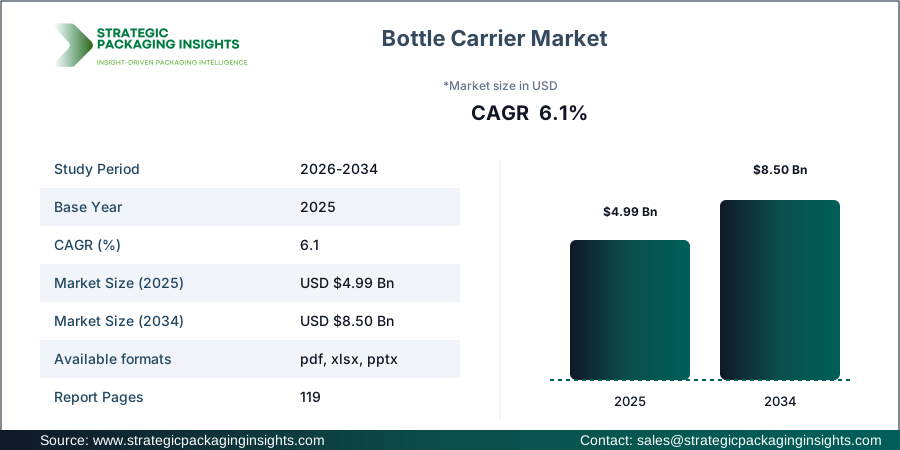
The Bottle Carrier market size was valued at USD 4.99 billion in 2025 and is anticipated to reach USD 8.50 billion by 2034, growing at a CAGR of 6.1% during the forecast period according to Strategic Packaging Insights. The market's growth is driven by the increasing demand for convenient and sustainable packaging solutions, particularly in the beverage industry. Companies like Graphic Packaging and WestRock are leading the charge by innovating in eco-friendly materials and designs that cater to both consumer preferences and regulatory requirements. The rise in on-the-go consumption patterns and the expansion of the beverage industry are significant contributors to the market's robust growth trajectory.
One of the most impactful drivers of the Bottle Carrier market is the growing emphasis on sustainability and environmental responsibility. Governments and consumers alike are pushing for reduced plastic usage and increased recycling, which has led to a surge in demand for paperboard and molded fiber carriers. According to recent environmental reports, the shift towards sustainable packaging is not just a trend but a necessity, as it aligns with global efforts to reduce carbon footprints and promote circular economies. Companies like Smurfit Kappa and DS Smith are investing heavily in research and development to create innovative, sustainable packaging solutions that meet these demands, thereby enhancing their market position and driving overall industry growth.
Report Scope
| Attributes | Details |
| Report Title | Bottle Carrier Market Size, Future Growth and Forecast 2034 |
| Material Type | Paperboard, Plastic, Molded Fiber, Corrugated Board |
| Product Type | Six-Pack Carriers, Four-Pack Carriers, Basket Carriers, Clip Carriers |
| Application | Beer, Soft Drinks, Water, Dairy |
| End Use | Beverage Brands, Breweries, Retail, Foodservice |
| Region | Asia Pacific, North America, Latin America, Europe, Middle East & Africa |
| Base Year | 2025 |
| Historic Period | 2018-2024 |
| Forecast Period | 2026-2034 |
| Number of Pages | 119 |
| Customization Available | Yes* |
Sustainability & Circular Economy Analysis
Sustainability initiatives are significantly reshaping the Bottle Carrier market, with a strong focus on recyclable materials and eco-friendly innovations. Companies are increasingly adopting lightweight packaging solutions to minimize material usage and reduce transportation emissions. This shift is driven by consumer preferences for sustainable products and stringent packaging regulations aimed at reducing environmental impact. The integration of recyclable materials, such as paperboard and molded fiber, is becoming a standard practice, influencing packaging design and manufacturing processes.
The circular economy model is gaining traction, encouraging companies to implement waste reduction strategies and extended producer responsibility (EPR) programs. These initiatives are not only enhancing brand reputation but also ensuring compliance with evolving regulatory frameworks. As a result, packaging manufacturers are investing in advanced technologies to improve recyclability and reduce carbon footprints. This trend is fostering long-term market competitiveness and attracting investments from environmentally conscious stakeholders.
Moreover, the emphasis on sustainability is driving innovation in packaging materials and designs. Companies are exploring new eco-friendly materials and developing reusable packaging solutions to meet consumer demands for sustainable products. This focus on sustainability is influencing supply chain strategies, with companies prioritizing local sourcing and efficient logistics to minimize environmental impact. As a result, the Bottle Carrier market is witnessing a transformation towards more sustainable and responsible packaging practices, aligning with global sustainability goals.
Packaging Value Chain & Supply Chain Analysis
The packaging value chain in the Bottle Carrier market is a complex ecosystem involving raw material sourcing, packaging converters, manufacturers, and logistics providers. Efficient supply chain management is crucial for maintaining competitiveness and meeting consumer demands. Companies like Berry Global and Mondi are optimizing their procurement strategies to ensure a steady supply of raw materials, such as paperboard and molded fiber, which are essential for producing sustainable packaging solutions.
Supply chain efficiency is further enhanced by strategic partnerships and collaborations with logistics providers and distribution channels. These partnerships enable companies to streamline transportation and inventory management, reducing costs and improving delivery times. The availability of raw materials and production capabilities are critical factors influencing market performance, as they determine the ability to meet growing demand and maintain product quality.
Global sourcing and localization strategies are also playing a significant role in the Bottle Carrier market. Companies are balancing the benefits of global sourcing with the need for localized production to reduce transportation costs and carbon emissions. This approach not only enhances supply chain resilience but also aligns with sustainability goals. As a result, the packaging value chain is evolving to meet the demands of a dynamic market environment, driven by consumer preferences and regulatory requirements.
Opportunities & Threats
The Bottle Carrier market presents numerous opportunities for growth, particularly in the realm of sustainable packaging solutions. As consumer awareness of environmental issues increases, there is a growing demand for eco-friendly packaging options. Companies that invest in developing innovative, sustainable materials and designs are well-positioned to capture market share and enhance their brand reputation. Additionally, the expansion of the beverage industry, particularly in emerging markets, offers significant growth potential for bottle carriers, as these regions experience increased consumption of packaged beverages.
Another opportunity lies in the development of advanced packaging technologies that improve functionality and convenience. As consumers seek more convenient packaging solutions, companies that offer innovative designs, such as easy-to-carry carriers and resealable options, can differentiate themselves in the market. Furthermore, the rise of e-commerce and online grocery shopping presents an opportunity for bottle carriers designed specifically for safe and efficient transportation of beverages, catering to the growing demand for home delivery services.
However, the Bottle Carrier market also faces certain threats, primarily related to regulatory challenges and competition from alternative packaging solutions. Stringent packaging regulations aimed at reducing plastic waste and promoting recyclability can pose compliance challenges for companies. Additionally, the increasing popularity of alternative packaging solutions, such as reusable containers and bulk packaging, may impact the demand for traditional bottle carriers. Companies must navigate these challenges by staying abreast of regulatory changes and continuously innovating to meet evolving consumer preferences.
Drivers & Challenges
One of the primary drivers of the Bottle Carrier market is the increasing demand for convenient and sustainable packaging solutions. As consumers become more environmentally conscious, there is a growing preference for packaging that is both functional and eco-friendly. Companies like PakTech and Fishbone Packaging are responding to this demand by developing innovative carriers made from recyclable materials, such as paperboard and molded fiber. This trend is further supported by government initiatives and regulations aimed at reducing plastic waste and promoting sustainable packaging practices.
Another significant driver is the expansion of the beverage industry, which is fueling demand for bottle carriers. The rise in on-the-go consumption and the popularity of craft beverages are contributing to the growth of the market. Beverage brands and breweries are increasingly adopting bottle carriers to enhance product presentation and improve consumer convenience. This trend is particularly evident in emerging markets, where rising disposable incomes and changing lifestyles are driving increased consumption of packaged beverages.
Despite these drivers, the Bottle Carrier market faces several challenges, including fluctuating raw material prices and supply chain disruptions. The availability and cost of materials like paperboard and molded fiber can impact production costs and profit margins. Additionally, supply chain disruptions, such as transportation delays and labor shortages, can affect the timely delivery of products. Companies must implement effective supply chain management strategies and explore alternative sourcing options to mitigate these challenges and maintain competitiveness in the market.
Market Share Analysis
The competitive landscape of the Bottle Carrier market is characterized by the presence of several key players, each striving to capture a significant share of the market. Companies like Graphic Packaging and WestRock are leading the market with their extensive product portfolios and strong focus on sustainability. These companies are investing in research and development to create innovative packaging solutions that meet consumer demands for eco-friendly and convenient products. Their strategic partnerships and collaborations with beverage brands and retailers further enhance their market position.
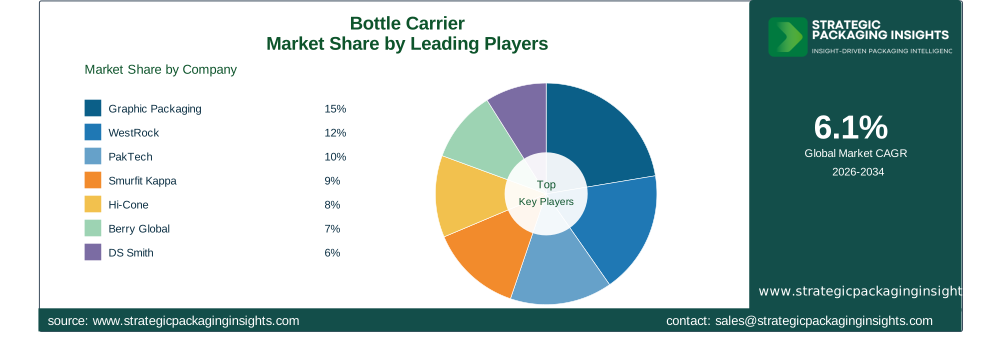
Smurfit Kappa and DS Smith are also prominent players in the market, known for their expertise in sustainable packaging solutions. These companies are leveraging their global presence and advanced manufacturing capabilities to expand their market reach and cater to the growing demand for bottle carriers. Their commitment to sustainability and circular economy practices is a key differentiator, attracting environmentally conscious consumers and businesses.
Other notable companies in the market include PakTech, Hi-Cone, and Berry Global, each offering unique products and solutions tailored to specific customer needs. PakTech is recognized for its innovative handle solutions, while Hi-Cone specializes in ring carriers made from recycled materials. Berry Global, on the other hand, focuses on providing a wide range of packaging solutions, including bottle carriers, to various industries. These companies are continuously innovating and adapting to market trends to maintain their competitive edge.
Mondi and Roberts PolyPro are also key players in the Bottle Carrier market, known for their commitment to quality and customer satisfaction. Mondi's extensive product range and focus on sustainable packaging solutions have earned it a strong reputation in the industry. Roberts PolyPro, a division of ProMach, specializes in innovative packaging solutions that enhance product functionality and consumer convenience. These companies are leveraging their expertise and industry knowledge to drive growth and capture market share.
Key Highlights
- The Bottle Carrier market is projected to grow from USD 4.99 billion in 2025 to USD 8.50 billion by 2034, at a CAGR of 6.1%.
- Increasing demand for sustainable packaging solutions is a major driver of market growth.
- Paperboard and molded fiber are the most popular materials due to their recyclability and eco-friendliness.
- Six-pack carriers are the most widely used product type, driven by the popularity of beer and soft drinks.
- The beverage industry, particularly in emerging markets, offers significant growth opportunities for bottle carriers.
- Asia Pacific is expected to witness the highest growth rate, driven by rising disposable incomes and changing consumer preferences.
- Key players like Graphic Packaging, WestRock, and Smurfit Kappa are leading the market with their focus on sustainability and innovation.
Bottle Carrier Market Segments Insights

Material Type Analysis
The Bottle Carrier market is segmented by material type into paperboard, plastic, molded fiber, and corrugated board. Paperboard and molded fiber are gaining popularity due to their recyclability and eco-friendly properties. These materials are preferred by environmentally conscious consumers and are in line with global sustainability goals. Companies like Graphic Packaging and Smurfit Kappa are investing in research and development to enhance the performance and sustainability of these materials, driving their adoption in the market.
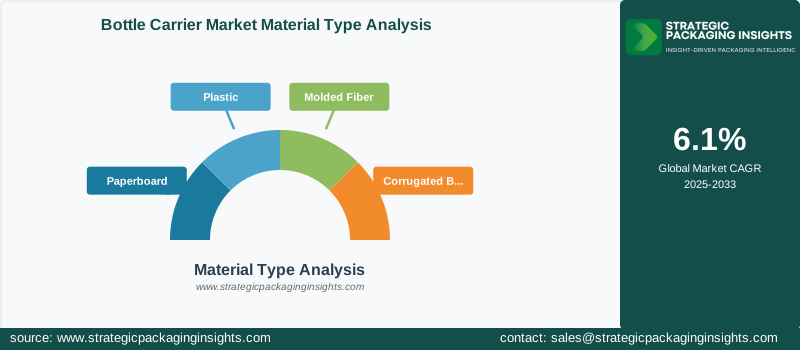
Plastic carriers, while still prevalent, are facing challenges due to increasing regulatory pressures and consumer demand for sustainable alternatives. However, innovations in biodegradable and recyclable plastics are providing opportunities for growth in this segment. Corrugated board is also gaining traction, particularly in the retail and foodservice sectors, due to its durability and versatility. The choice of material is influenced by factors such as cost, performance, and environmental impact, with companies striving to balance these considerations to meet consumer and regulatory demands.
Product Type Analysis
The Bottle Carrier market is segmented by product type into six-pack carriers, four-pack carriers, basket carriers, and clip carriers. Six-pack carriers are the most widely used product type, driven by the popularity of beer and soft drinks. These carriers offer convenience and ease of handling, making them a preferred choice for consumers and beverage brands alike. Companies like WestRock and PakTech are focusing on enhancing the design and functionality of six-pack carriers to cater to evolving consumer preferences.
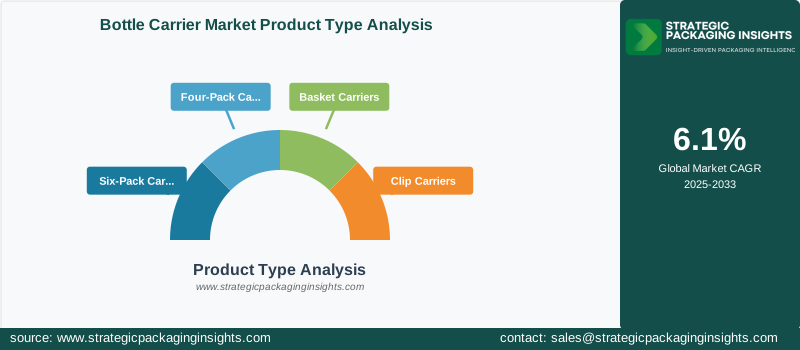
Four-pack carriers and basket carriers are also gaining traction, particularly in the premium beverage segment, where presentation and aesthetics are important. Clip carriers, known for their minimalistic design and ease of use, are becoming popular in the craft beverage industry. The choice of product type is influenced by factors such as consumer preferences, brand positioning, and cost considerations. Companies are continuously innovating to offer a diverse range of products that meet the needs of different market segments.
Application Analysis
The Bottle Carrier market is segmented by application into beer, soft drinks, water, and dairy. The beer segment is the largest application segment, driven by the global popularity of beer and the increasing demand for craft beverages. Bottle carriers are essential for packaging and transporting beer, providing convenience and protection. Companies like Hi-Cone and Fishbone Packaging are developing innovative solutions to cater to the specific needs of the beer industry.
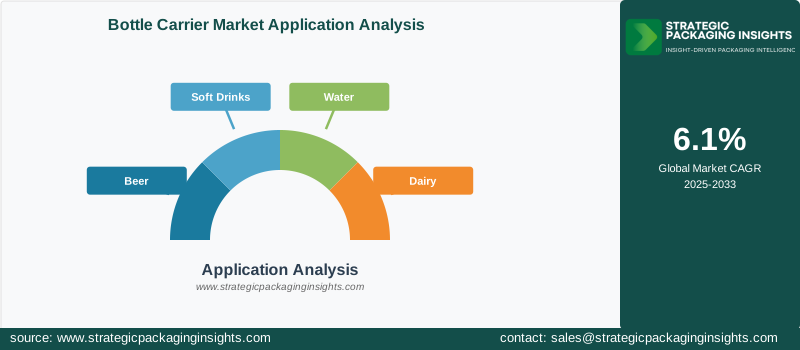
The soft drinks and water segments are also significant contributors to market growth, driven by the increasing consumption of packaged beverages. The dairy segment, while smaller, is experiencing growth due to the rising demand for convenient and sustainable packaging solutions. The choice of application is influenced by factors such as consumer preferences, product characteristics, and regulatory requirements. Companies are focusing on developing application-specific solutions to meet the diverse needs of the market.
End Use Analysis
The Bottle Carrier market is segmented by end use into beverage brands, breweries, retail, and foodservice. Beverage brands and breweries are the largest end-use segments, driven by the need for effective packaging solutions that enhance product presentation and consumer convenience. Companies like Berry Global and Roberts PolyPro are partnering with beverage brands to develop customized solutions that meet their specific needs.
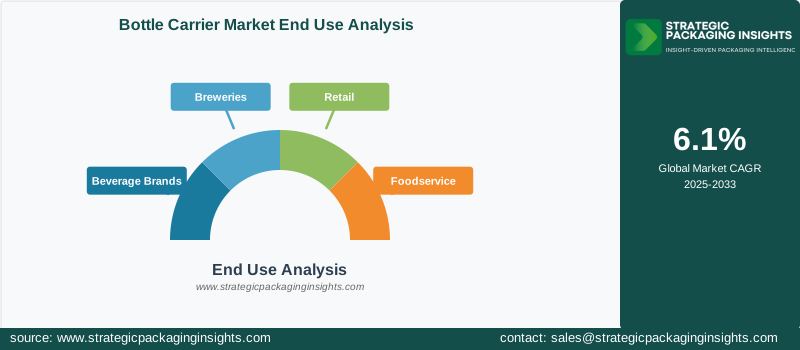
The retail and foodservice sectors are also significant end-use segments, driven by the increasing demand for convenient and sustainable packaging solutions. Retailers are focusing on offering eco-friendly packaging options to attract environmentally conscious consumers, while the foodservice sector is adopting bottle carriers to enhance the convenience and safety of beverage transportation. The choice of end use is influenced by factors such as consumer preferences, market trends, and regulatory requirements. Companies are continuously innovating to offer a diverse range of products that meet the needs of different end-use segments.
Bottle Carrier Market Segments
The Bottle Carrier market has been segmented on the basis ofMaterial Type
- Paperboard
- Plastic
- Molded Fiber
- Corrugated Board
Product Type
- Six-Pack Carriers
- Four-Pack Carriers
- Basket Carriers
- Clip Carriers
Application
- Beer
- Soft Drinks
- Water
- Dairy
End Use
- Beverage Brands
- Breweries
- Retail
- Foodservice
Region
- Asia Pacific
- North America
- Latin America
- Europe
- Middle East & Africa




