


Blow Molded Plastic Bottles Market Outlook
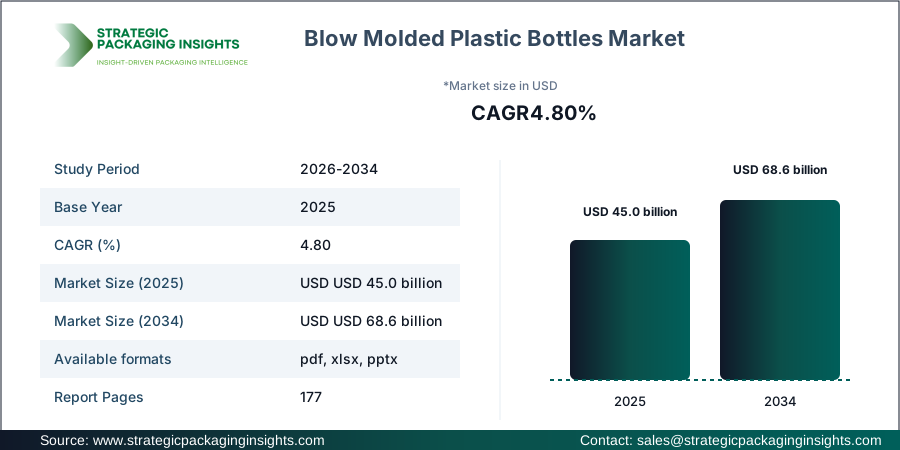
The Blow Molded Plastic Bottles market size was valued at USD 45.0 billion in 2025 and is anticipated to reach USD 68.6 billion by 2034, growing at a CAGR of 4.80% during the forecast period according to Strategic Packaging Insights. This growth trajectory is largely driven by the increasing demand for lightweight and durable packaging solutions across various industries such as beverages, personal care, and pharmaceuticals. Companies like Amcor and Berry Global are at the forefront, leveraging advanced blow molding technologies to cater to the evolving consumer preferences for sustainable and efficient packaging solutions. The market's expansion is further supported by the rising trend of urbanization and the growing middle-class population, which is boosting the consumption of packaged goods globally.
One of the most impactful drivers of the Blow Molded Plastic Bottles market is the increasing emphasis on sustainability and eco-friendly packaging solutions. Governments worldwide are implementing stringent regulations to reduce plastic waste, which is encouraging manufacturers to adopt recyclable and biodegradable materials. For instance, the European Union's directive on single-use plastics is pushing companies to innovate and develop sustainable packaging alternatives. This regulatory push, coupled with consumer awareness about environmental issues, is propelling the demand for blow molded plastic bottles made from recycled materials like PCR and rPET. Companies like Alpla and Plastipak are investing heavily in R&D to enhance their product offerings and align with these sustainability goals, thereby gaining a competitive edge in the market.
Report Scope
| Attributes | Details |
| Report Title | Blow Molded Plastic Bottles Market Size, Future Growth and Forecast 2034 |
| By Process | Extrusion Blow Molding (EBM), Injection Blow Molding (IBM), Injection Stretch Blow Molding (ISBM) |
| By Material | PET, HDPE, PP, LDPE, PVC, PCR / rPET |
| By Capacity | Below 250 ml, 250 ml - 1 L, 1-5 L, Above 5 L |
| By End Use | Beverages, Personal Care & Cosmetics, Household Chemicals, Pharmaceuticals, Food (Sauces, Oils, Dairy), Automotive & Industrial Fluids |
| By Region | North America (U.S., Canada, Mexico), Europe (Germany, UK, France, Italy, Spain, Rest of Europe), Asia Pacific (China, India, Japan, South Korea, Australia, Rest of Asia Pacific), Latin America (Brazil, Argentina, Rest of Latin America), Middle East & Africa (GCC Countries, South Africa, Rest of MEA) |
| Base Year | 2025 |
| Historic Period | 2018-2024 |
| Forecast Period | 2026-2034 |
| Number of Pages | 177 |
| Customization Available | Yes* |
Sustainability & Circular Economy Analysis
Sustainability initiatives and circular economy practices are significantly reshaping the Blow Molded Plastic Bottles market. The shift towards recyclable materials and reusable packaging is becoming a cornerstone for manufacturers aiming to reduce their environmental footprint. Companies are increasingly adopting lightweight packaging solutions to minimize material usage and transportation costs, thereby reducing their carbon footprint. This trend is not only driven by regulatory compliance but also by consumer preferences for eco-friendly products. As a result, packaging design and manufacturing processes are evolving to incorporate more sustainable practices, which in turn is influencing investment decisions and supply chain strategies.
Eco-friendly material innovation is at the forefront of the Blow Molded Plastic Bottles market, with companies exploring new materials and technologies to enhance the recyclability and biodegradability of their products. Waste reduction strategies, such as closed-loop recycling systems, are being implemented to ensure that plastic bottles are collected, recycled, and reused efficiently. Extended Producer Responsibility (EPR) programs are also gaining traction, holding manufacturers accountable for the entire lifecycle of their products. These initiatives are driving companies to rethink their packaging solutions and invest in sustainable technologies to maintain long-term market competitiveness.
Moreover, the integration of Environmental, Social, and Governance (ESG) initiatives is becoming a critical factor for companies in the Blow Molded Plastic Bottles market. Investors and stakeholders are increasingly evaluating companies based on their sustainability performance, which is influencing business strategies and operational decisions. Packaging regulations are also becoming more stringent, requiring companies to comply with environmental standards and reduce their carbon emissions. This regulatory landscape is pushing manufacturers to innovate and develop sustainable packaging solutions that meet both consumer expectations and regulatory requirements, ensuring their market position and competitiveness in the long run.
Packaging Value Chain & Supply Chain Analysis
The packaging value chain for Blow Molded Plastic Bottles is a complex ecosystem involving multiple stakeholders, from raw material suppliers to end consumers. Raw material sourcing is a critical component, with manufacturers relying on a steady supply of high-quality plastics such as PET, HDPE, and PP. Packaging converters and manufacturers play a pivotal role in transforming these materials into finished products, utilizing advanced blow molding technologies to meet diverse consumer needs. Companies like Graham Packaging and Silgan are optimizing their production capabilities to enhance efficiency and reduce costs, thereby strengthening their market position.
Logistics and distribution channels are integral to the supply chain, ensuring that blow molded plastic bottles reach retailers and consumers efficiently. Strategic partnerships with logistics providers and distributors are essential for manufacturers to expand their market reach and enhance supply chain resilience. Inventory management and procurement strategies are also crucial, enabling companies to maintain optimal stock levels and respond swiftly to market demands. The localization of supply chains is becoming increasingly important, with companies focusing on regional production to mitigate risks associated with global sourcing and transportation.
Recycling networks are an essential component of the Blow Molded Plastic Bottles market, facilitating the collection and processing of used bottles for reuse. Companies are investing in recycling infrastructure and collaborating with waste management organizations to enhance their sustainability efforts. This focus on recycling not only supports environmental goals but also provides a cost-effective source of raw materials for manufacturers. Overall, supply chain efficiency, raw material availability, and strategic partnerships are key factors influencing the market's performance and competitiveness, enabling companies to meet consumer demands and regulatory requirements effectively.
Opportunities & Threats
The Blow Molded Plastic Bottles market presents numerous opportunities for growth and innovation. One significant opportunity lies in the development of sustainable packaging solutions that align with consumer preferences and regulatory requirements. Companies can capitalize on this trend by investing in research and development to create eco-friendly materials and technologies. The increasing demand for lightweight and durable packaging in industries such as beverages, personal care, and pharmaceuticals also offers growth prospects for manufacturers. By expanding their product portfolios and enhancing production capabilities, companies can tap into new markets and increase their market share.
Another opportunity in the Blow Molded Plastic Bottles market is the growing demand for customized packaging solutions. As consumers seek personalized and unique products, manufacturers can differentiate themselves by offering tailored packaging designs and features. This trend is particularly prominent in the personal care and cosmetics industry, where packaging plays a crucial role in brand differentiation and consumer appeal. By leveraging advanced blow molding technologies and collaborating with design experts, companies can create innovative packaging solutions that meet the evolving needs of consumers and enhance their competitive advantage.
However, the Blow Molded Plastic Bottles market also faces several threats that could impact its growth and profitability. One major challenge is the increasing competition from alternative packaging materials such as glass and metal, which are perceived as more sustainable and premium by consumers. Additionally, the volatility in raw material prices and supply chain disruptions can pose significant risks to manufacturers, affecting their production costs and profitability. To mitigate these threats, companies need to adopt agile business strategies, diversify their product offerings, and invest in sustainable technologies to maintain their market position and competitiveness.
Drivers & Challenges
The Blow Molded Plastic Bottles market is driven by several key factors that are shaping its growth and development. One of the primary drivers is the increasing demand for lightweight and durable packaging solutions across various industries. As consumers prioritize convenience and sustainability, manufacturers are focusing on developing innovative packaging designs that meet these needs. The rise in urbanization and the growing middle-class population are also contributing to the market's expansion, as more consumers opt for packaged goods and beverages. Companies like Amcor and Berry Global are leveraging advanced blow molding technologies to enhance their product offerings and cater to the evolving consumer preferences.
Another significant driver of the Blow Molded Plastic Bottles market is the growing emphasis on sustainability and eco-friendly packaging solutions. Governments worldwide are implementing stringent regulations to reduce plastic waste, which is encouraging manufacturers to adopt recyclable and biodegradable materials. This regulatory push, coupled with consumer awareness about environmental issues, is propelling the demand for blow molded plastic bottles made from recycled materials like PCR and rPET. Companies are investing heavily in R&D to enhance their product offerings and align with these sustainability goals, thereby gaining a competitive edge in the market.
Despite the positive growth drivers, the Blow Molded Plastic Bottles market faces several challenges that could hinder its development. One of the main challenges is the increasing competition from alternative packaging materials such as glass and metal, which are perceived as more sustainable and premium by consumers. Additionally, the volatility in raw material prices and supply chain disruptions can pose significant risks to manufacturers, affecting their production costs and profitability. To overcome these challenges, companies need to adopt agile business strategies, diversify their product offerings, and invest in sustainable technologies to maintain their market position and competitiveness.
Market Share Analysis
The competitive landscape of the Blow Molded Plastic Bottles market is characterized by the presence of several key players who are driving innovation and growth. Companies like Amcor, Berry Global, and Alpla are leading the market with their extensive product portfolios and advanced manufacturing capabilities. These companies are focusing on expanding their market presence through strategic acquisitions and partnerships, enabling them to enhance their production capabilities and cater to a wider customer base. The market is also witnessing the entry of new players who are leveraging innovative technologies to gain a competitive edge.
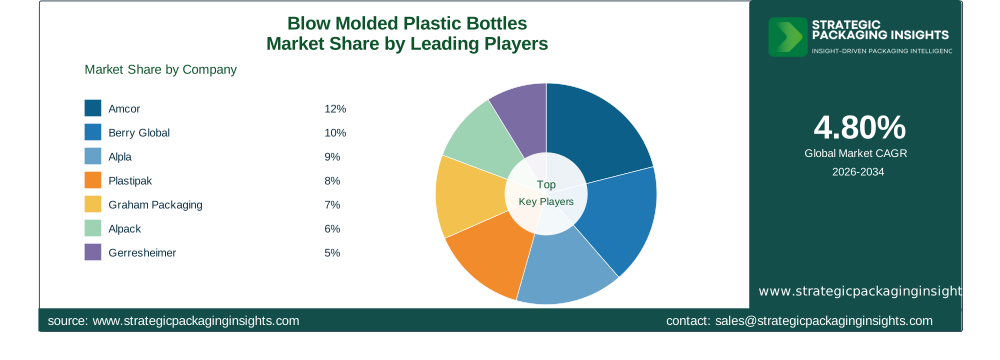
Amcor is a prominent player in the Blow Molded Plastic Bottles market, known for its commitment to sustainability and innovation. The company offers a wide range of packaging solutions, including bottles made from recycled materials, to meet the growing demand for eco-friendly products. Berry Global is another key player, with a strong focus on research and development to enhance its product offerings and align with sustainability goals. The company's extensive manufacturing capabilities and global presence enable it to cater to diverse customer needs and maintain its competitive position in the market.
Alpla is a leading manufacturer of blow molded plastic bottles, renowned for its advanced manufacturing technologies and commitment to sustainability. The company is investing heavily in R&D to develop innovative packaging solutions that meet the evolving needs of consumers and regulatory requirements. Plastipak is another major player, known for its extensive product portfolio and focus on sustainability. The company's strategic partnerships and collaborations with key stakeholders enable it to enhance its market presence and cater to a wide range of industries.
Other notable players in the Blow Molded Plastic Bottles market include Graham Packaging, Alpack, Gerresheimer, Silgan, Greif, RPC legacy (Berry), and Esterform. These companies are focusing on expanding their product offerings and enhancing their production capabilities to meet the growing demand for sustainable packaging solutions. By leveraging advanced technologies and collaborating with key stakeholders, these companies are well-positioned to capitalize on the growth opportunities in the market and maintain their competitive edge.
Key Highlights
- Market Size: The Blow Molded Plastic Bottles market was valued at USD 45.0 billion in 2025.
- Forecast Growth: The market is projected to reach USD 68.6 billion by 2034, growing at a CAGR of 4.80%.
- Leading Companies: Key players include Amcor, Berry Global, Alpla, and Plastipak.
- Sustainability Focus: Increasing demand for eco-friendly and recyclable packaging solutions.
- Regional Insights: Asia Pacific is expected to witness significant growth due to rising urbanization.
- Technological Advancements: Innovations in blow molding technologies are driving market growth.
- Regulatory Impact: Stringent regulations on plastic waste are influencing market dynamics.
Blow Molded Plastic Bottles Market Segments Insights

By Process Analysis
The Blow Molded Plastic Bottles market is segmented by process into Extrusion Blow Molding (EBM), Injection Blow Molding (IBM), and Injection Stretch Blow Molding (ISBM). Each of these processes offers unique advantages and caters to different market needs. EBM is widely used for producing large containers and bottles due to its cost-effectiveness and versatility. Companies like Graham Packaging and Silgan are leveraging EBM technology to enhance their production capabilities and meet the growing demand for large-capacity bottles. IBM, on the other hand, is preferred for producing small and intricate bottles, particularly in the personal care and pharmaceutical industries. This process offers high precision and consistency, making it ideal for applications that require complex shapes and designs.
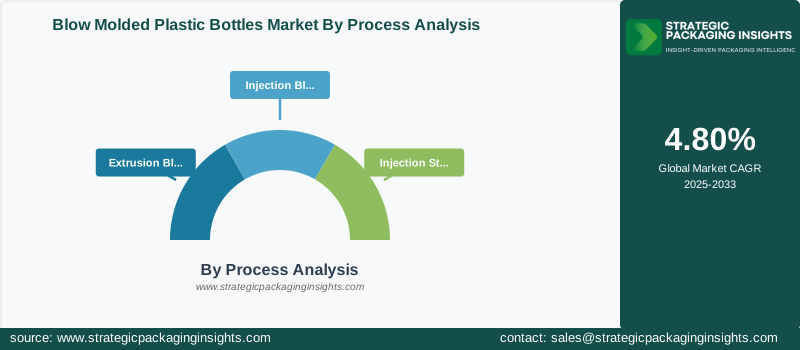
ISBM is gaining traction in the Blow Molded Plastic Bottles market due to its ability to produce lightweight and durable bottles with excellent clarity and strength. This process is particularly popular in the beverage industry, where the demand for high-quality and aesthetically appealing bottles is on the rise. Companies like Amcor and Alpla are investing in ISBM technology to enhance their product offerings and cater to the evolving consumer preferences. The growing emphasis on sustainability and eco-friendly packaging solutions is also driving the adoption of ISBM, as it allows for the use of recycled materials and reduces material waste.
By Material Analysis
The Blow Molded Plastic Bottles market is segmented by material into PET, HDPE, PP, LDPE, PVC, and PCR/rPET. PET is the most widely used material due to its excellent clarity, strength, and recyclability. It is particularly popular in the beverage industry, where the demand for lightweight and transparent bottles is high. Companies like Plastipak and Berry Global are focusing on enhancing their PET product offerings to meet the growing demand for sustainable packaging solutions. HDPE is another popular material, known for its durability and resistance to chemicals, making it ideal for household chemicals and industrial fluids.
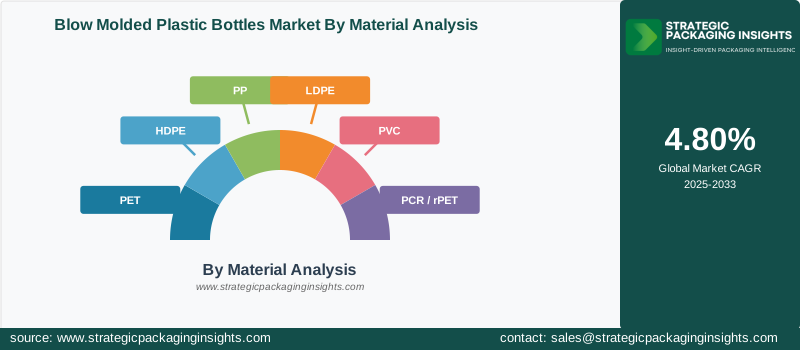
PP and LDPE are also gaining traction in the Blow Molded Plastic Bottles market due to their versatility and cost-effectiveness. These materials are widely used in the personal care and cosmetics industry, where the demand for lightweight and flexible packaging solutions is on the rise. PVC, although less popular due to environmental concerns, is still used in certain applications where its unique properties are required. The growing emphasis on sustainability is driving the demand for PCR/rPET, as companies seek to reduce their environmental footprint and comply with regulatory requirements. By investing in recycled materials and innovative technologies, manufacturers can enhance their product offerings and maintain their competitive edge in the market.
By Capacity Analysis
The Blow Molded Plastic Bottles market is segmented by capacity into Below 250 ml, 250 ml - 1 L, 1-5 L, and Above 5 L. Each capacity segment caters to different market needs and applications. The Below 250 ml segment is primarily used in the personal care and cosmetics industry, where the demand for small and portable packaging solutions is high. Companies like Gerresheimer and Alpack are focusing on enhancing their production capabilities to meet the growing demand for small-capacity bottles. The 250 ml - 1 L segment is popular in the beverage industry, where the demand for single-serve and convenient packaging solutions is on the rise.
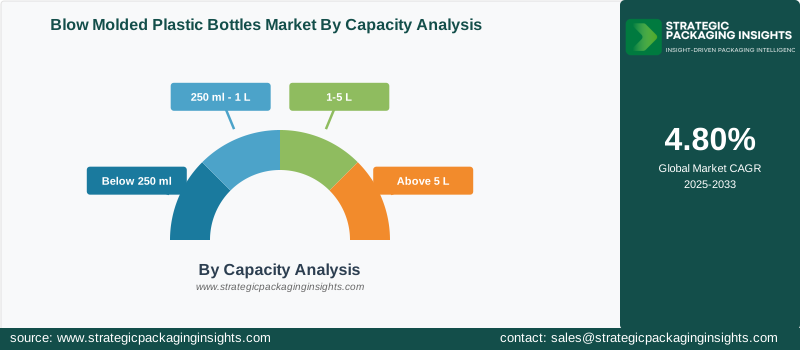
The 1-5 L segment is widely used in the household chemicals and food industries, where the demand for larger-capacity bottles is high. Companies like Greif and RPC legacy (Berry) are leveraging advanced blow molding technologies to enhance their production capabilities and cater to the growing demand for large-capacity bottles. The Above 5 L segment is primarily used in the automotive and industrial fluids industry, where the demand for durable and high-capacity packaging solutions is high. By expanding their product offerings and enhancing their production capabilities, manufacturers can tap into new markets and increase their market share.
By End Use Analysis
The Blow Molded Plastic Bottles market is segmented by end use into Beverages, Personal Care & Cosmetics, Household Chemicals, Pharmaceuticals, Food (Sauces, Oils, Dairy), and Automotive & Industrial Fluids. The beverage industry is the largest end-use segment, driven by the increasing demand for lightweight and durable packaging solutions. Companies like Amcor and Alpla are focusing on enhancing their product offerings to meet the growing demand for high-quality and aesthetically appealing bottles. The personal care and cosmetics industry is another significant end-use segment, where the demand for customized and unique packaging solutions is high.
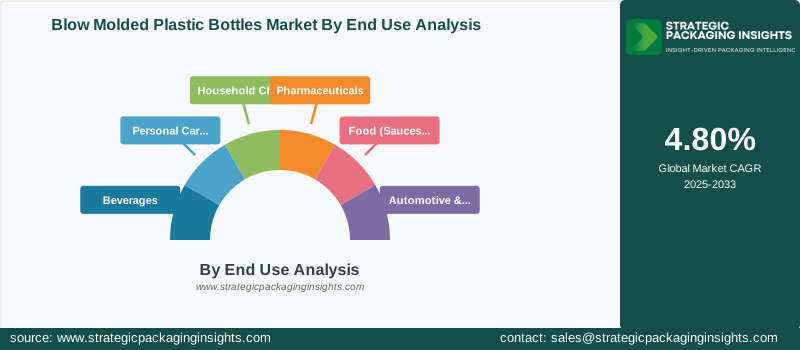
The household chemicals and pharmaceuticals industries are also key end-use segments, driven by the demand for durable and chemical-resistant packaging solutions. Companies like Gerresheimer and Silgan are leveraging advanced blow molding technologies to enhance their product offerings and cater to the evolving consumer preferences. The food industry, particularly sauces, oils, and dairy, is witnessing significant growth, driven by the demand for convenient and sustainable packaging solutions. The automotive and industrial fluids industry is another important end-use segment, where the demand for high-capacity and durable packaging solutions is high. By expanding their product offerings and enhancing their production capabilities, manufacturers can tap into new markets and increase their market share.
Blow Molded Plastic Bottles Market Segments
The Blow Molded Plastic Bottles market has been segmented on the basis ofBy Process
- Extrusion Blow Molding (EBM)
- Injection Blow Molding (IBM)
- Injection Stretch Blow Molding (ISBM)
By Material
- PET
- HDPE
- PP
- LDPE
- PVC
- PCR / rPET
By Capacity
- Below 250 ml
- 250 ml - 1 L
- 1-5 L
- Above 5 L
By End Use
- Beverages
- Personal Care & Cosmetics
- Household Chemicals
- Pharmaceuticals
- Food (Sauces, Oils, Dairy)
- Automotive & Industrial Fluids
By Region
- North America (U.S., Canada, Mexico)
- Europe (Germany, UK, France, Italy, Spain, Rest of Europe)
- Asia Pacific (China, India, Japan, South Korea, Australia, Rest of Asia Pacific)
- Latin America (Brazil, Argentina, Rest of Latin America)
- Middle East & Africa (GCC Countries, South Africa, Rest of MEA)




