


Biomedical Packaging Market Outlook
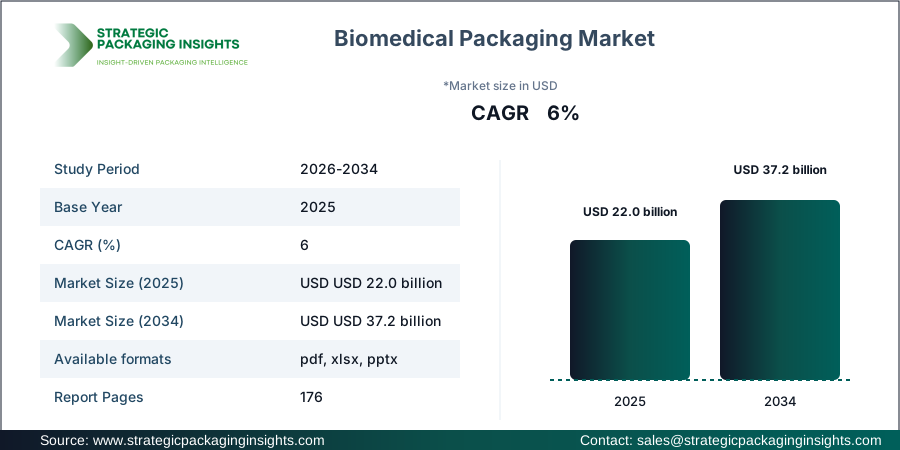
The Biomedical Packaging market size was valued at USD 22.0 billion in 2025 and is anticipated to reach USD 37.2 billion by 2034, growing at a CAGR of 6.00% during the forecast period according to Strategic Packaging Insights. The market is driven by the increasing demand for safe and effective packaging solutions in the healthcare sector, with companies like Amcor and West Pharmaceutical leading the charge. The rise in chronic diseases and the subsequent increase in medical procedures have necessitated the need for advanced packaging solutions that ensure the sterility and integrity of medical products. This growth is further supported by technological advancements in packaging materials and designs, which enhance product safety and extend shelf life.
One of the most impactful drivers of the Biomedical Packaging market is the stringent regulatory requirements imposed by health authorities worldwide. These regulations mandate the use of high-quality, sterile packaging solutions to prevent contamination and ensure patient safety. According to the U.S. Food and Drug Administration (FDA), packaging plays a critical role in maintaining the sterility of medical devices and pharmaceuticals, which is crucial for patient safety. Companies like Gerresheimer and Schott Pharma are investing heavily in research and development to create innovative packaging solutions that comply with these regulations, thereby driving market growth. The increasing focus on sustainability and eco-friendly packaging solutions is also influencing the market, as companies strive to reduce their environmental footprint while maintaining product efficacy.
Report Scope
| Attributes | Details |
| Report Title | Biomedical Packaging Market Size, Future Growth and Forecast 2034 |
| By Material | Medical-Grade Polymers (PETG, PP, COC), Glass, Tyvek & Medical Papers, Foil Laminates |
| By Product | Sterile Barrier Pouches & Trays, Vials & Ampoules, Prefilled Syringe Packaging, Blister Packs, Rigid Containers, Labels & Lidding |
| By Sterilization | EtO, Gamma / E-Beam, Steam, Aseptic Fill |
| By End Use | Medical Devices, Biopharmaceuticals, Diagnostics & IVD, Cell & Gene Therapy, Hospital Supplies |
| By Region | North America (U.S., Canada, Mexico), Europe (Germany, UK, France, Italy, Spain, Rest of Europe), Asia Pacific (China, India, Japan, South Korea, Australia, Rest of Asia Pacific), Latin America (Brazil, Argentina, Rest of Latin America), Middle East & Africa (GCC Countries, South Africa, Rest of MEA) |
| Base Year | 2025 |
| Historic Period | 2018-2024 |
| Forecast Period | 2026-2034 |
| Number of Pages | 176 |
| Customization Available | Yes* |
Sustainability & Circular Economy Analysis
Sustainability initiatives are significantly shaping the biomedical packaging market, with a strong emphasis on recyclable materials and eco-friendly innovations. Companies are increasingly adopting lightweight packaging solutions to reduce material usage and transportation emissions. For instance, the use of medical-grade polymers like PETG and PP, which are recyclable, is gaining traction. This shift not only aligns with consumer preferences for sustainable products but also helps companies meet stringent environmental regulations. The integration of extended producer responsibility (EPR) frameworks further encourages manufacturers to design packaging that minimizes waste and facilitates recycling.
The circular economy model is influencing packaging design and manufacturing processes, prompting companies to invest in reusable and biodegradable materials. This approach not only reduces the carbon footprint but also enhances the long-term competitiveness of businesses by aligning with global sustainability goals. Companies like DuPont (Tyvek) and Oliver Healthcare are leading the way by developing innovative packaging solutions that prioritize waste reduction and resource efficiency. These efforts are supported by ESG initiatives that emphasize transparency and accountability in environmental performance.
Regulatory compliance is a critical factor driving investment decisions in the biomedical packaging market. Governments worldwide are implementing stricter packaging regulations to ensure product safety and environmental sustainability. This has led to increased collaboration between packaging manufacturers, brand owners, and regulatory bodies to develop solutions that meet these standards. As a result, companies are focusing on supply chain strategies that enhance resilience and adaptability, ensuring they can meet evolving regulatory requirements while maintaining market competitiveness.
Packaging Value Chain & Supply Chain Analysis
The biomedical packaging value chain is a complex ecosystem involving multiple stakeholders, from raw material suppliers to end-users. Raw material sourcing is a critical component, with companies relying on high-quality medical-grade polymers, glass, and other materials to ensure product safety and efficacy. Packaging converters and manufacturers play a pivotal role in transforming these materials into finished products, utilizing advanced machinery and technologies to enhance production efficiency and quality. Strategic partnerships with suppliers and logistics providers are essential for maintaining a seamless supply chain and ensuring timely delivery of products to market.
Supply chain efficiency is a key determinant of market performance, with companies focusing on optimizing transportation and inventory management to reduce costs and improve service levels. The availability of raw materials and production capabilities are critical factors influencing business competitiveness, as disruptions in supply can lead to delays and increased costs. Companies like Tekni-Plex and Wipak are investing in supply chain resilience strategies, such as localization and global sourcing, to mitigate risks and enhance operational efficiency.
Recycling networks and procurement strategies are integral to the biomedical packaging supply chain, as companies strive to meet sustainability goals and regulatory requirements. The integration of recycling initiatives into the supply chain not only reduces environmental impact but also enhances brand reputation and consumer trust. Inventory management practices are evolving to incorporate sustainable packaging solutions, with companies prioritizing eco-friendly materials and designs. This shift is driven by increasing consumer demand for sustainable products and the need to comply with environmental regulations, positioning companies for long-term success in the competitive biomedical packaging market.
Opportunities & Threats
The biomedical packaging market presents significant opportunities for growth, driven by the increasing demand for innovative and sustainable packaging solutions. The rise in chronic diseases and the aging population are leading to a surge in medical procedures, creating a need for advanced packaging that ensures product safety and efficacy. Companies can capitalize on this demand by investing in research and development to create cutting-edge packaging solutions that meet the evolving needs of the healthcare sector. Additionally, the growing focus on sustainability presents opportunities for companies to develop eco-friendly packaging solutions that align with consumer preferences and regulatory requirements.
Technological advancements in packaging materials and designs offer further opportunities for growth in the biomedical packaging market. The development of smart packaging solutions, such as those incorporating RFID technology for tracking and monitoring, can enhance product safety and supply chain efficiency. Companies that invest in these technologies can gain a competitive edge by offering innovative solutions that improve patient outcomes and reduce costs. Furthermore, the expansion of healthcare infrastructure in emerging markets presents opportunities for companies to expand their presence and tap into new customer bases.
Despite the opportunities, the biomedical packaging market faces several threats that could hinder growth. One of the primary challenges is the stringent regulatory environment, which requires companies to comply with complex and evolving standards. Non-compliance can result in significant financial penalties and damage to brand reputation. Additionally, the high cost of raw materials and production can impact profitability, particularly for small and medium-sized enterprises. Companies must navigate these challenges by investing in compliance and cost management strategies to maintain competitiveness in the market.
Drivers & Challenges
The biomedical packaging market is driven by several key factors, including the increasing demand for safe and effective packaging solutions in the healthcare sector. The rise in chronic diseases and the aging population are leading to a surge in medical procedures, creating a need for advanced packaging that ensures product safety and efficacy. Companies like Amcor and West Pharmaceutical are at the forefront of this trend, investing in research and development to create innovative packaging solutions that meet the evolving needs of the healthcare sector. Additionally, the growing focus on sustainability is driving demand for eco-friendly packaging solutions that align with consumer preferences and regulatory requirements.
Technological advancements in packaging materials and designs are also driving growth in the biomedical packaging market. The development of smart packaging solutions, such as those incorporating RFID technology for tracking and monitoring, can enhance product safety and supply chain efficiency. Companies that invest in these technologies can gain a competitive edge by offering innovative solutions that improve patient outcomes and reduce costs. Furthermore, the expansion of healthcare infrastructure in emerging markets presents opportunities for companies to expand their presence and tap into new customer bases.
Despite the drivers, the biomedical packaging market faces several challenges that could hinder growth. One of the primary challenges is the stringent regulatory environment, which requires companies to comply with complex and evolving standards. Non-compliance can result in significant financial penalties and damage to brand reputation. Additionally, the high cost of raw materials and production can impact profitability, particularly for small and medium-sized enterprises. Companies must navigate these challenges by investing in compliance and cost management strategies to maintain competitiveness in the market.
Market Share Analysis
The biomedical packaging market is characterized by intense competition, with several key players dominating the landscape. Companies like Amcor, West Pharmaceutical, and Gerresheimer hold significant market shares, driven by their extensive product portfolios and strong global presence. These companies have established themselves as leaders in the market by investing in research and development to create innovative packaging solutions that meet the evolving needs of the healthcare sector. Their focus on sustainability and eco-friendly packaging solutions has also contributed to their market dominance, as they align with consumer preferences and regulatory requirements.
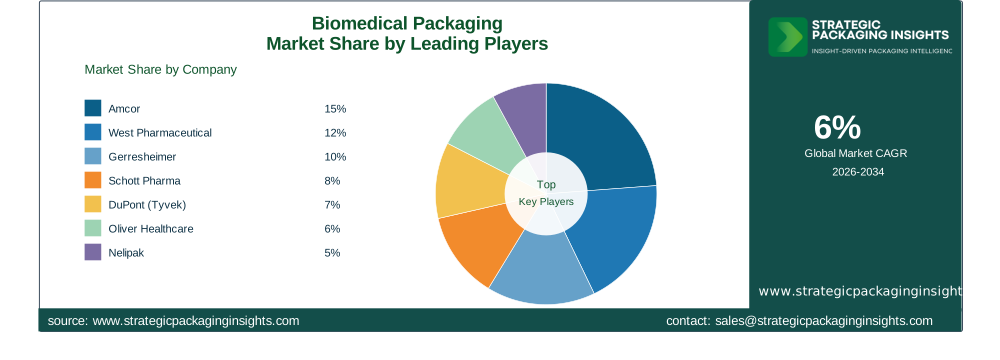
Schott Pharma and DuPont (Tyvek) are also prominent players in the biomedical packaging market, known for their high-quality products and commitment to innovation. Schott Pharma, for example, is renowned for its glass packaging solutions, which offer superior protection and sterility for medical products. DuPont (Tyvek), on the other hand, is a leader in the development of medical-grade polymers, which are increasingly being used in sustainable packaging solutions. These companies have established strong partnerships with healthcare providers and regulatory bodies, further enhancing their market position.
Oliver Healthcare and Nelipak are other key players in the market, known for their focus on customer-centric solutions and technological advancements. Oliver Healthcare, for instance, offers a wide range of sterile barrier packaging solutions that ensure product safety and efficacy. Nelipak, on the other hand, specializes in custom-designed packaging solutions that cater to the specific needs of medical device manufacturers. These companies have a strong presence in both developed and emerging markets, allowing them to capitalize on growth opportunities and expand their customer base.
Tekni-Plex, Wipak, and Placon are also significant contributors to the biomedical packaging market, known for their innovative products and commitment to sustainability. Tekni-Plex, for example, offers a range of packaging solutions that incorporate recyclable materials and eco-friendly designs. Wipak is renowned for its high-quality films and laminates, which provide superior protection and sterility for medical products. Placon, on the other hand, focuses on sustainable packaging solutions that reduce environmental impact and enhance brand reputation. These companies have established themselves as leaders in the market by continuously investing in research and development to create cutting-edge packaging solutions.
Key Highlights
- Market Size: The biomedical packaging market was valued at USD 22.0 billion in 2025 and is projected to reach USD 37.2 billion by 2034.
- Growth Rate: The market is expected to grow at a CAGR of 6.00% during the forecast period.
- Leading Companies: Key players include Amcor, West Pharmaceutical, Gerresheimer, and Schott Pharma.
- Material Innovation: Increasing use of medical-grade polymers like PETG and PP for sustainable packaging solutions.
- Technological Advancements: Development of smart packaging solutions incorporating RFID technology.
- Regional Growth: Asia Pacific is expected to witness significant growth due to expanding healthcare infrastructure.
- Regulatory Compliance: Stringent regulations driving demand for high-quality, sterile packaging solutions.
Biomedical Packaging Market Segments Insights

By Material Analysis
The biomedical packaging market is witnessing significant growth driven by the increasing demand for medical-grade polymers such as PETG, PP, and COC. These materials are favored for their durability, flexibility, and recyclability, making them ideal for sustainable packaging solutions. Companies like DuPont (Tyvek) are leading the charge in developing innovative polymer-based packaging that meets stringent regulatory standards while reducing environmental impact. The use of glass in biomedical packaging is also prevalent, particularly for products requiring superior protection and sterility. Schott Pharma is a key player in this segment, offering high-quality glass packaging solutions that ensure product safety and efficacy.
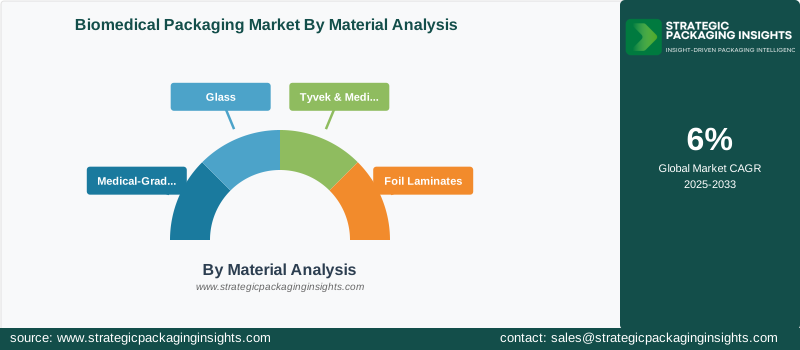
Tyvek and medical papers are gaining traction in the market due to their lightweight and breathable properties, which are essential for maintaining the sterility of medical products. These materials are increasingly being used in sterile barrier packaging solutions, such as pouches and trays, to prevent contamination and ensure patient safety. Foil laminates are also popular in the biomedical packaging market, providing excellent barrier properties that protect products from moisture, oxygen, and light. Companies are investing in research and development to create advanced foil laminate solutions that enhance product shelf life and reduce waste.
By Product Analysis
The product segment of the biomedical packaging market is diverse, with sterile barrier pouches and trays leading the way. These products are essential for maintaining the sterility of medical devices and pharmaceuticals, ensuring patient safety and compliance with regulatory standards. Companies like Oliver Healthcare are at the forefront of this segment, offering a wide range of sterile barrier packaging solutions that cater to the specific needs of healthcare providers. Vials and ampoules are also critical components of the biomedical packaging market, providing secure and sterile storage for liquid medications and vaccines.
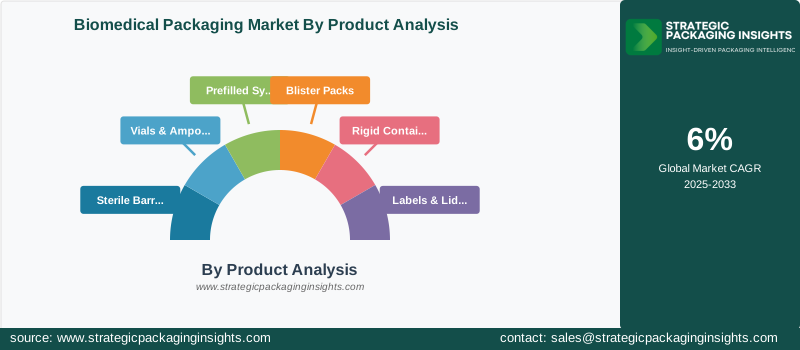
Prefilled syringe packaging is gaining popularity due to its convenience and safety features, which reduce the risk of contamination and dosage errors. Blister packs are another key product in the biomedical packaging market, offering tamper-evident and child-resistant features that enhance product safety. Rigid containers and labels & lidding are also important components of the market, providing secure and informative packaging solutions for a wide range of medical products. Companies are investing in technological advancements to create innovative packaging solutions that improve patient outcomes and reduce costs.
By Sterilization Analysis
Sterilization is a critical aspect of the biomedical packaging market, with various methods being employed to ensure product safety and efficacy. Ethylene oxide (EtO) sterilization is widely used due to its effectiveness in penetrating complex medical devices and packaging materials. Gamma and E-beam sterilization are also popular methods, offering rapid and reliable sterilization for a wide range of products. Companies are investing in advanced sterilization technologies to enhance product safety and reduce processing times, ensuring timely delivery of products to market.
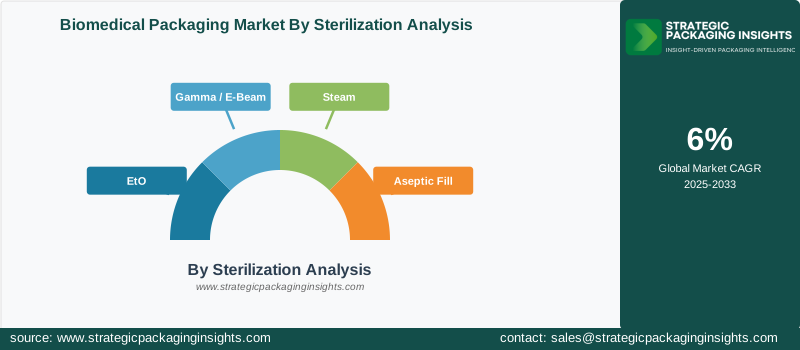
Steam sterilization is another common method used in the biomedical packaging market, particularly for products that can withstand high temperatures and moisture. Aseptic fill is gaining traction as a sterilization method, offering a contamination-free environment for the packaging of sterile products. This method is particularly popular in the biopharmaceutical sector, where maintaining product sterility is critical. Companies are focusing on developing innovative sterilization solutions that meet regulatory standards and enhance product safety, positioning themselves for long-term success in the competitive biomedical packaging market.
By End Use Analysis
The end-use segment of the biomedical packaging market is diverse, with medical devices and biopharmaceuticals being the primary drivers of demand. The increasing prevalence of chronic diseases and the aging population are leading to a surge in medical procedures, creating a need for advanced packaging solutions that ensure product safety and efficacy. Companies like Amcor and West Pharmaceutical are investing in research and development to create innovative packaging solutions that meet the evolving needs of the healthcare sector.
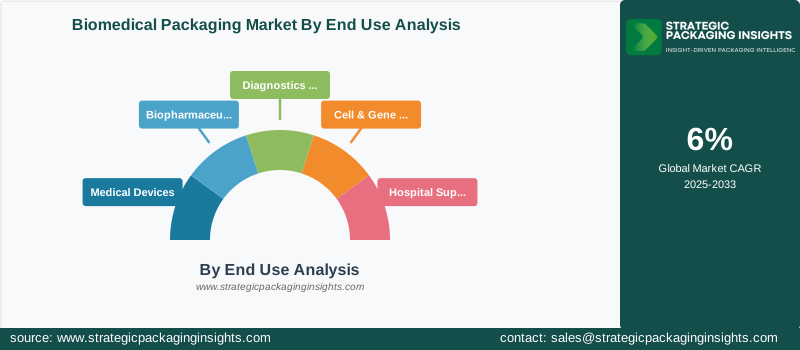
Diagnostics and in vitro diagnostics (IVD) are also significant contributors to the biomedical packaging market, with the growing demand for accurate and reliable diagnostic tests driving the need for secure and sterile packaging solutions. Cell and gene therapy is an emerging segment in the market, with companies focusing on developing specialized packaging solutions that maintain the integrity and efficacy of these advanced therapies. Hospital supplies are another key end-use segment, with the increasing focus on infection control and patient safety driving demand for high-quality packaging solutions.
Biomedical Packaging Market Segments
The Biomedical Packaging market has been segmented on the basis ofBy Material
- Medical-Grade Polymers (PETG, PP, COC)
- Glass
- Tyvek & Medical Papers
- Foil Laminates
By Product
- Sterile Barrier Pouches & Trays
- Vials & Ampoules
- Prefilled Syringe Packaging
- Blister Packs
- Rigid Containers
- Labels & Lidding
By Sterilization
- EtO
- Gamma / E-Beam
- Steam
- Aseptic Fill
By End Use
- Medical Devices
- Biopharmaceuticals
- Diagnostics & IVD
- Cell & Gene Therapy
- Hospital Supplies
By Region
- North America (U.S., Canada, Mexico)
- Europe (Germany, UK, France, Italy, Spain, Rest of Europe)
- Asia Pacific (China, India, Japan, South Korea, Australia, Rest of Asia Pacific)
- Latin America (Brazil, Argentina, Rest of Latin America)
- Middle East & Africa (GCC Countries, South Africa, Rest of MEA)




