


Biodegradable Cups and Lids Market Outlook
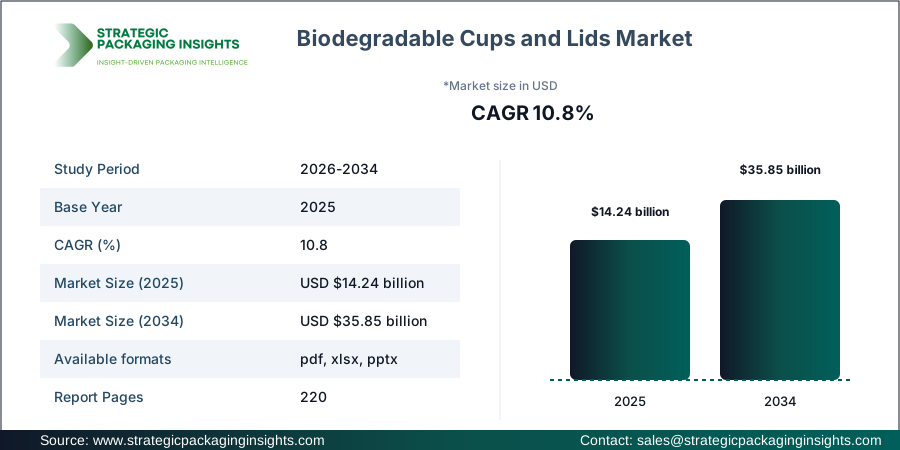
The Biodegradable Cups and Lids market was valued at $14.24 billion in 2025 and is projected to reach $35.85 billion by 2034, growing at a CAGR of 10.8% during the forecast period 2026-2034. This market is witnessing significant growth due to increasing consumer awareness about environmental sustainability and the rising demand for eco-friendly packaging solutions. The shift towards biodegradable materials is driven by stringent regulations against single-use plastics and the growing trend of green consumerism. As more companies and consumers prioritize sustainability, the demand for biodegradable cups and lids is expected to surge, offering lucrative opportunities for market players.
Report Scope
| Attributes | Details |
| Report Title | Biodegradable Cups and Lids Market Size, Future Growth and Forecast 2034 |
| Product Type | Cups, Lids, Cup-Lid Sets |
| Material Type | PLA, Bagasse, Paperboard, PHA |
| Application | Hot Beverages, Cold Beverages, Foodservice |
| End Use | QSR, Cafés, Foodservice, Retail |
| Region | Asia Pacific, North America, Latin America, Europe, Middle East & Africa |
| Base Year | 2025 |
| Historic Period | 2018-2024 |
| Forecast Period | 2026-2034 |
| Number of Pages | 220 |
| Customization Available | Yes* |
Opportunities & Threats
One of the primary opportunities in the Biodegradable Cups and Lids market is the increasing adoption of sustainable practices by major food and beverage companies. As these companies aim to reduce their carbon footprint, they are increasingly turning to biodegradable packaging solutions. This trend is further supported by government initiatives promoting the use of eco-friendly materials, which is expected to drive market growth. Additionally, the growing popularity of quick-service restaurants (QSRs) and cafés, which are major end-users of cups and lids, presents a significant opportunity for market expansion. The rising trend of on-the-go consumption and the increasing number of foodservice outlets are expected to boost the demand for biodegradable cups and lids.
Another opportunity lies in technological advancements in biodegradable materials. Innovations in material science are leading to the development of more durable and cost-effective biodegradable products. Companies are investing in research and development to create new materials that offer better performance and are more environmentally friendly. This is expected to enhance the quality and appeal of biodegradable cups and lids, making them more competitive with traditional plastic products. Furthermore, the increasing consumer preference for products that align with their environmental values is likely to drive demand for biodegradable packaging solutions.
However, the market faces certain threats, such as the high cost of biodegradable materials compared to conventional plastics. This cost disparity can be a barrier for small and medium-sized enterprises (SMEs) looking to adopt biodegradable packaging solutions. Additionally, the lack of infrastructure for the proper disposal and recycling of biodegradable materials can hinder market growth. In some regions, the absence of composting facilities means that biodegradable products may not break down as intended, reducing their environmental benefits. These challenges need to be addressed to ensure the widespread adoption of biodegradable cups and lids.
Drivers & Challenges
The primary driver of the Biodegradable Cups and Lids market is the increasing environmental awareness among consumers and businesses. As the negative impact of plastic waste becomes more apparent, there is a growing demand for sustainable alternatives. Governments worldwide are implementing regulations to reduce plastic waste, which is encouraging companies to adopt biodegradable packaging solutions. This regulatory push, combined with consumer demand for eco-friendly products, is driving the growth of the biodegradable cups and lids market.
Another significant driver is the rise of the foodservice industry, particularly in emerging economies. The increasing number of cafés, restaurants, and fast-food outlets is boosting the demand for disposable cups and lids. As these establishments seek to enhance their brand image by adopting sustainable practices, the demand for biodegradable packaging is expected to rise. Moreover, the trend of takeaway and delivery services is further propelling the need for disposable, yet environmentally friendly, packaging solutions.
Despite these drivers, the market faces challenges such as the higher cost of biodegradable materials and the lack of consumer awareness about their benefits. Many consumers are still unaware of the environmental impact of their choices, which can limit the adoption of biodegradable products. Additionally, the performance of biodegradable materials in terms of durability and shelf life can be a concern for some users. Addressing these challenges through education and innovation is crucial for the continued growth of the market.
Market Share Analysis
The competitive landscape of the Biodegradable Cups and Lids market is characterized by the presence of several key players who are actively investing in research and development to enhance their product offerings. Companies such as Huhtamaki, Eco-Products, BioPak, Vegware, and World Centric are leading the market with their innovative and sustainable solutions. These companies are focusing on expanding their product portfolios and strengthening their distribution networks to capture a larger market share.
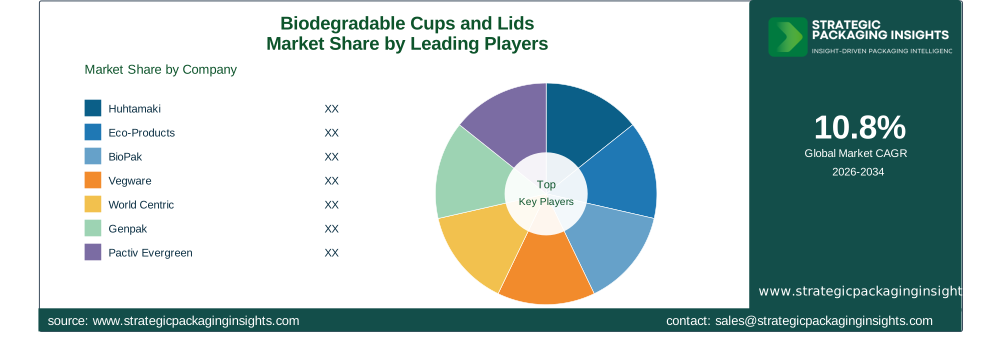
Huhtamaki, a global leader in sustainable packaging solutions, holds a significant share in the market. The company is known for its extensive range of biodegradable products and its commitment to sustainability. Eco-Products, another major player, is recognized for its innovative approach to eco-friendly packaging. The company offers a wide range of biodegradable cups and lids made from renewable resources, catering to the growing demand for sustainable packaging solutions.
BioPak and Vegware are also prominent players in the market, known for their high-quality biodegradable products. BioPak focuses on providing sustainable packaging solutions to the foodservice industry, while Vegware is renowned for its compostable packaging products. Both companies are committed to reducing the environmental impact of packaging and are continuously innovating to meet the evolving needs of consumers and businesses.
Other notable companies in the market include Genpak, Pactiv Evergreen, Dart Container, Sabert, and Graphic Packaging International. These companies are investing in new technologies and expanding their product lines to stay competitive in the market. They are also focusing on strategic partnerships and collaborations to enhance their market presence and offer a wider range of biodegradable packaging solutions to their customers.
Key Highlights
- The Biodegradable Cups and Lids market is projected to grow at a CAGR of 10.8% from 2026 to 2034.
- Increasing consumer awareness about environmental sustainability is driving market growth.
- Government regulations against single-use plastics are boosting the demand for biodegradable packaging.
- Technological advancements in biodegradable materials are enhancing product quality and performance.
- The foodservice industry is a major end-user of biodegradable cups and lids.
- High costs of biodegradable materials compared to conventional plastics pose a challenge.
- Lack of infrastructure for proper disposal and recycling of biodegradable materials is a concern.
- Key players are focusing on expanding their product portfolios and distribution networks.
- Strategic partnerships and collaborations are helping companies enhance their market presence.
Top Countries Insights
In the Biodegradable Cups and Lids market, the United States is a leading country with a market size of $3.5 billion and a CAGR of 9%. The country's strong regulatory framework promoting sustainable practices and the presence of major foodservice chains are driving market growth. The increasing consumer preference for eco-friendly products is also contributing to the demand for biodegradable cups and lids.
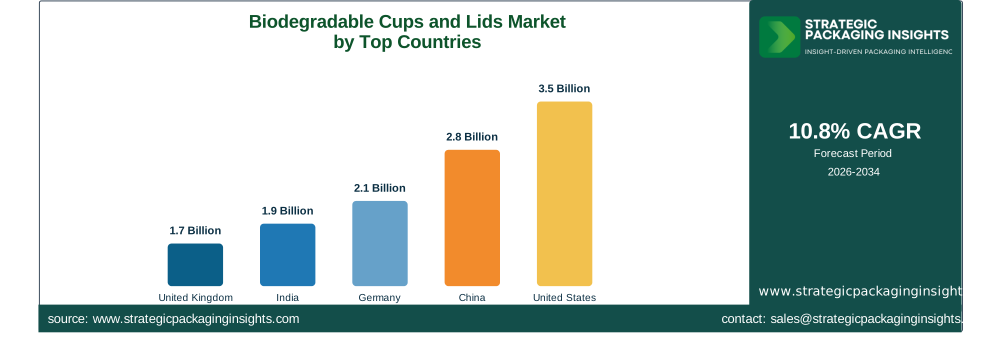
China is another significant market, with a market size of $2.8 billion and a CAGR of 12%. The country's rapid urbanization and growing middle class are driving the demand for convenient and sustainable packaging solutions. Government initiatives to reduce plastic waste and promote green consumption are further boosting the market for biodegradable cups and lids.
Germany, with a market size of $2.1 billion and a CAGR of 8%, is a key player in the European market. The country's strong environmental policies and consumer awareness about sustainability are driving the demand for biodegradable packaging. The presence of major foodservice companies and the growing trend of on-the-go consumption are also contributing to market growth.
India, with a market size of $1.9 billion and a CAGR of 15%, is experiencing rapid growth in the biodegradable cups and lids market. The country's expanding foodservice industry and increasing consumer awareness about environmental issues are driving demand. Government initiatives to promote sustainable practices and reduce plastic waste are also supporting market growth.
The United Kingdom, with a market size of $1.7 billion and a CAGR of 7%, is a significant market in Europe. The country's strong focus on sustainability and the presence of major foodservice chains are driving the demand for biodegradable cups and lids. Consumer preference for eco-friendly products and government regulations against single-use plastics are also contributing to market growth.
Biodegradable Cups and Lids Market Segments Insights

Product Type Analysis
The Biodegradable Cups and Lids market is segmented by product type into cups, lids, and cup-lid sets. The cups segment holds the largest market share due to the high demand from the foodservice industry. As consumers increasingly opt for takeaway and delivery services, the need for disposable cups is rising. Biodegradable cups are gaining popularity as they offer an eco-friendly alternative to traditional plastic cups. The lids segment is also experiencing growth, driven by the demand for secure and sustainable packaging solutions for beverages. Cup-lid sets are becoming popular among foodservice providers looking for convenient and environmentally friendly packaging options.

In terms of trends, there is a growing preference for customizable and branded biodegradable cups and lids. Companies are offering personalized packaging solutions to enhance brand visibility and appeal to environmentally conscious consumers. The competition in this segment is intense, with key players focusing on product innovation and expanding their product lines to meet the diverse needs of customers. The demand for biodegradable cups and lids is expected to continue growing as more businesses and consumers prioritize sustainability.
Material Type Analysis
The market is segmented by material type into PLA, bagasse, paperboard, and PHA. PLA (polylactic acid) is the most widely used material due to its biodegradability and versatility. It is derived from renewable resources and offers excellent performance in terms of durability and heat resistance. Bagasse, a byproduct of sugarcane processing, is gaining popularity as an eco-friendly material for cups and lids. It is compostable and offers a sustainable alternative to plastic.
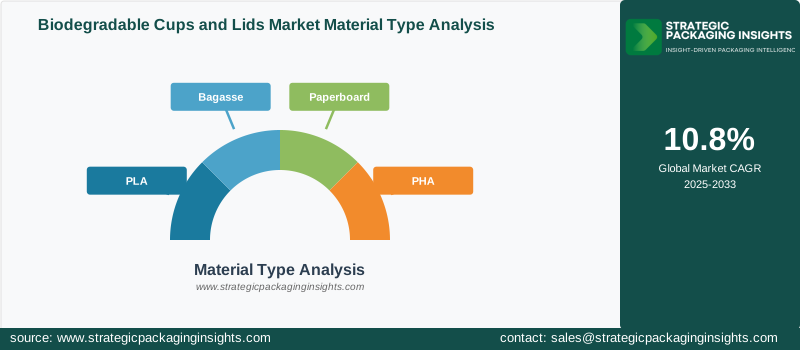
Paperboard is another popular material, known for its recyclability and biodegradability. It is widely used in the production of cups and lids for hot beverages. PHA (polyhydroxyalkanoates) is an emerging material in the market, offering excellent biodegradability and performance. It is derived from microbial fermentation and is gaining traction as a sustainable alternative to traditional plastics. The competition in this segment is driven by the need for innovative and cost-effective materials that meet the growing demand for biodegradable packaging solutions.
Application Analysis
The Biodegradable Cups and Lids market is segmented by application into hot beverages, cold beverages, and foodservice. The hot beverages segment holds a significant market share due to the high demand for coffee and tea. As consumers increasingly seek sustainable options for their daily caffeine fix, the demand for biodegradable cups and lids is rising. The cold beverages segment is also experiencing growth, driven by the popularity of iced drinks and smoothies.
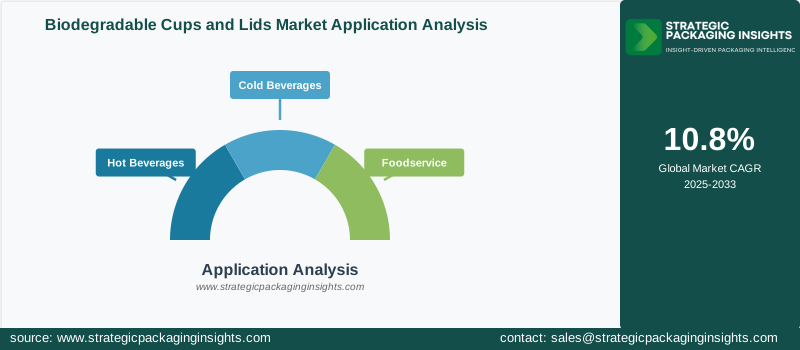
The foodservice segment is a major driver of the market, with restaurants, cafés, and fast-food outlets seeking eco-friendly packaging solutions. The trend of on-the-go consumption and the increasing number of foodservice establishments are boosting the demand for biodegradable cups and lids. Companies are focusing on offering innovative and sustainable packaging solutions to cater to the diverse needs of the foodservice industry.
End Use Analysis
The market is segmented by end use into QSR (quick-service restaurants), cafés, foodservice, and retail. The QSR segment holds the largest market share due to the high demand for disposable cups and lids. As these establishments seek to enhance their brand image by adopting sustainable practices, the demand for biodegradable packaging is expected to rise. The cafés segment is also experiencing growth, driven by the increasing consumer preference for eco-friendly products.

The foodservice segment is a major driver of the market, with restaurants and catering services seeking sustainable packaging solutions. The retail segment is also contributing to market growth, with supermarkets and convenience stores offering biodegradable cups and lids as part of their eco-friendly product offerings. The competition in this segment is intense, with key players focusing on product innovation and expanding their distribution networks to capture a larger market share.
Biodegradable Cups and Lids Market Segments
The Biodegradable Cups and Lids market has been segmented on the basis ofProduct Type
- Cups
- Lids
- Cup-Lid Sets
Material Type
- PLA
- Bagasse
- Paperboard
- PHA
Application
- Hot Beverages
- Cold Beverages
- Foodservice
End Use
- QSR
- Cafés
- Foodservice
- Retail
Region
- Asia Pacific
- North America
- Latin America
- Europe
- Middle East & Africa




