


Bio-sensor Spoilage Labels Market Outlook
The Bio-sensor Spoilage Labels market was valued at $214.50 million in 2025 and is projected to reach $328.69 million by 2034, growing at a CAGR of 4.9% during the forecast period 2026-2034. This market is witnessing significant growth due to the increasing demand for food safety and quality assurance across the globe. The rising awareness among consumers regarding food spoilage and the subsequent health risks is driving the adoption of bio-sensor spoilage labels. These labels provide real-time information about the freshness and safety of food products, thereby reducing food waste and enhancing consumer trust. The market is also benefiting from technological advancements in sensor technologies, which are making these labels more accurate and cost-effective.
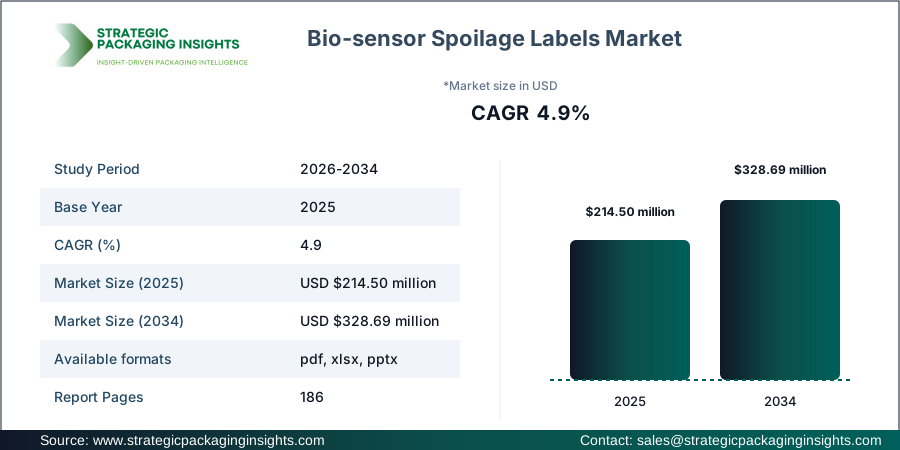
However, the market faces certain challenges that could hinder its growth. The high cost of bio-sensor spoilage labels compared to traditional labeling methods is a significant restraint. Additionally, the lack of standardization and regulatory frameworks for these labels poses a challenge for market players. Despite these challenges, the market holds immense potential for growth, driven by the increasing demand for smart packaging solutions and the growing trend of sustainable packaging. The integration of IoT and AI technologies in bio-sensor spoilage labels is expected to create new opportunities for market players, enabling them to offer more advanced and intelligent solutions to their customers.
Report Scope
| Attributes | Details |
| Report Title | Bio-sensor Spoilage Labels Market Size, Future Growth and Forecast 2034 |
| Sensor Type | Freshness Indicators, Gas Sensors, Microbial Indicators |
| Technology | Colorimetric, Printed Electronics, Enzymatic Sensors |
| Application | Meat, Seafood, Dairy, Ready Meals |
| End Use | Food Processors, Retailers, Cold Chain Operators |
| Region | Asia Pacific, North America, Latin America, Europe, Middle East & Africa |
| Base Year | 2025 |
| Historic Period | 2018-2024 |
| Forecast Period | 2026-2034 |
| Number of Pages | 186 |
| Customization Available | Yes* |
Opportunities & Threats
The Bio-sensor Spoilage Labels market presents numerous opportunities for growth, primarily driven by the increasing demand for smart packaging solutions. As consumers become more health-conscious and aware of food safety issues, there is a growing need for packaging solutions that can provide real-time information about the freshness and safety of food products. Bio-sensor spoilage labels offer a viable solution to this demand, as they can detect changes in the environment and provide accurate information about the condition of the food. This has led to increased adoption of these labels in the food and beverage industry, creating significant growth opportunities for market players.
Another opportunity lies in the integration of advanced technologies such as IoT and AI in bio-sensor spoilage labels. These technologies can enhance the functionality of the labels, enabling them to provide more accurate and real-time data. This can help food manufacturers and retailers to better manage their inventory and reduce food waste, thereby improving their operational efficiency. Moreover, the growing trend of sustainable packaging is also expected to drive the demand for bio-sensor spoilage labels, as they can help reduce food waste and promote environmental sustainability.
Despite the numerous opportunities, the Bio-sensor Spoilage Labels market also faces certain threats that could hinder its growth. One of the major threats is the high cost of bio-sensor spoilage labels compared to traditional labeling methods. This can be a significant barrier for small and medium-sized enterprises, which may not have the financial resources to invest in these advanced labeling solutions. Additionally, the lack of standardization and regulatory frameworks for bio-sensor spoilage labels poses a challenge for market players, as it can lead to inconsistencies in product quality and performance.
Drivers & Challenges
The primary driver of the Bio-sensor Spoilage Labels market is the increasing demand for food safety and quality assurance. Consumers are becoming more aware of the health risks associated with food spoilage, leading to a growing demand for packaging solutions that can provide real-time information about the freshness and safety of food products. Bio-sensor spoilage labels offer a viable solution to this demand, as they can detect changes in the environment and provide accurate information about the condition of the food. This has led to increased adoption of these labels in the food and beverage industry, driving the growth of the market.
Technological advancements in sensor technologies are also driving the growth of the Bio-sensor Spoilage Labels market. These advancements have made bio-sensor spoilage labels more accurate and cost-effective, making them a more attractive option for food manufacturers and retailers. The integration of IoT and AI technologies in bio-sensor spoilage labels is expected to further enhance their functionality, enabling them to provide more accurate and real-time data. This can help food manufacturers and retailers to better manage their inventory and reduce food waste, thereby improving their operational efficiency.
However, the Bio-sensor Spoilage Labels market also faces certain challenges that could hinder its growth. One of the major challenges is the high cost of bio-sensor spoilage labels compared to traditional labeling methods. This can be a significant barrier for small and medium-sized enterprises, which may not have the financial resources to invest in these advanced labeling solutions. Additionally, the lack of standardization and regulatory frameworks for bio-sensor spoilage labels poses a challenge for market players, as it can lead to inconsistencies in product quality and performance.
Market Share Analysis
The Bio-sensor Spoilage Labels market is characterized by a competitive landscape with several key players vying for market share. Companies such as Insignia Technologies, Timestrip, Freshpoint, Evigence Sensors, CCL Industries, Avery Dennison, SATO Holdings, Thin Film Electronics, TempTime, and Sealed Air are some of the prominent players in this market. These companies are focusing on product innovation and strategic partnerships to strengthen their market position and expand their product offerings.
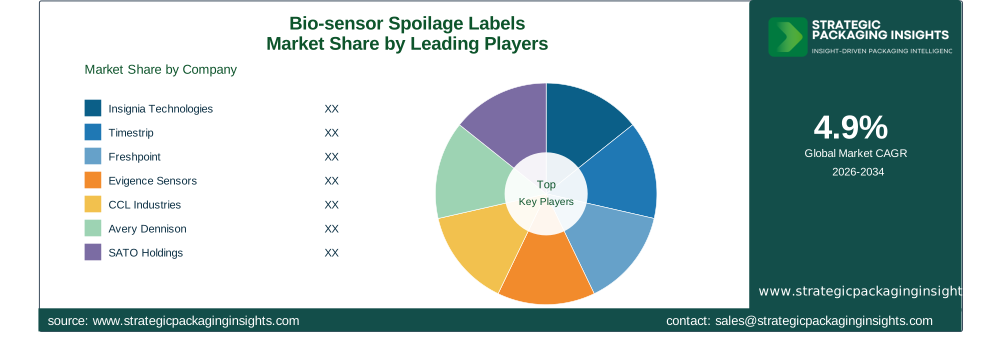
Insignia Technologies is a leading player in the Bio-sensor Spoilage Labels market, known for its innovative solutions that help reduce food waste and enhance food safety. The company has a strong presence in the market and is continuously investing in research and development to enhance its product portfolio. Timestrip is another key player, offering a range of time and temperature indicators that provide accurate information about the freshness and safety of food products.
Freshpoint and Evigence Sensors are also prominent players in the market, known for their advanced sensor technologies that provide real-time data about the condition of food products. These companies are focusing on expanding their product offerings and entering new markets to increase their market share. CCL Industries and Avery Dennison are well-established players in the packaging industry, offering a range of labeling solutions, including bio-sensor spoilage labels.
SATO Holdings, Thin Film Electronics, TempTime, and Sealed Air are also key players in the Bio-sensor Spoilage Labels market, known for their innovative solutions and strong market presence. These companies are focusing on strategic partnerships and collaborations to enhance their product offerings and expand their market reach. Overall, the competitive landscape of the Bio-sensor Spoilage Labels market is characterized by intense competition, with companies focusing on product innovation and strategic partnerships to gain a competitive edge.
Key Highlights
- The Bio-sensor Spoilage Labels market is projected to grow at a CAGR of 4.9% from 2026 to 2034.
- Increasing demand for food safety and quality assurance is driving the growth of the market.
- Technological advancements in sensor technologies are making bio-sensor spoilage labels more accurate and cost-effective.
- The integration of IoT and AI technologies in bio-sensor spoilage labels is expected to create new opportunities for market players.
- The high cost of bio-sensor spoilage labels compared to traditional labeling methods is a significant restraint.
- Lack of standardization and regulatory frameworks poses a challenge for market players.
- Key players in the market include Insignia Technologies, Timestrip, Freshpoint, Evigence Sensors, CCL Industries, Avery Dennison, SATO Holdings, Thin Film Electronics, TempTime, and Sealed Air.
Top Countries Insights
In the Bio-sensor Spoilage Labels market, the United States is a leading country, with a market size of approximately $65 million and a CAGR of 5%. The country's strong focus on food safety regulations and the presence of major food manufacturers drive the demand for bio-sensor spoilage labels. The adoption of advanced technologies and the growing trend of sustainable packaging further contribute to market growth.
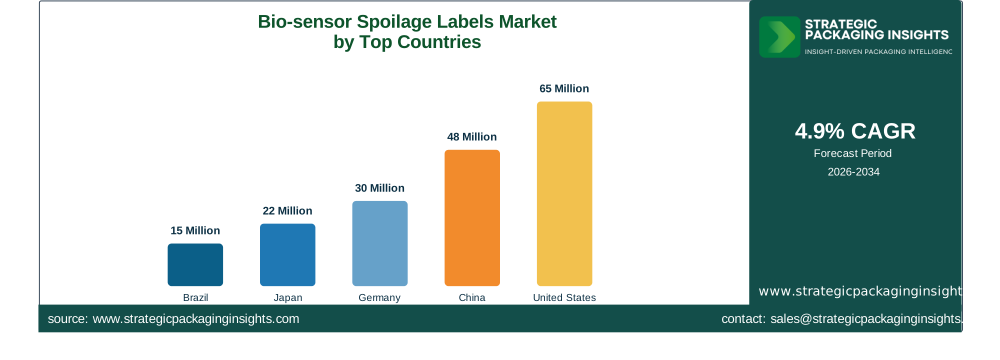
China is another significant market for bio-sensor spoilage labels, with a market size of around $48 million and a CAGR of 6%. The country's large population and increasing demand for packaged food products drive the need for advanced packaging solutions. Government initiatives to improve food safety standards and reduce food waste also support market growth.
Germany, with a market size of approximately $30 million and a CAGR of 4%, is a key player in the European market. The country's strong focus on sustainability and environmental protection drives the demand for bio-sensor spoilage labels. The presence of major food manufacturers and retailers further supports market growth.
Japan, with a market size of around $22 million and a CAGR of 3%, is a significant market in the Asia Pacific region. The country's advanced technology infrastructure and focus on innovation drive the adoption of bio-sensor spoilage labels. The growing trend of smart packaging solutions also contributes to market growth.
Brazil, with a market size of approximately $15 million and a CAGR of 2%, is a key market in Latin America. The country's increasing demand for packaged food products and focus on improving food safety standards drive the adoption of bio-sensor spoilage labels. The growing trend of sustainable packaging further supports market growth.
Bio-sensor Spoilage Labels Market Segments Insights

Sensor Type Analysis
The sensor type segment of the Bio-sensor Spoilage Labels market is categorized into freshness indicators, gas sensors, and microbial indicators. Freshness indicators are gaining significant traction due to their ability to provide real-time information about the freshness of food products. These indicators change color based on the condition of the food, making it easy for consumers to determine the freshness of the product. Gas sensors, on the other hand, are used to detect changes in the environment, such as the presence of gases that indicate spoilage. These sensors are widely used in the meat and seafood industries, where the risk of spoilage is high. Microbial indicators are also gaining popularity, as they can detect the presence of harmful microorganisms in food products, ensuring food safety and quality.
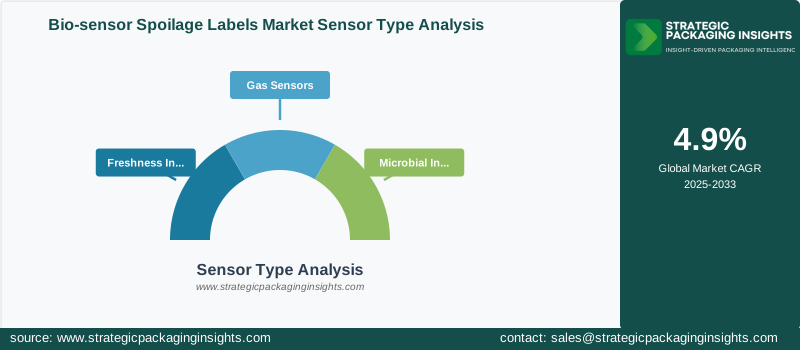
The demand for freshness indicators is driven by the increasing consumer awareness about food safety and the growing trend of smart packaging solutions. Gas sensors are witnessing significant growth due to their ability to provide accurate and real-time data about the condition of food products. The integration of advanced technologies such as IoT and AI in gas sensors is expected to further enhance their functionality, creating new opportunities for market players. Microbial indicators are also expected to witness significant growth, driven by the increasing demand for food safety and quality assurance.
Technology Analysis
The technology segment of the Bio-sensor Spoilage Labels market is divided into colorimetric, printed electronics, and enzymatic sensors. Colorimetric sensors are widely used in the market due to their simplicity and cost-effectiveness. These sensors change color based on the condition of the food, providing an easy-to-read indication of freshness. Printed electronics are gaining popularity due to their ability to provide real-time data and their compatibility with IoT technologies. These sensors are used in a variety of applications, including meat, seafood, and dairy products. Enzymatic sensors are also gaining traction, as they can detect specific enzymes that indicate spoilage, ensuring food safety and quality.
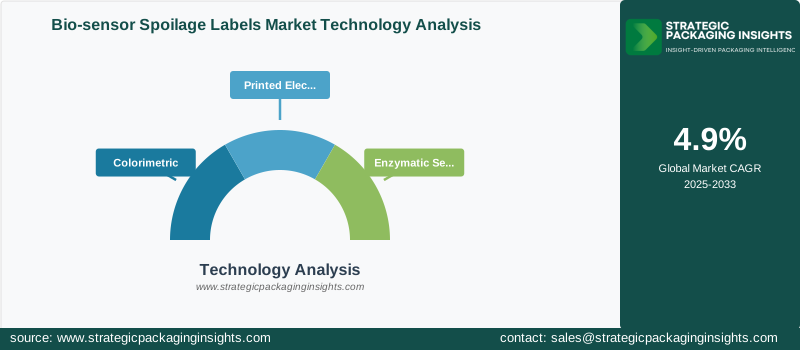
The demand for colorimetric sensors is driven by their cost-effectiveness and ease of use. Printed electronics are witnessing significant growth due to their ability to provide real-time data and their compatibility with advanced technologies. The integration of IoT and AI technologies in printed electronics is expected to create new opportunities for market players, enabling them to offer more advanced and intelligent solutions. Enzymatic sensors are also expected to witness significant growth, driven by the increasing demand for food safety and quality assurance.
Application Analysis
The application segment of the Bio-sensor Spoilage Labels market includes meat, seafood, dairy, and ready meals. The meat industry is a major consumer of bio-sensor spoilage labels, as the risk of spoilage is high in this industry. These labels provide real-time information about the freshness and safety of meat products, reducing food waste and enhancing consumer trust. The seafood industry is also a significant consumer of bio-sensor spoilage labels, as these labels can detect changes in the environment that indicate spoilage. The dairy industry is witnessing significant growth in the adoption of bio-sensor spoilage labels, driven by the increasing demand for food safety and quality assurance.
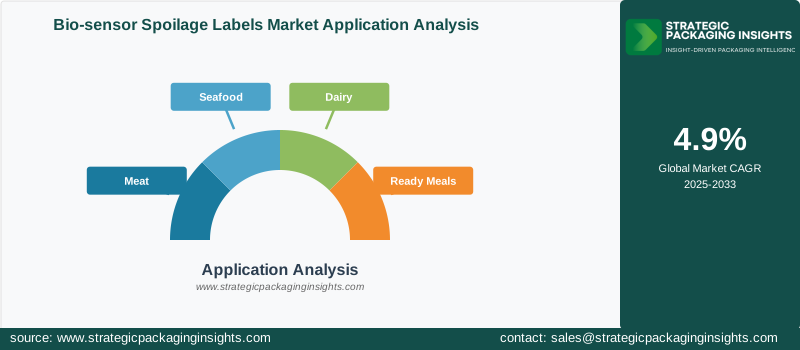
The demand for bio-sensor spoilage labels in the meat industry is driven by the increasing consumer awareness about food safety and the growing trend of smart packaging solutions. The seafood industry is witnessing significant growth due to the high risk of spoilage and the need for accurate and real-time data about the condition of seafood products. The dairy industry is also expected to witness significant growth, driven by the increasing demand for food safety and quality assurance. The ready meals segment is also gaining traction, as these labels can provide real-time information about the freshness and safety of ready meals, ensuring consumer trust and satisfaction.
End Use Analysis
The end use segment of the Bio-sensor Spoilage Labels market includes food processors, retailers, and cold chain operators. Food processors are major consumers of bio-sensor spoilage labels, as these labels can help them ensure the safety and quality of their products. Retailers are also significant consumers of bio-sensor spoilage labels, as these labels can provide real-time information about the freshness and safety of food products, enhancing consumer trust and satisfaction. Cold chain operators are also adopting bio-sensor spoilage labels, as these labels can help them monitor the condition of food products during transportation and storage, reducing food waste and ensuring food safety.
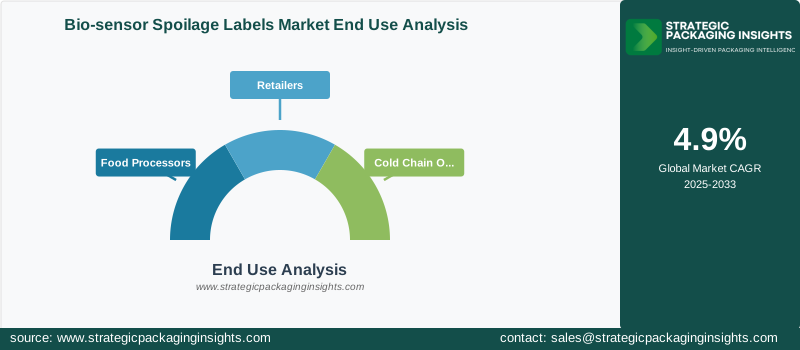
The demand for bio-sensor spoilage labels among food processors is driven by the increasing demand for food safety and quality assurance. Retailers are witnessing significant growth in the adoption of bio-sensor spoilage labels, driven by the growing trend of smart packaging solutions and the increasing consumer awareness about food safety. Cold chain operators are also expected to witness significant growth, driven by the need for accurate and real-time data about the condition of food products during transportation and storage. The integration of advanced technologies such as IoT and AI in bio-sensor spoilage labels is expected to create new opportunities for market players, enabling them to offer more advanced and intelligent solutions to their customers.
Bio-sensor Spoilage Labels Market Segments
The Bio-sensor Spoilage Labels market has been segmented on the basis ofSensor Type
- Freshness Indicators
- Gas Sensors
- Microbial Indicators
Technology
- Colorimetric
- Printed Electronics
- Enzymatic Sensors
Application
- Meat
- Seafood
- Dairy
- Ready Meals
End Use
- Food Processors
- Retailers
- Cold Chain Operators
Region
- Asia Pacific
- North America
- Latin America
- Europe
- Middle East & Africa




