


Bio-Foam Insert Market Outlook
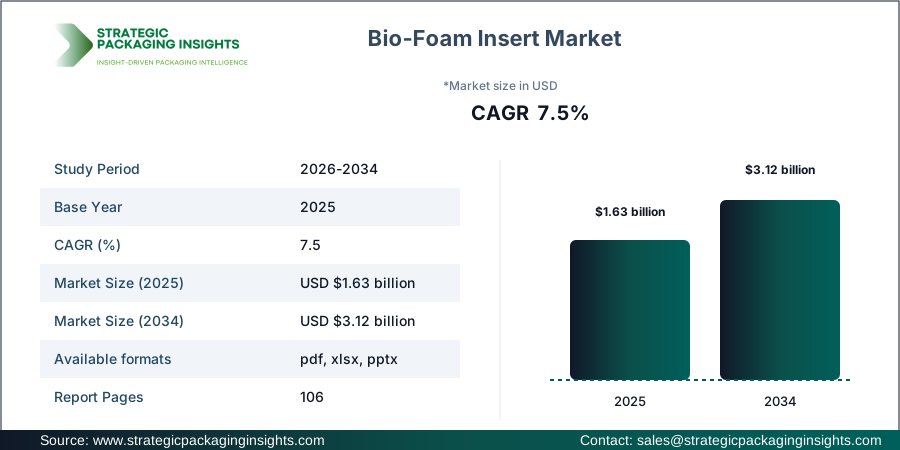
The Bio-Foam Insert market was valued at $1.63 billion in 2025 and is projected to reach $3.12 billion by 2034, growing at a CAGR of 7.5% during the forecast period 2026-2034. This market is witnessing significant growth due to the increasing demand for sustainable and eco-friendly packaging solutions. As consumers and industries become more environmentally conscious, the shift towards biodegradable and compostable materials is driving the adoption of bio-foam inserts. These inserts are gaining traction across various sectors, including electronics, food, and cosmetics, due to their ability to provide effective cushioning and protection while minimizing environmental impact. The market's expansion is further supported by advancements in material science, which are enhancing the performance and cost-effectiveness of bio-foam products.
Despite the promising growth trajectory, the Bio-Foam Insert market faces certain challenges that could impede its progress. Regulatory constraints and the high cost of raw materials are notable barriers. However, the potential for growth remains substantial, driven by increasing investments in research and development aimed at improving the properties and reducing the costs of bio-foam materials. Additionally, the growing e-commerce sector presents lucrative opportunities for bio-foam inserts, as online retailers seek sustainable packaging solutions to meet consumer expectations and regulatory requirements. The market's potential is further bolstered by the increasing awareness and adoption of circular economy principles, which emphasize the reduction of waste and the promotion of recycling and reuse.
Report Scope
| Attributes | Details |
| Report Title | Bio-Foam Insert Market Size, Future Growth and Forecast 2034 |
| By Product Type | Molded Bio-Foam Inserts, Starch Foam Inserts, Mycelium Inserts |
| By Material Type | Starch, PLA Foam, Mycelium, Molded Fiber |
| By Application | Electronics, Food, Cosmetics, Fragile Goods |
| By End Use | E-commerce, Retail, Electronics, FMCG |
| Region | Asia Pacific, North America, Latin America, Europe, Middle East & Africa |
| Base Year | 2025 |
| Historic Period | 2018-2024 |
| Forecast Period | 2026-2034 |
| Number of Pages | 106 |
| Customization Available | Yes* |
Opportunities & Threats
The Bio-Foam Insert market presents numerous opportunities, particularly in the realm of sustainable packaging. As global awareness of environmental issues continues to rise, there is a growing demand for packaging solutions that are not only effective but also environmentally friendly. Bio-foam inserts, being biodegradable and compostable, are well-positioned to capitalize on this trend. The increasing adoption of bio-foam inserts in sectors such as electronics, food, and cosmetics is a testament to their versatility and effectiveness. Furthermore, advancements in material science are opening up new possibilities for bio-foam inserts, enhancing their performance and expanding their applications. This is particularly evident in the development of new materials and manufacturing processes that improve the durability and cost-effectiveness of bio-foam products.
Another significant opportunity lies in the expanding e-commerce sector. As online shopping continues to grow, so does the demand for effective and sustainable packaging solutions. Bio-foam inserts offer an ideal solution, providing the necessary protection for goods during transit while minimizing environmental impact. This is particularly important as consumers become more environmentally conscious and demand sustainable practices from the companies they purchase from. Additionally, the increasing focus on circular economy principles presents further opportunities for bio-foam inserts, as companies seek to reduce waste and promote recycling and reuse.
However, the Bio-Foam Insert market is not without its threats. One of the primary challenges is the high cost of raw materials, which can make bio-foam products more expensive than traditional packaging solutions. This can be a significant barrier to adoption, particularly for cost-sensitive industries. Additionally, regulatory constraints can pose challenges, as companies must navigate complex and often stringent regulations regarding the use of biodegradable and compostable materials. Despite these challenges, the potential for growth in the Bio-Foam Insert market remains substantial, driven by increasing consumer demand for sustainable packaging solutions and ongoing advancements in material science.
Drivers & Challenges
The Bio-Foam Insert market is driven by several key factors, chief among them being the increasing demand for sustainable packaging solutions. As consumers and industries become more environmentally conscious, there is a growing shift towards biodegradable and compostable materials. Bio-foam inserts, with their eco-friendly properties, are well-positioned to meet this demand. Additionally, advancements in material science are enhancing the performance and cost-effectiveness of bio-foam products, further driving their adoption across various sectors. The electronics, food, and cosmetics industries, in particular, are increasingly turning to bio-foam inserts for their packaging needs, recognizing the benefits they offer in terms of protection and sustainability.
Another significant driver of the Bio-Foam Insert market is the expanding e-commerce sector. As online shopping continues to grow, so does the demand for effective and sustainable packaging solutions. Bio-foam inserts offer an ideal solution, providing the necessary protection for goods during transit while minimizing environmental impact. This is particularly important as consumers become more environmentally conscious and demand sustainable practices from the companies they purchase from. Additionally, the increasing focus on circular economy principles presents further opportunities for bio-foam inserts, as companies seek to reduce waste and promote recycling and reuse.
Despite these drivers, the Bio-Foam Insert market faces several challenges that could impede its growth. One of the primary challenges is the high cost of raw materials, which can make bio-foam products more expensive than traditional packaging solutions. This can be a significant barrier to adoption, particularly for cost-sensitive industries. Additionally, regulatory constraints can pose challenges, as companies must navigate complex and often stringent regulations regarding the use of biodegradable and compostable materials. Despite these challenges, the potential for growth in the Bio-Foam Insert market remains substantial, driven by increasing consumer demand for sustainable packaging solutions and ongoing advancements in material science.
Market Share Analysis
The competitive landscape of the Bio-Foam Insert market is characterized by the presence of several key players who are driving innovation and growth in the industry. Companies such as Ecovative, Cruz Foam, and TemperPack are at the forefront of developing new and improved bio-foam products, leveraging advancements in material science to enhance the performance and cost-effectiveness of their offerings. These companies are also actively engaged in research and development efforts aimed at expanding the applications of bio-foam inserts and meeting the evolving needs of consumers and industries.
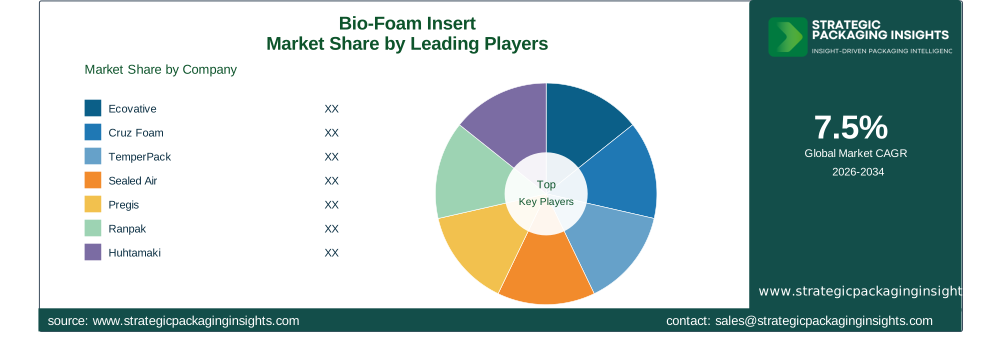
Ecovative, for instance, is a leader in the development of mycelium-based bio-foam products, which are gaining traction due to their unique properties and environmental benefits. The company is focused on expanding its product portfolio and increasing its market share by targeting new applications and industries. Similarly, Cruz Foam is making significant strides in the development of bio-foam products made from chitin, a natural polymer derived from seafood waste. This innovative approach not only provides an effective packaging solution but also addresses the issue of waste management.
TemperPack, another key player in the market, is known for its innovative approach to sustainable packaging solutions. The company has developed a range of bio-foam products that are designed to provide effective protection for goods during transit while minimizing environmental impact. TemperPack's commitment to sustainability and innovation has helped it establish a strong presence in the market and gain a competitive edge over its rivals. Other notable companies in the market include Sealed Air, Pregis, Ranpak, Huhtamaki, UFP Technologies, DS Smith, and Stora Enso, all of which are actively engaged in the development and commercialization of bio-foam products.
Sealed Air, for example, is a global leader in packaging solutions and has been actively investing in the development of sustainable packaging materials, including bio-foam inserts. The company's focus on innovation and sustainability has helped it maintain a strong position in the market and expand its customer base. Similarly, Pregis is known for its commitment to sustainability and has been actively developing new bio-foam products to meet the growing demand for eco-friendly packaging solutions. Ranpak, Huhtamaki, UFP Technologies, DS Smith, and Stora Enso are also key players in the market, each with their own unique strengths and strategies for growth.
Key Highlights
- The Bio-Foam Insert market is projected to grow from $1.63 billion in 2025 to $3.12 billion by 2034, at a CAGR of 7.5%.
- Increasing demand for sustainable and eco-friendly packaging solutions is a major driver of market growth.
- Advancements in material science are enhancing the performance and cost-effectiveness of bio-foam products.
- The expanding e-commerce sector presents significant opportunities for bio-foam inserts.
- Regulatory constraints and high raw material costs are notable challenges for the market.
- Key players in the market include Ecovative, Cruz Foam, TemperPack, Sealed Air, and Pregis.
- Bio-foam inserts are gaining traction in sectors such as electronics, food, and cosmetics.
- The market is characterized by a strong focus on innovation and sustainability.
- Increasing adoption of circular economy principles is driving demand for bio-foam inserts.
Top Countries Insights
In the Bio-Foam Insert market, the United States stands out as a key player, with a market size of approximately $500 million and a CAGR of 8%. The country's strong focus on sustainability and innovation, coupled with a robust e-commerce sector, drives demand for bio-foam inserts. Government policies promoting eco-friendly packaging solutions further bolster market growth. However, challenges such as regulatory constraints and high raw material costs persist.
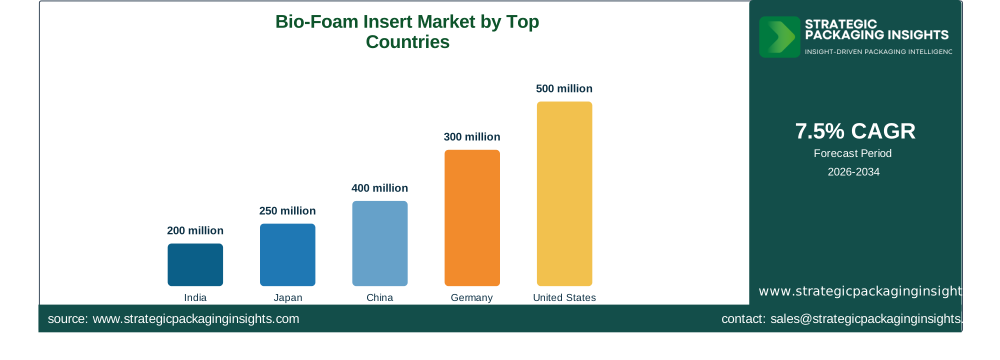
Germany is another significant market, with a size of around $300 million and a CAGR of 7%. The country's emphasis on environmental sustainability and circular economy principles fuels demand for bio-foam inserts. Innovations in material science and a strong manufacturing sector contribute to market growth. However, stringent regulations and competition from traditional packaging solutions pose challenges.
China, with a market size of $400 million and a CAGR of 9%, is a rapidly growing market for bio-foam inserts. The country's expanding e-commerce sector and increasing consumer awareness of environmental issues drive demand. Government initiatives promoting sustainable practices further support market growth. However, challenges such as high raw material costs and regulatory hurdles remain.
In Japan, the bio-foam insert market is valued at $250 million, with a CAGR of 6%. The country's focus on innovation and sustainability, along with a strong electronics sector, drives demand for bio-foam inserts. Government policies promoting eco-friendly packaging solutions further support market growth. However, challenges such as high production costs and competition from traditional packaging solutions persist.
India, with a market size of $200 million and a CAGR of 10%, is an emerging market for bio-foam inserts. The country's growing e-commerce sector and increasing consumer awareness of environmental issues drive demand. Government initiatives promoting sustainable practices further support market growth. However, challenges such as high raw material costs and regulatory hurdles remain.
Bio-Foam Insert Market Segments Insights

Product Type Analysis
The Bio-Foam Insert market is segmented by product type into molded bio-foam inserts, starch foam inserts, and mycelium inserts. Molded bio-foam inserts are gaining popularity due to their versatility and ability to provide effective cushioning for a wide range of products. These inserts are particularly favored in the electronics and fragile goods sectors, where protection during transit is crucial. Starch foam inserts, on the other hand, are valued for their biodegradability and cost-effectiveness, making them an attractive option for companies looking to reduce their environmental footprint. Mycelium inserts, derived from fungal roots, are gaining traction due to their unique properties and environmental benefits, offering a sustainable alternative to traditional packaging materials.
The demand for these product types is driven by the increasing focus on sustainability and the need for effective packaging solutions across various industries. Companies are increasingly adopting bio-foam inserts to meet consumer expectations for eco-friendly products and to comply with regulatory requirements. The electronics, food, and cosmetics industries, in particular, are key adopters of bio-foam inserts, recognizing the benefits they offer in terms of protection and sustainability. As the market continues to evolve, advancements in material science and manufacturing processes are expected to further enhance the performance and cost-effectiveness of bio-foam products, driving their adoption across a wider range of applications.
Material Type Analysis
The Bio-Foam Insert market is also segmented by material type, including starch, PLA foam, mycelium, and molded fiber. Starch-based bio-foam inserts are popular due to their biodegradability and cost-effectiveness, making them an attractive option for companies looking to reduce their environmental footprint. PLA foam, derived from renewable resources, offers excellent cushioning properties and is gaining traction in the electronics and fragile goods sectors. Mycelium, a natural material derived from fungal roots, is gaining popularity due to its unique properties and environmental benefits, offering a sustainable alternative to traditional packaging materials.
Molded fiber, another key material type, is valued for its strength and versatility, making it suitable for a wide range of applications. The demand for these material types is driven by the increasing focus on sustainability and the need for effective packaging solutions across various industries. Companies are increasingly adopting bio-foam inserts to meet consumer expectations for eco-friendly products and to comply with regulatory requirements. As the market continues to evolve, advancements in material science and manufacturing processes are expected to further enhance the performance and cost-effectiveness of bio-foam products, driving their adoption across a wider range of applications.
Application Analysis
The Bio-Foam Insert market is segmented by application into electronics, food, cosmetics, and fragile goods. The electronics sector is a major adopter of bio-foam inserts, recognizing the benefits they offer in terms of protection and sustainability. Bio-foam inserts provide effective cushioning for electronic products during transit, minimizing the risk of damage and reducing environmental impact. The food industry is also a key adopter of bio-foam inserts, using them to protect perishable goods during transportation and storage. In the cosmetics sector, bio-foam inserts are used to protect fragile products and enhance the overall presentation of packaging.
The demand for bio-foam inserts in these applications is driven by the increasing focus on sustainability and the need for effective packaging solutions. Companies are increasingly adopting bio-foam inserts to meet consumer expectations for eco-friendly products and to comply with regulatory requirements. As the market continues to evolve, advancements in material science and manufacturing processes are expected to further enhance the performance and cost-effectiveness of bio-foam products, driving their adoption across a wider range of applications. The growing e-commerce sector also presents significant opportunities for bio-foam inserts, as online retailers seek sustainable packaging solutions to meet consumer expectations and regulatory requirements.
End Use Analysis
The Bio-Foam Insert market is segmented by end use into e-commerce, retail, electronics, and FMCG. The e-commerce sector is a major adopter of bio-foam inserts, recognizing the benefits they offer in terms of protection and sustainability. Bio-foam inserts provide effective cushioning for goods during transit, minimizing the risk of damage and reducing environmental impact. The retail sector is also a key adopter of bio-foam inserts, using them to enhance the overall presentation of packaging and meet consumer expectations for eco-friendly products.
The demand for bio-foam inserts in these end-use sectors is driven by the increasing focus on sustainability and the need for effective packaging solutions. Companies are increasingly adopting bio-foam inserts to meet consumer expectations for eco-friendly products and to comply with regulatory requirements. As the market continues to evolve, advancements in material science and manufacturing processes are expected to further enhance the performance and cost-effectiveness of bio-foam products, driving their adoption across a wider range of applications. The growing e-commerce sector also presents significant opportunities for bio-foam inserts, as online retailers seek sustainable packaging solutions to meet consumer expectations and regulatory requirements.
Bio-Foam Insert Market Segments
The Bio-Foam Insert market has been segmented on the basis ofBy Product Type
- Molded Bio-Foam Inserts
- Starch Foam Inserts
- Mycelium Inserts
By Material Type
- Starch
- PLA Foam
- Mycelium
- Molded Fiber
By Application
- Electronics
- Food
- Cosmetics
- Fragile Goods
By End Use
- E-commerce
- Retail
- Electronics
- FMCG
Region
- Asia Pacific
- North America
- Latin America
- Europe
- Middle East & Africa




