


Binder's Board Market Outlook
The Binder's Board market was valued at $3.24 billion in 2025 and is projected to reach $4.78 billion by 2034, growing at a CAGR of 4.4% during the forecast period 2026-2034. This market is witnessing a steady growth trajectory driven by the increasing demand for sustainable and durable packaging solutions. Binder's boards are extensively used in the publishing industry for bookbinding, which remains a significant driver due to the consistent demand for printed books. Additionally, the rise in luxury packaging, particularly in the cosmetics and high-end consumer goods sectors, is propelling the demand for high-quality binder's boards. The market is also benefiting from advancements in manufacturing technologies that enhance the durability and aesthetic appeal of binder's boards, making them more attractive to end-users.
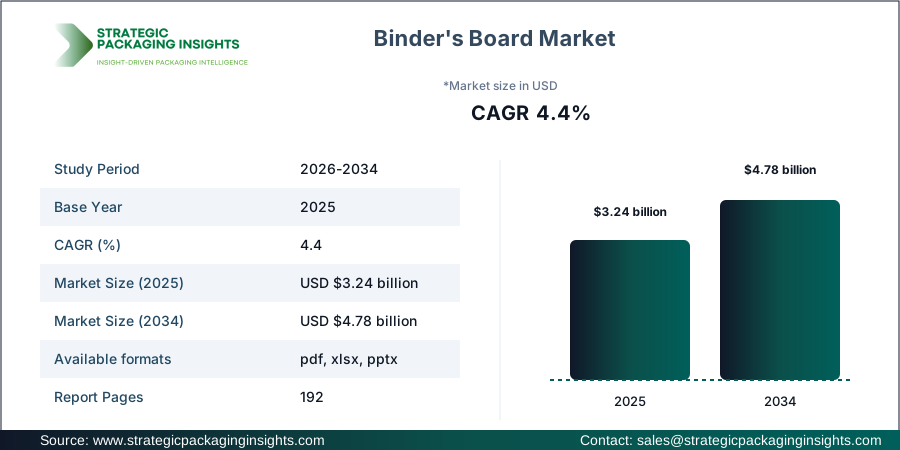
However, the market faces certain restraints, including the volatility in raw material prices and stringent environmental regulations regarding the use of paper-based products. Despite these challenges, the market holds significant growth potential, especially with the increasing trend towards eco-friendly packaging solutions. The development of innovative binder's board products that offer enhanced performance characteristics, such as water resistance and increased strength, is expected to open new avenues for market expansion. Furthermore, the growing e-commerce sector is likely to boost the demand for binder's boards used in packaging applications, providing a positive outlook for the market over the forecast period.
Report Scope
| Attributes | Details |
| Report Title | Binder's Board Market Size, Future Growth and Forecast 2034 |
| By Product Type | Grey Board, Bookbinding Board, Laminated Binder Board |
| By Application | Books, Stationery, Luxury Boxes, Rigid Packaging |
| By Thickness | Thin, Medium, Heavy |
| By End Use | Publishers, Packaging Converters, Stationery, Printing |
| Region | Asia Pacific, North America, Latin America, Europe, Middle East & Africa |
| Base Year | 2025 |
| Historic Period | 2018-2024 |
| Forecast Period | 2026-2034 |
| Number of Pages | 192 |
| Customization Available | Yes* |
Opportunities & Threats
The Binder's Board market presents numerous opportunities, particularly in the realm of sustainable packaging solutions. As consumers and businesses alike become more environmentally conscious, there is a growing demand for eco-friendly packaging materials. Binder's boards, being recyclable and biodegradable, are well-positioned to capitalize on this trend. Additionally, the increasing popularity of luxury packaging in sectors such as cosmetics, electronics, and gourmet foods offers a lucrative opportunity for binder's board manufacturers to expand their product offerings and cater to high-end market segments. The development of innovative binder's board products with enhanced features, such as improved durability and aesthetic appeal, can further drive market growth by attracting new customers and retaining existing ones.
Another significant opportunity lies in the expanding e-commerce industry, which is driving the demand for robust and reliable packaging solutions. Binder's boards are ideal for creating sturdy packaging that can withstand the rigors of shipping and handling, making them a preferred choice for e-commerce businesses. Moreover, the increasing focus on product differentiation and branding is encouraging companies to invest in high-quality packaging materials, further boosting the demand for binder's boards. As companies seek to enhance their brand image and customer experience, the use of premium binder's boards in packaging can provide a competitive edge in the market.
Despite the promising opportunities, the Binder's Board market faces certain threats that could hinder its growth. One of the primary challenges is the fluctuating cost of raw materials, which can impact the profitability of manufacturers. Additionally, the market is subject to stringent environmental regulations that govern the production and disposal of paper-based products. Compliance with these regulations can increase operational costs and pose a barrier to entry for new players. Furthermore, the increasing competition from alternative packaging materials, such as plastics and metals, presents a threat to the market. These materials offer certain advantages, such as lightweight and cost-effectiveness, which can appeal to cost-conscious consumers and businesses.
Drivers & Challenges
The Binder's Board market is primarily driven by the growing demand for sustainable and durable packaging solutions. As environmental concerns continue to rise, businesses and consumers are increasingly seeking eco-friendly alternatives to traditional packaging materials. Binder's boards, being recyclable and biodegradable, are well-suited to meet this demand. Additionally, the increasing popularity of luxury packaging in sectors such as cosmetics, electronics, and gourmet foods is driving the demand for high-quality binder's boards. These boards offer superior durability and aesthetic appeal, making them an ideal choice for premium packaging applications. Furthermore, advancements in manufacturing technologies are enhancing the performance characteristics of binder's boards, further boosting their demand in the market.
Another key driver of the Binder's Board market is the expanding e-commerce industry. With the rise of online shopping, there is a growing need for robust and reliable packaging solutions that can protect products during shipping and handling. Binder's boards are ideal for creating sturdy packaging that can withstand the rigors of transportation, making them a preferred choice for e-commerce businesses. Moreover, the increasing focus on product differentiation and branding is encouraging companies to invest in high-quality packaging materials, further boosting the demand for binder's boards. As companies seek to enhance their brand image and customer experience, the use of premium binder's boards in packaging can provide a competitive edge in the market.
Despite the positive drivers, the Binder's Board market faces several challenges that could impede its growth. One of the primary challenges is the fluctuating cost of raw materials, which can impact the profitability of manufacturers. Additionally, the market is subject to stringent environmental regulations that govern the production and disposal of paper-based products. Compliance with these regulations can increase operational costs and pose a barrier to entry for new players. Furthermore, the increasing competition from alternative packaging materials, such as plastics and metals, presents a threat to the market. These materials offer certain advantages, such as lightweight and cost-effectiveness, which can appeal to cost-conscious consumers and businesses.
Market Share Analysis
The Binder's Board market is characterized by a competitive landscape with several key players vying for market share. Companies such as Eska, Smurfit Kappa, WestRock, Graphic Packaging International, International Paper, Stora Enso, Mondi, Mayr-Melnhof Karton, Sonoco, and Metsä Board are some of the prominent players in the market. These companies are focusing on strategic initiatives such as mergers and acquisitions, product innovation, and expansion into new markets to strengthen their market position. The competitive rivalry in the market is intense, with companies striving to differentiate their products and offer superior value to customers.
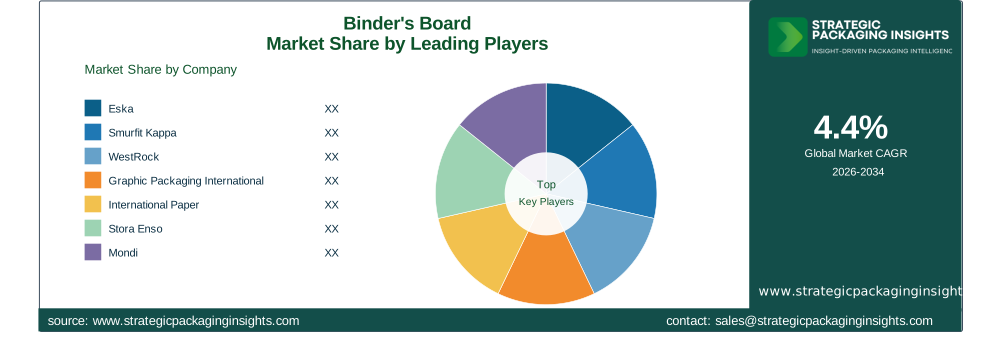
Eska is a leading player in the Binder's Board market, known for its high-quality products and innovative solutions. The company has a strong presence in the European market and is expanding its footprint in other regions through strategic partnerships and collaborations. Smurfit Kappa, another major player, is focusing on sustainability and innovation to drive growth. The company is investing in research and development to develop eco-friendly binder's board products that meet the evolving needs of customers.
WestRock and Graphic Packaging International are also key players in the market, known for their extensive product portfolios and strong distribution networks. These companies are leveraging their expertise in packaging solutions to offer customized binder's board products that cater to specific customer requirements. International Paper and Stora Enso are focusing on expanding their production capacities and enhancing their product offerings to capture a larger share of the market.
Mondi, Mayr-Melnhof Karton, Sonoco, and Metsä Board are other significant players in the Binder's Board market. These companies are adopting strategies such as product diversification and geographic expansion to strengthen their market position. The competitive landscape of the Binder's Board market is dynamic, with companies continuously innovating and adapting to changing market trends to maintain their competitive edge.
Key Highlights
- The Binder's Board market is projected to grow from $3.24 billion in 2025 to $4.78 billion by 2034, at a CAGR of 4.4%.
- Increasing demand for sustainable and eco-friendly packaging solutions is driving market growth.
- The rise in luxury packaging, particularly in the cosmetics and high-end consumer goods sectors, is boosting demand for high-quality binder's boards.
- Advancements in manufacturing technologies are enhancing the durability and aesthetic appeal of binder's boards.
- The expanding e-commerce industry is driving the demand for robust and reliable packaging solutions.
- Fluctuating raw material prices and stringent environmental regulations pose challenges to market growth.
- Key players in the market include Eska, Smurfit Kappa, WestRock, Graphic Packaging International, and International Paper.
- Companies are focusing on strategic initiatives such as mergers and acquisitions, product innovation, and expansion into new markets.
- The competitive landscape is characterized by intense rivalry, with companies striving to differentiate their products and offer superior value to customers.
Top Countries Insights
In the Binder's Board market, the United States stands out as a key player, with a market size of approximately $1.2 billion and a CAGR of 3%. The country's robust publishing industry and the growing demand for sustainable packaging solutions are significant growth drivers. Additionally, the presence of major market players and advancements in manufacturing technologies contribute to the market's expansion. However, the market faces challenges such as stringent environmental regulations and competition from alternative packaging materials.
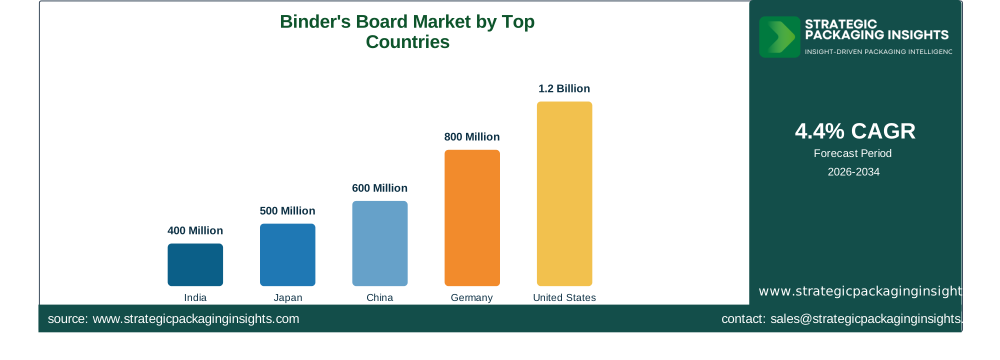
Germany is another prominent market for binder's boards, with a market size of around $800 million and a CAGR of 4%. The country's strong focus on sustainability and innovation in packaging solutions drives the demand for binder's boards. The rise in luxury packaging, particularly in the cosmetics and high-end consumer goods sectors, further boosts market growth. However, the market faces challenges such as fluctuating raw material prices and compliance with environmental regulations.
China, with a market size of approximately $600 million and a CAGR of 5%, is a rapidly growing market for binder's boards. The country's expanding e-commerce industry and increasing demand for durable packaging solutions are key growth drivers. Additionally, the government's focus on promoting sustainable packaging solutions supports market expansion. However, the market faces challenges such as competition from alternative packaging materials and the need for compliance with environmental regulations.
In Japan, the binder's board market is valued at around $500 million, with a CAGR of 2%. The country's strong publishing industry and the growing demand for high-quality packaging solutions drive market growth. Additionally, advancements in manufacturing technologies and the focus on product differentiation contribute to the market's expansion. However, the market faces challenges such as stringent environmental regulations and competition from alternative packaging materials.
India, with a market size of approximately $400 million and a CAGR of 6%, is an emerging market for binder's boards. The country's growing e-commerce industry and increasing demand for sustainable packaging solutions are significant growth drivers. Additionally, the government's initiatives to promote eco-friendly packaging solutions support market expansion. However, the market faces challenges such as fluctuating raw material prices and the need for compliance with environmental regulations.
Binder's Board Market Segments Insights

Product Type Analysis
The Binder's Board market is segmented by product type into grey board, bookbinding board, and laminated binder board. Grey boards are widely used due to their cost-effectiveness and versatility in various applications, including bookbinding and packaging. The demand for grey boards is driven by their recyclability and eco-friendly nature, making them a preferred choice for sustainable packaging solutions. Bookbinding boards, on the other hand, are specifically designed for the publishing industry, offering superior durability and aesthetic appeal. The increasing demand for printed books and the rise in luxury packaging are key drivers for this segment. Laminated binder boards are gaining popularity due to their enhanced performance characteristics, such as water resistance and increased strength, making them suitable for high-end packaging applications.
The competition within the product type segment is intense, with companies focusing on product innovation and differentiation to capture a larger market share. Manufacturers are investing in research and development to develop binder's boards with improved features and performance characteristics. Additionally, the increasing focus on sustainability and eco-friendly packaging solutions is encouraging companies to develop binder's boards that meet the evolving needs of customers. The product type segment is expected to witness significant growth over the forecast period, driven by the increasing demand for high-quality and sustainable packaging solutions.
Application Analysis
The Binder's Board market is segmented by application into books, stationery, luxury boxes, and rigid packaging. The books segment is a major driver of the market, with binder's boards being extensively used in the publishing industry for bookbinding. The consistent demand for printed books and the rise in luxury packaging are key factors driving the growth of this segment. The stationery segment is also witnessing significant growth, driven by the increasing demand for high-quality and durable stationery products. Binder's boards are used in the production of notebooks, diaries, and other stationery items, offering superior durability and aesthetic appeal.
The luxury boxes segment is experiencing rapid growth, driven by the increasing demand for high-end packaging solutions in sectors such as cosmetics, electronics, and gourmet foods. Binder's boards offer superior durability and aesthetic appeal, making them an ideal choice for luxury packaging applications. The rigid packaging segment is also witnessing significant growth, driven by the expanding e-commerce industry and the increasing demand for robust and reliable packaging solutions. Binder's boards are ideal for creating sturdy packaging that can withstand the rigors of shipping and handling, making them a preferred choice for e-commerce businesses.
Thickness Analysis
The Binder's Board market is segmented by thickness into thin, medium, and heavy. Thin binder's boards are widely used in applications where lightweight and cost-effectiveness are key considerations. These boards are ideal for use in stationery products and certain packaging applications where weight is a critical factor. Medium thickness boards are commonly used in bookbinding and packaging applications, offering a balance between durability and cost. The demand for medium thickness boards is driven by their versatility and wide range of applications.
Heavy binder's boards are used in applications where superior durability and strength are required, such as luxury packaging and certain industrial applications. The demand for heavy binder's boards is driven by the increasing focus on product differentiation and branding, with companies seeking to enhance their brand image and customer experience through high-quality packaging solutions. The thickness segment is expected to witness significant growth over the forecast period, driven by the increasing demand for high-quality and durable packaging solutions.
End Use Analysis
The Binder's Board market is segmented by end use into publishers, packaging converters, stationery, and printing. The publishers segment is a major driver of the market, with binder's boards being extensively used in the publishing industry for bookbinding. The consistent demand for printed books and the rise in luxury packaging are key factors driving the growth of this segment. The packaging converters segment is also witnessing significant growth, driven by the increasing demand for high-quality and durable packaging solutions.
The stationery segment is experiencing rapid growth, driven by the increasing demand for high-quality and durable stationery products. Binder's boards are used in the production of notebooks, diaries, and other stationery items, offering superior durability and aesthetic appeal. The printing segment is also witnessing significant growth, driven by the increasing demand for high-quality printing solutions. Binder's boards are used in the production of high-quality printed materials, offering superior durability and aesthetic appeal. The end use segment is expected to witness significant growth over the forecast period, driven by the increasing demand for high-quality and durable packaging solutions.
Binder's Board Market Segments
The Binder's Board market has been segmented on the basis ofBy Product Type
- Grey Board
- Bookbinding Board
- Laminated Binder Board
By Application
- Books
- Stationery
- Luxury Boxes
- Rigid Packaging
By Thickness
- Thin
- Medium
- Heavy
By End Use
- Publishers
- Packaging Converters
- Stationery
- Printing
Region
- Asia Pacific
- North America
- Latin America
- Europe
- Middle East & Africa




