


Beverage Metal Can Market Outlook
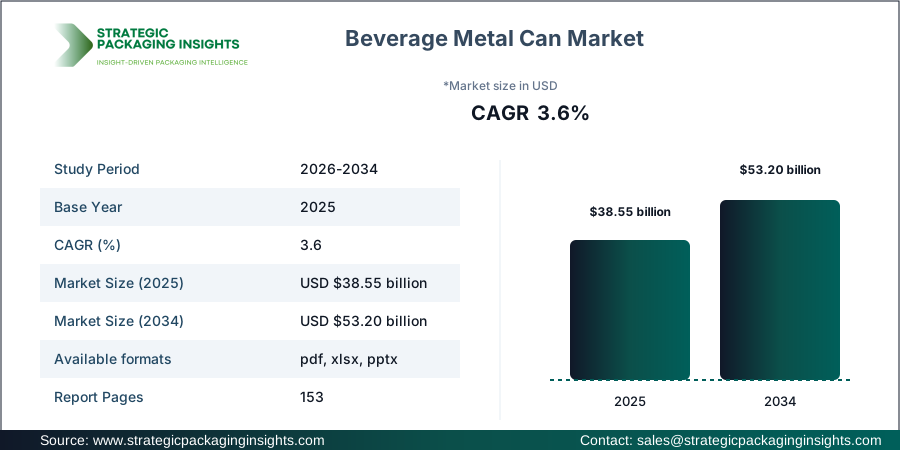
The Beverage Metal Can market was valued at $38.55 billion in 2025 and is projected to reach $53.20 billion by 2034, growing at a CAGR of 3.6% during the forecast period 2026-2034. This market is experiencing robust growth due to the increasing demand for sustainable and recyclable packaging solutions. The shift towards eco-friendly packaging is driven by consumer awareness and regulatory pressures, making metal cans a preferred choice for beverage packaging. The market is also benefiting from the rising consumption of canned beverages, including carbonated drinks, energy drinks, and alcoholic beverages, which are popular among the younger demographic. The versatility and durability of metal cans, along with their ability to preserve the taste and quality of beverages, further enhance their appeal in the market.
Report Scope
| Attributes | Details |
| Report Title | Beverage Metal Can Market Size, Future Growth and Forecast 2034 |
| Product Type | 2-piece cans, 3-piece cans, slim cans |
| Material Type | aluminum, steel |
| Application | carbonated drinks, beer, energy drinks, juices |
| End Use | beverage brands, breweries, contract fillers |
| Region | Asia Pacific, North America, Latin America, Europe, Middle East & Africa |
| Base Year | 2025 |
| Historic Period | 2018-2024 |
| Forecast Period | 2026-2034 |
| Number of Pages | 153 |
| Customization Available | Yes* |
Opportunities & Threats
One of the significant opportunities in the Beverage Metal Can market is the growing trend of premiumization in the beverage industry. Consumers are increasingly willing to pay more for high-quality, aesthetically pleasing packaging, which metal cans can provide. This trend is particularly evident in the craft beer and specialty drinks segments, where unique and eye-catching packaging can significantly influence purchasing decisions. Additionally, the expansion of e-commerce platforms offers a new avenue for beverage companies to reach consumers directly, increasing the demand for durable and protective packaging solutions like metal cans. The development of innovative can designs and printing technologies also presents opportunities for manufacturers to differentiate their products and capture a larger market share.
Another opportunity lies in the increasing focus on sustainability and circular economy practices. Metal cans are 100% recyclable and can be recycled indefinitely without losing quality, making them an attractive option for environmentally conscious consumers and companies. Governments and regulatory bodies worldwide are implementing stricter recycling and waste management policies, which could further boost the demand for metal cans. Companies that invest in sustainable production processes and promote the recyclability of their products are likely to gain a competitive edge in the market.
However, the market faces threats from the volatility of raw material prices, particularly aluminum and steel, which are the primary materials used in metal can production. Fluctuations in these prices can impact the profitability of manufacturers and lead to increased costs for consumers. Additionally, the competition from alternative packaging materials, such as PET bottles and Tetra Pak cartons, poses a challenge to the growth of the metal can market. These materials offer certain advantages, such as being lightweight and cost-effective, which could appeal to some segments of the market.
Drivers & Challenges
The Beverage Metal Can market is driven by several key factors, including the increasing demand for convenience and portability in beverage packaging. Consumers today lead busy lifestyles and prefer packaging that is easy to carry and consume on-the-go. Metal cans meet these needs by being lightweight, durable, and easy to open, making them a popular choice for a wide range of beverages. Additionally, the superior barrier properties of metal cans protect the contents from light, oxygen, and other external factors, ensuring the freshness and quality of the beverage. This is particularly important for carbonated drinks and beers, where maintaining carbonation and flavor is crucial.
Another significant driver is the growing popularity of ready-to-drink (RTD) beverages, which are often packaged in metal cans. The RTD segment includes a variety of products, such as iced teas, coffees, cocktails, and energy drinks, which are gaining traction among consumers seeking convenience and variety. The ability of metal cans to accommodate different sizes and shapes makes them ideal for this diverse product range. Furthermore, advancements in can manufacturing technologies, such as improved printing techniques and lightweighting, are enhancing the appeal of metal cans by offering better branding opportunities and reducing material usage.
Despite these drivers, the market faces challenges, including the environmental impact of metal can production. While metal cans are recyclable, the production process is energy-intensive and generates greenhouse gas emissions. Manufacturers are under pressure to adopt more sustainable practices and reduce their carbon footprint, which can involve significant investments in new technologies and processes. Additionally, the market is highly competitive, with numerous players vying for market share. Companies must continuously innovate and differentiate their products to stay ahead in this dynamic market.
Market Share Analysis
The Beverage Metal Can market is characterized by intense competition among several key players, each striving to capture a larger share of the market. Ball Corporation is a leading player, known for its extensive product portfolio and strong focus on sustainability. The company has a significant market share, driven by its innovative can designs and commitment to reducing environmental impact. Crown Holdings is another major player, offering a wide range of metal packaging solutions and leveraging its global presence to serve diverse markets. Ardagh Metal Packaging is recognized for its advanced manufacturing capabilities and focus on customer-centric solutions, contributing to its substantial market share.
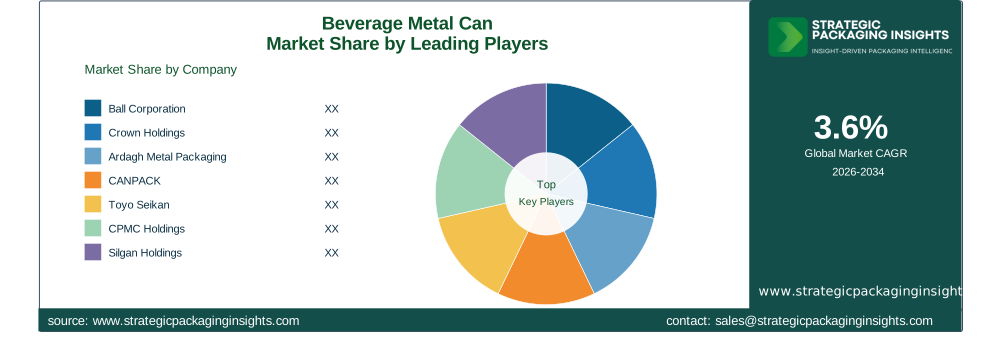
CANPACK is a prominent player in the market, known for its high-quality products and emphasis on sustainability. The company has been expanding its production capacity to meet the growing demand for metal cans. Toyo Seikan is a key player in the Asian market, offering a variety of packaging solutions and focusing on technological advancements to enhance product quality. CPMC Holdings is another significant player, with a strong presence in China and a focus on innovation and sustainability. Silgan Holdings is recognized for its diverse product offerings and strategic acquisitions, which have strengthened its position in the market.
Envases Group is a notable player, known for its comprehensive range of metal packaging solutions and commitment to sustainability. The company has been investing in new technologies to improve production efficiency and reduce environmental impact. Orora is a key player in the Australian market, offering a wide range of packaging solutions and focusing on customer service and innovation. Nampak is a leading player in the African market, known for its extensive product portfolio and focus on sustainability. These companies, along with others, contribute to the competitive landscape of the Beverage Metal Can market, each bringing unique strengths and capabilities to the table.
Key Highlights
- The Beverage Metal Can market is projected to grow from $38.55 billion in 2025 to $53.20 billion by 2034, at a CAGR of 3.6%.
- Increasing demand for sustainable and recyclable packaging solutions is driving market growth.
- Premiumization in the beverage industry presents significant opportunities for metal can manufacturers.
- Volatility in raw material prices poses a threat to market growth.
- Ready-to-drink beverages are a key driver for the metal can market.
- Advancements in can manufacturing technologies are enhancing product appeal.
- Environmental impact of production processes is a challenge for manufacturers.
- Key players include Ball Corporation, Crown Holdings, and Ardagh Metal Packaging.
- Metal cans offer superior barrier properties, preserving beverage quality.
- Competition from alternative packaging materials is a challenge for the market.
Top Countries Insights
In the Beverage Metal Can market, the United States holds a significant share, with a market size of approximately $12 billion and a CAGR of 4%. The country's growth is driven by the high consumption of canned beverages, particularly carbonated drinks and craft beers. The presence of major manufacturers and a strong focus on sustainability initiatives further bolster the market. In China, the market is valued at around $9 billion, with a CAGR of 5%. The rapid urbanization and increasing disposable income are driving the demand for convenient and portable beverage packaging solutions. Government policies promoting recycling and environmental sustainability are also contributing to market growth.
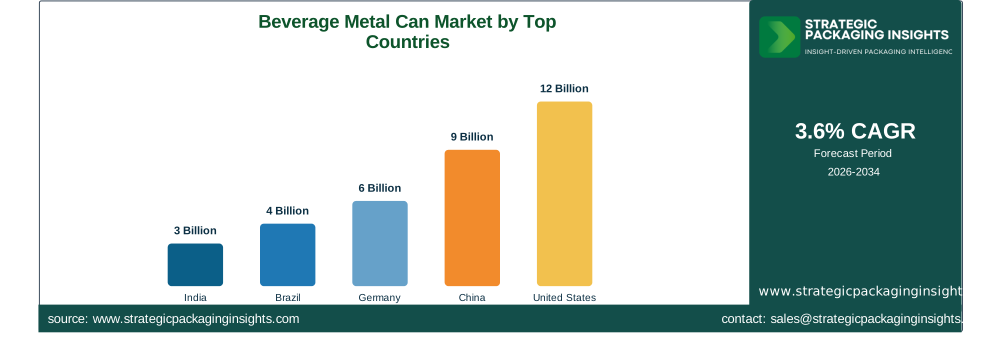
Germany is another key market, with a size of approximately $6 billion and a CAGR of 3%. The country's strong beer culture and emphasis on quality packaging drive the demand for metal cans. The focus on sustainability and recycling aligns with consumer preferences, supporting market expansion. In Brazil, the market is valued at around $4 billion, with a CAGR of 4%. The growing popularity of energy drinks and ready-to-drink beverages is fueling demand for metal cans. The country's favorable economic conditions and increasing consumer awareness of sustainable packaging options are also contributing to market growth.
India is emerging as a significant market, with a size of approximately $3 billion and a CAGR of 6%. The increasing urban population and rising disposable income are driving the demand for convenient beverage packaging solutions. The government's initiatives to promote recycling and reduce plastic waste are encouraging the adoption of metal cans. The growing popularity of carbonated drinks and energy drinks among the younger demographic further supports market growth.
Beverage Metal Can Market Segments Insights

Product Type Analysis
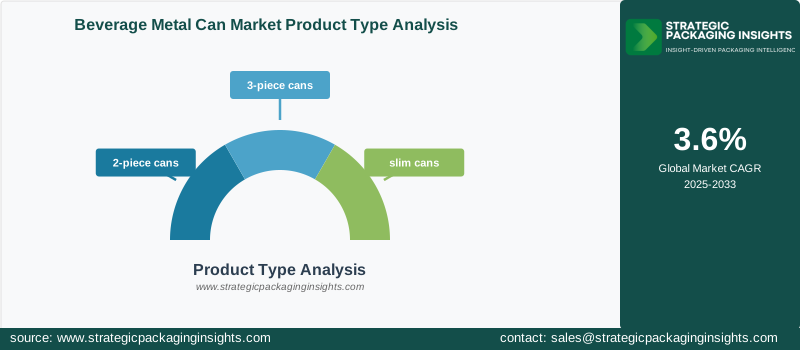
The Beverage Metal Can market is segmented by product type into 2-piece cans, 3-piece cans, and slim cans. 2-piece cans are the most widely used, offering advantages such as reduced material usage and enhanced structural integrity. These cans are popular in the carbonated drinks and beer segments, where durability and cost-effectiveness are crucial. The 3-piece cans, although less common, are favored for their versatility and ability to accommodate various sizes and shapes. Slim cans are gaining popularity, particularly in the energy drinks and specialty beverages segments, where aesthetics and differentiation are key drivers. The demand for slim cans is driven by the growing trend of premiumization and the need for unique packaging solutions.
Material Type Analysis
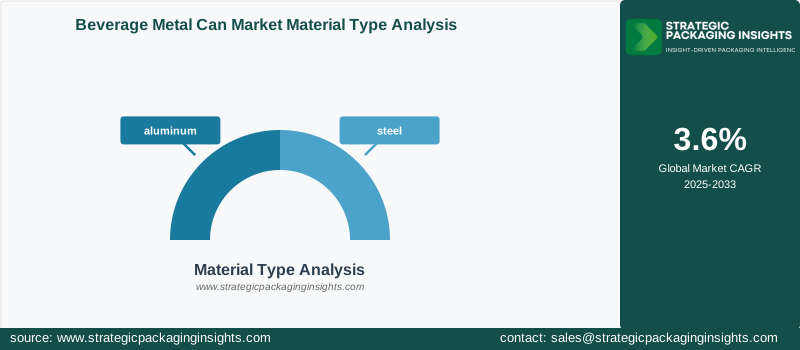
The market is also segmented by material type into aluminum and steel. Aluminum cans dominate the market due to their lightweight nature, excellent barrier properties, and recyclability. The demand for aluminum cans is driven by the increasing focus on sustainability and the circular economy. Steel cans, while less prevalent, offer advantages such as strength and durability, making them suitable for certain beverage applications. The choice of material is influenced by factors such as cost, availability, and environmental impact. Manufacturers are investing in research and development to improve the properties of both aluminum and steel cans, enhancing their appeal in the market.
Application Analysis
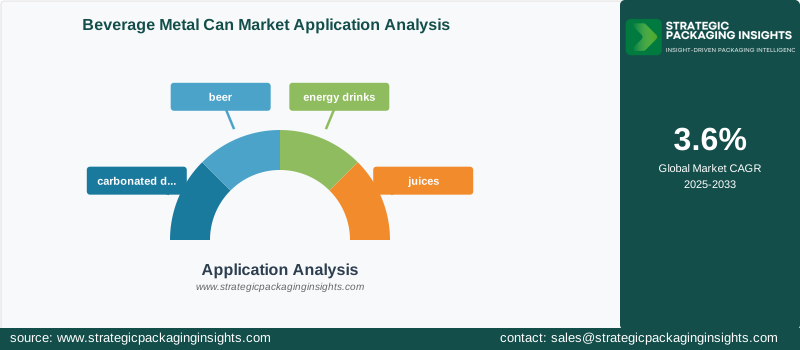
By application, the market is segmented into carbonated drinks, beer, energy drinks, and juices. Carbonated drinks represent the largest segment, driven by the high consumption of soft drinks and sodas worldwide. The demand for metal cans in this segment is supported by their ability to preserve carbonation and flavor. The beer segment is also significant, with metal cans being a popular choice for packaging due to their ability to protect the beverage from light and oxygen. Energy drinks are a growing segment, with metal cans offering the durability and portability needed for on-the-go consumption. The juices segment, while smaller, is experiencing growth as manufacturers seek to differentiate their products with unique and attractive packaging.
End Use Analysis
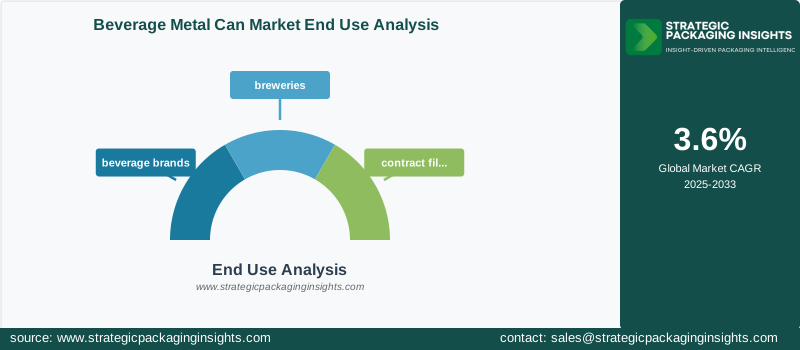
The market is further segmented by end use into beverage brands, breweries, and contract fillers. Beverage brands are the largest end-use segment, driven by the need for distinctive and appealing packaging to attract consumers. Metal cans offer excellent branding opportunities, with advanced printing technologies allowing for vibrant and eye-catching designs. Breweries are another key segment, with metal cans being a preferred choice for packaging due to their ability to preserve the quality and freshness of beer. Contract fillers, which provide packaging services for various beverage companies, are also significant, as they require versatile and reliable packaging solutions to meet the diverse needs of their clients.
Beverage Metal Can Market Segments
The Beverage Metal Can market has been segmented on the basis ofProduct Type
- 2-piece cans
- 3-piece cans
- slim cans
Material Type
- aluminum
- steel
Application
- carbonated drinks
- beer
- energy drinks
- juices
End Use
- beverage brands
- breweries
- contract fillers
Region
- Asia Pacific
- North America
- Latin America
- Europe
- Middle East & Africa




