


Beverage Filter Paper Market Outlook
The Beverage Filter Paper market was valued at $1.10 billion in 2025 and is projected to reach $1.84 billion by 2034, growing at a CAGR of 5.9% during the forecast period 2026-2034. This market is witnessing significant growth due to the increasing demand for convenient and eco-friendly beverage solutions. The rise in coffee and tea consumption globally, coupled with the growing trend of specialty beverages, is driving the demand for high-quality filter papers. The market is also benefiting from innovations in filter paper materials, which enhance the flavor and aroma of beverages while ensuring sustainability. The expansion of the foodservice industry and the proliferation of cafés and coffee shops are further propelling market growth.
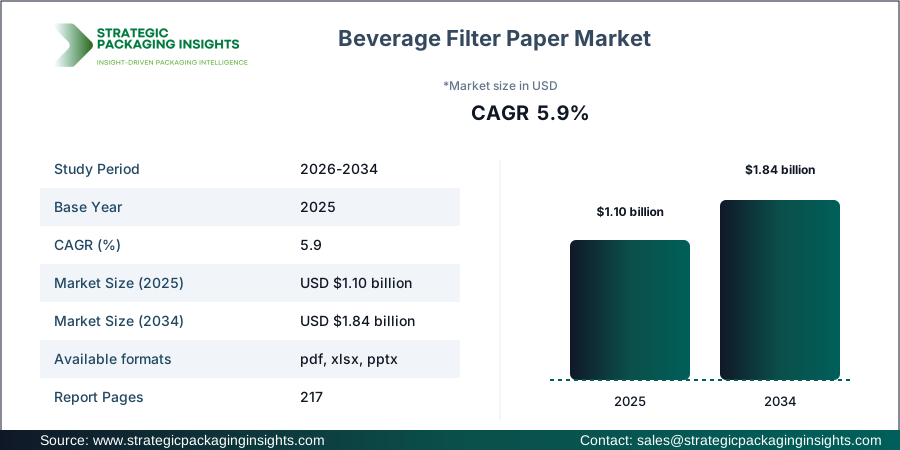
However, the market faces challenges such as stringent environmental regulations and the need for sustainable raw materials. The increasing focus on reducing plastic waste and promoting biodegradable products is pushing manufacturers to innovate and develop eco-friendly filter papers. Despite these challenges, the market holds significant growth potential, driven by the rising consumer preference for organic and natural products. The development of advanced filter paper technologies that improve filtration efficiency and reduce environmental impact is expected to create new opportunities for market players.
Report Scope
| Attributes | Details |
| Report Title | Beverage Filter Paper Market Size, Future Growth and Forecast 2034 |
| Product Type | Tea Filter Paper, Coffee Filter Paper, Specialty Beverage Filter Paper |
| Material Type | Cellulose, Abaca Fiber, Wet-Strength Paper |
| Application | Tea Bags, Coffee Pods, Brewing Filters |
| End Use | Beverage Brands, Cafés, Households, Foodservice |
| Region | Asia Pacific, North America, Latin America, Europe, Middle East & Africa |
| Base Year | 2025 |
| Historic Period | 2018-2024 |
| Forecast Period | 2026-2034 |
| Number of Pages | 217 |
| Customization Available | Yes* |
Opportunities & Threats
The Beverage Filter Paper market presents numerous opportunities, particularly in the realm of sustainable and eco-friendly products. As consumers become more environmentally conscious, there is a growing demand for biodegradable and compostable filter papers. This trend is encouraging manufacturers to invest in research and development to create innovative products that meet these consumer preferences. Additionally, the increasing popularity of specialty beverages, such as cold brews and herbal teas, is driving the need for specialized filter papers that can enhance the flavor profile of these drinks. The expansion of the foodservice industry, particularly in emerging markets, offers significant growth opportunities for filter paper manufacturers.
Another opportunity lies in the customization of filter papers to cater to specific consumer needs. With the rise of artisanal coffee and tea brands, there is a demand for filter papers that can be tailored to different brewing methods and flavor profiles. This customization can help brands differentiate themselves in a competitive market and attract a loyal customer base. Furthermore, the integration of technology in filter paper manufacturing, such as the use of advanced materials and production techniques, can lead to the development of high-performance products that offer superior filtration and durability.
Despite these opportunities, the market faces threats from regulatory challenges and the availability of alternative filtration methods. Stringent regulations regarding the use of certain chemicals and materials in filter paper production can increase manufacturing costs and limit product offerings. Additionally, the growing popularity of reusable metal and cloth filters poses a threat to the traditional filter paper market. These alternatives are often marketed as more sustainable and cost-effective options, which can impact the demand for disposable filter papers. To mitigate these threats, manufacturers need to focus on innovation and sustainability to remain competitive in the market.
Drivers & Challenges
The Beverage Filter Paper market is driven by several key factors, including the increasing consumption of coffee and tea worldwide. As these beverages become an integral part of daily routines, the demand for high-quality filter papers that enhance the brewing experience is on the rise. The growing trend of specialty beverages, such as cold brews and flavored teas, is also contributing to market growth. These beverages require specific filter papers that can preserve the unique flavors and aromas, driving innovation in the market. Additionally, the expansion of the foodservice industry, particularly in emerging markets, is boosting the demand for filter papers as cafés and restaurants seek to offer premium beverage experiences to their customers.
Another significant driver is the shift towards sustainable and eco-friendly products. Consumers are increasingly seeking biodegradable and compostable filter papers as part of their efforts to reduce environmental impact. This trend is encouraging manufacturers to develop innovative products that meet these consumer preferences while maintaining high performance. The rise of artisanal coffee and tea brands is also driving demand for customized filter papers that cater to specific brewing methods and flavor profiles. These brands are looking for ways to differentiate themselves in a competitive market, and high-quality filter papers can play a crucial role in achieving this goal.
However, the market faces challenges such as regulatory constraints and competition from alternative filtration methods. Stringent environmental regulations regarding the use of certain chemicals and materials in filter paper production can increase manufacturing costs and limit product offerings. Additionally, the growing popularity of reusable metal and cloth filters poses a threat to the traditional filter paper market. These alternatives are often marketed as more sustainable and cost-effective options, which can impact the demand for disposable filter papers. To overcome these challenges, manufacturers need to focus on innovation and sustainability to remain competitive in the market.
Market Share Analysis
The competitive landscape of the Beverage Filter Paper market is characterized by the presence of several key players who are driving innovation and growth in the industry. Companies such as Ahlstrom, Glatfelter, and Twin Rivers Paper hold significant market shares due to their extensive product portfolios and strong distribution networks. These companies are investing in research and development to create high-performance filter papers that meet the evolving needs of consumers and businesses. The focus on sustainability and eco-friendly products is a common theme among these market leaders, as they seek to capitalize on the growing demand for environmentally conscious solutions.
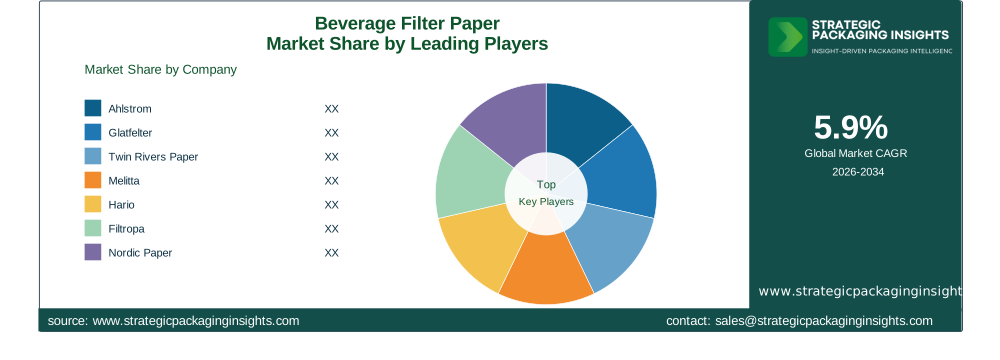
Melitta and Hario are also prominent players in the market, known for their high-quality coffee filter papers that cater to both commercial and household applications. These companies have established strong brand recognition and customer loyalty, which has helped them maintain a competitive edge in the market. Filtropa and Nordic Paper are other notable companies that are contributing to market growth through their innovative product offerings and commitment to sustainability. These companies are leveraging advanced manufacturing techniques and materials to produce filter papers that offer superior filtration and durability.
Terranova Papers and Purico Group are emerging players in the market, focusing on niche segments such as specialty beverage filter papers. These companies are capitalizing on the growing trend of artisanal and specialty beverages, offering customized filter papers that enhance the flavor and aroma of these drinks. Riensch & Held is another key player, known for its high-quality tea filter papers that cater to both commercial and household applications. The company's focus on innovation and sustainability has helped it establish a strong presence in the market.
Overall, the Beverage Filter Paper market is highly competitive, with companies vying for market share through product innovation, sustainability initiatives, and strategic partnerships. The focus on eco-friendly products and customization is driving growth and differentiation in the market, as companies seek to meet the evolving needs of consumers and businesses. As the market continues to grow, companies that can effectively balance innovation, sustainability, and customer satisfaction are likely to emerge as leaders in the industry.
Key Highlights
- The Beverage Filter Paper market is projected to grow from $1.10 billion in 2025 to $1.84 billion by 2034, at a CAGR of 5.9%.
- Increasing demand for eco-friendly and biodegradable filter papers is driving market growth.
- Specialty beverages such as cold brews and herbal teas are boosting demand for customized filter papers.
- Key players include Ahlstrom, Glatfelter, Twin Rivers Paper, and Melitta, among others.
- Regulatory challenges and competition from reusable filters pose threats to market growth.
- Innovation in filter paper materials and production techniques is a key trend in the market.
- The expansion of the foodservice industry is creating new opportunities for filter paper manufacturers.
- Customization of filter papers for specific brewing methods is a growing trend.
- Asia Pacific is expected to witness significant growth due to rising coffee and tea consumption.
Top Countries Insights
In the Beverage Filter Paper market, the United States stands out as a key player, with a market size of approximately $450 million and a CAGR of 4%. The country's strong coffee culture and the presence of numerous cafés and coffee chains drive the demand for high-quality filter papers. Additionally, the trend towards sustainable and eco-friendly products is encouraging manufacturers to innovate and offer biodegradable options. Regulatory support for sustainable practices further boosts market growth in the U.S.
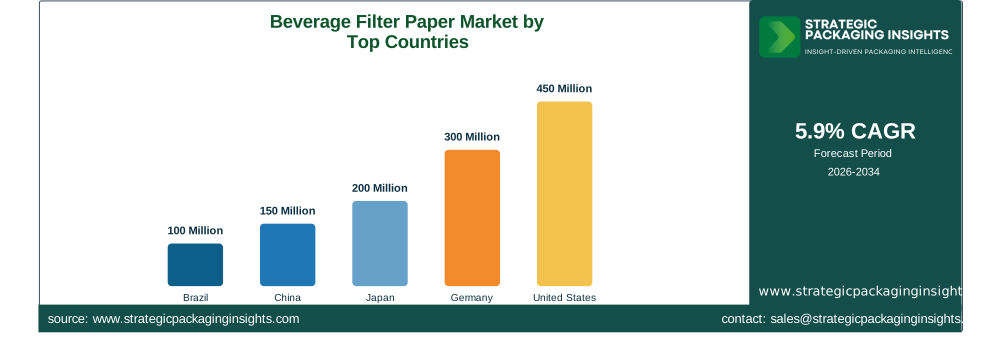
Germany is another significant market, with a market size of around $300 million and a CAGR of 5%. The country's rich coffee tradition and the popularity of specialty beverages contribute to the demand for premium filter papers. German consumers are increasingly seeking eco-friendly products, prompting manufacturers to focus on sustainability. The presence of leading filter paper manufacturers in the country also supports market growth.
Japan, with a market size of approximately $200 million and a CAGR of 6%, is witnessing growth driven by the popularity of specialty teas and artisanal coffee. Japanese consumers value high-quality brewing experiences, leading to a demand for customized filter papers. The country's focus on innovation and technology in manufacturing processes further enhances market prospects.
China, with a market size of about $150 million and a CAGR of 7%, is experiencing rapid growth due to the increasing consumption of coffee and tea. The expanding middle class and the rise of coffee culture in urban areas are key drivers. The government's emphasis on sustainable practices and the growing awareness of environmental issues are encouraging the adoption of eco-friendly filter papers.
Brazil, with a market size of around $100 million and a CAGR of 5%, is a growing market for beverage filter papers. The country's strong coffee culture and the expansion of the foodservice industry are driving demand. Brazilian consumers are increasingly interested in sustainable products, prompting manufacturers to offer biodegradable and compostable filter papers.
Beverage Filter Paper Market Segments Insights

Product Type Analysis
The Beverage Filter Paper market is segmented by product type into tea filter paper, coffee filter paper, and specialty beverage filter paper. Tea filter paper is witnessing significant demand due to the increasing consumption of tea globally. Consumers are seeking high-quality filter papers that can enhance the flavor and aroma of their tea, driving innovation in this segment. Coffee filter paper is also experiencing robust growth, driven by the rising popularity of coffee and the expansion of coffee shops and cafés. Specialty beverage filter paper is a niche segment that is gaining traction as consumers explore new and unique beverage experiences.

In the tea filter paper segment, manufacturers are focusing on developing products that offer superior filtration and durability. The use of advanced materials and production techniques is helping companies create filter papers that can withstand high temperatures and prolonged brewing times. In the coffee filter paper segment, customization is a key trend, with manufacturers offering products tailored to different brewing methods and flavor profiles. Specialty beverage filter papers are designed to cater to the unique needs of artisanal and specialty beverages, offering enhanced filtration and flavor preservation.
Material Type Analysis
The market is also segmented by material type into cellulose, abaca fiber, and wet-strength paper. Cellulose is the most commonly used material in filter paper production due to its excellent filtration properties and biodegradability. Abaca fiber is gaining popularity as a sustainable alternative, offering high strength and durability. Wet-strength paper is used in applications where the filter paper needs to maintain its integrity in wet conditions, such as in brewing filters.

Manufacturers are increasingly focusing on sustainability, leading to the development of filter papers made from renewable and biodegradable materials. The use of abaca fiber is particularly noteworthy, as it offers a sustainable solution without compromising on performance. Wet-strength paper is also seeing innovation, with manufacturers developing products that offer enhanced durability and filtration efficiency. The focus on eco-friendly materials is driving growth in this segment, as consumers and businesses seek to reduce their environmental impact.
Application Analysis
The Beverage Filter Paper market is segmented by application into tea bags, coffee pods, and brewing filters. Tea bags are a major application segment, driven by the increasing consumption of tea and the demand for convenient and high-quality brewing solutions. Coffee pods are also experiencing significant growth, as consumers seek convenient and consistent coffee brewing options. Brewing filters are used in both commercial and household applications, offering versatility and ease of use.
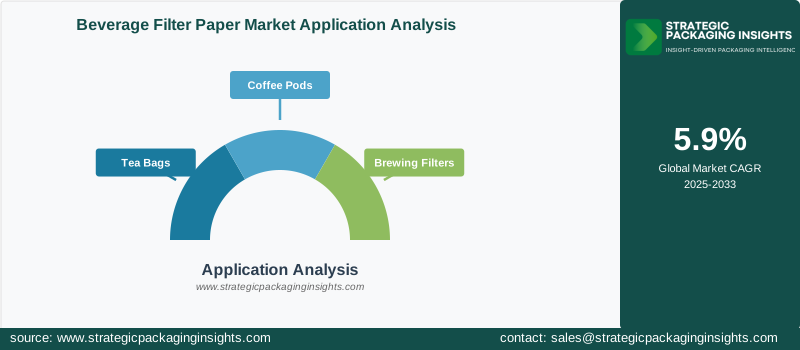
In the tea bags segment, manufacturers are focusing on developing filter papers that offer superior flavor and aroma preservation. The use of advanced materials and production techniques is helping companies create products that enhance the tea drinking experience. In the coffee pods segment, customization is a key trend, with manufacturers offering filter papers tailored to different coffee blends and brewing methods. Brewing filters are designed to cater to a wide range of applications, offering flexibility and convenience to consumers and businesses alike.
End Use Analysis
The market is segmented by end use into beverage brands, cafés, households, and foodservice. Beverage brands are a major end-use segment, as they seek high-quality filter papers that can enhance the flavor and aroma of their products. Cafés and coffee shops are also significant consumers of filter papers, as they strive to offer premium beverage experiences to their customers. Households are increasingly using filter papers for home brewing, driven by the growing popularity of artisanal coffee and tea.

In the beverage brands segment, manufacturers are focusing on developing customized filter papers that cater to specific brewing methods and flavor profiles. The use of advanced materials and production techniques is helping companies create products that offer superior filtration and durability. In the cafés and coffee shops segment, the focus is on offering high-quality filter papers that can enhance the brewing experience and attract a loyal customer base. Households are increasingly seeking convenient and eco-friendly filter papers, driving innovation in this segment. The foodservice industry is also a significant consumer of filter papers, as it seeks to offer premium beverage experiences to its customers.
Beverage Filter Paper Market Segments
The Beverage Filter Paper market has been segmented on the basis ofProduct Type
- Tea Filter Paper
- Coffee Filter Paper
- Specialty Beverage Filter Paper
Material Type
- Cellulose
- Abaca Fiber
- Wet-Strength Paper
Application
- Tea Bags
- Coffee Pods
- Brewing Filters
End Use
- Beverage Brands
- Cafés
- Households
- Foodservice
Region
- Asia Pacific
- North America
- Latin America
- Europe
- Middle East & Africa




