


Beverage Container Market Outlook
The beverage container market was valued at $22.81 billion in 2025 and is projected to reach $33.90 billion by 2034, growing at a CAGR of 4.5% during the forecast period 2026-2034. This growth is driven by increasing consumer demand for convenient and sustainable packaging solutions. The market is witnessing a shift towards eco-friendly materials, with a significant rise in the use of recyclable and biodegradable containers. The demand for innovative packaging designs that enhance product shelf life and appeal to environmentally conscious consumers is also on the rise. Additionally, the expansion of the beverage industry, particularly in emerging markets, is fueling the demand for diverse container types, including bottles, cans, cartons, and pouches.
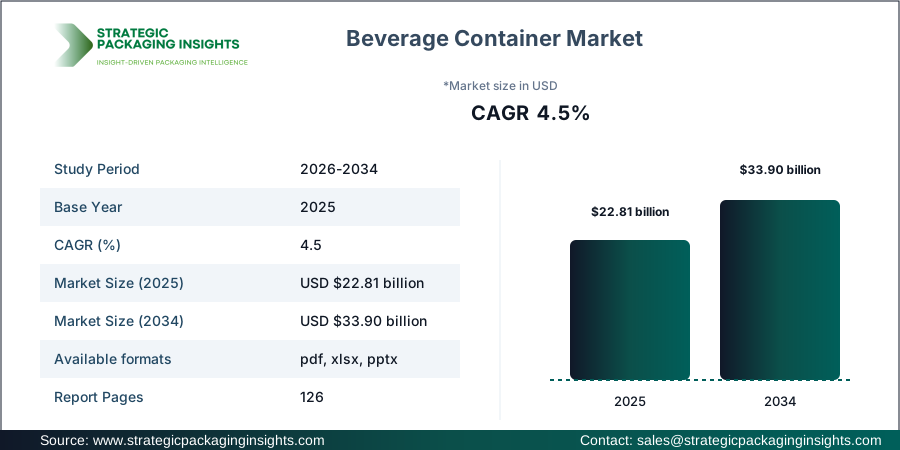
However, the market faces challenges such as stringent environmental regulations and the high cost of raw materials, which can impact profitability. Despite these challenges, the market holds significant growth potential due to technological advancements in packaging solutions and the increasing adoption of smart packaging technologies. The focus on reducing carbon footprints and enhancing recycling processes is expected to create new opportunities for market players. Furthermore, the growing trend of premiumization in the beverage industry is likely to drive demand for high-quality and aesthetically appealing containers.
Report Scope
| Attributes | Details |
| Report Title | Beverage Container Market Size, Future Growth and Forecast 2034 |
| By Container Type | Bottles, Cans, Cartons, Pouches |
| By Material Type | Plastic, Aluminum, Glass, Paperboard |
| By Application | Carbonated Drinks, Dairy Beverages, Juices, Alcoholic Beverages, Water |
| By End Use | Beverage Companies, Bottlers, Retailers, Foodservice |
| Region | Asia Pacific, North America, Latin America, Europe, Middle East & Africa |
| Base Year | 2025 |
| Historic Period | 2018-2024 |
| Forecast Period | 2026-2034 |
| Number of Pages | 126 |
| Customization Available | Yes* |
Opportunities & Threats
The beverage container market presents numerous opportunities, particularly in the realm of sustainable packaging. As consumers become more environmentally conscious, there is a growing demand for containers made from recyclable and biodegradable materials. This shift is encouraging manufacturers to innovate and develop eco-friendly packaging solutions that not only meet regulatory standards but also appeal to green-minded consumers. Additionally, the rise of e-commerce and online grocery shopping is driving the need for durable and lightweight packaging that can withstand the rigors of shipping and handling. This trend is expected to open new avenues for growth in the beverage container market.
Another significant opportunity lies in the development of smart packaging technologies. With advancements in IoT and digital printing, beverage containers can now be equipped with features such as QR codes, NFC tags, and temperature indicators. These innovations enhance consumer engagement by providing product information, tracking freshness, and ensuring authenticity. As the demand for connected packaging grows, companies that invest in smart packaging solutions are likely to gain a competitive edge in the market. Moreover, the increasing popularity of personalized and customizable packaging offers opportunities for brands to differentiate themselves and build stronger connections with consumers.
Despite these opportunities, the beverage container market faces several threats, including fluctuating raw material prices and stringent environmental regulations. The cost of materials such as aluminum and plastic can be volatile, impacting the overall production costs for manufacturers. Additionally, regulatory pressures to reduce plastic waste and increase recycling rates are forcing companies to invest in new technologies and processes, which can be costly. These challenges may hinder the growth of smaller players in the market who may lack the resources to adapt quickly to changing regulations and market demands.
Drivers & Challenges
One of the primary drivers of the beverage container market is the increasing consumer preference for convenience and portability. As lifestyles become busier, there is a growing demand for single-serve and on-the-go beverage options, which in turn drives the need for innovative packaging solutions. The rise of health-conscious consumers is also influencing the market, as they seek out beverages that are not only healthy but also packaged in containers that preserve freshness and quality. This trend is particularly evident in the demand for bottled water and functional beverages, which require specialized packaging to maintain their nutritional benefits.
Another key driver is the expansion of the beverage industry in emerging markets. As disposable incomes rise and urbanization increases, there is a growing demand for a wide variety of beverages, from carbonated drinks to premium alcoholic beverages. This expansion is fueling the need for diverse packaging solutions that cater to different consumer preferences and market segments. Additionally, the trend towards premiumization in the beverage industry is driving demand for high-quality and aesthetically appealing containers that enhance brand image and consumer experience.
However, the beverage container market also faces several challenges, including environmental concerns and regulatory pressures. The growing awareness of plastic pollution and its impact on the environment is leading to increased scrutiny of packaging materials and processes. Companies are under pressure to reduce their carbon footprint and adopt sustainable practices, which can be costly and time-consuming. Additionally, the market is highly competitive, with numerous players vying for market share. This competition can lead to price wars and margin pressures, particularly for smaller companies that may struggle to compete with larger, more established players.
Market Share Analysis
The beverage container market is characterized by a highly competitive landscape, with several key players dominating the market. These companies are continuously innovating and expanding their product portfolios to maintain their market positions. Ball Corporation, a leading player in the market, holds a significant share due to its extensive range of metal packaging solutions and strong focus on sustainability. Crown Holdings is another major player, known for its innovative packaging designs and commitment to reducing environmental impact. Amcor, with its diverse range of packaging solutions and strong presence in emerging markets, is also a key player in the market.
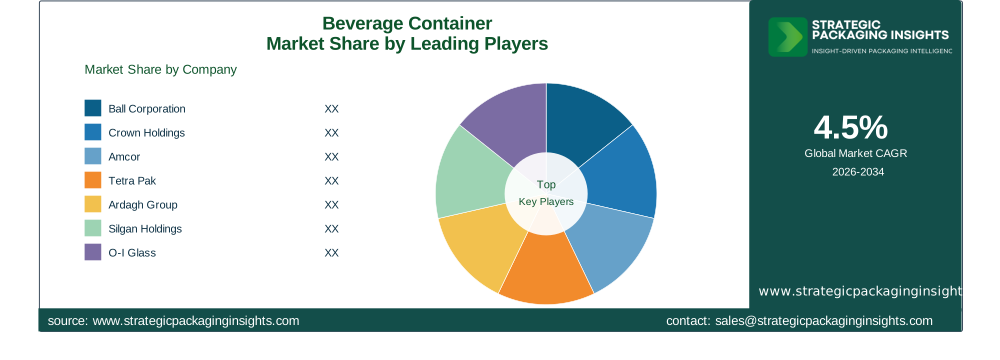
Tetra Pak, a leader in carton packaging, is renowned for its focus on sustainability and innovation. The company's commitment to reducing carbon emissions and promoting recycling has helped it maintain a strong market position. Ardagh Group, with its extensive range of glass and metal packaging solutions, is another major player in the market. The company's focus on premium packaging solutions and its strong presence in the beverage industry have contributed to its market share. Silgan Holdings, known for its metal and plastic packaging solutions, is also a key player in the market, with a strong focus on innovation and customer service.
O-I Glass, a leading manufacturer of glass containers, is known for its commitment to sustainability and innovation. The company's focus on premium glass packaging solutions has helped it maintain a strong market position. Berry Global, with its extensive range of plastic packaging solutions, is another major player in the market. The company's focus on sustainability and innovation has helped it expand its market share. SIG Group, a leader in aseptic carton packaging, is known for its focus on sustainability and innovation. The company's commitment to reducing carbon emissions and promoting recycling has helped it maintain a strong market position.
Plastipak, a leading manufacturer of plastic containers, is known for its focus on sustainability and innovation. The company's commitment to reducing carbon emissions and promoting recycling has helped it maintain a strong market position. These companies are continuously investing in research and development to enhance their product offerings and meet the evolving needs of consumers. The competitive landscape of the beverage container market is expected to remain dynamic, with companies focusing on innovation, sustainability, and customer engagement to maintain their market positions.
Key Highlights
- The beverage container market is projected to grow from $22.81 billion in 2025 to $33.90 billion by 2034, at a CAGR of 4.5%.
- Increasing consumer demand for sustainable and eco-friendly packaging solutions is driving market growth.
- Technological advancements in smart packaging are creating new opportunities for market players.
- The rise of e-commerce is driving demand for durable and lightweight packaging solutions.
- Premiumization in the beverage industry is fueling demand for high-quality and aesthetically appealing containers.
- Stringent environmental regulations and fluctuating raw material prices pose challenges to market growth.
- Key players in the market include Ball Corporation, Crown Holdings, Amcor, Tetra Pak, and Ardagh Group.
- The market is witnessing a shift towards recyclable and biodegradable materials.
- Emerging markets are driving demand for diverse packaging solutions.
- Companies are focusing on innovation and sustainability to maintain their market positions.
Top Countries Insights
In the beverage container market, the United States holds a significant share, driven by the high consumption of beverages and the presence of major market players. The market in the U.S. is expected to grow at a CAGR of 3%, with a focus on sustainable packaging solutions and technological advancements. The demand for eco-friendly containers and smart packaging technologies is driving growth in this region.
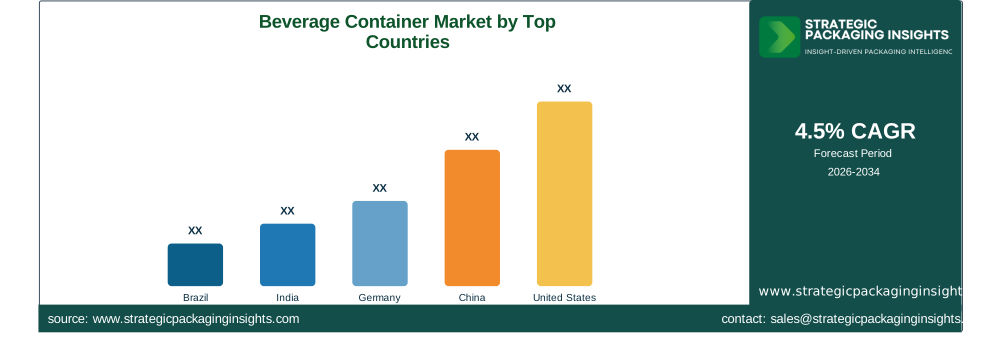
China is another key market, with rapid urbanization and rising disposable incomes driving demand for a wide variety of beverages. The market in China is projected to grow at a CAGR of 6%, with a focus on innovative packaging solutions and premiumization. The government's initiatives to promote recycling and reduce plastic waste are also contributing to market growth.
In Europe, Germany is a leading market for beverage containers, driven by the high consumption of beverages and the presence of major market players. The market in Germany is expected to grow at a CAGR of 4%, with a focus on sustainable packaging solutions and technological advancements. The demand for eco-friendly containers and smart packaging technologies is driving growth in this region.
India is an emerging market for beverage containers, with rapid urbanization and rising disposable incomes driving demand for a wide variety of beverages. The market in India is projected to grow at a CAGR of 7%, with a focus on innovative packaging solutions and premiumization. The government's initiatives to promote recycling and reduce plastic waste are also contributing to market growth.
Brazil is another key market, with a growing middle class and increasing consumption of beverages driving demand for diverse packaging solutions. The market in Brazil is expected to grow at a CAGR of 5%, with a focus on sustainable packaging solutions and technological advancements. The demand for eco-friendly containers and smart packaging technologies is driving growth in this region.
Beverage Container Market Segments Insights

Container Type Analysis
The beverage container market is segmented by container type into bottles, cans, cartons, and pouches. Bottles remain the most popular choice due to their versatility and convenience. They are widely used for packaging water, carbonated drinks, and alcoholic beverages. The demand for bottles is driven by their ability to preserve the taste and quality of beverages, as well as their recyclability. Cans are also gaining popularity, particularly for carbonated drinks and alcoholic beverages, due to their lightweight and durable nature. The demand for cans is further boosted by their ability to be easily transported and stored.
Cartons are increasingly being used for packaging dairy beverages and juices, as they offer excellent protection against light and air, preserving the freshness and nutritional value of the contents. The demand for cartons is driven by their eco-friendly nature and the growing trend of sustainable packaging. Pouches are gaining traction in the market, particularly for packaging juices and dairy beverages, due to their lightweight and flexible nature. The demand for pouches is driven by their convenience and the ability to offer portion control, making them ideal for on-the-go consumption.
Material Type Analysis
The beverage container market is segmented by material type into plastic, aluminum, glass, and paperboard. Plastic remains the most widely used material due to its versatility, lightweight, and cost-effectiveness. However, the growing awareness of plastic pollution is driving demand for alternative materials. Aluminum is gaining popularity due to its recyclability and ability to preserve the taste and quality of beverages. The demand for aluminum containers is driven by their lightweight nature and the growing trend of sustainable packaging.
Glass is also a popular choice for packaging premium beverages, as it offers excellent protection against light and air, preserving the freshness and quality of the contents. The demand for glass containers is driven by their premium appeal and the growing trend of premiumization in the beverage industry. Paperboard is increasingly being used for packaging dairy beverages and juices, as it offers excellent protection against light and air, preserving the freshness and nutritional value of the contents. The demand for paperboard containers is driven by their eco-friendly nature and the growing trend of sustainable packaging.
Application Analysis
The beverage container market is segmented by application into carbonated drinks, dairy beverages, juices, alcoholic beverages, and water. Carbonated drinks remain the largest segment, driven by the high consumption of soft drinks and energy drinks. The demand for carbonated drink containers is driven by their ability to preserve the taste and quality of the beverages, as well as their recyclability. Dairy beverages are also a significant segment, driven by the growing demand for milk and yogurt drinks. The demand for dairy beverage containers is driven by their ability to preserve the freshness and nutritional value of the contents.
Juices are another key segment, driven by the growing demand for healthy and natural beverages. The demand for juice containers is driven by their ability to preserve the freshness and nutritional value of the contents, as well as their eco-friendly nature. Alcoholic beverages are also a significant segment, driven by the high consumption of beer, wine, and spirits. The demand for alcoholic beverage containers is driven by their ability to preserve the taste and quality of the beverages, as well as their premium appeal. Water is another key segment, driven by the growing demand for bottled water and functional beverages. The demand for water containers is driven by their ability to preserve the freshness and quality of the contents, as well as their recyclability.
End Use Analysis
The beverage container market is segmented by end use into beverage companies, bottlers, retailers, and foodservice. Beverage companies remain the largest end-use segment, driven by the high demand for diverse packaging solutions that cater to different consumer preferences and market segments. The demand for beverage containers is driven by their ability to preserve the taste and quality of the beverages, as well as their recyclability. Bottlers are also a significant end-use segment, driven by the growing demand for single-serve and on-the-go beverage options.
Retailers are another key end-use segment, driven by the growing demand for premium and aesthetically appealing packaging solutions that enhance brand image and consumer experience. The demand for retailer beverage containers is driven by their ability to preserve the freshness and quality of the contents, as well as their eco-friendly nature. Foodservice is another key end-use segment, driven by the growing demand for convenient and portable packaging solutions that cater to the needs of busy consumers. The demand for foodservice beverage containers is driven by their ability to preserve the taste and quality of the beverages, as well as their recyclability.
Beverage Container Market Segments
The Beverage Container market has been segmented on the basis ofBy Container Type
- Bottles
- Cans
- Cartons
- Pouches
By Material Type
- Plastic
- Aluminum
- Glass
- Paperboard
By Application
- Carbonated Drinks
- Dairy Beverages
- Juices
- Alcoholic Beverages
- Water
By End Use
- Beverage Companies
- Bottlers
- Retailers
- Foodservice
Region
- Asia Pacific
- North America
- Latin America
- Europe
- Middle East & Africa




