


Beverage Coaster Market Outlook
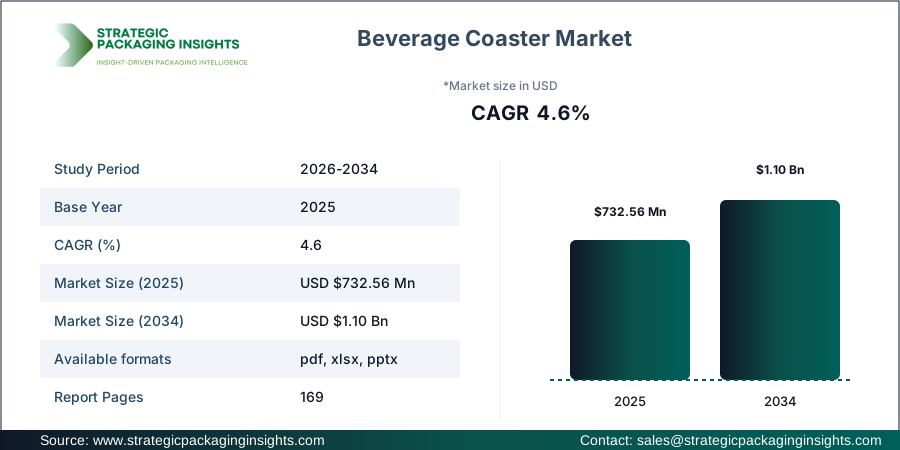
The Beverage Coaster market size was valued at USD 732.56 million in 2025 and is anticipated to reach USD 1.10 billion by 2034, growing at a CAGR of 4.6% during the forecast period according to Strategic Packaging Insights. The market is witnessing a surge in demand driven by the increasing popularity of home entertainment and the hospitality sector's expansion. Brands like Katz Group and Coaster Factory are capitalizing on this trend by offering innovative and customizable coaster designs that cater to both aesthetic and functional needs. The rise in disposable income and changing consumer lifestyles are further propelling the market growth, as more individuals seek to enhance their dining and drinking experiences with stylish and practical coasters.
One of the most impactful drivers of the Beverage Coaster market is the growing emphasis on sustainability and eco-friendly products. As consumers become more environmentally conscious, there is a significant shift towards coasters made from recyclable and biodegradable materials. Government regulations and initiatives promoting sustainable practices are also encouraging manufacturers to adopt greener production methods. For instance, the increasing use of cork and paperboard, which are both renewable resources, is gaining traction. This trend is supported by the growing awareness of the environmental impact of plastic waste, prompting companies like Riegel Paper and Interform to innovate in the realm of sustainable coaster production.
Report Scope
| Attributes | Details |
| Report Title | Beverage Coaster Market Size, Future Growth and Forecast 2034 |
| Material Type | Paperboard, Cork, Wood, Silicone |
| Product Type | Disposable Coasters, Reusable Coasters, Promotional Coasters |
| Application | Beer, Spirits, Coffee, Hospitality |
| End Use | HoReCa, Breweries, Retail, Households |
| Region | Asia Pacific, North America, Latin America, Europe, Middle East & Africa |
| Base Year | 2025 |
| Historic Period | 2018-2024 |
| Forecast Period | 2026-2034 |
| Number of Pages | 169 |
| Customization Available | Yes* |
Sustainability & Circular Economy Analysis
Sustainability initiatives are profoundly shaping the Beverage Coaster market, as companies strive to align with consumer preferences for eco-friendly products. The use of recyclable materials such as paperboard and cork is becoming increasingly prevalent, driven by the need to reduce environmental impact. This shift is not only a response to consumer demand but also a strategic move to comply with stringent packaging regulations and extended producer responsibility (EPR) mandates. By adopting lightweight and reusable packaging solutions, companies are able to minimize waste and lower their carbon footprint, thereby enhancing their brand image and market competitiveness.
Eco-friendly material innovation is at the forefront of the Beverage Coaster market, with manufacturers investing in research and development to create sustainable alternatives. This includes the development of biodegradable coasters and the incorporation of renewable resources like wood and silicone. These advancements are influencing packaging design and manufacturing processes, as companies seek to balance functionality with environmental responsibility. As a result, investment decisions are increasingly being guided by sustainability considerations, with a focus on long-term market viability and regulatory compliance.
Consumer sustainability preferences are driving significant changes in the supply chain strategies of beverage coaster manufacturers. Companies are prioritizing the sourcing of raw materials from sustainable suppliers and optimizing their logistics to reduce emissions. This includes the adoption of localized production and distribution models to enhance supply chain resilience and reduce transportation costs. By integrating ESG initiatives into their operations, companies are not only meeting regulatory requirements but also gaining a competitive edge in the market. These sustainability trends are expected to continue shaping the Beverage Coaster market, influencing investment, design, and production decisions.
Packaging Value Chain & Supply Chain Analysis
The Beverage Coaster market's value chain is a complex ecosystem involving multiple stakeholders, from raw material suppliers to end consumers. Raw material sourcing is a critical component, with manufacturers relying on sustainable materials like paperboard, cork, and wood to meet consumer demand for eco-friendly products. Packaging converters and manufacturers play a pivotal role in transforming these materials into finished products, utilizing advanced machinery and production techniques to ensure quality and efficiency. Strategic partnerships with suppliers and logistics providers are essential for maintaining a seamless supply chain and ensuring timely delivery to retailers and end-users.
Supply chain efficiency is a key determinant of market performance, with companies focusing on optimizing their procurement strategies and inventory management to reduce costs and enhance competitiveness. The availability of raw materials and production capabilities are crucial factors influencing the overall market dynamics. Manufacturers are increasingly adopting localization strategies to mitigate risks associated with global sourcing and enhance supply chain resilience. This involves establishing production facilities closer to key markets and leveraging local distribution channels to improve service levels and reduce transportation costs.
Logistics and distribution channels are integral to the Beverage Coaster market, with companies investing in advanced technologies to streamline operations and improve customer satisfaction. The integration of recycling networks into the supply chain is becoming more prevalent, as companies seek to close the loop and promote circular economy practices. By collaborating with brand owners and retailers, manufacturers can ensure that their products meet consumer expectations and regulatory standards. These efforts are supported by robust procurement strategies and strategic partnerships, which are essential for maintaining a competitive edge in the market.
Opportunities & Threats
The Beverage Coaster market presents numerous opportunities for growth, driven by the increasing demand for personalized and customizable products. As consumers seek unique and memorable experiences, companies have the opportunity to offer coasters that reflect individual tastes and preferences. This trend is particularly evident in the hospitality and events sectors, where coasters serve as both functional items and promotional tools. By leveraging digital printing technologies and innovative design techniques, manufacturers can create bespoke products that cater to diverse consumer needs and enhance brand loyalty.
Another significant opportunity lies in the expansion of the e-commerce sector, which is reshaping the way consumers purchase beverage coasters. Online platforms provide manufacturers with direct access to a global customer base, enabling them to reach new markets and increase sales. This shift is supported by the growing popularity of subscription services and direct-to-consumer models, which offer convenience and value to consumers. By embracing digital marketing strategies and optimizing their online presence, companies can capitalize on this trend and drive growth in the Beverage Coaster market.
Despite the promising opportunities, the Beverage Coaster market faces several threats that could hinder its growth. One of the primary challenges is the volatility of raw material prices, which can impact production costs and profit margins. Fluctuations in the availability of sustainable materials like cork and wood can also pose challenges for manufacturers, affecting their ability to meet consumer demand. Additionally, the market is subject to stringent regulatory requirements, which can increase compliance costs and limit product innovation. Companies must navigate these challenges by adopting flexible sourcing strategies and investing in research and development to ensure long-term success.
Drivers & Challenges
The Beverage Coaster market is driven by several key factors, including the growing demand for eco-friendly and sustainable products. As consumers become more environmentally conscious, there is an increasing preference for coasters made from renewable and biodegradable materials. This trend is supported by government regulations and initiatives promoting sustainable practices, which are encouraging manufacturers to adopt greener production methods. Companies like American Coaster and Bierdeckel are leading the way in this regard, offering innovative solutions that cater to the evolving needs of consumers and regulatory bodies.
Another significant driver of the Beverage Coaster market is the rise in disposable income and changing consumer lifestyles. As more individuals seek to enhance their dining and drinking experiences, there is a growing demand for stylish and functional coasters that complement modern living spaces. This trend is particularly evident in the hospitality and retail sectors, where coasters serve as both practical items and decorative accessories. By offering a wide range of designs and materials, manufacturers can cater to diverse consumer preferences and drive market growth.
Despite the positive drivers, the Beverage Coaster market faces several challenges that could impact its growth trajectory. One of the primary challenges is the intense competition among manufacturers, which can lead to price wars and erode profit margins. Companies must differentiate themselves through innovation and quality to maintain a competitive edge in the market. Additionally, the market is subject to fluctuations in raw material prices, which can affect production costs and supply chain stability. Manufacturers must adopt flexible sourcing strategies and invest in research and development to mitigate these challenges and ensure long-term success.
Market Share Analysis
The competitive landscape of the Beverage Coaster market is characterized by the presence of several key players, each vying for market share through innovation and strategic partnerships. Companies like Katz Group and Coaster Factory are leading the market with their extensive product portfolios and strong distribution networks. These companies have established themselves as industry leaders by offering a wide range of coasters that cater to diverse consumer needs and preferences. Their focus on quality and sustainability has enabled them to maintain a competitive edge in the market.
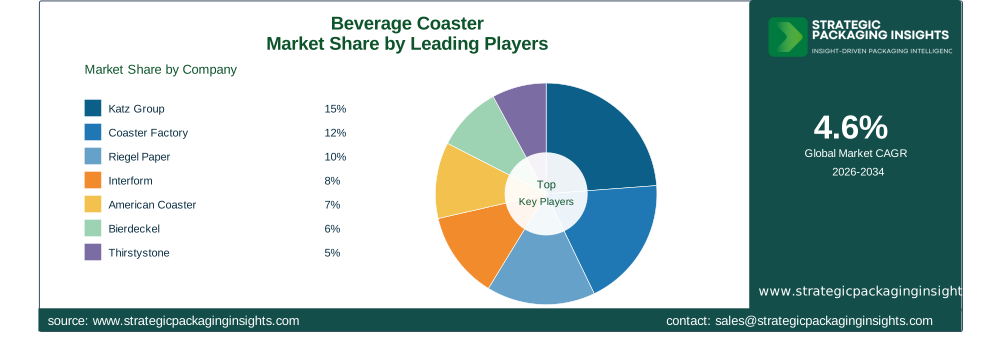
Riegel Paper and Interform are also prominent players in the Beverage Coaster market, known for their commitment to sustainability and eco-friendly practices. These companies have invested heavily in research and development to create innovative products that meet the evolving needs of consumers and regulatory bodies. By leveraging advanced manufacturing techniques and sustainable materials, they have been able to differentiate themselves in the market and capture a significant share of the industry.
American Coaster and Bierdeckel are recognized for their unique product offerings and strong brand presence. These companies have built a loyal customer base by providing high-quality coasters that combine functionality with aesthetic appeal. Their focus on customer satisfaction and innovation has enabled them to expand their market reach and strengthen their competitive position. By collaborating with retailers and distributors, they have been able to enhance their distribution capabilities and increase their market share.
Thirstystone, KegWorks, PrintGlobe, and Vistaprint are also key players in the Beverage Coaster market, each contributing to the industry's growth through their diverse product offerings and strategic initiatives. These companies have embraced digital marketing strategies and e-commerce platforms to reach a wider audience and drive sales. By focusing on customer engagement and product innovation, they have been able to maintain a strong presence in the market and capitalize on emerging opportunities.
Key Highlights
- Market Size: The Beverage Coaster market was valued at USD 732.56 million in 2025 and is projected to reach USD 1.10 billion by 2034.
- Growth Rate: The market is expected to grow at a CAGR of 4.6% during the forecast period.
- Material Innovation: Increasing use of sustainable materials like paperboard and cork.
- Consumer Demand: Rising preference for eco-friendly and customizable coasters.
- Key Players: Katz Group, Coaster Factory, Riegel Paper, and Interform are leading the market.
- Regional Growth: Asia Pacific is expected to witness significant growth due to rising disposable income.
- Regulatory Compliance: Stringent packaging regulations are driving sustainability initiatives.
Beverage Coaster Market Segments Insights

Material Type Analysis
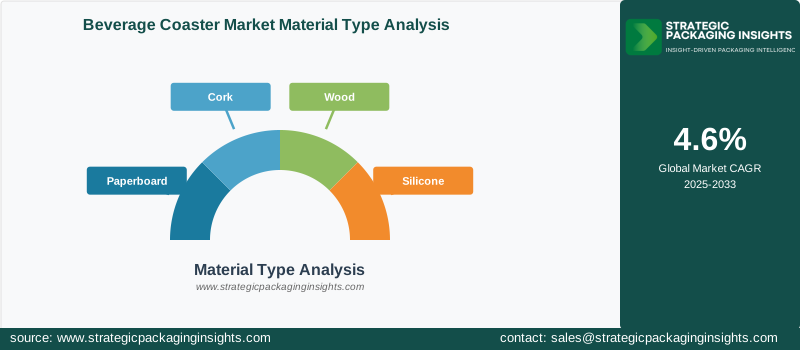
The Beverage Coaster market is segmented by material type into paperboard, cork, wood, and silicone. Paperboard coasters are gaining popularity due to their lightweight and recyclable nature, making them an eco-friendly choice for consumers. Cork coasters, known for their durability and natural appeal, are also in high demand, particularly in the hospitality sector. Wood and silicone coasters offer unique aesthetic and functional benefits, catering to diverse consumer preferences. The increasing focus on sustainability and the use of renewable materials is driving innovation in this segment, with companies investing in research and development to create environmentally friendly products.
Manufacturers are leveraging advanced production techniques to enhance the quality and performance of coasters made from these materials. The use of digital printing technologies allows for greater customization and personalization, enabling companies to offer unique designs that cater to individual tastes. This trend is particularly evident in the promotional coaster segment, where businesses seek to create memorable brand experiences for their customers. By offering a wide range of materials and designs, companies can cater to diverse consumer needs and drive market growth.
Product Type Analysis
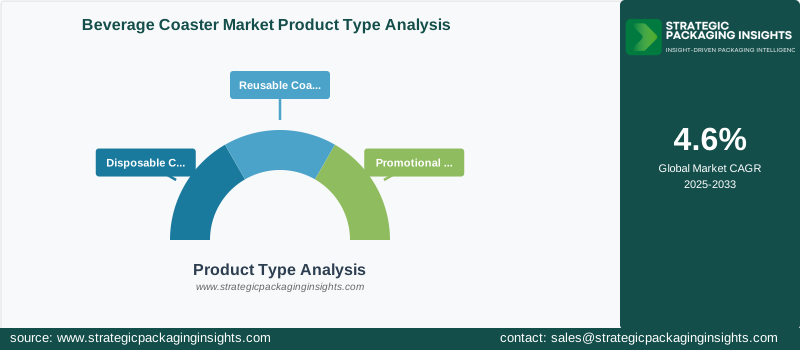
The Beverage Coaster market is segmented by product type into disposable coasters, reusable coasters, and promotional coasters. Disposable coasters are widely used in the hospitality and events sectors, where convenience and cost-effectiveness are key considerations. Reusable coasters, on the other hand, are favored by environmentally conscious consumers who seek sustainable alternatives. Promotional coasters serve as effective marketing tools, allowing businesses to enhance brand visibility and engage with their target audience. The growing demand for personalized and customizable products is driving innovation in this segment, with companies offering a wide range of designs and materials to cater to diverse consumer preferences.
Manufacturers are focusing on enhancing the functionality and aesthetic appeal of their products to meet the evolving needs of consumers. This includes the use of advanced printing technologies and innovative design techniques to create unique and memorable coasters. By offering a diverse range of products, companies can cater to different market segments and drive growth in the Beverage Coaster market. The increasing popularity of e-commerce platforms is also providing manufacturers with new opportunities to reach a global audience and expand their market reach.
Application Analysis
The Beverage Coaster market is segmented by application into beer, spirits, coffee, and hospitality. Beer coasters are widely used in bars and pubs, where they serve both functional and promotional purposes. Spirits coasters, often made from premium materials, are favored by high-end establishments seeking to enhance their brand image. Coffee coasters are popular in cafes and restaurants, where they provide a practical solution for protecting surfaces and enhancing the dining experience. The hospitality sector, which includes hotels and event venues, is a major driver of demand for beverage coasters, as these establishments seek to create memorable experiences for their guests.
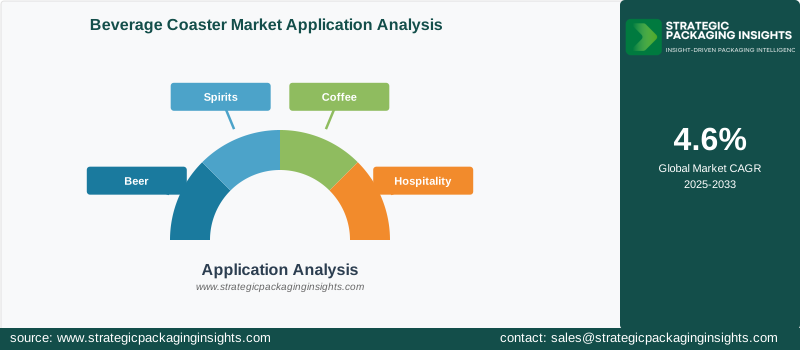
Manufacturers are focusing on creating coasters that cater to the specific needs of these applications, offering a wide range of materials and designs to suit different environments. The use of digital printing technologies allows for greater customization and personalization, enabling businesses to create unique and memorable brand experiences. By offering a diverse range of products, companies can cater to different market segments and drive growth in the Beverage Coaster market. The increasing popularity of e-commerce platforms is also providing manufacturers with new opportunities to reach a global audience and expand their market reach.
End Use Analysis
The Beverage Coaster market is segmented by end use into HoReCa (Hotels, Restaurants, and Cafes), breweries, retail, and households. The HoReCa sector is a major driver of demand for beverage coasters, as these establishments seek to enhance the dining and drinking experience for their customers. Breweries also represent a significant market segment, with coasters serving as both functional items and promotional tools. The retail sector, which includes specialty stores and online platforms, is providing manufacturers with new opportunities to reach a wider audience and increase sales. Households, driven by the growing trend of home entertainment, are also contributing to the demand for beverage coasters.
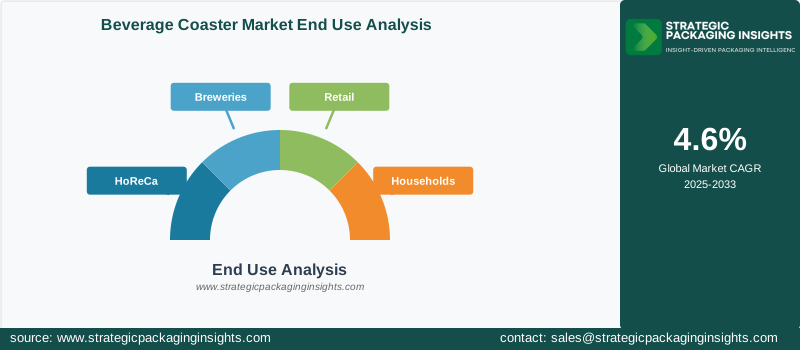
Manufacturers are focusing on creating coasters that cater to the specific needs of these end-use segments, offering a wide range of materials and designs to suit different environments. The use of digital printing technologies allows for greater customization and personalization, enabling businesses to create unique and memorable brand experiences. By offering a diverse range of products, companies can cater to different market segments and drive growth in the Beverage Coaster market. The increasing popularity of e-commerce platforms is also providing manufacturers with new opportunities to reach a global audience and expand their market reach.
Beverage Coaster Market Segments
The Beverage Coaster market has been segmented on the basis ofMaterial Type
- Paperboard
- Cork
- Wood
- Silicone
Product Type
- Disposable Coasters
- Reusable Coasters
- Promotional Coasters
Application
- Beer
- Spirits
- Coffee
- Hospitality
End Use
- HoReCa
- Breweries
- Retail
- Households
Region
- Asia Pacific
- North America
- Latin America
- Europe
- Middle East & Africa




