


Beverage Carrier Market Outlook
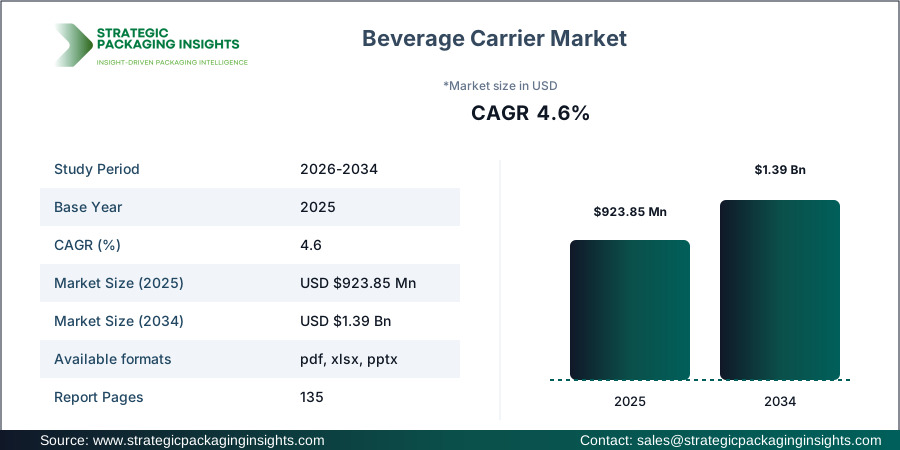
The Beverage Carrier market was valued at $923.85 million in 2025 and is projected to reach $1.39 billion by 2034, growing at a CAGR of 4.6% during the forecast period 2026-2034. This market is witnessing significant growth due to the increasing demand for convenient and sustainable packaging solutions. The rise in consumption of beverages, including beer, soft drinks, and ready-to-drink (RTD) beverages, is driving the demand for innovative beverage carriers. The market is also benefiting from the growing trend of eco-friendly packaging, which is pushing manufacturers to develop carriers made from recyclable and biodegradable materials. Additionally, the expansion of the foodservice industry and the increasing number of retail outlets are further propelling the market growth.
However, the market faces challenges such as stringent regulations regarding packaging waste and the environmental impact of plastic carriers. Despite these challenges, the market holds significant growth potential due to the increasing adoption of molded fiber and paperboard carriers, which are considered more sustainable alternatives. The ongoing research and development activities aimed at improving the durability and functionality of beverage carriers are expected to create new opportunities for market players. Moreover, the rising consumer preference for aesthetically appealing and customizable packaging solutions is likely to drive the demand for innovative beverage carriers in the coming years.
Report Scope
| Attributes | Details |
| Report Title | Beverage Carrier Market Size, Future Growth and Forecast 2034 |
| By Product Type | Paperboard Carriers, Molded Fiber Carriers, Plastic Carriers |
| By Application | Beer, Soft Drinks, Dairy, RTD Beverages |
| By Pack Size | 2-Pack, 4-Pack, 6-Pack, Multipack |
| By End Use | Beverage Brands, Retailers, Foodservice |
| Region | Asia Pacific, North America, Latin America, Europe, Middle East & Africa |
| Base Year | 2025 |
| Historic Period | 2018-2024 |
| Forecast Period | 2026-2034 |
| Number of Pages | 135 |
| Customization Available | Yes* |
Opportunities & Threats
The Beverage Carrier market presents numerous opportunities, particularly in the realm of sustainable packaging solutions. As environmental concerns continue to rise, consumers and businesses alike are seeking eco-friendly alternatives to traditional plastic carriers. This shift in consumer preference is driving the demand for paperboard and molded fiber carriers, which are biodegradable and recyclable. Companies that invest in developing innovative, sustainable packaging solutions are likely to gain a competitive edge in the market. Additionally, the increasing popularity of craft beverages and premium drinks is creating a demand for high-quality, aesthetically pleasing carriers that enhance brand image and consumer experience.
Another significant opportunity lies in the customization of beverage carriers. With the growing trend of personalized products, beverage brands are looking for carriers that can be tailored to their specific needs and branding requirements. This demand for customization is encouraging manufacturers to offer a wide range of design options, including different shapes, sizes, and printing techniques. By providing customizable solutions, companies can cater to the diverse needs of beverage brands and retailers, thereby expanding their market reach and customer base.
Despite the opportunities, the Beverage Carrier market faces certain threats, primarily related to regulatory challenges and environmental concerns. Governments across the globe are implementing stringent regulations to reduce packaging waste and promote sustainable practices. These regulations can pose challenges for manufacturers, particularly those relying on plastic carriers. Additionally, the fluctuating prices of raw materials, such as paper and plastic, can impact production costs and profit margins. Companies need to navigate these challenges by adopting sustainable practices and exploring alternative materials to ensure compliance and maintain competitiveness in the market.
Drivers & Challenges
The Beverage Carrier market is driven by several key factors, including the increasing consumption of beverages and the growing demand for convenient packaging solutions. The rise in disposable income and changing consumer lifestyles have led to an increase in the consumption of beverages, such as beer, soft drinks, and RTD beverages. This surge in demand is driving the need for efficient and convenient packaging solutions that facilitate easy transportation and storage. Additionally, the expansion of the foodservice industry and the proliferation of retail outlets are further contributing to the market growth by increasing the demand for beverage carriers.
Another significant driver is the growing trend of sustainable packaging. As consumers become more environmentally conscious, there is a rising demand for eco-friendly packaging solutions. This trend is encouraging manufacturers to develop beverage carriers made from recyclable and biodegradable materials, such as paperboard and molded fiber. The increasing focus on sustainability is not only driving innovation in the market but also providing companies with opportunities to differentiate themselves by offering environmentally friendly products.
However, the market faces challenges, including regulatory pressures and the environmental impact of plastic carriers. Governments worldwide are implementing stringent regulations to reduce packaging waste and promote sustainable practices. These regulations can pose challenges for manufacturers, particularly those relying on plastic carriers. Additionally, the fluctuating prices of raw materials, such as paper and plastic, can impact production costs and profit margins. Companies need to navigate these challenges by adopting sustainable practices and exploring alternative materials to ensure compliance and maintain competitiveness in the market.
Market Share Analysis
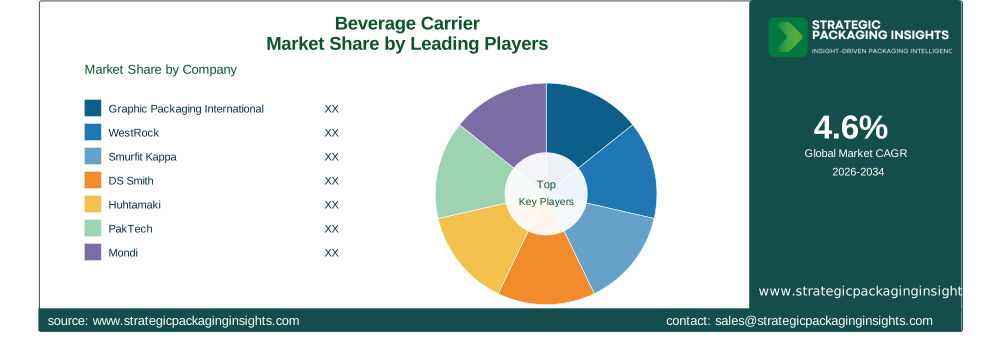
The Beverage Carrier market is characterized by intense competition, with several key players vying for market share. The competitive landscape is dominated by companies such as Graphic Packaging International, WestRock, Smurfit Kappa, DS Smith, Huhtamaki, PakTech, Mondi, Sonoco, International Paper, and Pactiv Evergreen. These companies are focusing on product innovation, strategic partnerships, and mergers and acquisitions to strengthen their market position and expand their product offerings. The market is also witnessing the entry of new players, which is intensifying the competition and driving companies to adopt innovative strategies to maintain their competitive edge.
Graphic Packaging International is a leading player in the market, known for its innovative and sustainable packaging solutions. The company offers a wide range of beverage carriers, including paperboard and molded fiber options, catering to the diverse needs of beverage brands and retailers. WestRock is another major player, offering a comprehensive portfolio of packaging solutions, including beverage carriers made from recyclable materials. The company's focus on sustainability and innovation has helped it maintain a strong market position.
Smurfit Kappa and DS Smith are also prominent players in the market, known for their commitment to sustainability and innovation. Both companies offer a range of eco-friendly beverage carriers, including paperboard and molded fiber options. Huhtamaki and PakTech are other key players, focusing on developing innovative and sustainable packaging solutions to meet the growing demand for eco-friendly products. Mondi, Sonoco, International Paper, and Pactiv Evergreen are also significant players in the market, offering a wide range of beverage carriers and focusing on product innovation and sustainability to maintain their competitive edge.
Key Highlights
- The Beverage Carrier market is projected to grow at a CAGR of 4.6% from 2026 to 2034.
- Increasing demand for sustainable packaging solutions is driving market growth.
- Paperboard and molded fiber carriers are gaining popularity due to their eco-friendly nature.
- Customization of beverage carriers is a growing trend, catering to diverse branding needs.
- Regulatory challenges and environmental concerns pose threats to market growth.
- Key players are focusing on product innovation and strategic partnerships to strengthen their market position.
- The market is witnessing the entry of new players, intensifying competition.
- Fluctuating raw material prices can impact production costs and profit margins.
- The expansion of the foodservice industry is contributing to the demand for beverage carriers.
- Consumer preference for aesthetically pleasing packaging solutions is driving innovation in the market.
Top Countries Insights
In the Beverage Carrier market, the United States stands out as a key player, with a market size of approximately $300 million and a CAGR of 5%. The country's growth is driven by the increasing consumption of beverages and the demand for sustainable packaging solutions. The presence of major beverage brands and a well-established retail sector further contribute to the market's expansion. However, regulatory challenges related to packaging waste and environmental concerns pose challenges for manufacturers.
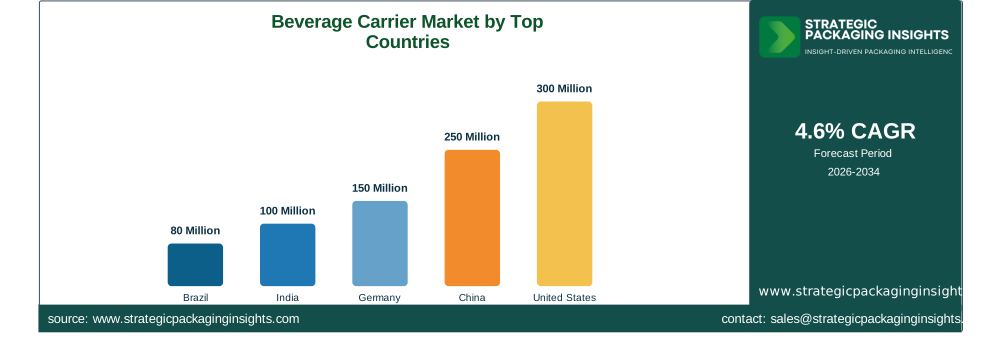
China is another significant market, with a market size of around $250 million and a CAGR of 6%. The country's growth is fueled by the rising disposable income and changing consumer lifestyles, leading to increased consumption of beverages. The government's focus on promoting sustainable practices and reducing packaging waste is driving the demand for eco-friendly beverage carriers. However, the market faces challenges related to fluctuating raw material prices and the environmental impact of plastic carriers.
Germany, with a market size of approximately $150 million and a CAGR of 4%, is a key player in the European market. The country's growth is driven by the increasing demand for sustainable packaging solutions and the presence of major beverage brands. The government's stringent regulations on packaging waste and environmental concerns are encouraging manufacturers to adopt eco-friendly practices. However, the market faces challenges related to the high cost of sustainable materials and the need for continuous innovation.
India, with a market size of around $100 million and a CAGR of 7%, is an emerging market with significant growth potential. The country's growth is driven by the increasing consumption of beverages and the demand for convenient packaging solutions. The government's focus on promoting sustainable practices and reducing packaging waste is driving the demand for eco-friendly beverage carriers. However, the market faces challenges related to regulatory pressures and the environmental impact of plastic carriers.
Brazil, with a market size of approximately $80 million and a CAGR of 5%, is a key player in the Latin American market. The country's growth is driven by the increasing demand for beverages and the expansion of the foodservice industry. The government's focus on promoting sustainable practices and reducing packaging waste is driving the demand for eco-friendly beverage carriers. However, the market faces challenges related to fluctuating raw material prices and the need for continuous innovation.
Beverage Carrier Market Segments Insights

Product Type Analysis
The Beverage Carrier market is segmented by product type into paperboard carriers, molded fiber carriers, and plastic carriers. Paperboard carriers are gaining popularity due to their eco-friendly nature and recyclability. They are widely used by beverage brands looking to enhance their sustainability credentials. Molded fiber carriers are also witnessing increased demand as they offer a biodegradable alternative to traditional plastic carriers. These carriers are particularly favored by environmentally conscious consumers and brands. Plastic carriers, while still prevalent, are facing challenges due to environmental concerns and regulatory pressures. Manufacturers are focusing on developing recyclable and biodegradable plastic carriers to address these challenges and meet consumer demand for sustainable packaging solutions.
The market is witnessing a shift towards sustainable materials, with paperboard and molded fiber carriers gaining traction. This trend is driven by the increasing consumer preference for eco-friendly packaging solutions and the growing awareness of the environmental impact of plastic waste. Manufacturers are investing in research and development to improve the durability and functionality of these carriers, ensuring they meet the diverse needs of beverage brands and retailers. The demand for innovative and customizable packaging solutions is also driving the growth of this segment, as brands seek to differentiate themselves in a competitive market.
Application Analysis
The Beverage Carrier market is segmented by application into beer, soft drinks, dairy, and RTD beverages. The beer segment is a major driver of market growth, with increasing consumption and the rising popularity of craft beers driving the demand for innovative and aesthetically pleasing carriers. Soft drinks and RTD beverages are also significant contributors to market growth, with the demand for convenient and portable packaging solutions driving the need for efficient beverage carriers. The dairy segment, while smaller, is witnessing growth due to the increasing consumption of dairy-based beverages and the demand for sustainable packaging solutions.
The market is characterized by a diverse range of applications, with each segment presenting unique opportunities and challenges. The beer segment, for example, is witnessing a growing demand for customizable carriers that enhance brand image and consumer experience. The soft drinks and RTD beverages segments are driven by the need for convenient and portable packaging solutions that cater to on-the-go consumers. The dairy segment, on the other hand, is focused on developing sustainable packaging solutions that meet the growing demand for eco-friendly products. Manufacturers are investing in research and development to address these diverse needs and capitalize on the growth opportunities in each segment.
Pack Size Analysis
The Beverage Carrier market is segmented by pack size into 2-pack, 4-pack, 6-pack, and multipack. The 6-pack segment is the most popular, driven by the demand for convenient and portable packaging solutions. This segment is particularly favored by consumers looking for easy-to-carry options for outdoor activities and social gatherings. The 4-pack and multipack segments are also witnessing growth, with the increasing demand for customizable packaging solutions that cater to diverse consumer needs. The 2-pack segment, while smaller, is gaining traction due to the rising popularity of single-serve and portion-controlled beverages.
The market is characterized by a diverse range of pack sizes, with each segment presenting unique opportunities and challenges. The 6-pack segment, for example, is witnessing a growing demand for innovative and aesthetically pleasing carriers that enhance brand image and consumer experience. The 4-pack and multipack segments are driven by the need for customizable packaging solutions that cater to diverse consumer needs. The 2-pack segment, on the other hand, is focused on developing sustainable packaging solutions that meet the growing demand for eco-friendly products. Manufacturers are investing in research and development to address these diverse needs and capitalize on the growth opportunities in each segment.
End Use Analysis
The Beverage Carrier market is segmented by end use into beverage brands, retailers, and foodservice. Beverage brands are the largest end-use segment, driven by the increasing demand for innovative and customizable packaging solutions that enhance brand image and consumer experience. Retailers are also significant contributors to market growth, with the demand for efficient and convenient packaging solutions driving the need for beverage carriers. The foodservice segment, while smaller, is witnessing growth due to the increasing demand for sustainable packaging solutions that meet the growing demand for eco-friendly products.
The market is characterized by a diverse range of end-use segments, with each segment presenting unique opportunities and challenges. Beverage brands, for example, are focused on developing innovative and customizable packaging solutions that enhance brand image and consumer experience. Retailers are driven by the need for efficient and convenient packaging solutions that cater to on-the-go consumers. The foodservice segment, on the other hand, is focused on developing sustainable packaging solutions that meet the growing demand for eco-friendly products. Manufacturers are investing in research and development to address these diverse needs and capitalize on the growth opportunities in each segment.
Beverage Carrier Market Segments
The Beverage Carrier market has been segmented on the basis ofBy Product Type
- Paperboard Carriers
- Molded Fiber Carriers
- Plastic Carriers
By Application
- Beer
- Soft Drinks
- Dairy
- RTD Beverages
By Pack Size
- 2-Pack
- 4-Pack
- 6-Pack
- Multipack
By End Use
- Beverage Brands
- Retailers
- Foodservice
Region
- Asia Pacific
- North America
- Latin America
- Europe
- Middle East & Africa




