


Beer Packaging Market Outlook
The Beer Packaging market was valued at $28.32 billion in 2025 and is projected to reach $42.14 billion by 2034, growing at a CAGR of 4.5% during the forecast period 2026-2034. This growth is driven by the increasing global consumption of beer, particularly in emerging markets where disposable incomes are rising. The demand for innovative and sustainable packaging solutions is also propelling the market forward, as consumers and manufacturers alike seek to reduce environmental impact. Additionally, the rise of craft breweries and the diversification of beer flavors and types are contributing to the demand for varied packaging solutions that cater to different consumer preferences and branding strategies.
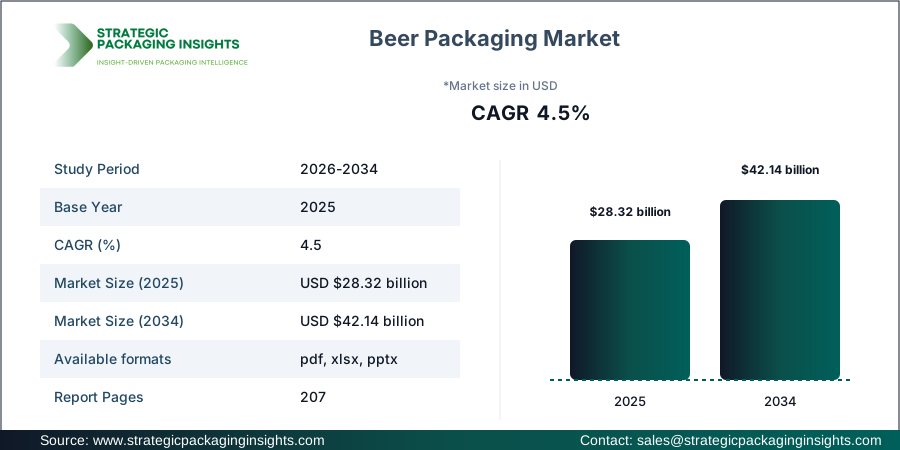
However, the market faces challenges such as stringent regulations regarding packaging materials and waste management, which can increase production costs and limit market growth. Despite these challenges, the beer packaging market holds significant growth potential due to technological advancements in packaging materials and processes, which are expected to enhance product shelf life and reduce costs. The increasing trend of premiumization in the beer industry is also expected to drive demand for high-quality packaging solutions that enhance the consumer experience.
Report Scope
| Attributes | Details |
| Report Title | Beer Packaging Market Size, Future Growth and Forecast 2034 |
| By Packaging Type | Glass Bottles, Aluminum Cans, Kegs, Cartons |
| By Material Type | Glass, Metal, Paperboard, Plastic |
| By Application | Craft Beer, Lager, Ale, Non-Alcoholic Beer |
| By End Use | Breweries, Contract Fillers, Retail, HoReCa |
| Region | Asia Pacific, North America, Latin America, Europe, Middle East & Africa |
| Base Year | 2025 |
| Historic Period | 2018-2024 |
| Forecast Period | 2026-2034 |
| Number of Pages | 207 |
| Customization Available | Yes* |
Opportunities & Threats
The beer packaging market presents numerous opportunities, particularly in the realm of sustainable packaging solutions. As environmental concerns continue to rise, there is a growing demand for eco-friendly packaging options that minimize carbon footprints and reduce waste. Companies that invest in biodegradable materials and recyclable packaging solutions are likely to gain a competitive edge. Additionally, the increasing popularity of craft beers offers opportunities for packaging companies to provide customized and innovative packaging solutions that cater to the unique branding needs of craft breweries. This trend is particularly strong in regions like North America and Europe, where craft beer consumption is on the rise.
Another significant opportunity lies in the technological advancements in packaging processes. Innovations such as smart packaging, which includes features like temperature indicators and freshness sensors, are gaining traction. These technologies not only enhance the consumer experience but also help in maintaining the quality of the beer during transportation and storage. Furthermore, the expansion of e-commerce platforms for beer sales is creating a demand for packaging solutions that ensure product safety and integrity during shipping, opening new avenues for growth in the beer packaging market.
On the flip side, the beer packaging market faces threats from regulatory challenges and fluctuating raw material prices. Stringent regulations regarding packaging waste and recycling can increase operational costs for manufacturers. Additionally, the volatility in the prices of raw materials such as aluminum and glass can impact profit margins. The market also faces competition from alternative beverages, such as wine and spirits, which are gaining popularity among consumers, potentially affecting beer sales and, consequently, the demand for beer packaging.
Drivers & Challenges
One of the primary drivers of the beer packaging market is the increasing global consumption of beer, driven by rising disposable incomes and changing consumer preferences. The growing popularity of craft beers and premium beer brands is also contributing to the demand for diverse and innovative packaging solutions. Consumers are increasingly seeking unique and aesthetically pleasing packaging that reflects the quality and brand identity of the beer. This trend is particularly evident in developed markets such as North America and Europe, where consumers are willing to pay a premium for high-quality packaging.
Another significant driver is the shift towards sustainable and eco-friendly packaging solutions. With growing environmental awareness, both consumers and manufacturers are prioritizing sustainability in their purchasing and production decisions. This has led to increased demand for packaging materials that are recyclable, biodegradable, and have a lower environmental impact. Companies that can offer sustainable packaging solutions are likely to gain a competitive advantage in the market. Additionally, technological advancements in packaging processes, such as the development of lightweight and durable materials, are expected to drive market growth.
Despite these drivers, the beer packaging market faces several challenges. One of the main challenges is the stringent regulatory environment regarding packaging materials and waste management. Compliance with these regulations can increase production costs and limit market growth. Additionally, the market is highly competitive, with numerous players vying for market share. This competition can lead to price wars and reduced profit margins. The volatility in raw material prices, such as aluminum and glass, also poses a challenge for manufacturers, as it can impact production costs and profitability.
Market Share Analysis
The beer packaging market is characterized by a competitive landscape with several key players dominating the market. Companies such as Ball Corporation, Crown Holdings, and Ardagh Group hold significant market shares due to their extensive product portfolios and strong distribution networks. These companies have a global presence and are continuously investing in research and development to innovate and expand their product offerings. The competitive landscape is further intensified by the presence of regional players who cater to specific markets and offer customized solutions.
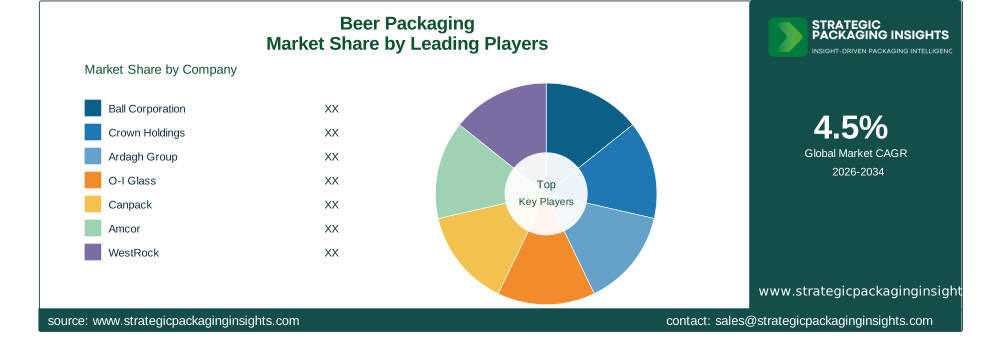
Ball Corporation is a leading player in the beer packaging market, known for its innovative aluminum can solutions. The company has a strong focus on sustainability and has been investing in eco-friendly packaging solutions to meet the growing demand for sustainable products. Crown Holdings is another major player, offering a wide range of metal packaging solutions for the beer industry. The company has a strong presence in North America and Europe and is known for its high-quality and durable packaging solutions.
Ardagh Group is a key player in the glass packaging segment, providing a wide range of glass bottles for the beer industry. The company has a strong focus on innovation and sustainability, offering lightweight and recyclable glass packaging solutions. O-I Glass is another major player in the glass packaging segment, known for its high-quality and aesthetically pleasing glass bottles. The company has a strong presence in North America and Europe and is continuously investing in research and development to enhance its product offerings.
Canpack is a leading player in the metal packaging segment, offering a wide range of aluminum cans for the beer industry. The company has a strong focus on sustainability and has been investing in eco-friendly packaging solutions to meet the growing demand for sustainable products. Amcor is another major player, offering a wide range of packaging solutions for the beer industry, including metal, glass, and plastic packaging. The company has a strong presence in North America and Europe and is known for its high-quality and innovative packaging solutions.
Key Highlights
- The beer packaging market is projected to grow from $28.32 billion in 2025 to $42.14 billion by 2034, at a CAGR of 4.5%.
- Increasing global beer consumption and the rise of craft breweries are driving market growth.
- There is a growing demand for sustainable and eco-friendly packaging solutions.
- Technological advancements in packaging processes are enhancing product shelf life and reducing costs.
- Stringent regulations regarding packaging materials and waste management pose challenges to market growth.
- Key players in the market include Ball Corporation, Crown Holdings, Ardagh Group, and O-I Glass.
- The market is highly competitive, with numerous players vying for market share.
- Fluctuating raw material prices, such as aluminum and glass, impact production costs and profitability.
- The expansion of e-commerce platforms for beer sales is creating new opportunities for packaging solutions.
Top Countries Insights
In the beer packaging market, the United States stands out as a key player, with a market size of approximately $8.5 billion and a CAGR of 3%. The growth in this region is driven by the increasing popularity of craft beers and the demand for innovative packaging solutions that cater to diverse consumer preferences. The presence of major packaging companies and a strong focus on sustainability further bolster the market in the U.S.
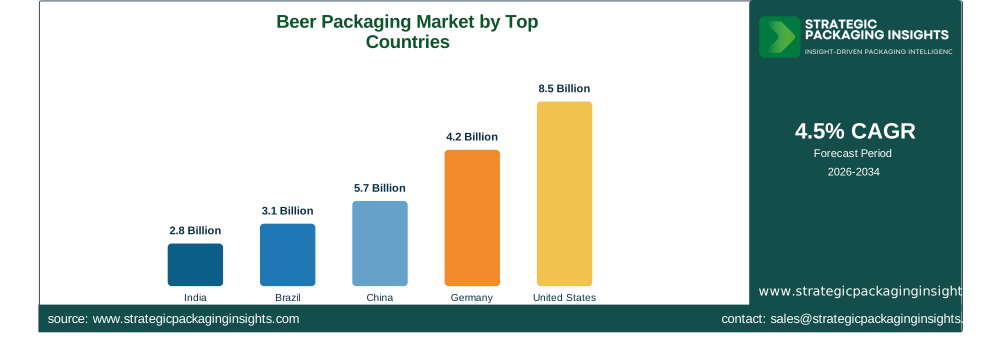
Germany, with its rich beer culture, is another significant market, valued at around $4.2 billion with a CAGR of 2%. The country's stringent regulations on packaging waste and recycling drive the demand for sustainable packaging solutions. Additionally, the growing trend of premiumization in the beer industry is contributing to the demand for high-quality packaging solutions that enhance the consumer experience.
China, with its rapidly growing beer market, is experiencing a CAGR of 6%, with a market size of approximately $5.7 billion. The increasing disposable incomes and changing consumer preferences towards premium and craft beers are driving the demand for diverse packaging solutions. The government's focus on reducing environmental impact is also pushing manufacturers to adopt sustainable packaging practices.
Brazil, with a market size of around $3.1 billion and a CAGR of 4%, is witnessing growth driven by the increasing consumption of beer and the rise of craft breweries. The demand for innovative and aesthetically pleasing packaging solutions is on the rise, as consumers seek unique and high-quality packaging that reflects the quality of the beer.
India, with its burgeoning beer market, is experiencing a CAGR of 5%, with a market size of approximately $2.8 billion. The increasing urbanization and changing consumer preferences towards premium and craft beers are driving the demand for diverse packaging solutions. The government's initiatives to promote sustainable packaging practices are also contributing to market growth.
Beer Packaging Market Segments Insights

Packaging Type Analysis
The beer packaging market is segmented by packaging type into glass bottles, aluminum cans, kegs, and cartons. Glass bottles remain a popular choice due to their premium look and ability to preserve the taste and quality of beer. They are particularly favored by craft breweries and premium beer brands that aim to offer a high-end consumer experience. However, aluminum cans are gaining traction due to their lightweight nature, recyclability, and convenience for on-the-go consumption. The rise of canned craft beers is a testament to this trend, as more breweries opt for cans to reach a broader audience. Kegs are predominantly used in the HoReCa sector, providing an efficient way to serve beer in large quantities. Cartons, while less common, are used for multipacks and gift sets, offering a unique branding opportunity for breweries.
Material Type Analysis
In terms of material type, the beer packaging market is divided into glass, metal, paperboard, and plastic. Glass remains a preferred material due to its ability to maintain the beer's quality and its premium appeal. However, metal, particularly aluminum, is gaining popularity due to its recyclability and lightweight properties. The shift towards sustainable packaging solutions is driving the demand for metal packaging, as it aligns with environmental goals. Paperboard is used for secondary packaging, such as cartons and multipacks, providing an eco-friendly option for breweries looking to reduce their carbon footprint. Plastic, while less favored due to environmental concerns, is still used for certain packaging applications where flexibility and durability are required.
Application Analysis
The beer packaging market is segmented by application into craft beer, lager, ale, and non-alcoholic beer. Craft beer is a significant driver of the market, with its emphasis on unique and innovative packaging solutions that reflect the brand's identity and appeal to niche consumer segments. Lager, being one of the most consumed beer types globally, demands packaging solutions that offer convenience and cost-effectiveness. Ale, with its rich history and diverse flavor profiles, requires packaging that preserves its quality and enhances its premium appeal. Non-alcoholic beer, a growing segment driven by health-conscious consumers, demands packaging that communicates its unique selling points and differentiates it from traditional beer offerings.
End Use Analysis
The beer packaging market is segmented by end use into breweries, contract fillers, retail, and HoReCa. Breweries are the primary consumers of packaging solutions, requiring a wide range of options to cater to different beer types and branding strategies. Contract fillers, which provide packaging services to breweries, demand efficient and cost-effective solutions that meet the needs of their clients. The retail sector requires packaging that is both attractive and functional, as it plays a crucial role in influencing consumer purchasing decisions. The HoReCa sector, which includes hotels, restaurants, and cafes, demands packaging solutions that are convenient and efficient for serving beer in large quantities.
Beer Packaging Market Segments
The Beer Packaging market has been segmented on the basis ofBy Packaging Type
- Glass Bottles
- Aluminum Cans
- Kegs
- Cartons
By Material Type
- Glass
- Metal
- Paperboard
- Plastic
By Application
- Craft Beer
- Lager
- Ale
- Non-Alcoholic Beer
By End Use
- Breweries
- Contract Fillers
- Retail
- HoReCa
Region
- Asia Pacific
- North America
- Latin America
- Europe
- Middle East & Africa




