


Bag-In-Box Packaging Market Outlook
The Bag-In-Box Packaging market was valued at $4.89 billion in 2025 and is projected to reach $8.20 billion by 2034, growing at a CAGR of 5.9% during the forecast period 2026-2034. This market is experiencing significant growth due to the increasing demand for sustainable and convenient packaging solutions across various industries. The versatility of bag-in-box packaging, which offers extended shelf life and reduced packaging waste, is driving its adoption in sectors such as beverages, foodservice, and household products. The market is also benefiting from technological advancements in packaging materials and dispensing systems, which enhance product safety and consumer convenience.
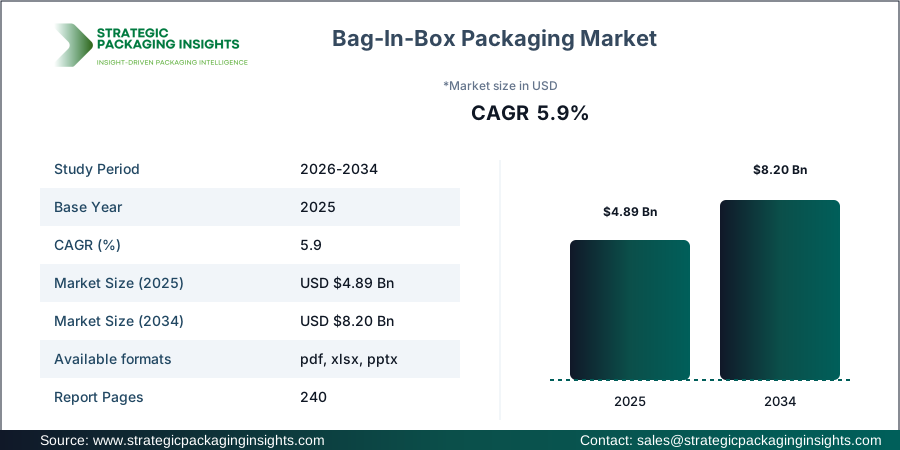
Despite the promising growth trajectory, the Bag-In-Box Packaging market faces certain challenges. Regulatory constraints related to packaging materials and environmental concerns about plastic usage are some of the key restraints. However, the market holds substantial growth potential, driven by the rising demand for eco-friendly packaging solutions and the increasing popularity of bag-in-box packaging in emerging markets. The development of innovative materials and designs that address environmental concerns while maintaining product integrity is expected to create new opportunities for market players.
Report Scope
| Attributes | Details |
| Report Title | Bag-In-Box Packaging Market Size, Future Growth and Forecast 2034 |
| Product Type | Bags, Boxes, Fitments, Dispensing Systems |
| Material Type | Plastic Films, Paperboard, Metallized Films |
| Application | Wine, Dairy, Liquid Foods, Industrial Liquids |
| End Use | Beverages, Foodservice, Chemicals, Household Products |
| Region | Asia Pacific, North America, Latin America, Europe, Middle East & Africa |
| Base Year | 2025 |
| Historic Period | 2018-2024 |
| Forecast Period | 2026-2034 |
| Number of Pages | 240 |
| Customization Available | Yes* |
Opportunities & Threats
The Bag-In-Box Packaging market presents numerous opportunities, particularly in the realm of sustainability. As consumers become more environmentally conscious, there is a growing demand for packaging solutions that minimize waste and reduce carbon footprints. Bag-in-box packaging, with its reduced material usage and recyclability, aligns well with these consumer preferences. Additionally, the market is witnessing increased adoption in the beverage industry, particularly for wine and dairy products, where the packaging's ability to preserve freshness and extend shelf life is highly valued. The expansion of e-commerce and the need for durable, lightweight packaging solutions further bolster the market's growth prospects.
Another significant opportunity lies in the technological advancements in packaging materials and dispensing systems. Innovations such as improved barrier films and user-friendly dispensing mechanisms enhance the functionality and appeal of bag-in-box packaging. These advancements not only improve product safety and convenience but also open up new application areas, such as industrial liquids and household products. As manufacturers continue to invest in research and development, the market is poised to benefit from the introduction of novel products that cater to diverse consumer needs.
However, the market is not without its threats. One of the primary challenges is the regulatory landscape surrounding packaging materials, particularly plastics. Stringent regulations aimed at reducing plastic waste and promoting sustainable packaging solutions could impact the market's growth. Additionally, the market faces competition from alternative packaging formats, such as rigid containers and flexible pouches, which offer similar benefits in terms of convenience and sustainability. To mitigate these threats, market players must focus on developing innovative, compliant packaging solutions that meet regulatory standards and consumer expectations.
Drivers & Challenges
The growth of the Bag-In-Box Packaging market is driven by several key factors. One of the primary drivers is the increasing demand for convenient and sustainable packaging solutions. Consumers are increasingly seeking packaging that is easy to use, reduces waste, and offers extended shelf life. Bag-in-box packaging meets these criteria, making it an attractive option for a wide range of applications, from beverages to household products. The market is also benefiting from the growing popularity of e-commerce, which requires durable and lightweight packaging solutions to ensure product safety during transit.
Another significant driver is the technological advancements in packaging materials and dispensing systems. Innovations in barrier films and dispensing mechanisms enhance the functionality and appeal of bag-in-box packaging, making it suitable for a broader range of applications. These advancements not only improve product safety and convenience but also open up new opportunities for market players to expand their product offerings. As manufacturers continue to invest in research and development, the market is expected to witness the introduction of novel products that cater to diverse consumer needs.
Despite these drivers, the market faces several challenges. One of the primary challenges is the regulatory landscape surrounding packaging materials, particularly plastics. Stringent regulations aimed at reducing plastic waste and promoting sustainable packaging solutions could impact the market's growth. Additionally, the market faces competition from alternative packaging formats, such as rigid containers and flexible pouches, which offer similar benefits in terms of convenience and sustainability. To overcome these challenges, market players must focus on developing innovative, compliant packaging solutions that meet regulatory standards and consumer expectations.
Market Share Analysis
The Bag-In-Box Packaging market is characterized by a competitive landscape with several key players vying for market share. Companies such as Smurfit Kappa, Liquibox, Amcor, DS Smith, Scholle IPN, CDF Corporation, Mondi, ProAmpac, Optopack, and Parish Manufacturing are prominent players in this market. These companies are actively engaged in product innovation, strategic partnerships, and mergers and acquisitions to strengthen their market position and expand their product offerings.
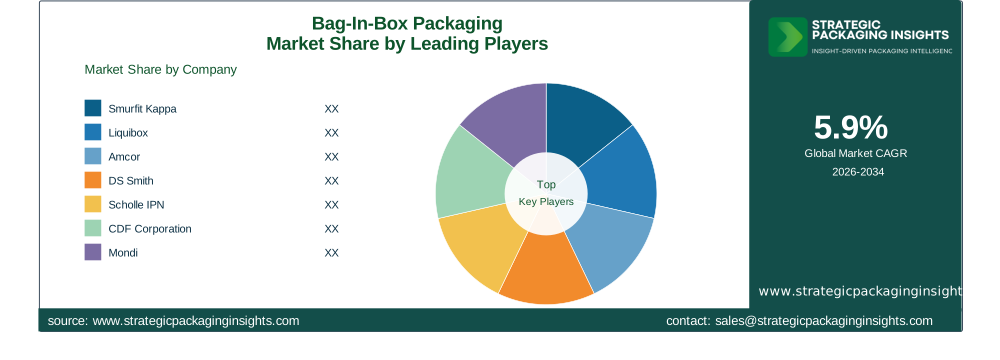
Smurfit Kappa is a leading player in the Bag-In-Box Packaging market, known for its innovative packaging solutions and strong focus on sustainability. The company offers a wide range of bag-in-box products for various applications, including beverages, foodservice, and industrial liquids. Liquibox, another major player, is recognized for its advanced dispensing systems and high-quality packaging materials. The company's commitment to sustainability and innovation has helped it maintain a strong market presence.
Amcor, a global leader in packaging solutions, offers a comprehensive portfolio of bag-in-box products designed to meet the diverse needs of its customers. The company's focus on sustainability and innovation has enabled it to capture a significant share of the market. DS Smith, known for its sustainable packaging solutions, is another key player in the market. The company's expertise in paper-based packaging and commitment to reducing environmental impact have contributed to its success in the bag-in-box segment.
Scholle IPN, CDF Corporation, Mondi, ProAmpac, Optopack, and Parish Manufacturing are also notable players in the Bag-In-Box Packaging market. These companies are focused on expanding their product offerings and enhancing their manufacturing capabilities to meet the growing demand for bag-in-box packaging. Through strategic partnerships and investments in research and development, these companies are well-positioned to capitalize on the market's growth opportunities.
Key Highlights
- The Bag-In-Box Packaging market is projected to grow at a CAGR of 5.9% from 2026 to 2034.
- Increasing demand for sustainable and convenient packaging solutions is driving market growth.
- Technological advancements in packaging materials and dispensing systems are enhancing product functionality.
- The beverage industry is a major end-user of bag-in-box packaging, particularly for wine and dairy products.
- Regulatory constraints related to packaging materials pose a challenge to market growth.
- Emerging markets offer significant growth opportunities for bag-in-box packaging.
- Key players are focusing on product innovation and strategic partnerships to strengthen their market position.
- The market faces competition from alternative packaging formats, such as rigid containers and flexible pouches.
- Environmental concerns about plastic usage are driving the demand for eco-friendly packaging solutions.
Top Countries Insights
In the Bag-In-Box Packaging market, the United States stands out as a key player, with a market size of approximately $1.2 billion and a CAGR of 6%. The country's strong demand for sustainable packaging solutions, driven by consumer preferences and regulatory pressures, is a significant growth driver. The presence of major market players and a well-established e-commerce sector further bolster the market's prospects in the U.S.
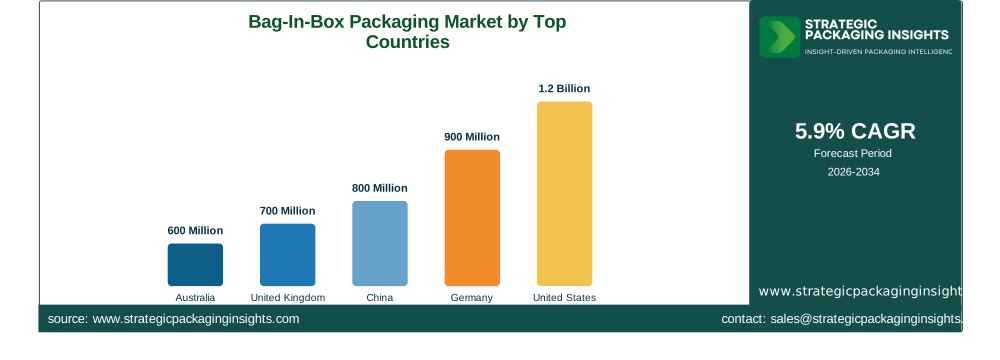
Germany is another prominent market, with a market size of around $900 million and a CAGR of 5%. The country's focus on sustainability and innovation in packaging materials is driving the adoption of bag-in-box solutions. Germany's strong industrial base and emphasis on reducing packaging waste contribute to the market's growth.
China, with a market size of approximately $800 million and a CAGR of 7%, is experiencing rapid growth in the Bag-In-Box Packaging market. The country's expanding middle class and increasing demand for convenient packaging solutions are key growth drivers. Additionally, China's focus on environmental sustainability and government initiatives to reduce plastic waste are boosting the market.
In the United Kingdom, the Bag-In-Box Packaging market is valued at around $700 million, with a CAGR of 4%. The country's strong emphasis on sustainability and the growing popularity of bag-in-box packaging in the beverage industry are driving market growth. The presence of innovative packaging companies and a robust retail sector further support the market's expansion.
Australia, with a market size of approximately $600 million and a CAGR of 5%, is also a significant player in the Bag-In-Box Packaging market. The country's demand for eco-friendly packaging solutions and the growing popularity of bag-in-box packaging in the wine industry are key growth drivers. Australia's focus on reducing packaging waste and promoting sustainable practices is expected to support market growth.
Bag-In-Box Packaging Market Segments Insights

Product Type Analysis
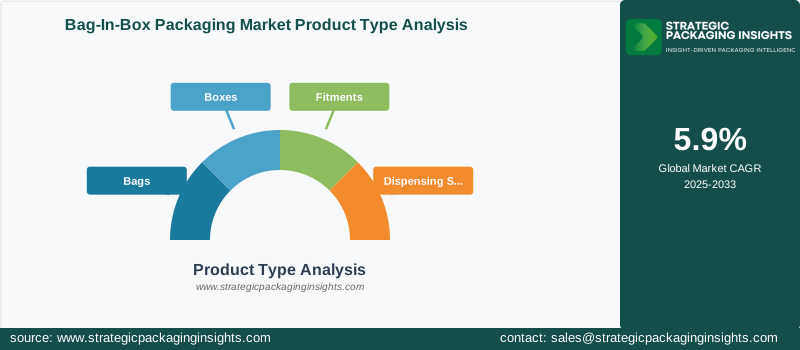
The Bag-In-Box Packaging market is segmented by product type into bags, boxes, fitments, and dispensing systems. Bags are a crucial component of this packaging format, offering flexibility and ease of use. The demand for bags is driven by their ability to preserve product freshness and extend shelf life, making them ideal for applications in the beverage and foodservice industries. Boxes, on the other hand, provide structural support and protection, ensuring the safe transportation and storage of products. Fitments and dispensing systems are essential for ensuring product safety and convenience, with innovations in these areas enhancing the overall functionality of bag-in-box packaging.
The market for dispensing systems is witnessing significant growth, driven by the increasing demand for user-friendly and efficient dispensing solutions. These systems are particularly popular in the beverage industry, where they offer precise and hygienic dispensing of liquids. As manufacturers continue to innovate in this space, the market is expected to see the introduction of advanced dispensing systems that cater to diverse consumer needs. The competition in this segment is intense, with companies focusing on product differentiation and technological advancements to gain a competitive edge.
Material Type Analysis
The Bag-In-Box Packaging market is also segmented by material type into plastic films, paperboard, and metallized films. Plastic films are widely used due to their flexibility, durability, and barrier properties, which help preserve product quality and extend shelf life. However, the environmental concerns associated with plastic usage are driving the demand for alternative materials. Paperboard is gaining popularity as a sustainable option, offering recyclability and biodegradability. The use of paperboard in bag-in-box packaging is particularly prevalent in the foodservice and household products sectors, where sustainability is a key consideration.
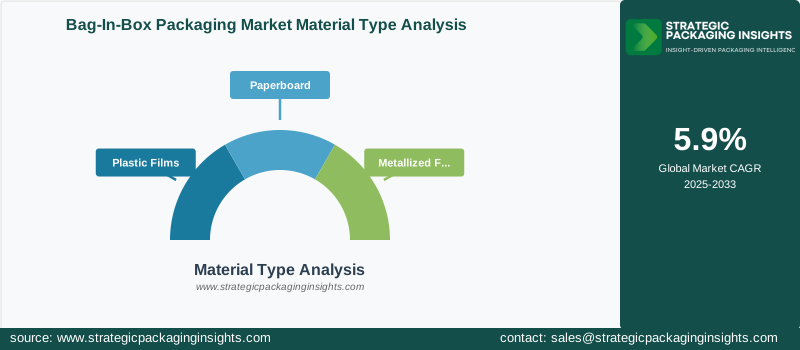
Metallized films are another important material type, offering excellent barrier properties and protection against light and oxygen. These films are commonly used in applications where product preservation is critical, such as in the packaging of wine and dairy products. The market for metallized films is expected to grow as manufacturers seek to enhance the performance and sustainability of their packaging solutions. The competition in this segment is driven by the need for innovation and the development of materials that meet regulatory standards and consumer expectations.
Application Analysis
The Bag-In-Box Packaging market is segmented by application into wine, dairy, liquid foods, and industrial liquids. The wine industry is a major end-user of bag-in-box packaging, with the packaging's ability to preserve freshness and extend shelf life being highly valued. The convenience and cost-effectiveness of bag-in-box packaging make it an attractive option for wineries looking to reduce packaging waste and improve product quality. The dairy industry is also a significant user of bag-in-box packaging, with the packaging's barrier properties and ease of use being key advantages.
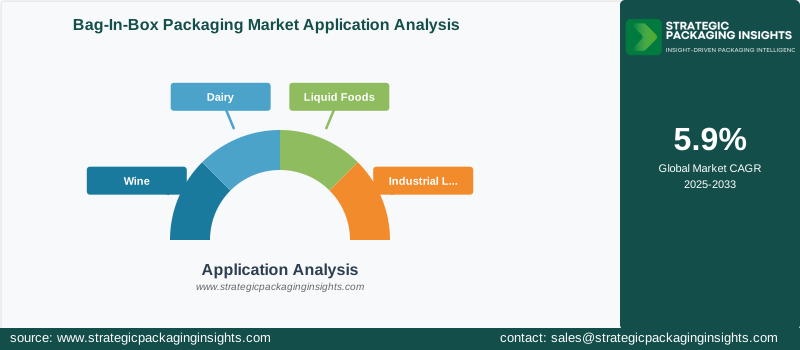
Liquid foods, such as sauces and condiments, are another important application area for bag-in-box packaging. The packaging's ability to provide portion control and reduce waste is particularly beneficial in the foodservice industry. Industrial liquids, such as chemicals and lubricants, are also increasingly being packaged in bag-in-box formats, driven by the need for safe and efficient packaging solutions. The competition in this segment is intense, with companies focusing on product innovation and customization to meet the specific needs of different applications.
End Use Analysis
The Bag-In-Box Packaging market is segmented by end use into beverages, foodservice, chemicals, and household products. The beverage industry is a major end-user of bag-in-box packaging, with the packaging's ability to preserve freshness and extend shelf life being highly valued. The convenience and cost-effectiveness of bag-in-box packaging make it an attractive option for beverage manufacturers looking to reduce packaging waste and improve product quality. The foodservice industry is also a significant user of bag-in-box packaging, with the packaging's barrier properties and ease of use being key advantages.
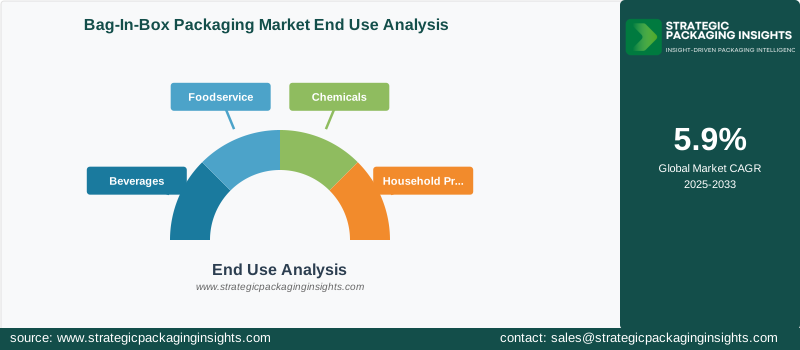
Chemicals and household products are other important end-use segments for bag-in-box packaging. The packaging's ability to provide safe and efficient storage and dispensing of liquids is particularly beneficial in these industries. The competition in this segment is driven by the need for innovation and the development of packaging solutions that meet regulatory standards and consumer expectations. As manufacturers continue to invest in research and development, the market is expected to see the introduction of novel products that cater to diverse consumer needs.
Bag-In-Box Packaging Market Segments
The Bag-In-Box Packaging market has been segmented on the basis ofProduct Type
- Bags
- Boxes
- Fitments
- Dispensing Systems
Material Type
- Plastic Films
- Paperboard
- Metallized Films
Application
- Wine
- Dairy
- Liquid Foods
- Industrial Liquids
End Use
- Beverages
- Foodservice
- Chemicals
- Household Products
Region
- Asia Pacific
- North America
- Latin America
- Europe
- Middle East & Africa




