


Bag-in-Bottle Market Outlook
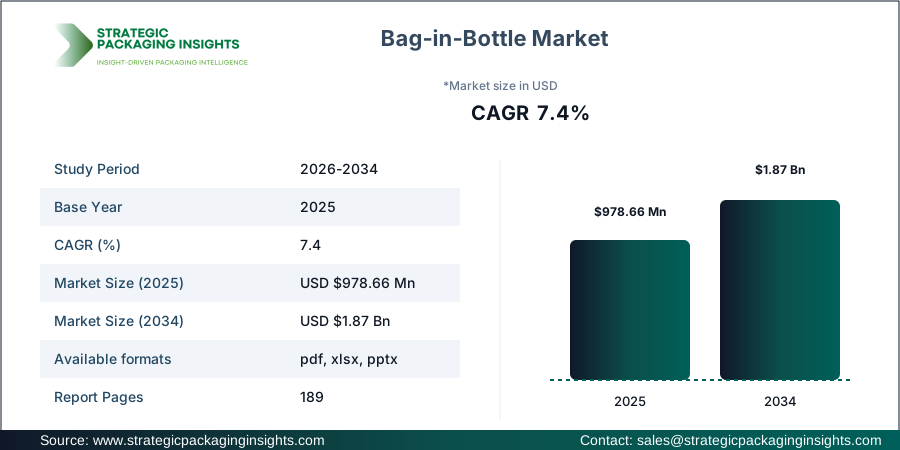
The Bag-in-Bottle market was valued at $978.66 million in 2025 and is projected to reach $1.87 billion by 2034, growing at a CAGR of 7.4% during the forecast period 2026-2034. This market is witnessing significant growth due to the increasing demand for sustainable and efficient packaging solutions across various industries. The versatility of bag-in-bottle systems, which offer enhanced product protection and extended shelf life, is driving their adoption in sectors such as cosmetics, personal care, and pharmaceuticals. The market is also benefiting from technological advancements in packaging materials and designs, which are improving the functionality and appeal of these systems.
Despite the promising growth prospects, the Bag-in-Bottle market faces certain challenges that could hinder its expansion. Regulatory constraints related to packaging materials and environmental concerns regarding plastic waste are some of the key restraining factors. However, the market holds substantial growth potential, driven by the increasing focus on eco-friendly packaging solutions and the rising demand for innovative packaging designs. Companies are investing in research and development to create more sustainable and recyclable bag-in-bottle systems, which is expected to open new avenues for market growth in the coming years.
Report Scope
| Attributes | Details |
| Report Title | Bag-in-Bottle Market Size, Future Growth and Forecast 2034 |
| Product Type | Airless Bag-in-Bottle, Dispensing Bag-in-Bottle, Refillable Systems |
| Material Type | PET, PP, PE, Multilayer Barrier Plastics |
| Application | Cosmetics, Personal Care, Pharmaceuticals, Household Products |
| End Use | Beauty Brands, Pharma Firms, Homecare Brands, Packaging Converters |
| Region | Asia Pacific, North America, Latin America, Europe, Middle East & Africa |
| Base Year | 2025 |
| Historic Period | 2018-2024 |
| Forecast Period | 2026-2034 |
| Number of Pages | 189 |
| Customization Available | Yes* |
Opportunities & Threats
The Bag-in-Bottle market presents numerous opportunities for growth, particularly in the realm of sustainable packaging solutions. As consumers become more environmentally conscious, there is a growing demand for packaging that minimizes waste and reduces the carbon footprint. Bag-in-bottle systems, with their ability to use less material while providing effective product protection, are well-positioned to capitalize on this trend. Additionally, the increasing popularity of e-commerce and online retailing is driving the need for packaging that can withstand the rigors of shipping and handling, further boosting the demand for durable and reliable bag-in-bottle solutions.
Another significant opportunity lies in the customization and personalization of packaging. Brands are increasingly looking to differentiate themselves in a crowded market by offering unique and personalized packaging solutions. Bag-in-bottle systems can be easily customized in terms of design, color, and functionality, allowing brands to create a distinctive identity and enhance consumer engagement. This trend is particularly evident in the cosmetics and personal care sectors, where packaging plays a crucial role in brand perception and consumer purchasing decisions.
However, the Bag-in-Bottle market is not without its threats. One of the primary challenges is the competition from alternative packaging solutions, such as traditional bottles and tubes, which are often perceived as more cost-effective. Additionally, the market faces potential regulatory hurdles related to the use of plastics and the need to comply with stringent environmental standards. Companies must navigate these challenges by investing in sustainable materials and innovative designs to maintain their competitive edge and meet evolving consumer expectations.
Drivers & Challenges
The growth of the Bag-in-Bottle market is driven by several key factors, including the increasing demand for convenient and user-friendly packaging solutions. Consumers are seeking packaging that is easy to use, transport, and store, and bag-in-bottle systems meet these requirements by offering lightweight and compact designs. The rise of on-the-go lifestyles and the need for portable packaging solutions are further propelling the demand for bag-in-bottle systems, particularly in the personal care and household products sectors.
Technological advancements in packaging materials and manufacturing processes are also driving the market forward. Innovations in multilayer barrier plastics and dispensing technologies are enhancing the functionality and performance of bag-in-bottle systems, making them more appealing to both consumers and manufacturers. These advancements are enabling the development of packaging solutions that offer superior product protection, extended shelf life, and improved user experience, thereby boosting market growth.
Despite these drivers, the Bag-in-Bottle market faces several challenges that could impede its growth. One of the main challenges is the high cost of production associated with advanced packaging materials and technologies. This can limit the adoption of bag-in-bottle systems, particularly among small and medium-sized enterprises with limited budgets. Additionally, the market is subject to fluctuations in raw material prices, which can impact the profitability of manufacturers and affect market dynamics. Companies must find ways to optimize their production processes and reduce costs to remain competitive in the market.
Market Share Analysis
The competitive landscape of the Bag-in-Bottle market is characterized by the presence of several key players who are actively engaged in product innovation and strategic partnerships to strengthen their market position. AptarGroup, Albea, and Silgan Dispensing are among the leading companies in the market, known for their extensive product portfolios and strong distribution networks. These companies are focusing on expanding their product offerings and enhancing their manufacturing capabilities to meet the growing demand for bag-in-bottle systems across various industries.
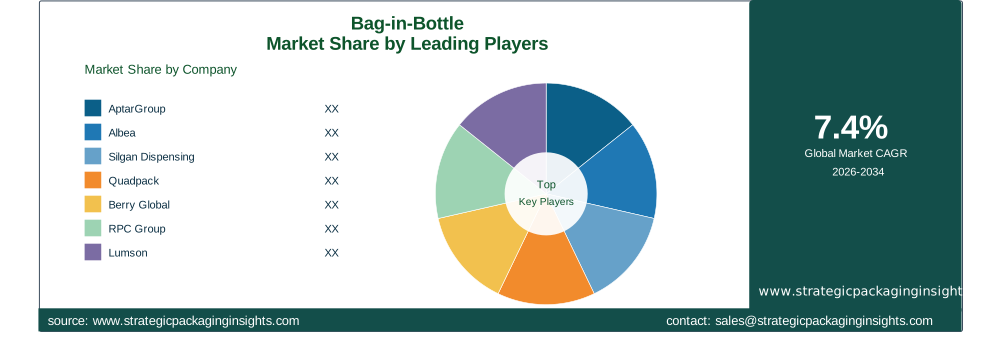
Quadpack and Berry Global are also prominent players in the market, leveraging their expertise in packaging design and material science to develop innovative and sustainable bag-in-bottle solutions. These companies are investing in research and development to create packaging systems that offer superior functionality and environmental benefits, thereby gaining a competitive edge in the market. Additionally, RPC Group and Lumson are making significant strides in the market by focusing on customization and personalization of packaging solutions to cater to the specific needs of their clients.
HCP Packaging, Raepak, and Frapak Packaging are other notable companies in the Bag-in-Bottle market, known for their commitment to quality and customer satisfaction. These companies are adopting strategic initiatives such as mergers and acquisitions, collaborations, and partnerships to expand their market presence and enhance their product offerings. By focusing on innovation and sustainability, these companies are well-positioned to capitalize on the growing demand for bag-in-bottle systems and drive market growth in the coming years.
Key Highlights
- The Bag-in-Bottle market is projected to grow at a CAGR of 7.4% from 2026 to 2034.
- Increasing demand for sustainable and eco-friendly packaging solutions is driving market growth.
- Technological advancements in packaging materials and designs are enhancing product functionality.
- Customization and personalization of packaging are key trends in the market.
- The cosmetics and personal care sectors are major end-users of bag-in-bottle systems.
- Regulatory constraints and environmental concerns are potential challenges for the market.
- Key players are focusing on innovation and strategic partnerships to strengthen their market position.
- The Asia Pacific region is expected to witness significant growth due to rising consumer demand.
- Online retailing and e-commerce are boosting the demand for durable packaging solutions.
- Fluctuations in raw material prices can impact market dynamics and profitability.
Top Countries Insights
In the Bag-in-Bottle market, the United States stands out as a key player, with a market size of approximately $300 million and a CAGR of 6%. The country's strong focus on innovation and sustainability in packaging solutions is driving market growth. The demand for eco-friendly and convenient packaging options is increasing, particularly in the cosmetics and personal care sectors. Regulatory support for sustainable packaging practices is also contributing to the market's expansion.
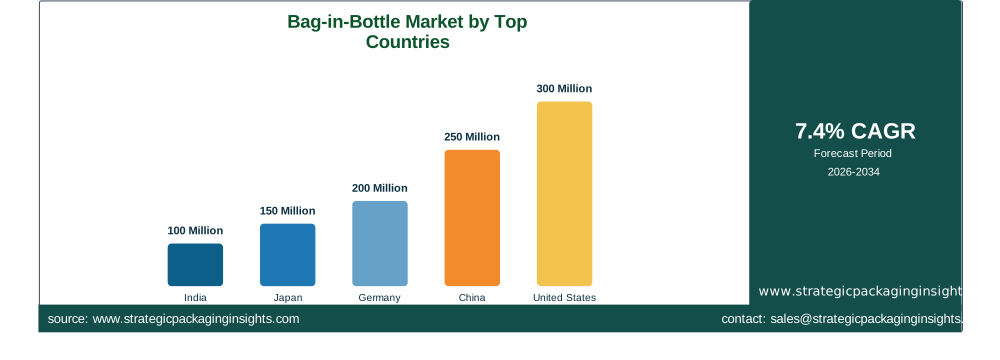
China is another significant market for bag-in-bottle systems, with a market size of around $250 million and a CAGR of 8%. The country's booming e-commerce industry and growing consumer awareness about sustainable packaging are key growth drivers. The government's initiatives to promote environmentally friendly packaging solutions are further boosting the market. However, challenges such as regulatory compliance and competition from traditional packaging solutions remain.
Germany, with a market size of approximately $200 million and a CAGR of 7%, is a leading market in Europe. The country's strong emphasis on sustainability and innovation in packaging is driving the demand for bag-in-bottle systems. The cosmetics and personal care sectors are major contributors to market growth, with companies focusing on customization and personalization of packaging solutions to enhance consumer engagement.
In Japan, the Bag-in-Bottle market is valued at around $150 million, with a CAGR of 5%. The country's aging population and increasing demand for convenient and user-friendly packaging solutions are key growth drivers. The market is also benefiting from technological advancements in packaging materials and designs, which are enhancing product functionality and appeal.
India, with a market size of approximately $100 million and a CAGR of 9%, is an emerging market for bag-in-bottle systems. The country's growing middle-class population and increasing consumer awareness about sustainable packaging are driving market growth. The government's initiatives to promote eco-friendly packaging solutions are also contributing to the market's expansion. However, challenges such as high production costs and competition from alternative packaging solutions remain.
Bag-in-Bottle Market Segments Insights

Product Type Analysis
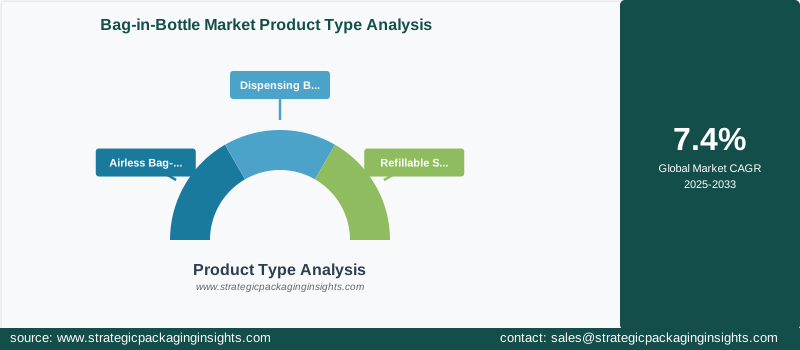
The Bag-in-Bottle market is segmented by product type into airless bag-in-bottle, dispensing bag-in-bottle, and refillable systems. Airless bag-in-bottle systems are gaining popularity due to their ability to protect sensitive formulations from air exposure, thereby extending product shelf life. This segment is particularly favored in the cosmetics and personal care industries, where product integrity is crucial. Dispensing bag-in-bottle systems are also witnessing increased demand, driven by their convenience and ease of use. These systems are ideal for applications requiring precise dosing and controlled dispensing, making them popular in the pharmaceutical and household products sectors. Refillable systems are emerging as a sustainable packaging solution, offering the advantage of reduced waste and cost savings. This segment is expected to grow as consumers and brands alike prioritize eco-friendly packaging options.
Material Type Analysis
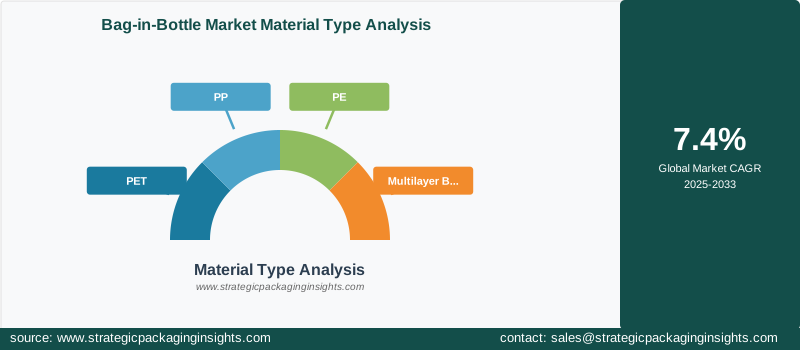
By material type, the Bag-in-Bottle market is categorized into PET, PP, PE, and multilayer barrier plastics. PET is the most widely used material, known for its excellent clarity, strength, and recyclability. It is favored in the cosmetics and personal care sectors for its aesthetic appeal and durability. PP and PE are also popular materials, offering flexibility and chemical resistance, making them suitable for a wide range of applications. Multilayer barrier plastics are gaining traction due to their superior barrier properties, which protect products from moisture, oxygen, and other external factors. These materials are ideal for packaging sensitive formulations, such as pharmaceuticals and high-end cosmetics, where product protection is paramount.
Application Analysis
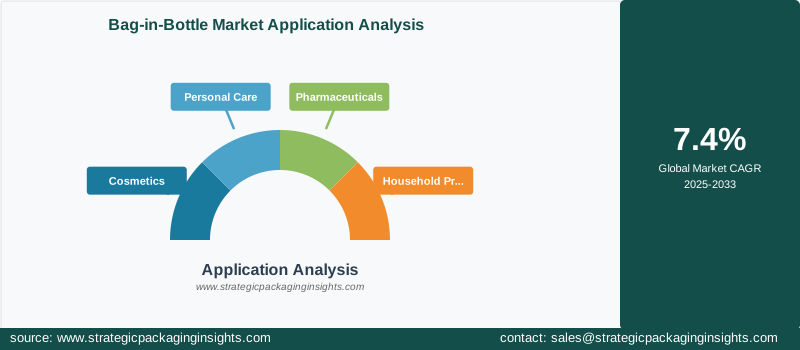
The Bag-in-Bottle market is segmented by application into cosmetics, personal care, pharmaceuticals, and household products. The cosmetics and personal care sectors are the largest end-users of bag-in-bottle systems, driven by the demand for innovative and aesthetically pleasing packaging solutions. These sectors prioritize packaging that enhances brand image and consumer experience, making bag-in-bottle systems an attractive choice. The pharmaceutical industry is also a significant market for these systems, as they offer precise dosing and protection for sensitive formulations. Household products, such as cleaning agents and detergents, are increasingly being packaged in bag-in-bottle systems due to their convenience and ease of use.
End Use Analysis
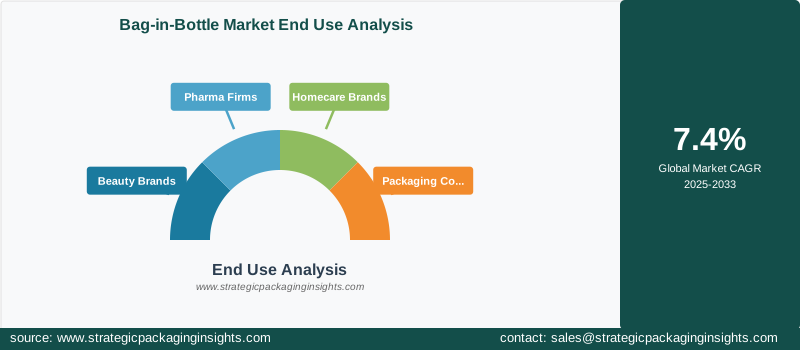
In terms of end use, the Bag-in-Bottle market is divided into beauty brands, pharma firms, homecare brands, and packaging converters. Beauty brands are the primary users of bag-in-bottle systems, leveraging their ability to offer unique and customizable packaging solutions that enhance brand identity. Pharma firms are adopting these systems for their precision and protection capabilities, which are essential for maintaining product efficacy. Homecare brands are increasingly using bag-in-bottle systems for their convenience and user-friendly designs, which appeal to consumers seeking efficient and easy-to-use packaging. Packaging converters play a crucial role in the market, providing expertise in material selection and design to create innovative and sustainable bag-in-bottle solutions.
Bag-in-Bottle Market Segments
The Bag-in-Bottle market has been segmented on the basis ofProduct Type
- Airless Bag-in-Bottle
- Dispensing Bag-in-Bottle
- Refillable Systems
Material Type
- PET
- PP
- PE
- Multilayer Barrier Plastics
Application
- Cosmetics
- Personal Care
- Pharmaceuticals
- Household Products
End Use
- Beauty Brands
- Pharma Firms
- Homecare Brands
- Packaging Converters
Region
- Asia Pacific
- North America
- Latin America
- Europe
- Middle East & Africa




