


Bag Closures Market Outlook
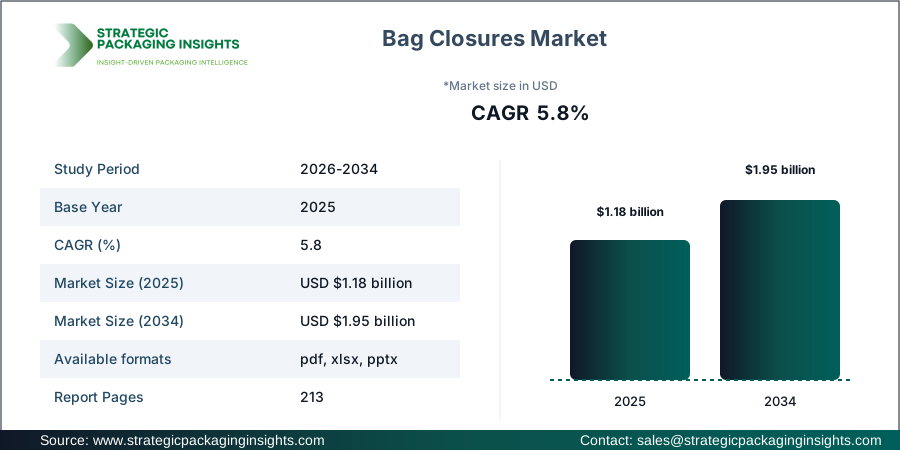
The Bag Closures market was valued at $1.18 billion in 2025 and is projected to reach $1.95 billion by 2034, growing at a CAGR of 5.8% during the forecast period 2026-2034. This market is driven by the increasing demand for convenient and efficient packaging solutions across various sectors, including food processing and retail. The rise in consumer preference for packaged and processed foods has significantly contributed to the growth of the bag closures market. Additionally, the expansion of the retail sector, particularly in emerging economies, is expected to further fuel market growth. The development of eco-friendly and sustainable closure solutions is also anticipated to create new opportunities for market players.
Report Scope
| Attributes | Details |
| Report Title | Bag Closures Market Size, Future Growth and Forecast 2034 |
| Product Type | Clip Closures, Twist Ties, Zipper Closures, Tape Closures |
| Material Type | Plastic, Metal, Paper, Bio-based |
| Application | Bakery, Fresh Produce, Snacks, Household Bags |
| End Use | Food Processors, Retailers, Households, Converters |
| Region | Asia Pacific, North America, Latin America, Europe, Middle East & Africa |
| Base Year | 2025 |
| Historic Period | 2018-2024 |
| Forecast Period | 2026-2034 |
| Number of Pages | 213 |
| Customization Available | Yes* |
Opportunities & Threats
The bag closures market presents numerous opportunities, particularly with the growing trend towards sustainable packaging. As consumers become more environmentally conscious, there is a rising demand for closures made from biodegradable and recyclable materials. This shift is encouraging manufacturers to innovate and develop eco-friendly products, which not only meet consumer expectations but also comply with stringent environmental regulations. Furthermore, the increasing penetration of e-commerce and online grocery shopping is driving the need for secure and reliable packaging solutions, thereby boosting the demand for advanced bag closures. Companies that can offer innovative, sustainable, and cost-effective solutions are likely to gain a competitive edge in this evolving market landscape.
Another significant opportunity lies in the technological advancements in closure designs and materials. The integration of smart technologies, such as RFID tags and QR codes, into bag closures is gaining traction, providing added value to both consumers and retailers. These technologies enable better inventory management, enhance product traceability, and improve consumer engagement through interactive packaging. As the demand for smart packaging solutions grows, companies investing in research and development to incorporate these technologies into their products are poised to capitalize on this trend. Additionally, the customization of bag closures to cater to specific consumer needs and preferences offers further growth potential for market players.
Despite the promising opportunities, the bag closures market faces certain threats that could hinder its growth. One of the primary challenges is the volatility in raw material prices, particularly for plastic and metal closures. Fluctuations in the prices of these materials can impact the overall production costs, affecting the profitability of manufacturers. Moreover, the increasing regulatory pressure to reduce plastic usage and promote sustainable alternatives poses a significant threat to companies relying heavily on plastic closures. To mitigate these risks, manufacturers need to diversify their material sources and invest in the development of alternative materials that comply with environmental standards.
Drivers & Challenges
The primary drivers of the bag closures market include the growing demand for packaged food products and the expansion of the retail sector. As consumers increasingly opt for convenience foods, the need for effective packaging solutions that ensure product freshness and safety is on the rise. Bag closures play a crucial role in maintaining the integrity of packaged goods, making them an essential component of the packaging industry. Additionally, the rapid growth of the retail sector, particularly in developing regions, is driving the demand for bag closures. Retailers are seeking innovative and cost-effective packaging solutions to enhance product presentation and extend shelf life, further propelling market growth.
Another key driver is the increasing focus on sustainability and environmental responsibility. With growing awareness about the environmental impact of packaging waste, consumers and regulatory bodies are pushing for more sustainable packaging solutions. This has led to a surge in demand for closures made from biodegradable, recyclable, and bio-based materials. Manufacturers are responding to this trend by developing eco-friendly products that not only meet consumer expectations but also comply with environmental regulations. The shift towards sustainable packaging is expected to drive significant growth in the bag closures market over the forecast period.
However, the market also faces several challenges that could impede its growth. One of the major challenges is the intense competition among market players, which can lead to price wars and reduced profit margins. Companies need to continuously innovate and differentiate their products to maintain a competitive edge. Additionally, the stringent regulations regarding packaging materials and waste management pose a challenge for manufacturers, requiring them to invest in research and development to comply with these standards. The need for continuous innovation and compliance with regulatory requirements can increase operational costs, impacting the overall profitability of market players.
Market Share Analysis
The competitive landscape of the bag closures market is characterized by the presence of several key players, each striving to enhance their market share through strategic initiatives such as mergers, acquisitions, and product innovations. Companies like Kwik Lok, Schutte Bagclosures, and Bedford Industries are leading the market with their extensive product portfolios and strong distribution networks. These companies are focusing on expanding their geographical presence and enhancing their product offerings to cater to the evolving needs of consumers and retailers. The market is also witnessing increased collaboration between manufacturers and retailers to develop customized solutions that meet specific consumer demands.
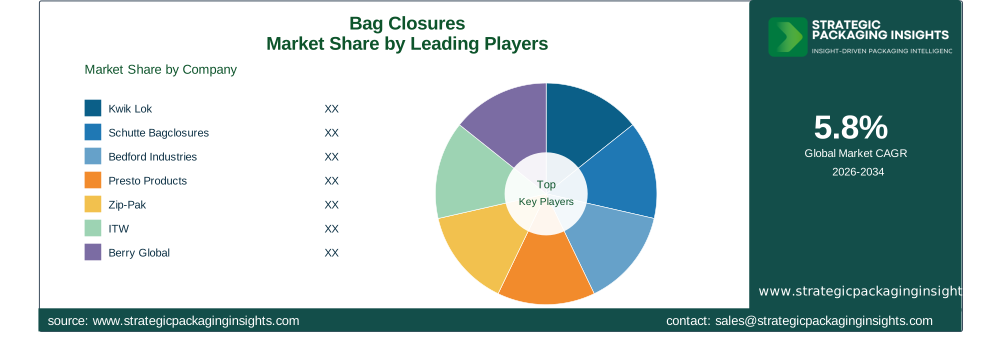
Kwik Lok is a prominent player in the bag closures market, known for its innovative and sustainable closure solutions. The company has a significant market share, driven by its commitment to environmental sustainability and continuous product innovation. Schutte Bagclosures is another key player, offering a wide range of closure solutions for various applications. The company's focus on quality and customer satisfaction has helped it maintain a strong position in the market. Bedford Industries, with its extensive experience and expertise in the packaging industry, is also a major player, known for its high-quality and reliable closure products.
Presto Products and Zip-Pak are also significant contributors to the bag closures market, with their focus on developing advanced and user-friendly closure solutions. These companies are investing in research and development to introduce innovative products that cater to the changing consumer preferences and regulatory requirements. ITW and Berry Global are other notable players, leveraging their extensive industry experience and technological capabilities to offer a diverse range of closure solutions. These companies are focusing on expanding their product portfolios and enhancing their production capabilities to meet the growing demand for bag closures.
Mondi, Amcor, and ProAmpac are also key players in the market, known for their commitment to sustainability and innovation. These companies are investing in the development of eco-friendly closure solutions to address the increasing demand for sustainable packaging. Their focus on product innovation and strategic partnerships is helping them strengthen their market position and expand their customer base. Overall, the competitive landscape of the bag closures market is dynamic, with companies continuously striving to enhance their market share through strategic initiatives and product innovations.
Key Highlights
- The bag closures market is projected to grow at a CAGR of 5.8% from 2026 to 2034.
- Increasing demand for sustainable and eco-friendly closure solutions is driving market growth.
- Technological advancements in closure designs and materials are creating new opportunities.
- Volatility in raw material prices poses a challenge for market players.
- Key players are focusing on product innovation and strategic partnerships to enhance market share.
- The expansion of the retail sector is boosting the demand for bag closures.
- Regulatory pressure to reduce plastic usage is encouraging the development of alternative materials.
- Customization of bag closures to meet specific consumer needs offers growth potential.
- Integration of smart technologies into closures is gaining traction.
- Collaboration between manufacturers and retailers is driving the development of customized solutions.
Top Countries Insights
In the bag closures market, the United States holds a significant share, with a market size of approximately $350 million and a CAGR of 4%. The growth in this region is driven by the strong presence of key market players and the increasing demand for packaged food products. The focus on sustainability and the development of eco-friendly closure solutions are also contributing to market growth. However, the stringent regulations regarding packaging materials pose a challenge for manufacturers in this region.
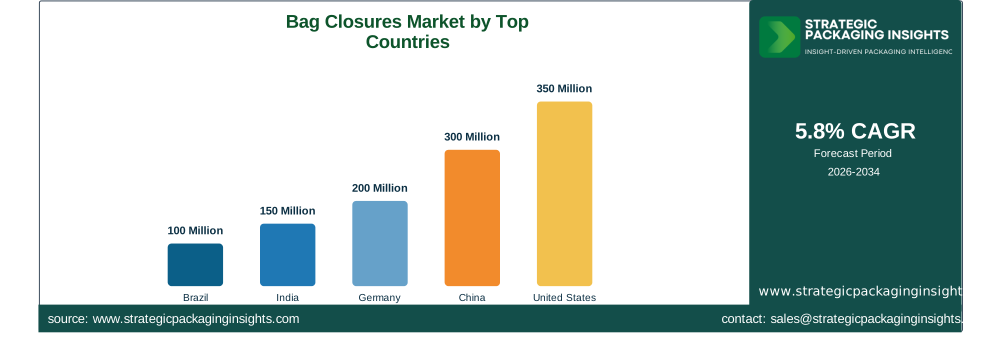
China is another major market for bag closures, with a market size of around $300 million and a CAGR of 6%. The rapid expansion of the retail sector and the increasing consumer preference for packaged foods are driving the demand for bag closures in this region. The government's initiatives to promote sustainable packaging solutions are also encouraging manufacturers to develop eco-friendly products. However, the intense competition among market players poses a challenge for companies operating in this region.
Germany is a key market in Europe, with a market size of approximately $200 million and a CAGR of 5%. The growth in this region is driven by the increasing demand for sustainable packaging solutions and the strong presence of key market players. The focus on innovation and the development of advanced closure solutions are also contributing to market growth. However, the stringent regulations regarding packaging materials and waste management pose a challenge for manufacturers in this region.
India is an emerging market for bag closures, with a market size of around $150 million and a CAGR of 7%. The rapid growth of the retail sector and the increasing consumer preference for packaged foods are driving the demand for bag closures in this region. The government's initiatives to promote sustainable packaging solutions are also encouraging manufacturers to develop eco-friendly products. However, the lack of awareness about sustainable packaging solutions poses a challenge for companies operating in this region.
Brazil is another significant market for bag closures, with a market size of approximately $100 million and a CAGR of 5%. The growth in this region is driven by the increasing demand for packaged food products and the expansion of the retail sector. The focus on sustainability and the development of eco-friendly closure solutions are also contributing to market growth. However, the volatility in raw material prices poses a challenge for manufacturers in this region.
Bag Closures Market Segments Insights

Product Type Analysis
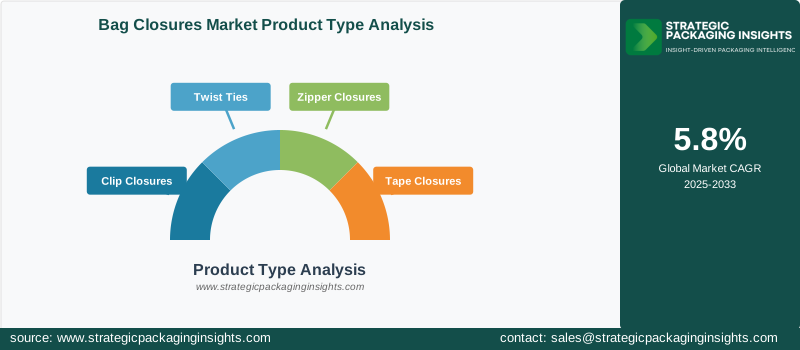
The bag closures market is segmented by product type into clip closures, twist ties, zipper closures, and tape closures. Clip closures are widely used due to their ease of use and cost-effectiveness, making them a popular choice among consumers and retailers. The demand for clip closures is driven by their versatility and ability to securely seal various types of bags, ensuring product freshness and safety. Twist ties are also a significant segment, known for their flexibility and reusability. They are commonly used in the bakery and fresh produce sectors, where maintaining product integrity is crucial. Zipper closures are gaining popularity due to their convenience and resealability, making them ideal for snacks and household bags. Tape closures, although less common, are used in specific applications where a strong and secure seal is required.
The competition in the product type segment is intense, with manufacturers focusing on innovation and product differentiation to gain a competitive edge. Companies are investing in research and development to introduce advanced closure solutions that cater to the evolving needs of consumers and retailers. The integration of smart technologies, such as RFID tags and QR codes, into closures is also gaining traction, providing added value to both consumers and retailers. As the demand for innovative and user-friendly closure solutions grows, companies that can offer a diverse range of products are likely to succeed in this competitive market.
Material Type Analysis
The bag closures market is segmented by material type into plastic, metal, paper, and bio-based materials. Plastic closures dominate the market due to their cost-effectiveness and versatility. However, the increasing regulatory pressure to reduce plastic usage and promote sustainable alternatives is encouraging manufacturers to explore other materials. Metal closures are known for their durability and strength, making them suitable for applications where a secure seal is essential. Paper closures are gaining popularity due to their eco-friendly nature and recyclability, aligning with the growing consumer preference for sustainable packaging solutions. Bio-based materials are also emerging as a viable alternative, offering the benefits of sustainability and biodegradability.
The competition in the material type segment is driven by the need for innovation and compliance with environmental regulations. Manufacturers are investing in the development of alternative materials that not only meet consumer expectations but also comply with stringent environmental standards. The shift towards sustainable packaging solutions is expected to drive significant growth in the bio-based and paper closures segments. Companies that can offer eco-friendly and cost-effective closure solutions are likely to gain a competitive edge in this evolving market landscape.
Application Analysis
The bag closures market is segmented by application into bakery, fresh produce, snacks, and household bags. The bakery segment holds a significant share of the market, driven by the increasing demand for packaged bakery products. Bag closures play a crucial role in maintaining the freshness and quality of bakery items, making them an essential component of the packaging process. The fresh produce segment is also a major contributor to the market, with closures being used to secure bags of fruits and vegetables, ensuring product integrity and safety. The snacks segment is witnessing rapid growth, driven by the increasing consumer preference for convenient and on-the-go food options. Household bags, although a smaller segment, are gaining popularity due to the growing trend of home organization and storage solutions.
The competition in the application segment is intense, with manufacturers focusing on developing customized closure solutions that cater to specific consumer needs and preferences. Companies are investing in research and development to introduce innovative products that enhance the functionality and convenience of bag closures. The integration of smart technologies into closures is also gaining traction, providing added value to consumers and retailers. As the demand for advanced and user-friendly closure solutions grows, companies that can offer a diverse range of products tailored to specific applications are likely to succeed in this competitive market.
End Use Analysis
The bag closures market is segmented by end use into food processors, retailers, households, and converters. Food processors are the largest end-use segment, driven by the increasing demand for packaged food products. Bag closures are essential for ensuring product freshness and safety, making them a critical component of the food processing industry. Retailers are also a significant segment, with closures being used to enhance product presentation and extend shelf life. The household segment is witnessing growth, driven by the increasing consumer preference for convenient and organized storage solutions. Converters, although a smaller segment, play a crucial role in the packaging supply chain, providing customized closure solutions to meet specific consumer demands.
The competition in the end-use segment is driven by the need for innovation and customization. Manufacturers are focusing on developing closure solutions that cater to the specific needs of different end-use segments. Companies are investing in research and development to introduce advanced products that enhance the functionality and convenience of bag closures. The integration of smart technologies into closures is also gaining traction, providing added value to consumers and retailers. As the demand for customized and user-friendly closure solutions grows, companies that can offer a diverse range of products tailored to specific end-use applications are likely to succeed in this competitive market.
Bag Closures Market Segments
The Bag Closures market has been segmented on the basis ofProduct Type
- Clip Closures
- Twist Ties
- Zipper Closures
- Tape Closures
Material Type
- Plastic
- Metal
- Paper
- Bio-based
Application
- Bakery
- Fresh Produce
- Snacks
- Household Bags
End Use
- Food Processors
- Retailers
- Households
- Converters
Region
- Asia Pacific
- North America
- Latin America
- Europe
- Middle East & Africa




