


Automotive Pump and Dispenser Market Outlook
The automotive pump and dispenser market was valued at $750.12 million in 2025 and is projected to reach $1.10 billion by 2034, growing at a CAGR of 4.3% during the forecast period 2026-2034. This market is driven by the increasing demand for fuel-efficient vehicles and the growing adoption of electric vehicles (EVs) worldwide. The automotive industry is undergoing a significant transformation with the integration of advanced technologies, which is expected to boost the demand for automotive pumps and dispensers. The rise in vehicle production, coupled with stringent emission norms, is further propelling the market growth. Additionally, the increasing focus on reducing vehicle weight and enhancing fuel efficiency is driving the demand for lightweight and efficient automotive pumps.
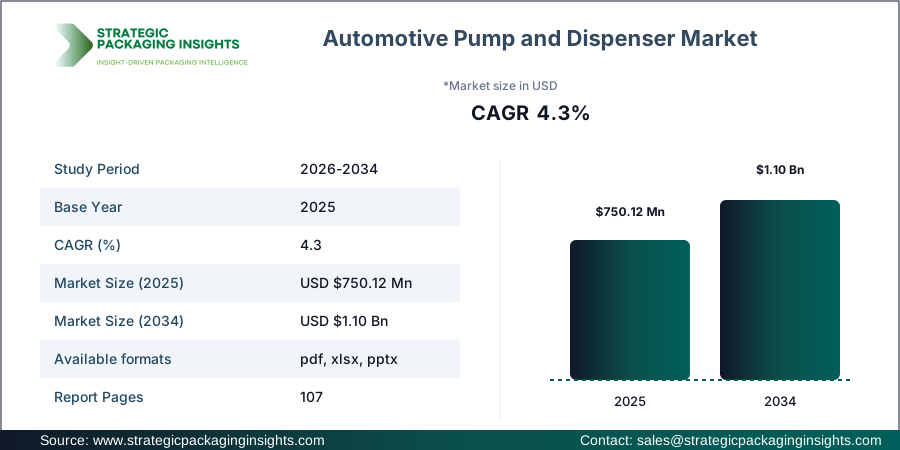
However, the market faces challenges such as fluctuating raw material prices and the high cost of advanced automotive pumps, which may hinder market growth. Despite these challenges, the market holds significant growth potential due to the increasing demand for electric and hybrid vehicles, which require specialized pumps for thermal management and fuel systems. The growing trend of vehicle electrification and the development of advanced pump technologies are expected to create lucrative opportunities for market players. Moreover, the expansion of the automotive industry in emerging economies presents a promising growth avenue for the automotive pump and dispenser market.
Report Scope
| Attributes | Details |
| Report Title | Automotive Pump and Dispenser Market Size, Future Growth and Forecast 2034 |
| Pump Type | Fuel Pump, Water Pump, Oil Pump |
| Vehicle Type | Passenger Car, Commercial Vehicle, Electric Vehicle |
| Application | Engine, Fuel System, Thermal Management |
| Distribution Channel | OEM, Aftermarket |
| Region | Asia Pacific, North America, Latin America, Europe, Middle East & Africa |
| Base Year | 2025 |
| Historic Period | 2018-2024 |
| Forecast Period | 2026-2034 |
| Number of Pages | 107 |
| Customization Available | Yes* |
Opportunities & Threats
The automotive pump and dispenser market is poised for substantial growth, driven by the increasing demand for electric and hybrid vehicles. As governments worldwide implement stringent emission regulations, the automotive industry is shifting towards cleaner and more efficient technologies. This transition is creating a significant opportunity for automotive pump manufacturers to develop innovative solutions that cater to the specific needs of electric and hybrid vehicles. Additionally, the growing trend of vehicle electrification is expected to drive the demand for advanced thermal management systems, further boosting the market for automotive pumps and dispensers.
Another opportunity lies in the expansion of the automotive industry in emerging economies. Countries in Asia Pacific and Latin America are witnessing rapid urbanization and industrialization, leading to increased vehicle production and sales. This growth presents a lucrative opportunity for automotive pump manufacturers to expand their presence in these regions. Furthermore, the increasing focus on fuel efficiency and the reduction of vehicle weight is driving the demand for lightweight and efficient automotive pumps, providing an additional growth avenue for market players.
Despite the promising opportunities, the automotive pump and dispenser market faces several threats that could hinder its growth. One of the primary challenges is the fluctuating prices of raw materials, which can impact the production costs of automotive pumps. Additionally, the high cost of advanced automotive pumps may limit their adoption, particularly in price-sensitive markets. Moreover, the ongoing trade tensions and geopolitical uncertainties could disrupt the supply chain and affect market dynamics. To mitigate these threats, market players need to focus on developing cost-effective solutions and strengthening their supply chain resilience.
Drivers & Challenges
The automotive pump and dispenser market is driven by several key factors, including the increasing demand for fuel-efficient vehicles and the growing adoption of electric vehicles. As consumers become more environmentally conscious, there is a rising demand for vehicles that offer better fuel efficiency and lower emissions. This trend is driving the development of advanced automotive pumps that enhance the performance and efficiency of vehicles. Additionally, the implementation of stringent emission regulations by governments worldwide is compelling automakers to adopt cleaner technologies, further boosting the demand for automotive pumps and dispensers.
Another significant driver of the market is the rapid advancement in automotive technologies. The integration of advanced technologies such as electric powertrains, hybrid systems, and autonomous driving features is transforming the automotive industry. These technological advancements require specialized pumps for various applications, including thermal management, fuel systems, and engine cooling. As a result, the demand for automotive pumps and dispensers is expected to increase significantly in the coming years. Moreover, the growing trend of vehicle electrification is creating new opportunities for market players to develop innovative pump solutions that cater to the specific needs of electric and hybrid vehicles.
Despite the positive drivers, the automotive pump and dispenser market faces several challenges that could impede its growth. One of the primary challenges is the high cost of advanced automotive pumps, which may limit their adoption, particularly in developing regions. Additionally, the fluctuating prices of raw materials can impact the production costs and profitability of market players. Furthermore, the ongoing trade tensions and geopolitical uncertainties pose a risk to the global supply chain, potentially affecting the availability and pricing of automotive pumps. To overcome these challenges, market players need to focus on cost optimization, supply chain resilience, and strategic partnerships to ensure sustainable growth.
Market Share Analysis
The automotive pump and dispenser market is characterized by intense competition, with several key players vying for market share. The competitive landscape is dominated by established companies such as Bosch, Denso, Continental, Aisin, Magna, Valeo, Gates, Hitachi Astemo, MAHLE, and TI Fluid Systems. These companies have a strong presence in the market and are continuously investing in research and development to innovate and expand their product portfolios. The market is also witnessing the entry of new players, further intensifying the competition.
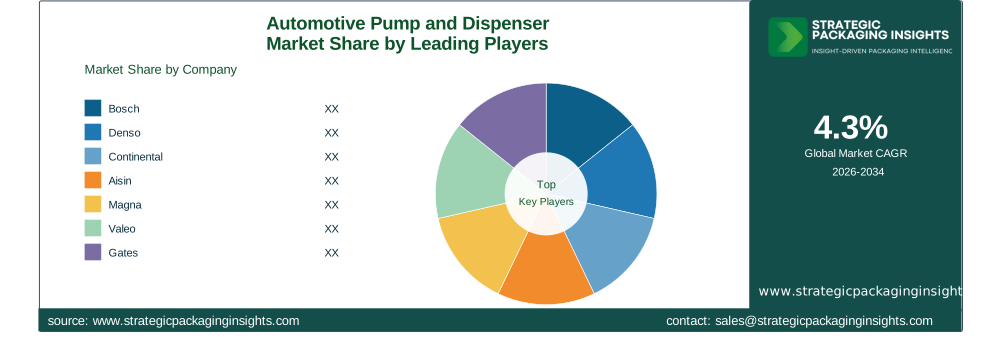
Bosch is one of the leading players in the automotive pump and dispenser market, known for its innovative solutions and extensive product range. The company focuses on developing advanced pump technologies that enhance vehicle performance and efficiency. Denso, another major player, is renowned for its high-quality automotive components and systems. The company is committed to sustainability and is actively working on developing eco-friendly pump solutions to meet the growing demand for cleaner technologies.
Continental is a key player in the market, offering a wide range of automotive pumps and dispensers for various applications. The company is focused on expanding its presence in emerging markets and strengthening its product portfolio through strategic partnerships and acquisitions. Aisin, a leading automotive component manufacturer, is known for its advanced pump technologies and strong focus on innovation. The company is actively investing in research and development to develop cutting-edge solutions that cater to the evolving needs of the automotive industry.
Magna, Valeo, Gates, Hitachi Astemo, MAHLE, and TI Fluid Systems are also prominent players in the market, each with their unique strengths and capabilities. These companies are focused on expanding their market presence through strategic collaborations, product innovations, and geographic expansion. The competitive landscape of the automotive pump and dispenser market is dynamic, with companies continuously striving to gain a competitive edge through innovation, quality, and customer-centric solutions.
Key Highlights
- The automotive pump and dispenser market is projected to reach $1.10 billion by 2034, growing at a CAGR of 4.3% from 2026 to 2034.
- Increasing demand for electric and hybrid vehicles is driving the market for advanced automotive pumps and dispensers.
- Stringent emission regulations are compelling automakers to adopt cleaner technologies, boosting the demand for automotive pumps.
- Technological advancements in the automotive industry are creating new opportunities for innovative pump solutions.
- Fluctuating raw material prices and high costs of advanced pumps pose challenges to market growth.
- Asia Pacific and Latin America are emerging as lucrative markets for automotive pump manufacturers.
- Key players in the market include Bosch, Denso, Continental, Aisin, Magna, Valeo, Gates, Hitachi Astemo, MAHLE, and TI Fluid Systems.
Top Countries Insights
In the automotive pump and dispenser market, the United States stands out as a key player, with a market size of approximately $250 million and a CAGR of 3%. The country's strong automotive industry, coupled with stringent emission regulations, drives the demand for advanced automotive pumps. The focus on fuel efficiency and the growing adoption of electric vehicles further contribute to market growth. However, challenges such as fluctuating raw material prices and trade tensions may impact the market dynamics.
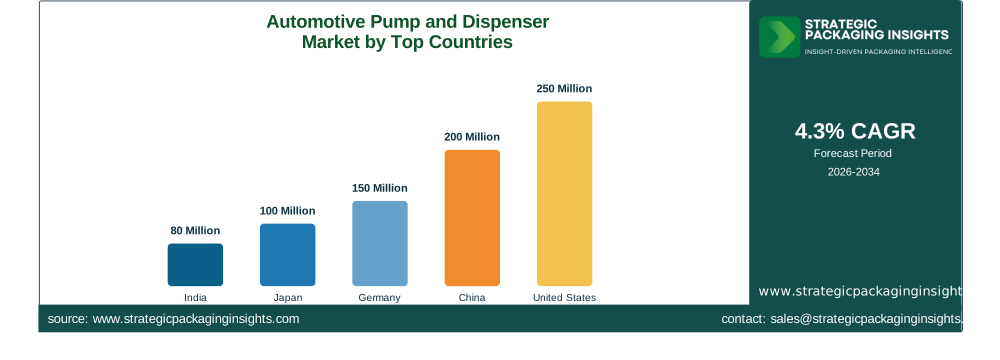
China, with a market size of around $200 million and a CAGR of 5%, is another significant player in the automotive pump and dispenser market. The country's rapid urbanization and industrialization have led to increased vehicle production and sales, driving the demand for automotive pumps. The Chinese government's focus on reducing emissions and promoting electric vehicles is also boosting the market. However, the high cost of advanced pumps and the need for technological advancements pose challenges to market growth.
Germany, with a market size of approximately $150 million and a CAGR of 4%, is a key market for automotive pumps and dispensers. The country's strong automotive industry and focus on innovation drive the demand for advanced pump solutions. The implementation of stringent emission regulations and the growing trend of vehicle electrification further contribute to market growth. However, challenges such as high production costs and supply chain disruptions may impact the market dynamics.
Japan, with a market size of around $100 million and a CAGR of 3%, is another important market for automotive pumps and dispensers. The country's focus on technological advancements and innovation drives the demand for advanced pump solutions. The growing adoption of electric vehicles and the implementation of stringent emission regulations further boost the market. However, challenges such as high production costs and fluctuating raw material prices may impact market growth.
India, with a market size of approximately $80 million and a CAGR of 6%, is an emerging market for automotive pumps and dispensers. The country's rapid urbanization and industrialization have led to increased vehicle production and sales, driving the demand for automotive pumps. The Indian government's focus on reducing emissions and promoting electric vehicles is also boosting the market. However, challenges such as high production costs and the need for technological advancements pose challenges to market growth.
Automotive Pump and Dispenser Market Segments Insights

Pump Type Analysis
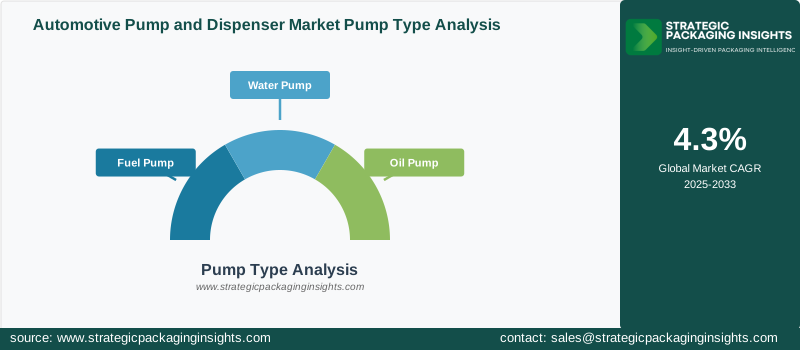
The automotive pump and dispenser market is segmented by pump type into fuel pumps, water pumps, and oil pumps. Fuel pumps are essential components in vehicles, responsible for delivering fuel from the tank to the engine. The demand for fuel pumps is driven by the increasing production of vehicles and the growing focus on fuel efficiency. Water pumps, on the other hand, play a crucial role in the engine cooling system, ensuring optimal engine performance and preventing overheating. The demand for water pumps is driven by the need for efficient thermal management systems in vehicles. Oil pumps are vital for lubricating the engine components, reducing friction, and ensuring smooth engine operation. The demand for oil pumps is driven by the increasing focus on engine performance and efficiency.
The competition in the pump type segment is intense, with several key players offering a wide range of products to cater to the diverse needs of the automotive industry. Companies are focusing on developing advanced pump technologies that enhance vehicle performance and efficiency. The growing trend of vehicle electrification is also driving the demand for specialized pumps for electric and hybrid vehicles. Additionally, the increasing focus on reducing vehicle weight and enhancing fuel efficiency is driving the demand for lightweight and efficient pumps. The pump type segment is expected to witness significant growth in the coming years, driven by technological advancements and the increasing demand for fuel-efficient vehicles.
Vehicle Type Analysis
The automotive pump and dispenser market is segmented by vehicle type into passenger cars, commercial vehicles, and electric vehicles. Passenger cars account for a significant share of the market, driven by the increasing production and sales of vehicles worldwide. The demand for automotive pumps in passenger cars is driven by the need for efficient fuel systems, thermal management, and engine performance. Commercial vehicles, including trucks and buses, also contribute to the demand for automotive pumps, driven by the need for robust and reliable pump solutions for heavy-duty applications.
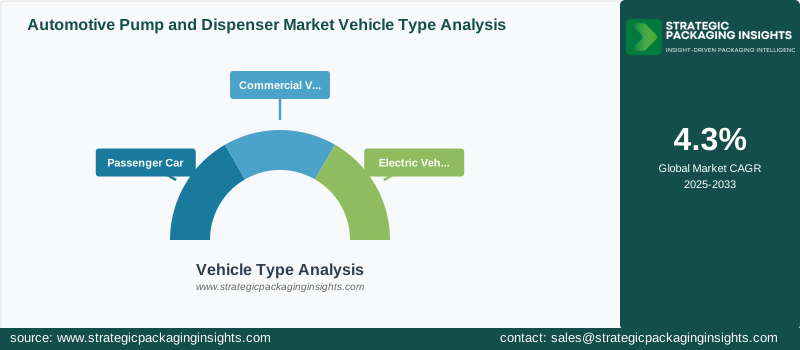
Electric vehicles are emerging as a key segment in the automotive pump and dispenser market, driven by the growing trend of vehicle electrification and the increasing focus on reducing emissions. Electric vehicles require specialized pumps for thermal management and fuel systems, creating new opportunities for market players. The demand for automotive pumps in electric vehicles is expected to increase significantly in the coming years, driven by the growing adoption of electric and hybrid vehicles. The vehicle type segment is expected to witness significant growth, driven by the increasing production of vehicles and the growing focus on fuel efficiency and emission reduction.
Application Analysis
The automotive pump and dispenser market is segmented by application into engine, fuel system, and thermal management. The engine segment accounts for a significant share of the market, driven by the need for efficient engine performance and the increasing focus on reducing emissions. Automotive pumps play a crucial role in lubricating the engine components, reducing friction, and ensuring smooth engine operation. The demand for automotive pumps in the engine segment is driven by the increasing production of vehicles and the growing focus on engine performance and efficiency.
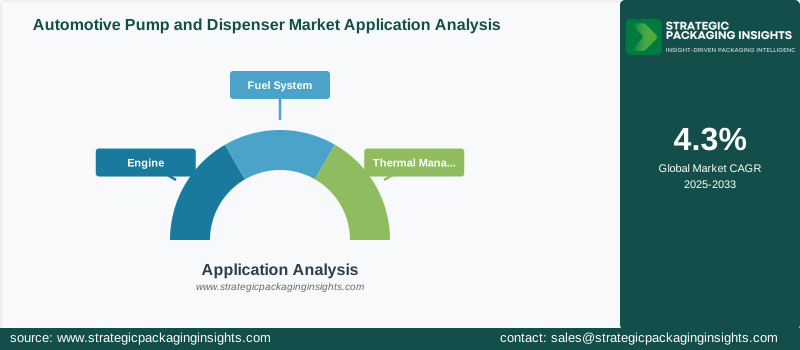
The fuel system segment is also a key application area for automotive pumps, driven by the need for efficient fuel delivery and the growing focus on fuel efficiency. Automotive pumps are essential components in the fuel system, responsible for delivering fuel from the tank to the engine. The demand for automotive pumps in the fuel system segment is driven by the increasing production of vehicles and the growing focus on reducing emissions. The thermal management segment is another important application area for automotive pumps, driven by the need for efficient cooling systems and the growing trend of vehicle electrification. The demand for automotive pumps in the thermal management segment is expected to increase significantly in the coming years, driven by the growing adoption of electric and hybrid vehicles.
Distribution Channel Analysis
The automotive pump and dispenser market is segmented by distribution channel into OEM and aftermarket. The OEM segment accounts for a significant share of the market, driven by the increasing production of vehicles and the growing demand for advanced pump solutions. OEMs are focusing on developing innovative pump technologies that enhance vehicle performance and efficiency. The demand for automotive pumps in the OEM segment is driven by the need for efficient fuel systems, thermal management, and engine performance.
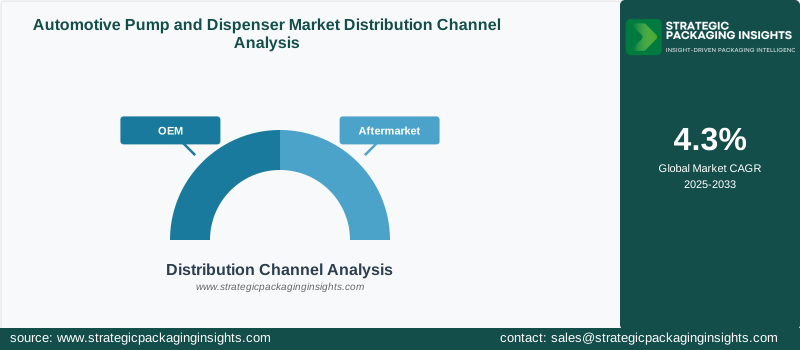
The aftermarket segment is also a key distribution channel for automotive pumps, driven by the need for replacement and maintenance of automotive components. The demand for automotive pumps in the aftermarket segment is driven by the increasing vehicle parc and the growing focus on vehicle maintenance and repair. The aftermarket segment is expected to witness significant growth in the coming years, driven by the increasing demand for replacement parts and the growing focus on vehicle maintenance and repair. The distribution channel segment is expected to witness significant growth, driven by the increasing production of vehicles and the growing focus on fuel efficiency and emission reduction.
Automotive Pump and Dispenser Market Segments
The Automotive Pump and Dispenser market has been segmented on the basis ofPump Type
- Fuel Pump
- Water Pump
- Oil Pump
Vehicle Type
- Passenger Car
- Commercial Vehicle
- Electric Vehicle
Application
- Engine
- Fuel System
- Thermal Management
Distribution Channel
- OEM
- Aftermarket
Region
- Asia Pacific
- North America
- Latin America
- Europe
- Middle East & Africa




