


Aseptic Packaging for Dairy & Plant-Based Beverages Market Outlook
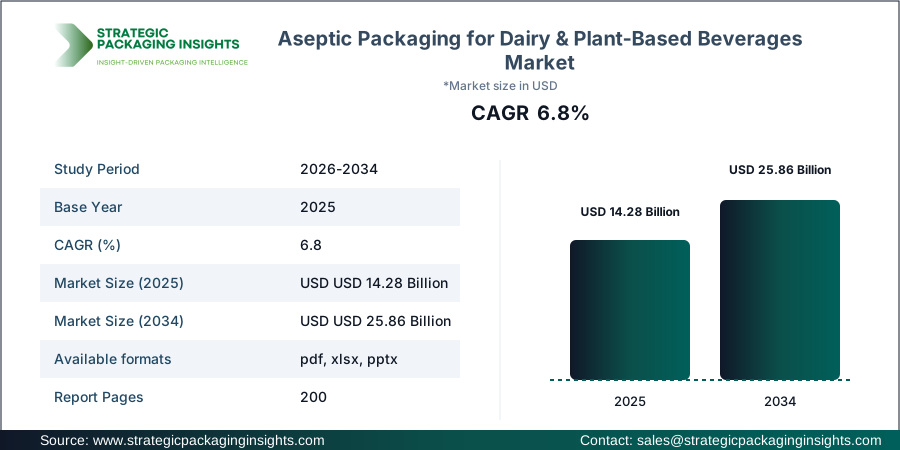
The Aseptic Packaging for Dairy & Plant-Based Beverages market size was valued at USD 14.28 Billion in 2025 and is anticipated to reach USD 25.86 Billion by 2034, growing at a CAGR of 6.8% during the forecast period according to Strategic Packaging Insights. This growth is driven by the increasing demand for longer shelf-life products and the rising popularity of plant-based beverages. Companies like Tetra Pak and SIG Group are at the forefront, leveraging advanced aseptic technologies to cater to the evolving consumer preferences. The market is witnessing a surge in demand for sustainable packaging solutions, which is further propelling the growth of aseptic packaging in the beverage sector.
One of the most impactful drivers of this market is the growing consumer awareness regarding health and wellness, which is leading to a shift towards plant-based and functional beverages. According to a report by the Food and Agriculture Organization, the global consumption of plant-based beverages is expected to rise significantly, which in turn boosts the demand for aseptic packaging solutions. Companies like Amcor plc and Mondi plc are investing heavily in research and development to create innovative packaging solutions that meet the stringent requirements of aseptic packaging while also being environmentally friendly. This trend is expected to continue, driving the market growth over the forecast period.
Report Scope
| Attributes | Details |
| Report Title | Aseptic Packaging for Dairy & Plant-Based Beverages Market Size, Future Growth and Forecast 2034 |
| By Packaging Type | Cartons, Bottles, Pouches, Bag-in-Box, Cup Packaging |
| By Material | Paperboard, Plastic, Aluminum Foil Laminates, Composite Materials |
| By Application | Dairy Milk, Plant-Based Milk, Yogurt Drinks, Cream & Dairy Alternatives, Functional Beverages, Protein Drinks |
| By End User | Dairy Manufacturers, Plant-Based Beverage Manufacturers, Contract Beverage Packers, Retail Brands, Foodservice Companies |
| Region | Asia Pacific, North America, Latin America, Europe, Middle East & Africa |
| Base Year | 2025 |
| Historic Period | 2018-2024 |
| Forecast Period | 2026-2034 |
| Number of Pages | 200 |
| Customization Available | Yes* |
Sustainability & Circular Economy Analysis
Sustainability initiatives and circular economy practices are significantly influencing the aseptic packaging market. The focus on recyclable materials and reusable packaging is becoming a priority for manufacturers. Companies are increasingly adopting lightweight packaging solutions to reduce material usage and carbon footprint. For instance, Tetra Pak has introduced cartons made from renewable materials, which are fully recyclable, aligning with the global push towards eco-friendly material innovation. These initiatives not only cater to consumer sustainability preferences but also help companies comply with stringent packaging regulations.
The integration of waste reduction strategies and ESG initiatives is reshaping the packaging design and manufacturing processes. Companies are investing in technologies that minimize waste during production and enhance the recyclability of packaging materials. This shift is influencing investment decisions, as stakeholders are more inclined to support businesses that prioritize sustainability. Moreover, extended producer responsibility (EPR) is becoming a key regulatory compliance factor, compelling companies to take accountability for the entire lifecycle of their packaging products.
These sustainability trends are also impacting supply chain strategies, as companies seek to establish partnerships with suppliers who adhere to sustainable practices. The emphasis on reducing the carbon footprint is leading to the localization of supply chains, which enhances supply chain resilience and reduces transportation emissions. This focus on sustainability is not only a regulatory requirement but also a strategic move to ensure long-term market competitiveness. As a result, packaging manufacturers, brand owners, and retailers are increasingly prioritizing sustainability in their business operations.
Packaging Value Chain & Supply Chain Analysis
The packaging value chain for aseptic packaging involves several critical components, starting from raw material sourcing to the final distribution of packaged products. Raw material availability, particularly for paperboard and plastic, plays a crucial role in determining the efficiency of the supply chain. Packaging converters and manufacturers like Elopak and Greatview Aseptic Packaging are pivotal in transforming these raw materials into finished packaging products. The availability and cost of these materials can significantly impact production capabilities and overall market performance.
Logistics and distribution channels are essential elements of the supply chain, ensuring that packaged products reach consumers efficiently. Companies are focusing on optimizing their logistics operations to reduce costs and improve delivery times. Strategic partnerships with logistics providers are becoming increasingly important to enhance supply chain resilience. Additionally, the rise of e-commerce is influencing distribution strategies, as companies need to adapt to the growing demand for direct-to-consumer delivery models.
Supply chain efficiency is further influenced by procurement strategies and inventory management practices. Companies are adopting advanced technologies to streamline procurement processes and maintain optimal inventory levels. This not only reduces costs but also ensures a steady supply of packaging materials. Global sourcing strategies are being balanced with localization efforts to mitigate risks associated with geopolitical uncertainties and supply chain disruptions. These factors collectively contribute to the competitiveness of businesses in the aseptic packaging market.
Opportunities & Threats
The aseptic packaging market presents numerous opportunities, particularly in the realm of technological advancements. The development of smart packaging solutions that enhance product safety and extend shelf life is a significant opportunity for market players. Companies are investing in technologies that enable real-time monitoring of product conditions, which can significantly enhance consumer trust and brand loyalty. Additionally, the growing demand for plant-based beverages offers a lucrative opportunity for manufacturers to expand their product offerings and capture a larger market share.
Another opportunity lies in the expansion of the market in emerging economies. As disposable incomes rise and consumer preferences shift towards healthier beverage options, there is a growing demand for aseptic packaging solutions in regions like Asia Pacific and Latin America. Companies that can effectively tap into these markets stand to gain a competitive advantage. Furthermore, the increasing focus on sustainability presents an opportunity for companies to differentiate themselves by offering eco-friendly packaging solutions that align with consumer values.
However, the market also faces certain threats, primarily related to regulatory challenges. Stringent packaging regulations and compliance requirements can pose significant hurdles for manufacturers. Companies need to invest in research and development to ensure their packaging solutions meet the necessary standards. Additionally, fluctuations in raw material prices can impact production costs and profit margins. Companies need to adopt effective risk management strategies to mitigate these threats and maintain their market position.
Drivers & Challenges
One of the primary drivers of the aseptic packaging market is the increasing consumer demand for convenience and ready-to-drink beverages. The busy lifestyles of consumers are driving the demand for packaging solutions that offer convenience without compromising on product quality. Aseptic packaging provides an ideal solution by ensuring product safety and extending shelf life, making it a preferred choice for both manufacturers and consumers. Companies like Scholle IPN and Liquibox are leveraging this trend to expand their market presence.
Another significant driver is the growing awareness of food safety and hygiene. Consumers are becoming increasingly conscious of the quality and safety of the products they consume, leading to a rise in demand for aseptic packaging solutions that prevent contamination and preserve product integrity. This trend is particularly prominent in the dairy and plant-based beverage sectors, where product safety is of utmost importance. Companies are investing in advanced aseptic technologies to meet these consumer demands and gain a competitive edge.
Despite these drivers, the market faces challenges related to the high initial investment costs associated with aseptic packaging technologies. The installation and maintenance of aseptic packaging machinery require significant capital investment, which can be a barrier for small and medium-sized enterprises. Additionally, the complexity of the aseptic packaging process requires skilled labor, which can further increase operational costs. Companies need to adopt innovative strategies to overcome these challenges and capitalize on the growth opportunities in the market.
Market Share Analysis
The competitive landscape of the aseptic packaging market is characterized by the presence of several key players who are driving innovation and growth. Tetra Pak holds a significant market share, leveraging its extensive product portfolio and strong global presence. The company is known for its commitment to sustainability and innovation, which has helped it maintain a leading position in the market. Similarly, SIG Group is a major player, offering a wide range of aseptic packaging solutions that cater to the diverse needs of the beverage industry.
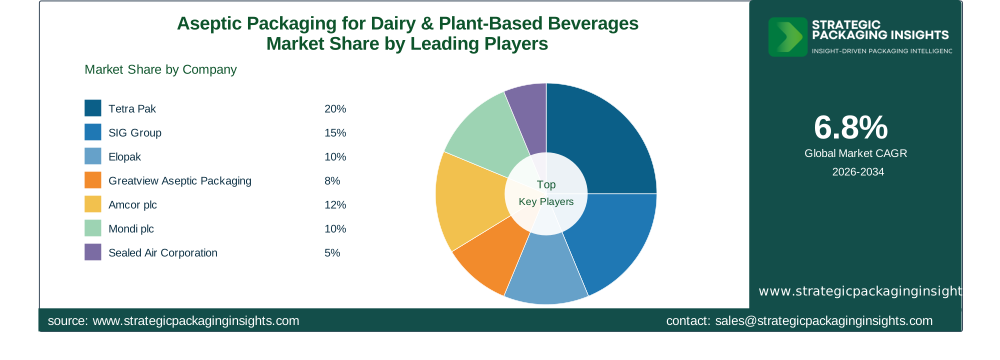
Elopak and Greatview Aseptic Packaging are also prominent players in the market, known for their focus on sustainability and eco-friendly packaging solutions. These companies are investing in research and development to create innovative packaging solutions that meet the evolving needs of consumers. Amcor plc and Mondi plc are other key players, with a strong emphasis on sustainability and innovation. Their commitment to reducing the environmental impact of packaging has positioned them as leaders in the market.
Sealed Air Corporation and Nippon Paper Industries are also significant contributors to the market, offering a range of aseptic packaging solutions that cater to the dairy and plant-based beverage sectors. These companies are focused on expanding their product offerings and enhancing their market presence through strategic partnerships and acquisitions. Stora Enso and WestRock are other notable players, known for their innovative packaging solutions and commitment to sustainability.
Smurfit Westrock, Evergreen Packaging, and UFlex Ltd. are also key players in the market, with a strong focus on innovation and sustainability. These companies are investing in advanced technologies to enhance their product offerings and meet the growing demand for aseptic packaging solutions. Scholle IPN and Liquibox are other important players, known for their innovative packaging solutions and commitment to sustainability. The competitive landscape of the aseptic packaging market is dynamic, with companies continuously striving to enhance their product offerings and gain a competitive edge.
Key Highlights
- Market Size: USD 14.28 Billion in 2025, projected to reach USD 25.86 Billion by 2034.
- Growth Rate: Forecasted CAGR of 6.8% during the forecast period.
- Leading Companies: Tetra Pak, SIG Group, Elopak, Greatview Aseptic Packaging, Amcor plc.
- Emerging Markets: Asia Pacific and Latin America offer significant growth opportunities.
- Sustainability Focus: Increasing demand for eco-friendly and recyclable packaging solutions.
- Technological Advancements: Development of smart packaging solutions enhancing product safety.
- Consumer Trends: Rising demand for plant-based and functional beverages driving market growth.
Aseptic Packaging for Dairy & Plant-Based Beverages Market Segments Insights

By Packaging Type Analysis
The aseptic packaging market for dairy and plant-based beverages is segmented by packaging type, including cartons, bottles, pouches, bag-in-box, and cup packaging. Cartons are the most widely used packaging type due to their lightweight nature and ability to preserve the freshness of beverages. Companies like Tetra Pak and SIG Group are leading the market with their innovative carton designs that cater to the growing demand for sustainable packaging solutions. Bottles and pouches are also gaining popularity, particularly in the plant-based beverage segment, where convenience and portability are key consumer preferences.
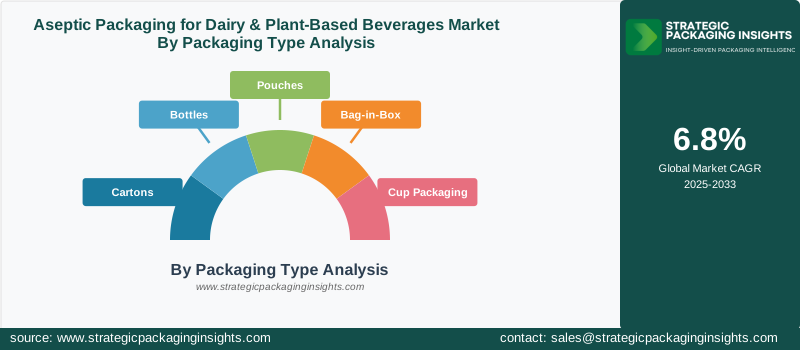
Bag-in-box and cup packaging are niche segments but are witnessing steady growth due to their unique advantages. Bag-in-box packaging is preferred for bulk storage and transportation, while cup packaging is popular in the foodservice industry. The increasing focus on reducing plastic waste is driving the demand for alternative packaging materials, such as paperboard and composite materials, which are used in these packaging types. The competition in this segment is intense, with companies continuously innovating to offer eco-friendly and cost-effective packaging solutions.
By Material Analysis
The material segment of the aseptic packaging market includes paperboard, plastic, aluminum foil laminates, and composite materials. Paperboard is the most commonly used material due to its recyclability and sustainability. Companies like Elopak and Greatview Aseptic Packaging are investing in advanced paperboard technologies to enhance the barrier properties and extend the shelf life of packaged beverages. Plastic remains a popular choice due to its versatility and cost-effectiveness, but the increasing focus on sustainability is driving the demand for biodegradable and recyclable plastic alternatives.
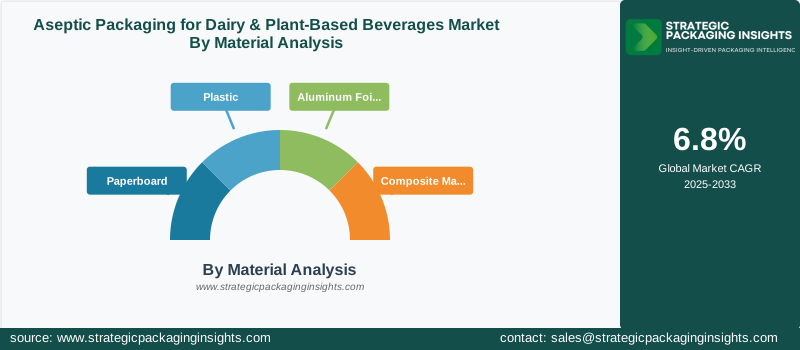
Aluminum foil laminates and composite materials are used in specialized applications where high barrier properties are required. These materials are particularly popular in the dairy and functional beverage segments, where product integrity is crucial. The competition in this segment is driven by the need for innovation and sustainability, with companies investing in research and development to create materials that meet the evolving consumer demands and regulatory requirements. The focus on reducing the environmental impact of packaging materials is expected to drive growth in this segment.
By Application Analysis
The application segment of the aseptic packaging market includes dairy milk, plant-based milk, yogurt drinks, cream & dairy alternatives, functional beverages, and protein drinks. Dairy milk remains the largest application segment, driven by the increasing demand for longer shelf-life products. Companies like Amcor plc and Mondi plc are focusing on creating innovative packaging solutions that cater to the specific needs of the dairy industry. Plant-based milk is the fastest-growing segment, driven by the rising consumer preference for vegan and lactose-free products.
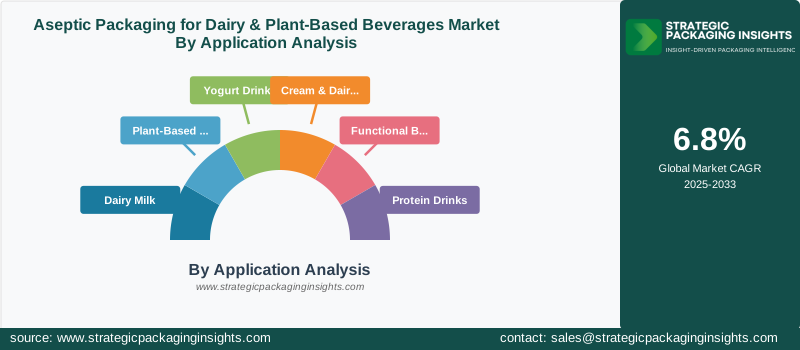
Yogurt drinks and cream & dairy alternatives are also witnessing significant growth, driven by the increasing demand for convenient and healthy beverage options. Functional beverages and protein drinks are niche segments but are gaining popularity due to the growing focus on health and wellness. The competition in this segment is intense, with companies continuously innovating to offer packaging solutions that enhance product safety and extend shelf life. The focus on sustainability and eco-friendly packaging solutions is expected to drive growth in this segment.
By End User Analysis
The end-user segment of the aseptic packaging market includes dairy manufacturers, plant-based beverage manufacturers, contract beverage packers, retail brands, and foodservice companies. Dairy manufacturers are the largest end-users, driven by the increasing demand for aseptic packaging solutions that extend the shelf life of dairy products. Companies like Scholle IPN and Liquibox are focusing on creating innovative packaging solutions that cater to the specific needs of the dairy industry.
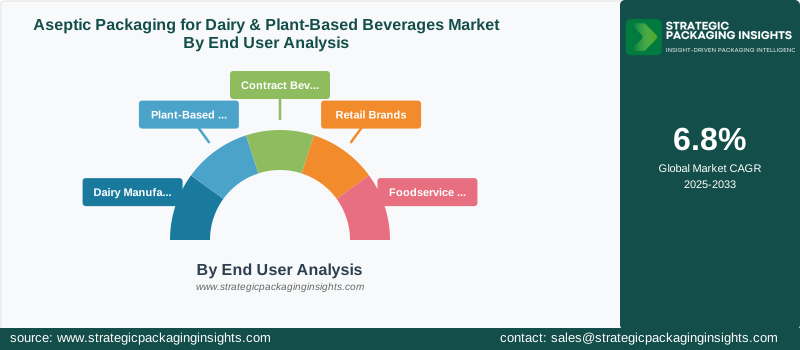
Plant-based beverage manufacturers are the fastest-growing end-users, driven by the rising consumer preference for vegan and lactose-free products. Contract beverage packers and retail brands are also significant end-users, driven by the increasing demand for private label products. Foodservice companies are niche end-users but are witnessing steady growth due to the increasing demand for convenient and ready-to-drink beverage options. The competition in this segment is intense, with companies continuously innovating to offer packaging solutions that meet the evolving consumer demands and regulatory requirements.
Aseptic Packaging for Dairy & Plant-Based Beverages Market Segments
The Aseptic Packaging for Dairy & Plant-Based Beverages market has been segmented on the basis ofBy Packaging Type
- Cartons
- Bottles
- Pouches
- Bag-in-Box
- Cup Packaging
By Material
- Paperboard
- Plastic
- Aluminum Foil Laminates
- Composite Materials
By Application
- Dairy Milk
- Plant-Based Milk
- Yogurt Drinks
- Cream & Dairy Alternatives
- Functional Beverages
- Protein Drinks
By End User
- Dairy Manufacturers
- Plant-Based Beverage Manufacturers
- Contract Beverage Packers
- Retail Brands
- Foodservice Companies
Region
- Asia Pacific
- North America
- Latin America
- Europe
- Middle East & Africa




