


Aseptic IBC Market Outlook
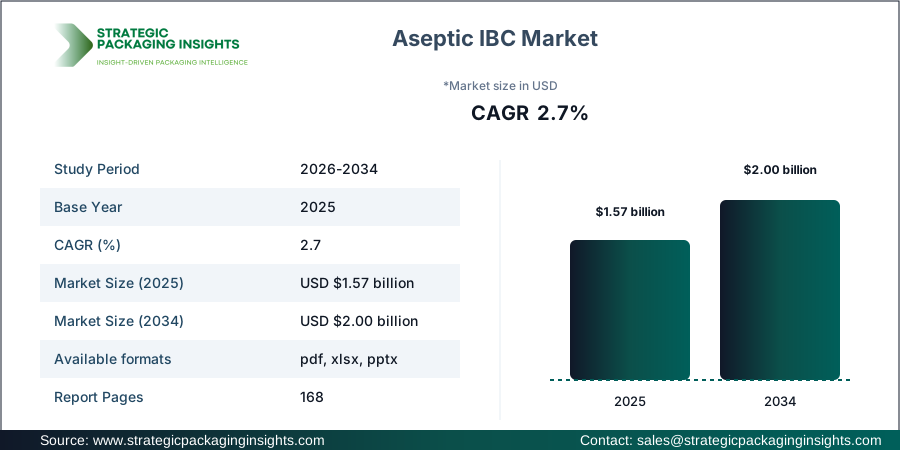
The Aseptic IBC market was valued at $1.57 billion in 2025 and is projected to reach $2.00 billion by 2034, growing at a CAGR of 2.7% during the forecast period 2026-2034. This market is driven by the increasing demand for safe and efficient packaging solutions in the food and beverage industry, as well as the pharmaceutical sector. Aseptic Intermediate Bulk Containers (IBCs) offer a reliable solution for transporting and storing liquid products without the risk of contamination, which is crucial for maintaining product integrity. The growth in global trade and the expansion of the food and beverage industry are significant contributors to the market's expansion. Additionally, the rising awareness about the benefits of aseptic packaging, such as extended shelf life and reduced need for preservatives, is further propelling market growth.
Despite the promising growth prospects, the Aseptic IBC market faces certain challenges that could hinder its expansion. Regulatory constraints and the high initial investment required for aseptic packaging solutions are notable barriers. Moreover, the market is highly competitive, with numerous players striving to innovate and offer cost-effective solutions. The need for specialized equipment and skilled personnel for handling aseptic IBCs adds to the operational costs, which could be a deterrent for small and medium enterprises. However, advancements in technology and the development of more affordable aseptic solutions are expected to mitigate these challenges, offering significant growth potential in the coming years.
Report Scope
| Attributes | Details |
| Report Title | Aseptic IBC Market Size, Future Growth and Forecast 2034 |
| By Product Type | Aseptic Bag-in-Box IBCs, Stainless Steel IBCs, Composite Aseptic IBCs |
| By Capacity | Below 500 L, 500–1,000 L, Above 1,000 L |
| By Application | Liquid Foods, Pharma Liquids, Beverages, Chemicals |
| By End Use | Food Processors, Pharma, Beverage, Logistics |
| Region | Asia Pacific, North America, Latin America, Europe, Middle East & Africa |
| Base Year | 2025 |
| Historic Period | 2018-2024 |
| Forecast Period | 2026-2034 |
| Number of Pages | 168 |
| Customization Available | Yes* |
Opportunities & Threats
The Aseptic IBC market presents numerous opportunities, particularly in emerging economies where the demand for packaged food and beverages is on the rise. The increasing urbanization and changing consumer lifestyles in these regions are driving the need for convenient and safe packaging solutions. Additionally, the pharmaceutical industry is witnessing a surge in demand for aseptic packaging due to the growing need for safe and sterile transportation of liquid pharmaceuticals. This trend is expected to create lucrative opportunities for market players to expand their presence in these high-growth regions. Furthermore, the development of innovative aseptic IBC solutions that cater to specific industry needs, such as customized sizes and enhanced durability, is likely to attract a broader customer base.
Another significant opportunity lies in the growing focus on sustainability and eco-friendly packaging solutions. As environmental concerns continue to rise, there is a growing demand for packaging solutions that minimize waste and reduce carbon footprint. Aseptic IBCs, with their reusable and recyclable nature, align well with these sustainability goals. Companies that invest in developing environmentally friendly aseptic IBCs are likely to gain a competitive edge in the market. Additionally, the integration of smart technologies, such as IoT-enabled tracking systems, in aseptic IBCs can enhance supply chain efficiency and offer value-added services to customers, further driving market growth.
However, the market is not without its threats. The high cost of aseptic IBCs compared to traditional packaging solutions can be a significant barrier to adoption, particularly for cost-sensitive industries. Additionally, the stringent regulatory requirements for aseptic packaging, especially in the pharmaceutical sector, can pose compliance challenges for manufacturers. The need for continuous innovation and adaptation to changing regulations can strain resources and impact profitability. Moreover, the presence of counterfeit products in the market can undermine the credibility of genuine aseptic IBC solutions, posing a threat to market growth.
Drivers & Challenges
The primary drivers of the Aseptic IBC market include the increasing demand for safe and efficient packaging solutions in the food and beverage industry. As consumers become more health-conscious, there is a growing preference for products with minimal preservatives and extended shelf life. Aseptic IBCs offer a solution by providing a sterile environment that preserves the quality and freshness of liquid products. Additionally, the pharmaceutical industry's stringent requirements for sterile packaging solutions are driving the adoption of aseptic IBCs. The need for safe transportation and storage of liquid pharmaceuticals is critical, and aseptic IBCs offer a reliable solution that meets these requirements.
Technological advancements are also playing a crucial role in driving the market. The development of innovative aseptic IBC solutions that offer enhanced durability, customization options, and integration with smart technologies is attracting a broader customer base. The use of IoT-enabled tracking systems in aseptic IBCs can enhance supply chain efficiency and provide real-time data on product conditions, offering significant value to customers. Furthermore, the growing focus on sustainability and eco-friendly packaging solutions is driving the demand for reusable and recyclable aseptic IBCs, aligning with global environmental goals.
Despite the positive drivers, the Aseptic IBC market faces several challenges that could impact its growth. The high initial investment required for aseptic packaging solutions can be a significant barrier for small and medium enterprises. Additionally, the market is highly competitive, with numerous players striving to innovate and offer cost-effective solutions. The need for specialized equipment and skilled personnel for handling aseptic IBCs adds to the operational costs, which could be a deterrent for some companies. Moreover, the stringent regulatory requirements for aseptic packaging, especially in the pharmaceutical sector, can pose compliance challenges for manufacturers, impacting their ability to expand and innovate.
Market Share Analysis
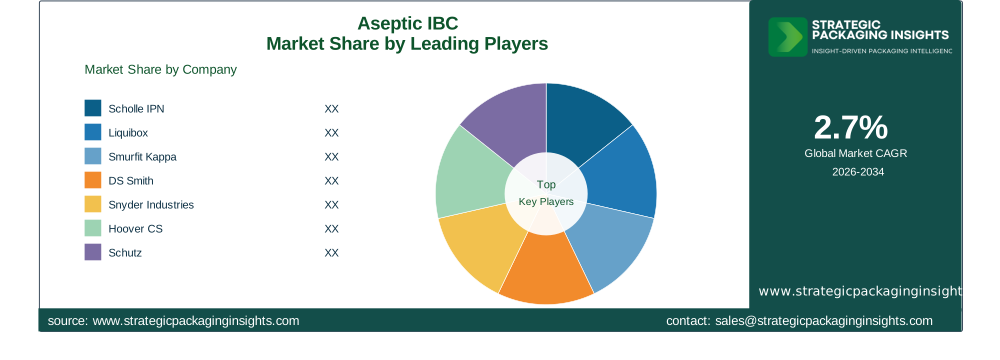
The Aseptic IBC market is characterized by a competitive landscape with several key players striving to gain a significant share. Companies such as Scholle IPN, Liquibox, Smurfit Kappa, and DS Smith are prominent players in the market, known for their innovative packaging solutions and strong market presence. These companies are continuously investing in research and development to enhance their product offerings and cater to the evolving needs of their customers. The market is also witnessing strategic collaborations and partnerships among key players to expand their geographical reach and strengthen their market position.
Scholle IPN is a leading player in the Aseptic IBC market, known for its innovative packaging solutions that cater to a wide range of industries, including food and beverage, pharmaceuticals, and chemicals. The company has a strong focus on sustainability and is committed to developing eco-friendly packaging solutions that align with global environmental goals. Liquibox, another key player, is renowned for its advanced aseptic packaging technologies that ensure product safety and integrity. The company's extensive product portfolio and global presence make it a formidable competitor in the market.
Smurfit Kappa and DS Smith are also significant players in the Aseptic IBC market, known for their comprehensive packaging solutions and strong customer relationships. These companies have a robust distribution network and are continuously expanding their product offerings to cater to the diverse needs of their customers. Snyder Industries and Hoover CS are other notable players in the market, known for their durable and reliable aseptic IBC solutions. These companies are focused on enhancing their product quality and expanding their market presence through strategic partnerships and collaborations.
Schutz, Mauser Packaging Solutions, Greif, and Thielmann are also key players in the Aseptic IBC market, known for their innovative packaging solutions and strong market presence. These companies are continuously investing in research and development to enhance their product offerings and cater to the evolving needs of their customers. The market is also witnessing strategic collaborations and partnerships among key players to expand their geographical reach and strengthen their market position. Overall, the competitive landscape of the Aseptic IBC market is characterized by innovation, strategic partnerships, and a strong focus on sustainability.
Key Highlights
- The Aseptic IBC market is projected to grow from $1.57 billion in 2025 to $2.00 billion by 2034, at a CAGR of 2.7%.
- Increasing demand for safe and efficient packaging solutions in the food and beverage industry is a major growth driver.
- Technological advancements and the development of innovative aseptic IBC solutions are attracting a broader customer base.
- The pharmaceutical industry's stringent requirements for sterile packaging solutions are driving the adoption of aseptic IBCs.
- Growing focus on sustainability and eco-friendly packaging solutions is driving the demand for reusable and recyclable aseptic IBCs.
- High initial investment and regulatory constraints are notable challenges for market growth.
- Key players in the market include Scholle IPN, Liquibox, Smurfit Kappa, DS Smith, and Snyder Industries.
- Strategic collaborations and partnerships among key players are expanding their geographical reach and strengthening their market position.
- The market is highly competitive, with numerous players striving to innovate and offer cost-effective solutions.
- Integration of smart technologies, such as IoT-enabled tracking systems, in aseptic IBCs can enhance supply chain efficiency.
Top Countries Insights
In the Aseptic IBC market, the United States stands out as a leading country, with a market size of approximately $500 million and a CAGR of 3%. The country's strong food and beverage industry, coupled with stringent regulations on food safety, drives the demand for aseptic packaging solutions. Additionally, the pharmaceutical sector's growth and the increasing focus on sustainability are significant growth drivers. However, the high cost of aseptic IBCs and regulatory compliance challenges pose potential hurdles.
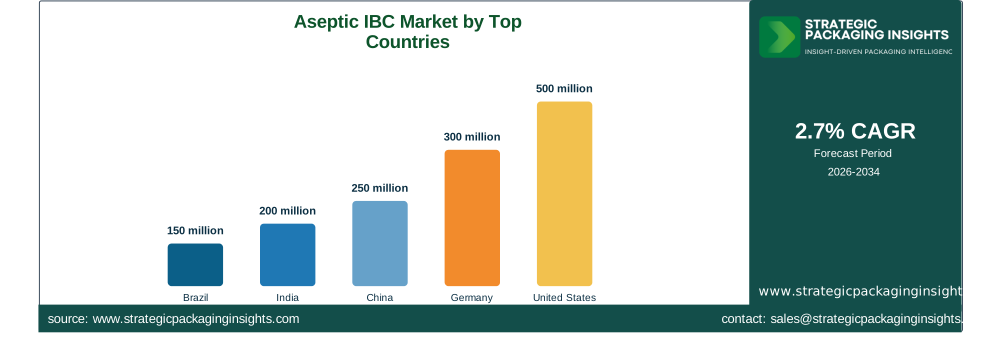
Germany is another key player in the Aseptic IBC market, with a market size of around $300 million and a CAGR of 2%. The country's robust manufacturing sector and emphasis on quality and safety standards drive the demand for aseptic packaging solutions. The growing focus on eco-friendly packaging and technological advancements in aseptic IBCs are also contributing to market growth. However, the high initial investment required for aseptic solutions can be a barrier for small and medium enterprises.
China, with a market size of approximately $250 million and a CAGR of 4%, is a rapidly growing market for aseptic IBCs. The country's expanding food and beverage industry, coupled with increasing urbanization and changing consumer lifestyles, drives the demand for convenient and safe packaging solutions. The government's focus on improving food safety standards and the growing awareness about the benefits of aseptic packaging are significant growth drivers. However, the presence of counterfeit products and regulatory challenges can impact market growth.
India, with a market size of around $200 million and a CAGR of 5%, is another promising market for aseptic IBCs. The country's growing population and increasing demand for packaged food and beverages drive the need for aseptic packaging solutions. The pharmaceutical industry's growth and the government's initiatives to improve food safety standards are also contributing to market growth. However, the high cost of aseptic IBCs and the lack of awareness about their benefits can be potential challenges.
Brazil, with a market size of approximately $150 million and a CAGR of 3%, is a significant market for aseptic IBCs in Latin America. The country's expanding food and beverage industry and the growing focus on sustainability drive the demand for aseptic packaging solutions. The government's initiatives to improve food safety standards and the increasing awareness about the benefits of aseptic packaging are significant growth drivers. However, the high cost of aseptic IBCs and regulatory compliance challenges can impact market growth.
Aseptic IBC Market Segments Insights

Product Type Analysis
The Aseptic IBC market is segmented by product type into aseptic bag-in-box IBCs, stainless steel IBCs, and composite aseptic IBCs. Aseptic bag-in-box IBCs are gaining popularity due to their cost-effectiveness and ease of handling. These IBCs are particularly favored in the food and beverage industry for their ability to maintain product integrity and extend shelf life. Stainless steel IBCs, on the other hand, are preferred in the pharmaceutical and chemical industries for their durability and resistance to contamination. Composite aseptic IBCs offer a balance between cost and performance, making them suitable for a wide range of applications. The demand for these IBCs is driven by the need for reliable and efficient packaging solutions that ensure product safety and quality.
Technological advancements and the development of innovative aseptic IBC solutions are key trends in this segment. Companies are investing in research and development to enhance the performance and durability of their products. The integration of smart technologies, such as IoT-enabled tracking systems, is also gaining traction, offering significant value to customers by enhancing supply chain efficiency. Additionally, the growing focus on sustainability is driving the demand for eco-friendly aseptic IBCs that minimize waste and reduce carbon footprint. Companies that invest in developing environmentally friendly solutions are likely to gain a competitive edge in the market.
Capacity Analysis
The Aseptic IBC market is segmented by capacity into below 500 L, 500-1, 000 L, and above 1, 000 L. The demand for IBCs with a capacity of 500-1, 000 L is particularly high, driven by their versatility and suitability for a wide range of applications. These IBCs are favored in the food and beverage industry for their ability to store and transport large volumes of liquid products efficiently. IBCs with a capacity of above 1, 000 L are preferred in industries that require bulk storage and transportation, such as chemicals and pharmaceuticals. The demand for these IBCs is driven by the need for cost-effective and efficient packaging solutions that reduce handling and transportation costs.
The growing focus on sustainability and the need for eco-friendly packaging solutions are key trends in this segment. Companies are investing in developing reusable and recyclable IBCs that align with global environmental goals. Additionally, the integration of smart technologies, such as IoT-enabled tracking systems, is gaining traction, offering significant value to customers by enhancing supply chain efficiency. The development of innovative aseptic IBC solutions that offer enhanced durability and customization options is also attracting a broader customer base, driving market growth.
Application Analysis
The Aseptic IBC market is segmented by application into liquid foods, pharma liquids, beverages, and chemicals. The demand for aseptic IBCs in the liquid foods segment is particularly high, driven by the need for safe and efficient packaging solutions that maintain product integrity and extend shelf life. The pharmaceutical industry's stringent requirements for sterile packaging solutions are also driving the adoption of aseptic IBCs in the pharma liquids segment. The demand for aseptic IBCs in the beverages segment is driven by the need for convenient and safe packaging solutions that cater to changing consumer lifestyles.
Technological advancements and the development of innovative aseptic IBC solutions are key trends in this segment. Companies are investing in research and development to enhance the performance and durability of their products. The integration of smart technologies, such as IoT-enabled tracking systems, is also gaining traction, offering significant value to customers by enhancing supply chain efficiency. Additionally, the growing focus on sustainability is driving the demand for eco-friendly aseptic IBCs that minimize waste and reduce carbon footprint. Companies that invest in developing environmentally friendly solutions are likely to gain a competitive edge in the market.
End Use Analysis
The Aseptic IBC market is segmented by end use into food processors, pharma, beverage, and logistics. The demand for aseptic IBCs in the food processors segment is particularly high, driven by the need for safe and efficient packaging solutions that maintain product integrity and extend shelf life. The pharmaceutical industry's stringent requirements for sterile packaging solutions are also driving the adoption of aseptic IBCs in the pharma segment. The demand for aseptic IBCs in the beverage segment is driven by the need for convenient and safe packaging solutions that cater to changing consumer lifestyles.
Technological advancements and the development of innovative aseptic IBC solutions are key trends in this segment. Companies are investing in research and development to enhance the performance and durability of their products. The integration of smart technologies, such as IoT-enabled tracking systems, is also gaining traction, offering significant value to customers by enhancing supply chain efficiency. Additionally, the growing focus on sustainability is driving the demand for eco-friendly aseptic IBCs that minimize waste and reduce carbon footprint. Companies that invest in developing environmentally friendly solutions are likely to gain a competitive edge in the market.
Aseptic IBC Market Segments
The Aseptic IBC market has been segmented on the basis ofBy Product Type
- Aseptic Bag-in-Box IBCs
- Stainless Steel IBCs
- Composite Aseptic IBCs
By Capacity
- Below 500 L
- 500–1,000 L
- Above 1,000 L
By Application
- Liquid Foods
- Pharma Liquids
- Beverages
- Chemicals
By End Use
- Food Processors
- Pharma
- Beverage
- Logistics
Region
- Asia Pacific
- North America
- Latin America
- Europe
- Middle East & Africa




