


Antiviral Drug Market Outlook
The Antiviral Drug market size was valued at USD 65.0 billion in 2025 and is anticipated to reach USD 92.5 billion by 2034, growing at a CAGR of 4.00% during the forecast period according to Strategic Packaging Insights. The market is driven by the increasing prevalence of viral infections such as HIV, Hepatitis, and the recent COVID-19 pandemic, which has heightened the demand for effective antiviral medications. Companies like Gilead Sciences and Pfizer are at the forefront, developing innovative drugs that cater to these growing needs. The market's expansion is further supported by advancements in drug delivery systems and the introduction of novel drug classes, which enhance treatment efficacy and patient compliance.
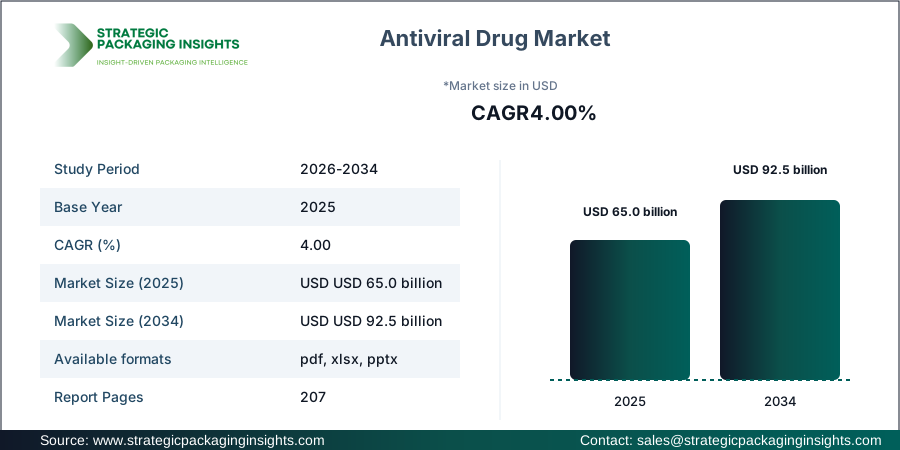
One of the most impactful drivers of the Antiviral Drug market is the continuous rise in viral infections globally, which necessitates the development of more effective and targeted antiviral therapies. According to the World Health Organization, viral infections remain a significant public health concern, with millions affected annually. This has led to increased investments in research and development by pharmaceutical giants such as Merck & Co. and Johnson & Johnson, aiming to discover new antiviral agents and improve existing formulations. The growing awareness and government initiatives to control viral outbreaks further bolster the market's growth potential, ensuring a robust demand for antiviral drugs in the coming years.
Report Scope
| Attributes | Details |
| Report Title | Antiviral Drug Market Size, Future Growth and Forecast 2034 |
| By Drug Class | Reverse Transcriptase Inhibitors, Protease Inhibitors, Polymerase Inhibitors, Integrase Inhibitors, Entry / Fusion Inhibitors, Monoclonal Antibodies |
| By Application | HIV, Hepatitis (B, C), Influenza, COVID-19 / Coronaviruses, Herpes, RSV |
| By Route | Oral, Injectable, Topical |
| By Distribution | Hospital Pharmacies, Retail Pharmacies, Online Pharmacies |
| By Region | North America (U.S., Canada, Mexico), Europe (Germany, UK, France, Italy, Spain, Rest of Europe), Asia Pacific (China, India, Japan, South Korea, Australia, Rest of Asia Pacific), Latin America (Brazil, Argentina, Rest of Latin America), Middle East & Africa (GCC Countries, South Africa, Rest of MEA) |
| Base Year | 2025 |
| Historic Period | 2018-2024 |
| Forecast Period | 2026-2034 |
| Number of Pages | 207 |
| Customization Available | Yes* |
Sustainability & Circular Economy Analysis
Sustainability initiatives are increasingly influencing the antiviral drug market, particularly in packaging and distribution. Companies are adopting recyclable materials and eco-friendly packaging solutions to reduce their carbon footprint and comply with environmental regulations. This shift towards sustainable practices is driven by consumer preferences for environmentally responsible products and the need to meet stringent packaging regulations. As a result, pharmaceutical companies are investing in lightweight packaging and reusable materials, which not only minimize waste but also enhance the overall sustainability of the supply chain.
The integration of circular economy principles is reshaping the manufacturing and distribution strategies within the antiviral drug market. By focusing on waste reduction and resource efficiency, companies are optimizing their production processes to minimize environmental impact. This includes the adoption of energy-efficient manufacturing technologies and the implementation of extended producer responsibility (EPR) programs. These initiatives not only contribute to environmental sustainability but also offer cost savings and improve the long-term competitiveness of market players.
Furthermore, sustainability trends are influencing investment decisions and regulatory compliance in the antiviral drug market. Companies are increasingly prioritizing ESG (Environmental, Social, and Governance) initiatives, which are becoming critical factors in attracting investors and securing funding. Regulatory bodies are also enforcing stricter compliance measures, encouraging pharmaceutical companies to adopt sustainable practices. This shift towards sustainability is expected to drive innovation in packaging design and supply chain strategies, ensuring the market remains competitive and aligned with global environmental goals.
Packaging Value Chain & Supply Chain Analysis
The packaging value chain in the antiviral drug market is a complex ecosystem involving multiple stakeholders, from raw material suppliers to end consumers. Raw material sourcing is a critical component, as the availability and cost of materials directly impact production capabilities and pricing strategies. Packaging converters and manufacturers play a vital role in transforming these materials into finished products, ensuring they meet quality standards and regulatory requirements. Companies like Roche and AbbVie are investing in advanced packaging machinery to enhance production efficiency and reduce lead times.
Logistics and distribution channels are integral to the supply chain, ensuring the timely delivery of antiviral drugs to various markets. Efficient transportation and inventory management are essential to maintaining supply chain resilience and minimizing disruptions. Strategic partnerships with logistics providers and distributors enable pharmaceutical companies to optimize their distribution networks and expand their market reach. This collaborative approach is crucial for maintaining a competitive edge and ensuring the availability of antiviral drugs in both developed and emerging markets.
Recycling networks and procurement strategies are also gaining prominence in the antiviral drug market, driven by the need for sustainable practices and cost optimization. Companies are increasingly focusing on localization and global sourcing to mitigate risks associated with supply chain disruptions and geopolitical uncertainties. By adopting a holistic approach to supply chain management, pharmaceutical companies can enhance their operational efficiency, reduce costs, and improve their overall market performance. This strategic focus on supply chain optimization is essential for sustaining growth and competitiveness in the dynamic antiviral drug market.
Opportunities & Threats
The antiviral drug market presents numerous opportunities for growth, driven by the increasing prevalence of viral infections and the need for effective treatments. The development of novel drug classes, such as monoclonal antibodies and integrase inhibitors, offers significant potential for market expansion. These innovative therapies provide targeted treatment options with improved efficacy and safety profiles, addressing unmet medical needs and enhancing patient outcomes. Additionally, the growing demand for personalized medicine and precision therapies presents opportunities for pharmaceutical companies to develop tailored antiviral treatments that cater to specific patient populations.
Another opportunity lies in the expansion of distribution channels, particularly online pharmacies, which offer convenience and accessibility to consumers. The rise of e-commerce and digital health platforms has transformed the way antiviral drugs are distributed, providing pharmaceutical companies with new avenues to reach a broader customer base. This shift towards digital distribution is supported by advancements in telemedicine and remote healthcare services, which have gained traction during the COVID-19 pandemic. By leveraging these digital channels, companies can enhance their market presence and drive sales growth.
However, the antiviral drug market also faces several threats, including regulatory challenges and the emergence of drug-resistant viral strains. Stringent regulatory requirements and lengthy approval processes can delay the introduction of new antiviral drugs, impacting market growth. Additionally, the development of drug-resistant viruses poses a significant threat to the efficacy of existing treatments, necessitating continuous research and innovation. Pharmaceutical companies must invest in R&D to stay ahead of these challenges and develop new therapies that can effectively combat resistant strains and maintain their market position.
Drivers & Challenges
The primary drivers of the antiviral drug market include the increasing prevalence of viral infections and the growing demand for effective treatments. The rise in global travel and urbanization has contributed to the spread of infectious diseases, necessitating the development of advanced antiviral therapies. Pharmaceutical companies are investing heavily in research and development to discover new drug classes and improve existing formulations, driving market growth. Additionally, government initiatives and funding for viral disease prevention and control further support the demand for antiviral drugs.
Technological advancements in drug discovery and development are also driving the market, enabling the creation of more targeted and effective antiviral therapies. Innovations in genomics and biotechnology have facilitated the identification of novel drug targets and the development of precision medicine approaches. These advancements have led to the introduction of new drug classes, such as integrase inhibitors and monoclonal antibodies, which offer improved efficacy and safety profiles. The growing focus on personalized medicine and patient-centric care is expected to further drive the demand for innovative antiviral treatments.
Despite these drivers, the antiviral drug market faces several challenges, including regulatory hurdles and the emergence of drug-resistant viral strains. The stringent regulatory environment and lengthy approval processes can delay the introduction of new antiviral drugs, impacting market growth. Additionally, the development of drug-resistant viruses poses a significant threat to the efficacy of existing treatments, necessitating continuous research and innovation. Pharmaceutical companies must invest in R&D to stay ahead of these challenges and develop new therapies that can effectively combat resistant strains and maintain their market position.
Market Share Analysis
The antiviral drug market is characterized by intense competition among key players, with companies like Gilead Sciences, GSK (ViiV), and Merck & Co. leading the market. These companies have established strong market positions through extensive research and development efforts, innovative product offerings, and strategic partnerships. Gilead Sciences, for instance, is renowned for its groundbreaking antiviral therapies, particularly in the treatment of HIV and Hepatitis. The company's focus on innovation and patient-centric solutions has solidified its leadership in the market.
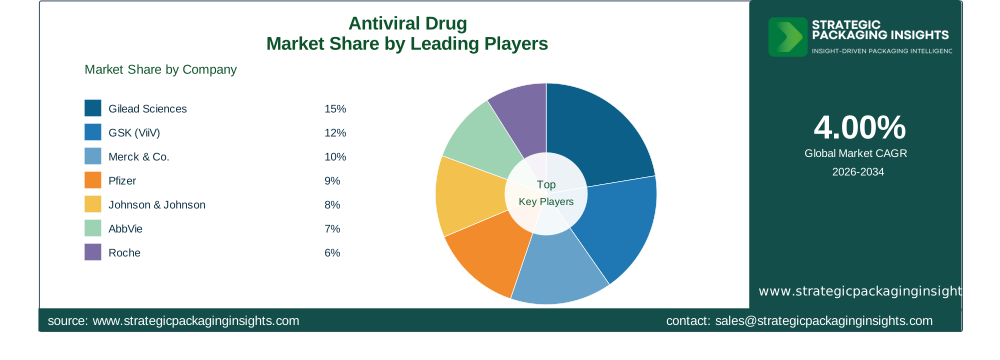
GSK (ViiV) is another major player in the antiviral drug market, known for its comprehensive portfolio of HIV treatments. The company's commitment to research and development has resulted in the introduction of several novel therapies, enhancing its competitive edge. Merck & Co. is also a prominent player, with a strong presence in the antiviral drug market. The company's focus on developing innovative therapies and expanding its product pipeline has contributed to its market success.
Pfizer and Johnson & Johnson are also key players in the antiviral drug market, with a focus on developing effective treatments for a range of viral infections. Pfizer's extensive research capabilities and strategic collaborations have enabled the company to introduce innovative antiviral therapies, while Johnson & Johnson's commitment to addressing unmet medical needs has driven its market growth. Other notable companies in the market include AbbVie, Roche, Cipla, Sun Pharma, and Aurobindo, each contributing to the market's competitive landscape through their unique product offerings and strategic initiatives.
AbbVie is known for its strong focus on research and development, particularly in the field of Hepatitis treatments. The company's innovative therapies and strategic partnerships have bolstered its market position. Roche, on the other hand, is renowned for its comprehensive portfolio of antiviral drugs, with a focus on developing targeted therapies for various viral infections. Cipla, Sun Pharma, and Aurobindo are also significant players in the market, known for their cost-effective generic antiviral drugs and extensive distribution networks.
Key Highlights
- The Antiviral Drug market size was valued at USD 65.0 billion in 2025.
- Forecasted to reach USD 92.5 billion by 2034, growing at a CAGR of 4.00%.
- Key players include Gilead Sciences, GSK (ViiV), Merck & Co., and Pfizer.
- Significant growth in the Asia Pacific region due to rising viral infections.
- Innovative drug classes like monoclonal antibodies are gaining traction.
- Online pharmacies are expanding distribution channels.
- Regulatory challenges and drug-resistant strains pose threats.
Antiviral Drug Market Segments Insights

By Drug Class Analysis
The antiviral drug market is segmented by drug class, with Reverse Transcriptase Inhibitors and Protease Inhibitors being the most prominent. These classes are widely used in the treatment of HIV and Hepatitis, driving significant demand. Companies like Gilead Sciences and Merck & Co. are leading the development of these inhibitors, focusing on enhancing their efficacy and safety profiles. The introduction of novel drug classes, such as Integrase Inhibitors and Monoclonal Antibodies, is also gaining traction, offering targeted treatment options with improved outcomes. These innovations are expected to drive market growth and address unmet medical needs.
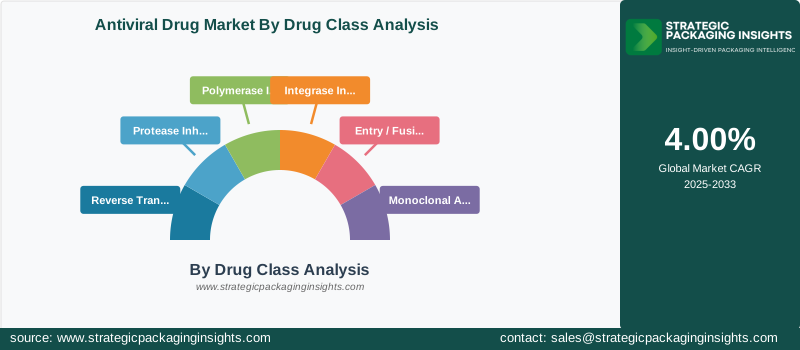
Polymerase Inhibitors and Entry/Fusion Inhibitors are also important segments within the antiviral drug market. These classes are primarily used in the treatment of influenza and other viral infections, providing effective therapeutic options. The growing prevalence of viral infections and the need for effective treatments are driving the demand for these inhibitors. Pharmaceutical companies are investing in research and development to discover new drug targets and improve existing formulations, ensuring the availability of effective antiviral therapies. The continuous innovation in drug classes is expected to enhance treatment efficacy and patient compliance, contributing to market growth.
By Application Analysis
The application segment of the antiviral drug market is dominated by treatments for HIV and Hepatitis, which account for a significant share of the market. The high prevalence of these infections and the need for effective therapies drive the demand for antiviral drugs. Companies like GSK (ViiV) and AbbVie are at the forefront, developing innovative treatments that cater to these growing needs. The introduction of novel therapies and the focus on personalized medicine are expected to enhance treatment outcomes and drive market growth.
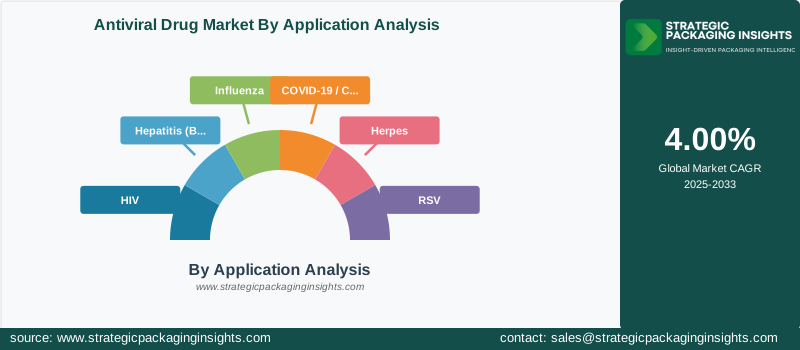
Influenza and COVID-19 are also key application areas within the antiviral drug market. The recent COVID-19 pandemic has heightened the demand for effective antiviral treatments, leading to increased investments in research and development. Pharmaceutical companies are focusing on developing targeted therapies that address the specific needs of these infections, ensuring the availability of effective treatment options. The growing awareness and government initiatives to control viral outbreaks further bolster the market's growth potential, ensuring a robust demand for antiviral drugs in the coming years.
By Route Analysis
The route of administration is a critical factor in the antiviral drug market, with oral and injectable routes being the most common. Oral antiviral drugs are widely preferred due to their convenience and ease of administration, driving significant demand. Companies like Pfizer and Johnson & Johnson are focusing on developing oral formulations that enhance patient compliance and treatment efficacy. Injectable antiviral drugs are also important, particularly for severe infections that require rapid therapeutic action. The development of advanced drug delivery systems and the introduction of novel formulations are expected to drive market growth.

Topical antiviral drugs are also gaining traction, particularly for the treatment of localized infections such as herpes. These formulations offer targeted treatment options with minimal systemic side effects, enhancing patient outcomes. Pharmaceutical companies are investing in research and development to discover new drug delivery technologies and improve existing formulations, ensuring the availability of effective topical antiviral therapies. The continuous innovation in drug delivery systems is expected to enhance treatment efficacy and patient compliance, contributing to market growth.
By Distribution Analysis
The distribution segment of the antiviral drug market is dominated by hospital and retail pharmacies, which account for a significant share of the market. These channels provide convenient access to antiviral drugs, ensuring their availability to patients. Companies like Roche and Cipla are focusing on expanding their distribution networks to enhance market reach and drive sales growth. The rise of online pharmacies is also transforming the distribution landscape, offering convenience and accessibility to consumers. This shift towards digital distribution is supported by advancements in telemedicine and remote healthcare services, which have gained traction during the COVID-19 pandemic.
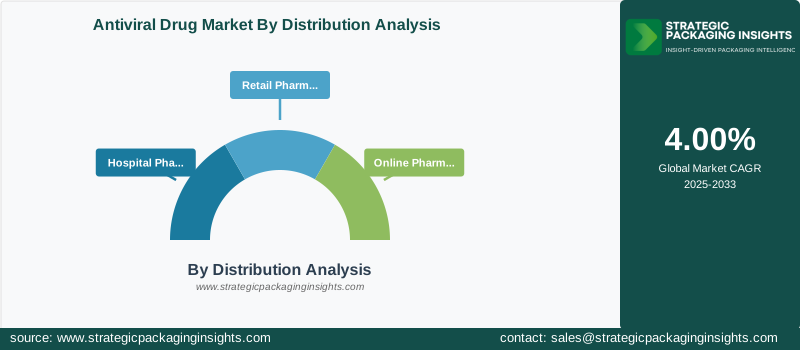
Online pharmacies are expected to play a significant role in the future of antiviral drug distribution, providing pharmaceutical companies with new avenues to reach a broader customer base. The growing demand for digital health platforms and the increasing adoption of e-commerce are driving the expansion of online distribution channels. By leveraging these digital channels, companies can enhance their market presence and drive sales growth. The continuous innovation in distribution strategies is expected to enhance market competitiveness and ensure the availability of antiviral drugs to patients worldwide.
Antiviral Drug Market Segments
The Antiviral Drug market has been segmented on the basis ofBy Drug Class
- Reverse Transcriptase Inhibitors
- Protease Inhibitors
- Polymerase Inhibitors
- Integrase Inhibitors
- Entry / Fusion Inhibitors
- Monoclonal Antibodies
By Application
- HIV
- Hepatitis (B, C)
- Influenza
- COVID-19 / Coronaviruses
- Herpes
- RSV
By Route
- Oral
- Injectable
- Topical
By Distribution
- Hospital Pharmacies
- Retail Pharmacies
- Online Pharmacies
By Region
- North America (U.S., Canada, Mexico)
- Europe (Germany, UK, France, Italy, Spain, Rest of Europe)
- Asia Pacific (China, India, Japan, South Korea, Australia, Rest of Asia Pacific)
- Latin America (Brazil, Argentina, Rest of Latin America)
- Middle East & Africa (GCC Countries, South Africa, Rest of MEA)




