


Aluminum Food Packaging Market Outlook
The Aluminum Food Packaging market was valued at $38.83 billion in 2025 and is projected to reach $62.65 billion by 2034, growing at a CAGR of 5.50% during the forecast period 2026-2034. This market is experiencing robust growth due to the increasing demand for sustainable and recyclable packaging solutions. Aluminum's lightweight, corrosion-resistant, and non-toxic properties make it an ideal choice for food packaging, driving its adoption across various sectors. The rise in consumer awareness regarding environmental issues and the shift towards eco-friendly packaging materials are significant factors propelling the market forward. Additionally, the growing food and beverage industry, coupled with advancements in packaging technology, is expected to further boost market growth.
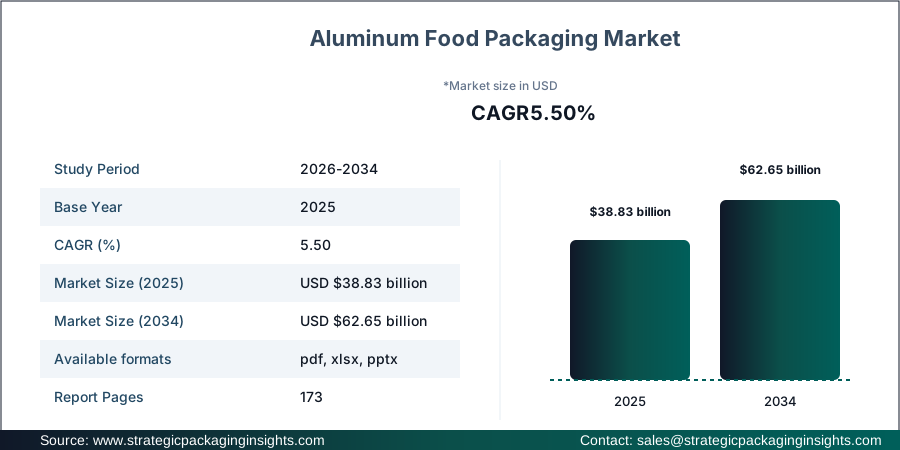
Despite the promising growth prospects, the Aluminum Food Packaging market faces certain challenges. Regulatory restrictions on the use of certain materials and the high cost of aluminum compared to other packaging materials can hinder market expansion. However, the potential for innovation in packaging design and the development of cost-effective production techniques present lucrative opportunities for market players. The increasing focus on reducing carbon footprints and enhancing the recyclability of packaging materials is likely to create new avenues for growth in the coming years. As companies strive to meet stringent environmental regulations and consumer demands, the market is poised for significant advancements.
Report Scope
| Attributes | Details |
| Report Title | Aluminum Food Packaging Market Size, Future Growth and Forecast 2034 |
| Packaging Type | Cans, Foil Containers, Pouches, Tubes, Wraps and Lids |
| Application | Processed Food, Dairy, Bakery, Pet Food, Confectionery |
| End Use | Retail Packaged Food, Foodservice, Industrial Food Processing, Institutional Catering |
| Format | Rigid Packaging, Semi-Rigid Packaging, Flexible Packaging |
| Region | Asia Pacific, North America, Latin America, Europe, Middle East & Africa |
| Base Year | 2025 |
| Historic Period | 2018-2024 |
| Forecast Period | 2026-2034 |
| Number of Pages | 173 |
| Customization Available | Yes* |
Opportunities & Threats
The Aluminum Food Packaging market presents numerous opportunities, particularly in the realm of sustainability and innovation. As consumers become more environmentally conscious, there is a growing demand for packaging solutions that are not only effective but also eco-friendly. Aluminum, being 100% recyclable, fits perfectly into this narrative, offering companies a chance to align with green initiatives and reduce their environmental impact. Furthermore, the versatility of aluminum allows for innovative packaging designs that can enhance product appeal and functionality, providing a competitive edge in the market. The increasing trend of urbanization and the rise in disposable incomes are also contributing to the demand for convenient and sustainable packaging solutions, further driving market growth.
Another significant opportunity lies in the expansion of the food and beverage industry, particularly in emerging markets. As these regions experience economic growth and an increase in consumer spending, the demand for packaged food products is on the rise. This, in turn, fuels the need for effective packaging solutions, with aluminum being a preferred choice due to its protective properties and aesthetic appeal. Companies can capitalize on this trend by expanding their presence in these markets and offering innovative packaging solutions tailored to local preferences and regulatory requirements. Additionally, advancements in packaging technology, such as smart packaging and improved barrier properties, present further opportunities for growth and differentiation in the market.
However, the market is not without its threats. One of the primary challenges is the fluctuating price of aluminum, which can impact production costs and profit margins. The volatility in raw material prices is a significant concern for manufacturers, as it affects their ability to offer competitive pricing. Moreover, the stringent regulations regarding food safety and packaging materials can pose compliance challenges for companies operating in this space. The need to adhere to various regional and international standards can increase operational complexities and costs. Additionally, the competition from alternative packaging materials, such as plastics and glass, remains a threat, as these materials continue to evolve and offer competitive advantages in terms of cost and functionality.
Drivers & Challenges
Several key drivers are propelling the growth of the Aluminum Food Packaging market. One of the primary drivers is the increasing consumer preference for sustainable and recyclable packaging solutions. As awareness about environmental issues grows, consumers are demanding packaging that minimizes waste and reduces environmental impact. Aluminum, being infinitely recyclable, meets these demands and is thus gaining popularity among both consumers and manufacturers. Additionally, the rise in the consumption of packaged food products, driven by changing lifestyles and urbanization, is boosting the demand for effective packaging solutions. Aluminum's ability to provide excellent barrier protection and preserve the quality and freshness of food products makes it a preferred choice in the food packaging industry.
Technological advancements in packaging are also driving market growth. Innovations such as improved barrier properties, lightweight designs, and smart packaging solutions are enhancing the functionality and appeal of aluminum packaging. These advancements not only improve the shelf life and safety of food products but also offer opportunities for branding and consumer engagement. Furthermore, the increasing focus on reducing carbon footprints and enhancing the recyclability of packaging materials is encouraging manufacturers to adopt aluminum packaging solutions. The support from governments and regulatory bodies for sustainable packaging practices is further driving the adoption of aluminum in the food packaging industry.
Despite the positive drivers, the Aluminum Food Packaging market faces several challenges. One of the significant challenges is the high cost of aluminum compared to other packaging materials. This cost factor can limit the adoption of aluminum packaging, especially among small and medium-sized enterprises with budget constraints. Additionally, the competition from alternative packaging materials, such as plastics and glass, poses a challenge to market growth. These materials often offer cost advantages and have established supply chains, making them attractive options for manufacturers. Moreover, the need to comply with stringent regulations regarding food safety and packaging materials can increase operational complexities and costs for companies operating in this market.
Market Share Analysis
The Aluminum Food Packaging market is characterized by a competitive landscape with several key players vying for market share. Companies such as Amcor, Ball Corporation, Crown Holdings, Ardagh Metal Packaging, and Constantia Flexibles are prominent players in this market, each holding a significant share. These companies are focusing on expanding their product portfolios and enhancing their production capabilities to meet the growing demand for aluminum packaging solutions. The competitive landscape is further intensified by the presence of regional players who are leveraging their local expertise and cost advantages to capture market share.
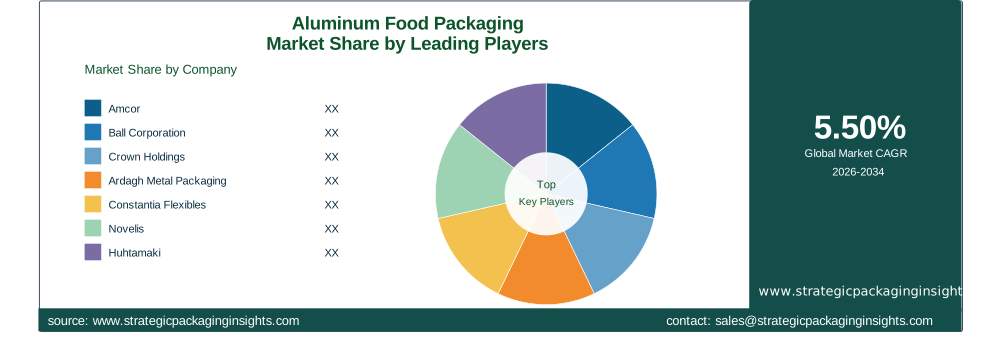
Amcor, a leading player in the aluminum food packaging market, is known for its innovative packaging solutions and strong focus on sustainability. The company has been actively investing in research and development to enhance its product offerings and improve the recyclability of its packaging materials. Ball Corporation, another major player, is renowned for its expertise in metal packaging and has a strong presence in the beverage and food packaging sectors. The company's focus on sustainability and innovation has helped it maintain a competitive edge in the market.
Crown Holdings is a key player in the aluminum food packaging market, offering a wide range of packaging solutions for the food and beverage industry. The company's commitment to sustainability and its focus on developing lightweight and recyclable packaging solutions have contributed to its strong market position. Ardagh Metal Packaging, a subsidiary of the Ardagh Group, is also a significant player in this market, known for its high-quality metal packaging solutions and strong customer relationships. The company's focus on innovation and sustainability has helped it capture a substantial share of the market.
Constantia Flexibles is another prominent player in the aluminum food packaging market, offering a diverse range of flexible packaging solutions. The company's focus on sustainability and its commitment to reducing the environmental impact of its products have been key factors in its success. Novelis, a leading producer of flat-rolled aluminum products, is also a major player in this market, known for its innovative solutions and strong focus on sustainability. The company's expertise in recycling and its commitment to reducing carbon emissions have helped it maintain a competitive position in the market.
Key Highlights
- The Aluminum Food Packaging market is projected to grow from $38.83 billion in 2025 to $62.65 billion by 2034, at a CAGR of 5.50%.
- Increasing consumer demand for sustainable and recyclable packaging solutions is a major driver of market growth.
- Technological advancements in packaging, such as smart packaging and improved barrier properties, are enhancing market appeal.
- Emerging markets present significant growth opportunities due to rising consumer spending and urbanization.
- Fluctuating aluminum prices and competition from alternative packaging materials pose challenges to market growth.
- Key players in the market include Amcor, Ball Corporation, Crown Holdings, Ardagh Metal Packaging, and Constantia Flexibles.
- Regulatory support for sustainable packaging practices is encouraging the adoption of aluminum packaging solutions.
- Innovations in packaging design and production techniques offer opportunities for differentiation and competitive advantage.
- The market is characterized by a competitive landscape with several key players vying for market share.
Top Countries Insights
In the Aluminum Food Packaging market, the United States stands out as a leading country, with a market size of approximately $12 billion and a CAGR of 4%. The country's strong focus on sustainability and the presence of major food and beverage companies drive the demand for aluminum packaging solutions. Government regulations promoting eco-friendly packaging further support market growth. However, challenges such as fluctuating aluminum prices and competition from alternative materials persist.
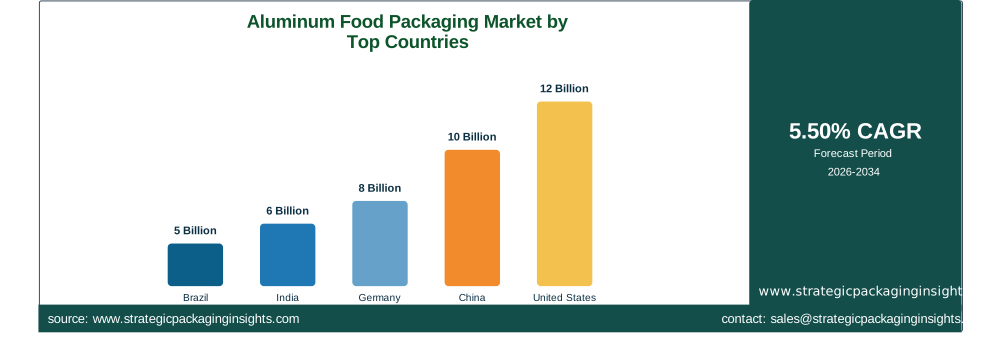
China is another significant player in the market, with a market size of around $10 billion and a CAGR of 6%. The country's rapid urbanization and growing middle class are driving the demand for packaged food products, boosting the need for effective packaging solutions. The government's emphasis on reducing environmental impact and promoting sustainable practices is also contributing to the growth of the aluminum packaging market in China.
Germany, with a market size of approximately $8 billion and a CAGR of 5%, is a key market for aluminum food packaging in Europe. The country's strong manufacturing base and focus on innovation and sustainability are driving the demand for aluminum packaging solutions. Regulatory support for sustainable packaging practices and the presence of major packaging companies further enhance market growth.
India, with a market size of around $6 billion and a CAGR of 7%, presents significant growth opportunities for the aluminum food packaging market. The country's expanding food and beverage industry, coupled with rising consumer awareness about sustainability, is driving the demand for aluminum packaging solutions. However, challenges such as high production costs and competition from alternative materials remain.
Brazil, with a market size of approximately $5 billion and a CAGR of 5%, is a key market in Latin America. The country's growing food and beverage industry and increasing consumer preference for sustainable packaging solutions are driving market growth. However, economic challenges and regulatory complexities pose challenges to market expansion.
Aluminum Food Packaging Market Segments Insights

Packaging Type Analysis
The Aluminum Food Packaging market is segmented by packaging type into cans, foil containers, pouches, tubes, wraps, and lids. Cans are a dominant segment due to their widespread use in the beverage industry and their excellent barrier properties, which preserve the quality and freshness of food products. The demand for cans is driven by the increasing consumption of ready-to-drink beverages and the growing trend of on-the-go consumption. Foil containers are also gaining popularity due to their versatility and ability to withstand high temperatures, making them ideal for ready-to-eat meals and takeout food. Pouches and tubes are emerging as popular choices for packaging sauces, condiments, and other liquid food products, offering convenience and ease of use for consumers.
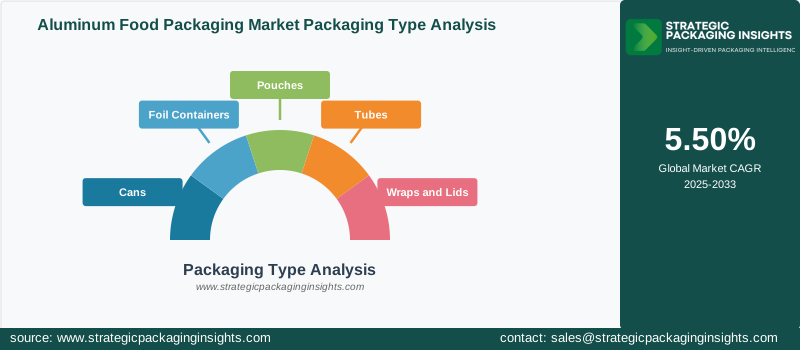
Wraps and lids are essential components of aluminum food packaging, providing protection and sealing for various food products. The demand for wraps and lids is driven by the increasing consumption of packaged food products and the need for effective sealing solutions to maintain product freshness. The growing trend of sustainable packaging is also influencing the demand for aluminum wraps and lids, as they offer a recyclable and eco-friendly alternative to plastic packaging. Overall, the packaging type segment is characterized by a diverse range of products, each catering to specific consumer needs and preferences, driving the growth of the aluminum food packaging market.
Application Analysis
The application segment of the Aluminum Food Packaging market includes processed food, dairy, bakery, pet food, and confectionery. Processed food is a major application segment, driven by the increasing demand for convenience foods and ready-to-eat meals. Aluminum packaging provides excellent barrier protection, preserving the quality and freshness of processed food products. The dairy segment is also a significant contributor to market growth, with aluminum packaging being used for products such as milk, cheese, and yogurt. The demand for aluminum packaging in the dairy industry is driven by its ability to protect against light and oxygen, ensuring product safety and extending shelf life.
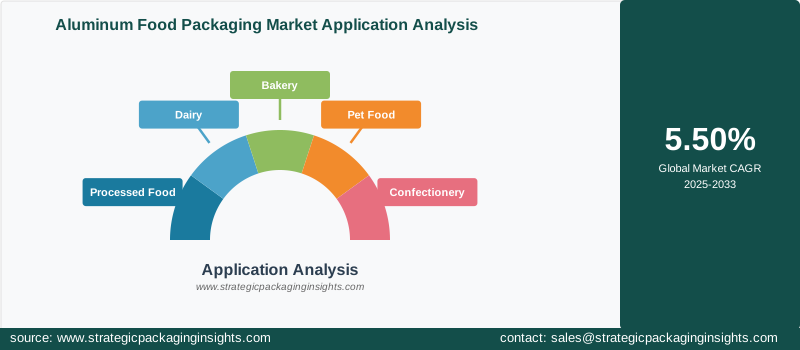
The bakery and confectionery segments are experiencing growth due to the increasing consumption of packaged baked goods and confectionery products. Aluminum packaging offers a lightweight and attractive solution for packaging these products, enhancing their appeal and shelf presence. The pet food segment is also witnessing growth, driven by the increasing adoption of pets and the demand for convenient and sustainable packaging solutions. Overall, the application segment is characterized by a diverse range of products, each catering to specific consumer needs and preferences, driving the growth of the aluminum food packaging market.
End Use Analysis
The end-use segment of the Aluminum Food Packaging market includes retail packaged food, foodservice, industrial food processing, and institutional catering. Retail packaged food is a dominant segment, driven by the increasing demand for packaged food products and the growing trend of convenience consumption. Aluminum packaging provides excellent barrier protection and aesthetic appeal, making it a preferred choice for retail packaged food products. The foodservice segment is also experiencing growth, driven by the increasing demand for takeout and delivery services. Aluminum packaging offers a lightweight and durable solution for packaging food products, ensuring product safety and quality during transportation.
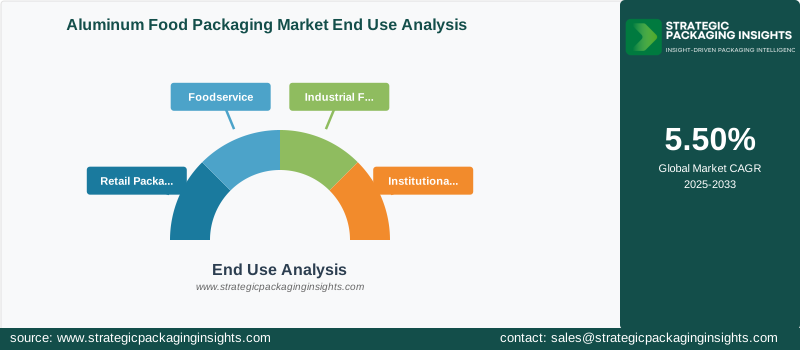
Industrial food processing is a significant contributor to market growth, with aluminum packaging being used for products such as canned fruits and vegetables, sauces, and condiments. The demand for aluminum packaging in the industrial food processing segment is driven by its ability to withstand high temperatures and provide excellent barrier protection. Institutional catering is also witnessing growth, driven by the increasing demand for convenient and sustainable packaging solutions in the catering industry. Overall, the end-use segment is characterized by a diverse range of applications, each catering to specific consumer needs and preferences, driving the growth of the aluminum food packaging market.
Format Analysis
The format segment of the Aluminum Food Packaging market includes rigid packaging, semi-rigid packaging, and flexible packaging. Rigid packaging is a dominant segment, driven by its widespread use in the beverage industry and its excellent barrier properties, which preserve the quality and freshness of food products. The demand for rigid packaging is driven by the increasing consumption of ready-to-drink beverages and the growing trend of on-the-go consumption. Semi-rigid packaging is also gaining popularity due to its versatility and ability to withstand high temperatures, making it ideal for ready-to-eat meals and takeout food.
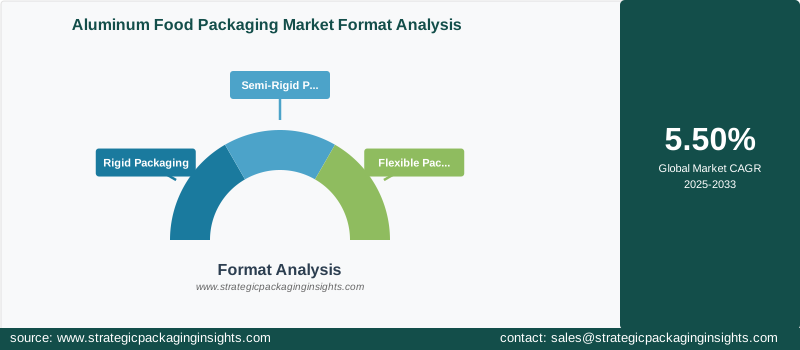
Flexible packaging is emerging as a popular choice for packaging sauces, condiments, and other liquid food products, offering convenience and ease of use for consumers. The demand for flexible packaging is driven by the increasing consumption of packaged food products and the need for effective sealing solutions to maintain product freshness. The growing trend of sustainable packaging is also influencing the demand for flexible packaging, as it offers a recyclable and eco-friendly alternative to plastic packaging. Overall, the format segment is characterized by a diverse range of products, each catering to specific consumer needs and preferences, driving the growth of the aluminum food packaging market.
Aluminum Food Packaging Market Segments
The Aluminum Food Packaging market has been segmented on the basis ofPackaging Type
- Cans
- Foil Containers
- Pouches
- Tubes
- Wraps and Lids
Application
- Processed Food
- Dairy
- Bakery
- Pet Food
- Confectionery
End Use
- Retail Packaged Food
- Foodservice
- Industrial Food Processing
- Institutional Catering
Format
- Rigid Packaging
- Semi-Rigid Packaging
- Flexible Packaging
Region
- Asia Pacific
- North America
- Latin America
- Europe
- Middle East & Africa




