


Aluminium Bottle Market Outlook
The Aluminium Bottle market size was valued at USD 10.65 billion in 2025 and is anticipated to reach USD 18.14 billion by 2034, growing at a CAGR of 6.1% during the forecast period according to Strategic Packaging Insights. The market is witnessing significant growth due to the increasing demand for sustainable and eco-friendly packaging solutions. Major brands like Ball Corporation and CCL Container are leading the charge in innovation and production efficiency, driving the market forward. The shift towards aluminum bottles is largely driven by their recyclability and lightweight nature, which aligns with global sustainability goals and consumer preferences for environmentally friendly products.
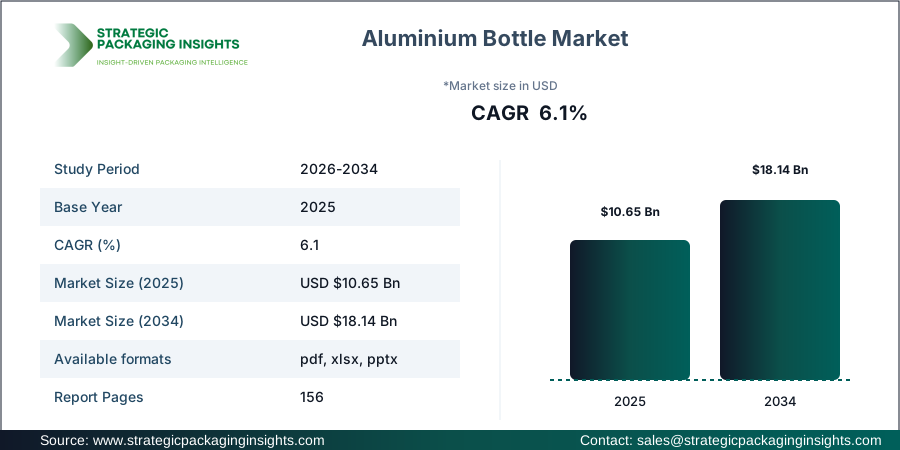
One of the most impactful drivers of the Aluminium Bottle market is the growing consumer awareness and demand for sustainable packaging solutions. Governments worldwide are implementing stringent regulations to reduce plastic waste, which is propelling the shift towards aluminum packaging. For instance, the European Union's directive on single-use plastics has significantly influenced packaging strategies, encouraging the adoption of aluminum bottles. This regulatory push, combined with consumer preference for eco-friendly products, is expected to sustain the market's growth trajectory. Brands like Trivium Packaging and Envases Group are capitalizing on these trends by expanding their product lines and enhancing their production capabilities to meet the rising demand.
Report Scope
| Attributes | Details |
| Report Title | Aluminium Bottle Market Size, Future Growth and Forecast 2034 |
| Product Type | Beverage Bottles, Cosmetic Bottles, Pharma Bottles, Industrial Bottles |
| Capacity | Below 250 ml, 250–750 ml, Above 750 ml |
| Application | Water, Alcoholic Beverages, Personal Care, Chemicals |
| End Use | Beverage Brands, FMCG, Healthcare, Retail |
| Region | Asia Pacific, North America, Latin America, Europe, Middle East & Africa |
| Base Year | 2025 |
| Historic Period | 2018-2024 |
| Forecast Period | 2026-2034 |
| Number of Pages | 156 |
| Customization Available | Yes* |
Sustainability & Circular Economy Analysis
Sustainability initiatives and circular economy practices are profoundly influencing the Aluminium Bottle market. The emphasis on recyclable materials is driving manufacturers to innovate in eco-friendly material solutions, reducing the carbon footprint of packaging products. Companies are increasingly adopting lightweight packaging strategies to minimize material usage and enhance transportation efficiency. This shift not only aligns with environmental goals but also offers cost savings in logistics and raw material procurement, making it a strategic choice for businesses aiming for long-term competitiveness.
Extended Producer Responsibility (EPR) regulations are pushing companies to take accountability for the entire lifecycle of their products, including post-consumer waste management. This has led to increased investment in recycling networks and infrastructure, ensuring that aluminum bottles are effectively recycled and reintroduced into the production cycle. Such initiatives are crucial for meeting regulatory compliance and consumer expectations for sustainable practices. As a result, companies like Montebello Packaging and Tournaire are focusing on enhancing their recycling capabilities and collaborating with stakeholders across the supply chain to achieve these objectives.
Consumer preferences are increasingly leaning towards brands that demonstrate a commitment to sustainability. This trend is influencing packaging design and manufacturing decisions, with companies investing in eco-friendly innovations to attract environmentally conscious consumers. The integration of ESG (Environmental, Social, and Governance) initiatives into business strategies is becoming a norm, as it not only enhances brand reputation but also drives market differentiation. As the demand for sustainable packaging solutions continues to rise, the Aluminium Bottle market is poised for significant growth, driven by these evolving consumer and regulatory dynamics.
Packaging Value Chain & Supply Chain Analysis
The Aluminium Bottle market's value chain is a complex ecosystem involving raw material sourcing, packaging converters, manufacturers, and logistics providers. Efficient raw material procurement is critical, as aluminum prices and availability can significantly impact production costs and timelines. Companies like Ardagh Group and Tecnocap are focusing on strategic partnerships with suppliers to ensure a steady supply of high-quality aluminum, which is essential for maintaining production efficiency and meeting market demand.
Packaging converters and manufacturers play a pivotal role in transforming raw materials into finished products. Advanced packaging machinery and technology are being leveraged to enhance production capabilities and reduce lead times. This is crucial for maintaining competitiveness in a market where demand is rapidly increasing. Logistics and distribution channels are equally important, as they ensure that products reach consumers efficiently and cost-effectively. Companies are investing in robust inventory management systems and exploring localization strategies to enhance supply chain resilience and mitigate risks associated with global sourcing.
Recycling networks are an integral part of the Aluminium Bottle market's supply chain, as they facilitate the circular economy by reintroducing used materials into the production cycle. This not only supports sustainability goals but also reduces dependency on virgin materials, offering cost advantages. Brand owners and retailers are increasingly collaborating with recycling partners to enhance their sustainability credentials and meet consumer expectations. As the market continues to evolve, supply chain efficiency and strategic partnerships will be key determinants of business success and market leadership.
Opportunities & Threats
The Aluminium Bottle market presents numerous opportunities for growth, driven by the increasing demand for sustainable packaging solutions. The shift towards eco-friendly products is creating a favorable environment for innovation in aluminum bottle design and manufacturing. Companies have the opportunity to differentiate themselves by developing unique, aesthetically pleasing, and functional packaging solutions that cater to consumer preferences for sustainability. Additionally, the growing popularity of aluminum bottles in emerging markets offers significant expansion potential for companies looking to tap into new consumer bases.
Technological advancements in manufacturing processes present another opportunity for market players. The adoption of advanced production techniques can enhance efficiency, reduce costs, and improve product quality, providing a competitive edge. Companies that invest in research and development to innovate in lightweight and durable aluminum bottles are likely to capture a larger market share. Furthermore, strategic collaborations and partnerships with stakeholders across the supply chain can enhance market reach and drive growth.
However, the Aluminium Bottle market also faces certain threats that could hinder its growth. Fluctuations in aluminum prices and supply chain disruptions pose significant challenges for manufacturers. The reliance on global supply chains makes the market vulnerable to geopolitical tensions and trade restrictions, which can impact raw material availability and pricing. Additionally, the competitive landscape is intensifying, with numerous players vying for market share. Companies must continuously innovate and adapt to changing consumer preferences and regulatory requirements to maintain their competitive position.
Drivers & Challenges
The Aluminium Bottle market is primarily driven by the increasing consumer demand for sustainable and eco-friendly packaging solutions. The shift towards aluminum bottles is largely due to their recyclability and lightweight nature, which aligns with global sustainability goals. Additionally, the growing awareness of environmental issues and the need to reduce plastic waste are encouraging consumers to opt for aluminum packaging. This trend is further supported by government regulations aimed at reducing plastic usage and promoting sustainable practices, creating a favorable environment for market growth.
Technological advancements in manufacturing processes are also driving the Aluminium Bottle market. Innovations in production techniques are enabling manufacturers to produce high-quality, lightweight, and durable aluminum bottles at competitive prices. This is enhancing the market's attractiveness to both consumers and businesses. Furthermore, the increasing adoption of aluminum bottles in various applications, such as beverages, personal care, and chemicals, is expanding the market's scope and driving demand.
Despite the positive drivers, the Aluminium Bottle market faces several challenges that could impact its growth. One of the primary challenges is the volatility in aluminum prices, which can affect production costs and profitability. Additionally, supply chain disruptions, such as those caused by geopolitical tensions or natural disasters, can impact raw material availability and lead times. The market also faces competition from alternative packaging materials, such as glass and plastic, which offer different advantages and may appeal to certain consumer segments. Companies must navigate these challenges by adopting strategic procurement and supply chain management practices to ensure business continuity and competitiveness.
Market Share Analysis
The Aluminium Bottle market is characterized by a competitive landscape with several key players vying for market share. Companies like Ball Corporation, CCL Container, and Trivium Packaging are leading the market with their innovative product offerings and strong distribution networks. These companies have established themselves as market leaders by leveraging their extensive industry experience and investing in research and development to enhance their product portfolios. Their focus on sustainability and eco-friendly packaging solutions has resonated well with consumers, driving their market dominance.
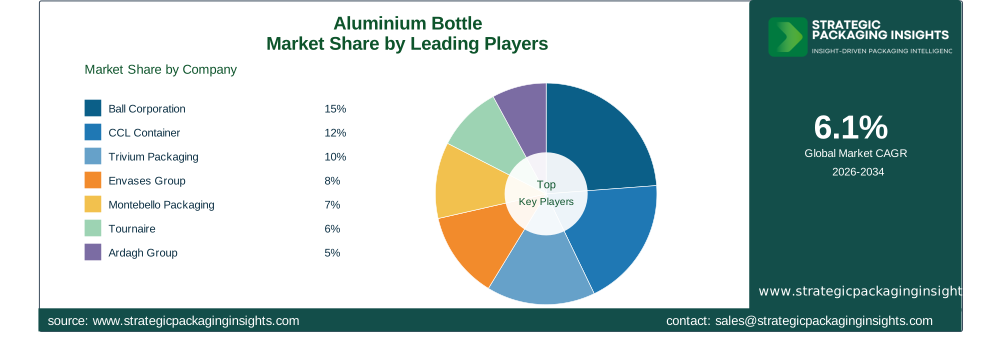
Ball Corporation, a prominent player in the Aluminium Bottle market, has a significant market share due to its extensive product range and global presence. The company's commitment to sustainability and innovation has positioned it as a leader in the industry. Similarly, CCL Container has gained a competitive edge by offering customized packaging solutions that cater to the specific needs of its clients. The company's focus on quality and customer satisfaction has helped it maintain a strong market position.
Trivium Packaging, another key player, has made significant strides in the Aluminium Bottle market by expanding its product offerings and enhancing its production capabilities. The company's strategic acquisitions and partnerships have strengthened its market presence and enabled it to tap into new consumer segments. Envases Group and Montebello Packaging are also notable players, known for their innovative packaging solutions and commitment to sustainability. These companies have invested in advanced manufacturing technologies to improve efficiency and reduce environmental impact.
Other significant players in the Aluminium Bottle market include Tournaire, Ardagh Group, Tecnocap, Nussbaum, and Bisleri International. These companies have established themselves as reliable suppliers of high-quality aluminum bottles, catering to a diverse range of applications. Their focus on product innovation and customer-centric strategies has enabled them to capture a substantial share of the market. As the demand for sustainable packaging solutions continues to grow, these companies are well-positioned to capitalize on emerging opportunities and maintain their competitive advantage.
Key Highlights
- Market Size: The Aluminium Bottle market was valued at USD 10.65 billion in 2025 and is projected to reach USD 18.14 billion by 2034.
- Growth Rate: The market is expected to grow at a CAGR of 6.1% during the forecast period.
- Leading Companies: Key players include Ball Corporation, CCL Container, and Trivium Packaging.
- Product Segments: Beverage bottles and cosmetic bottles are among the fastest-growing segments.
- Regional Insights: Asia Pacific is expected to witness the highest growth rate.
- Sustainability Trends: Increasing demand for eco-friendly and recyclable packaging solutions.
- Technological Advancements: Innovations in manufacturing processes enhancing product quality and efficiency.
Aluminium Bottle Market Segments Insights

Product Type Analysis
The Aluminium Bottle market is segmented by product type into beverage bottles, cosmetic bottles, pharma bottles, and industrial bottles. Beverage bottles hold a significant share of the market, driven by the increasing demand for sustainable packaging solutions in the beverage industry. The shift towards aluminum bottles is largely due to their recyclability and lightweight nature, which aligns with global sustainability goals. Cosmetic bottles are also witnessing substantial growth, as consumers increasingly prefer eco-friendly packaging for personal care products. Companies are investing in innovative designs and materials to cater to this growing demand, enhancing their market competitiveness.
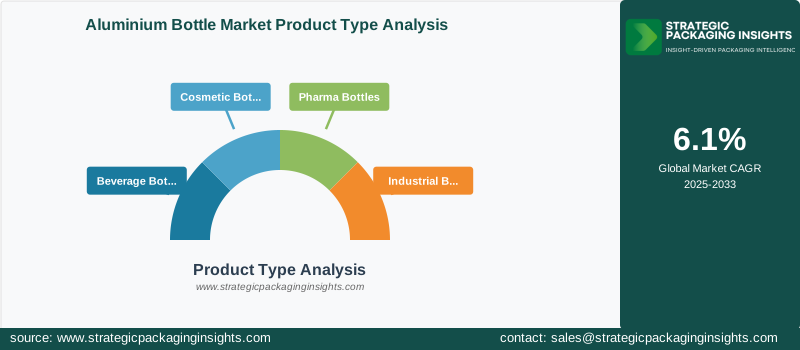
Pharma bottles are gaining traction in the Aluminium Bottle market, as the pharmaceutical industry seeks sustainable packaging solutions to reduce environmental impact. The use of aluminum bottles in the pharmaceutical sector is driven by their ability to protect products from light and moisture, ensuring product integrity and safety. Industrial bottles, although a smaller segment, are also experiencing growth due to the increasing adoption of aluminum packaging in various industrial applications. The versatility and durability of aluminum bottles make them an attractive choice for industrial use, further driving market expansion.
Capacity Analysis
The Aluminium Bottle market is segmented by capacity into below 250 ml, 250-750 ml, and above 750 ml. The 250-750 ml segment holds the largest share of the market, driven by the widespread use of aluminum bottles in the beverage and personal care industries. This capacity range is ideal for single-use and on-the-go products, catering to the growing consumer demand for convenience and portability. The below 250 ml segment is also witnessing growth, particularly in the personal care and pharmaceutical sectors, where smaller packaging sizes are preferred for specific applications.
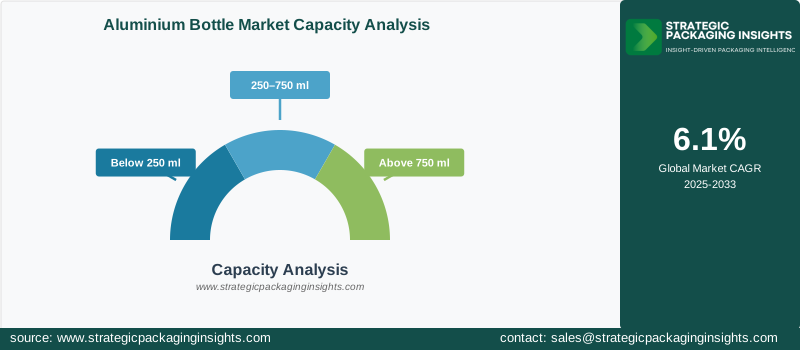
The above 750 ml segment is gaining traction in the Aluminium Bottle market, as consumers increasingly seek larger packaging options for home and industrial use. This segment is particularly popular in the beverage industry, where larger bottles are used for family-sized and bulk products. Companies are focusing on developing innovative packaging solutions in this capacity range to meet the diverse needs of consumers and enhance their market presence. The increasing demand for sustainable and eco-friendly packaging solutions is expected to drive further growth in this segment.
Application Analysis
The Aluminium Bottle market is segmented by application into water, alcoholic beverages, personal care, and chemicals. The water segment holds a significant share of the market, driven by the increasing demand for sustainable packaging solutions in the bottled water industry. The shift towards aluminum bottles is largely due to their recyclability and lightweight nature, which aligns with global sustainability goals. The alcoholic beverages segment is also witnessing substantial growth, as consumers increasingly prefer eco-friendly packaging for their favorite drinks.
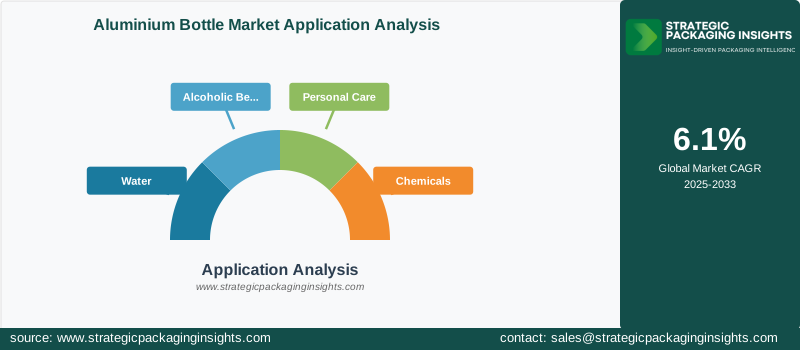
Personal care products are gaining traction in the Aluminium Bottle market, as consumers seek sustainable packaging solutions for their beauty and grooming needs. The use of aluminum bottles in the personal care sector is driven by their ability to protect products from light and moisture, ensuring product integrity and safety. The chemicals segment, although a smaller portion of the market, is also experiencing growth due to the increasing adoption of aluminum packaging in various industrial applications. The versatility and durability of aluminum bottles make them an attractive choice for chemical use, further driving market expansion.
End Use Analysis
The Aluminium Bottle market is segmented by end use into beverage brands, FMCG, healthcare, and retail. Beverage brands hold a significant share of the market, driven by the increasing demand for sustainable packaging solutions in the beverage industry. The shift towards aluminum bottles is largely due to their recyclability and lightweight nature, which aligns with global sustainability goals. FMCG companies are also witnessing substantial growth, as consumers increasingly prefer eco-friendly packaging for their everyday products.
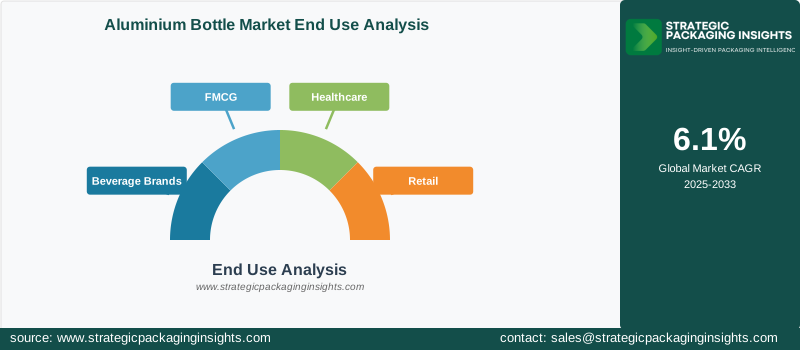
The healthcare sector is gaining traction in the Aluminium Bottle market, as the industry seeks sustainable packaging solutions to reduce environmental impact. The use of aluminum bottles in healthcare is driven by their ability to protect products from light and moisture, ensuring product integrity and safety. The retail sector, although a smaller portion of the market, is also experiencing growth due to the increasing adoption of aluminum packaging in various retail applications. The versatility and durability of aluminum bottles make them an attractive choice for retail use, further driving market expansion.
Aluminium Bottle Market Segments
The Aluminium Bottle market has been segmented on the basis ofProduct Type
- Beverage Bottles
- Cosmetic Bottles
- Pharma Bottles
- Industrial Bottles
Capacity
- Below 250 ml
- 250–750 ml
- Above 750 ml
Application
- Water
- Alcoholic Beverages
- Personal Care
- Chemicals
End Use
- Beverage Brands
- FMCG
- Healthcare
- Retail
Region
- Asia Pacific
- North America
- Latin America
- Europe
- Middle East & Africa




