


Alcoholic Drinks Packaging Market Outlook
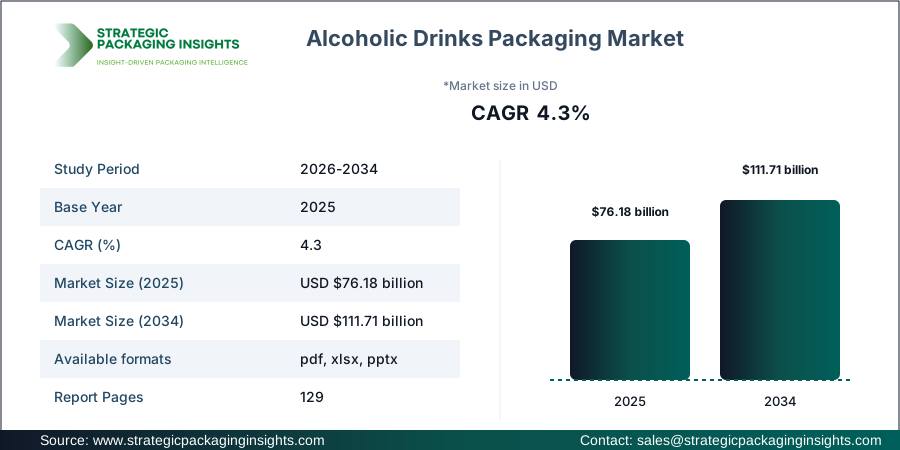
The Alcoholic Drinks Packaging market was valued at $76.18 billion in 2025 and is projected to reach $111.71 billion by 2034, growing at a CAGR of 4.3% during the forecast period 2026-2034. This market is witnessing significant growth due to the increasing demand for innovative and sustainable packaging solutions. The rise in global alcohol consumption, coupled with the growing trend of premiumization in alcoholic beverages, is driving the demand for aesthetically appealing and functional packaging. Additionally, the shift towards eco-friendly materials and the adoption of advanced packaging technologies are further propelling market growth. The market is also benefiting from the expansion of the e-commerce sector, which is increasing the demand for durable and protective packaging solutions.
However, the market faces challenges such as stringent regulations regarding packaging waste and recycling, which could hinder growth. The high cost of raw materials and the complexity of the supply chain are also potential restraints. Despite these challenges, the market holds significant growth potential, driven by the increasing focus on sustainability and the development of innovative packaging solutions that enhance product shelf life and consumer experience. The growing popularity of ready-to-drink (RTD) alcoholic beverages and the expansion of the craft beer industry are expected to create new opportunities for market players.
Report Scope
| Attributes | Details |
| Report Title | Alcoholic Drinks Packaging Market Size, Future Growth and Forecast 2034 |
| Packaging Type | Glass Bottles, Cans, Cartons, Pouches |
| Material Type | Glass, Aluminum, Paperboard, Plastic |
| Application | Beer, Wine, Spirits, RTD Alcohol |
| End Use | Breweries, Wineries, Distilleries, Contract Fillers |
| Region | Asia Pacific, North America, Latin America, Europe, Middle East & Africa |
| Base Year | 2025 |
| Historic Period | 2018-2024 |
| Forecast Period | 2026-2034 |
| Number of Pages | 129 |
| Customization Available | Yes* |
Opportunities & Threats
The Alcoholic Drinks Packaging market presents numerous opportunities, particularly in the realm of sustainable packaging. As consumers become more environmentally conscious, there is a growing demand for packaging solutions that minimize environmental impact. This has led to increased investment in research and development to create biodegradable and recyclable packaging materials. Companies that can innovate in this space are likely to gain a competitive edge. Additionally, the rise of e-commerce and direct-to-consumer sales channels offers opportunities for packaging companies to develop solutions that cater to the unique needs of online retail, such as lightweight and protective packaging that reduces shipping costs and ensures product safety.
Another significant opportunity lies in the premiumization trend within the alcoholic beverages industry. As consumers increasingly seek high-quality, premium products, there is a corresponding demand for packaging that reflects the premium nature of these products. This includes the use of high-end materials, sophisticated design elements, and innovative features such as smart packaging that enhances the consumer experience. Companies that can align their packaging solutions with these trends are well-positioned to capitalize on the growing demand for premium alcoholic beverages.
On the threat side, the Alcoholic Drinks Packaging market faces challenges from regulatory pressures aimed at reducing packaging waste and promoting recycling. Governments around the world are implementing stricter regulations on packaging materials, which could increase compliance costs for manufacturers. Additionally, the volatility in raw material prices, particularly for materials like aluminum and glass, poses a threat to profitability. Companies must navigate these challenges by optimizing their supply chains and exploring alternative materials that offer cost advantages without compromising on quality.
Drivers & Challenges
The Alcoholic Drinks Packaging market is driven by several key factors, including the increasing global consumption of alcoholic beverages. As disposable incomes rise and consumer preferences shift towards premium and craft beverages, the demand for innovative packaging solutions is on the rise. Packaging plays a crucial role in brand differentiation and consumer engagement, making it a critical component of the marketing strategy for alcoholic beverage companies. Additionally, the growing focus on sustainability and environmental responsibility is driving the adoption of eco-friendly packaging materials and practices, further fueling market growth.
Technological advancements in packaging are also a significant driver of market growth. The development of smart packaging solutions that enhance product shelf life, provide tamper evidence, and offer interactive consumer experiences is gaining traction. These innovations not only improve product safety and quality but also provide opportunities for brands to engage with consumers in new and exciting ways. The integration of digital technologies, such as QR codes and augmented reality, into packaging is creating new avenues for consumer interaction and brand storytelling.
Despite these drivers, the market faces several challenges, including the high cost of raw materials and the complexity of the supply chain. The volatility in prices of materials like glass and aluminum can impact profitability and create uncertainty for manufacturers. Additionally, the need to comply with stringent regulations regarding packaging waste and recycling adds to the operational challenges faced by companies in this market. To overcome these challenges, companies must focus on optimizing their supply chains, investing in sustainable materials, and developing innovative packaging solutions that meet regulatory requirements while enhancing consumer appeal.
Market Share Analysis
The competitive landscape of the Alcoholic Drinks Packaging market is characterized by the presence of several key players who are driving innovation and growth in the industry. Companies such as O-I Glass, Ardagh Group, Ball Corporation, and Crown Holdings hold significant market shares due to their extensive product portfolios and strong distribution networks. These companies are investing heavily in research and development to create innovative packaging solutions that meet the evolving needs of consumers and regulatory requirements. The focus on sustainability and eco-friendly packaging is a common theme among these market leaders, as they seek to reduce their environmental impact and enhance their brand reputation.
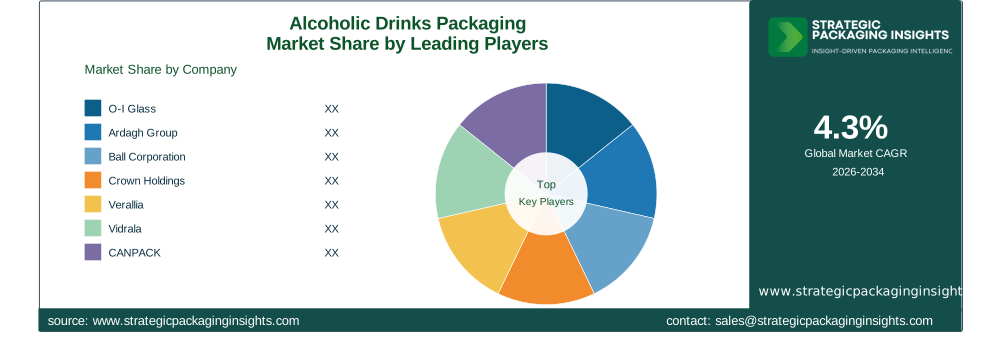
O-I Glass is a leading player in the glass packaging segment, known for its high-quality and sustainable glass bottles. The company has a strong presence in the global market and is committed to reducing its carbon footprint through the use of recycled materials and energy-efficient manufacturing processes. Ardagh Group is another major player, offering a wide range of packaging solutions, including glass and metal containers. The company's focus on innovation and sustainability has helped it maintain a competitive edge in the market.
Ball Corporation and Crown Holdings are prominent players in the metal packaging segment, known for their expertise in producing aluminum cans and other metal containers. These companies are leveraging their technological capabilities to develop lightweight and recyclable packaging solutions that cater to the growing demand for sustainable packaging. Verallia and Vidrala are key players in the European market, specializing in glass packaging for the wine and spirits industries. Their focus on quality and innovation has helped them capture significant market shares in their respective regions.
CANPACK, Amcor, Tetra Pak, and Vetropack are also notable players in the market, each with a unique focus on different packaging materials and applications. CANPACK is known for its expertise in metal packaging, while Amcor offers a diverse range of packaging solutions, including flexible and rigid packaging. Tetra Pak is a leader in carton packaging, known for its innovative and sustainable solutions for the beverage industry. Vetropack is a key player in the glass packaging segment, with a strong presence in the European market.
Key Highlights
- The Alcoholic Drinks Packaging market is projected to grow at a CAGR of 4.3% from 2026 to 2034.
- Increasing demand for sustainable and eco-friendly packaging solutions is driving market growth.
- Technological advancements in smart packaging are creating new opportunities for consumer engagement.
- The rise of e-commerce is boosting demand for durable and protective packaging solutions.
- Premiumization trends in the alcoholic beverages industry are driving demand for high-end packaging.
- Regulatory pressures on packaging waste and recycling pose challenges for manufacturers.
- Key players are focusing on innovation and sustainability to maintain a competitive edge.
- The market is characterized by the presence of several major players with extensive product portfolios.
- Glass and metal packaging segments are witnessing significant growth due to their sustainability benefits.
- The expansion of the craft beer industry is creating new opportunities for packaging companies.
Top Countries Insights
In the Alcoholic Drinks Packaging market, the United States is a leading player, with a market size of approximately $20 billion and a CAGR of 5%. The country's strong demand for premium alcoholic beverages and the growing trend of craft beer consumption are key drivers of market growth. Additionally, the focus on sustainability and the adoption of eco-friendly packaging solutions are further propelling the market. However, regulatory challenges related to packaging waste and recycling remain a concern for manufacturers.
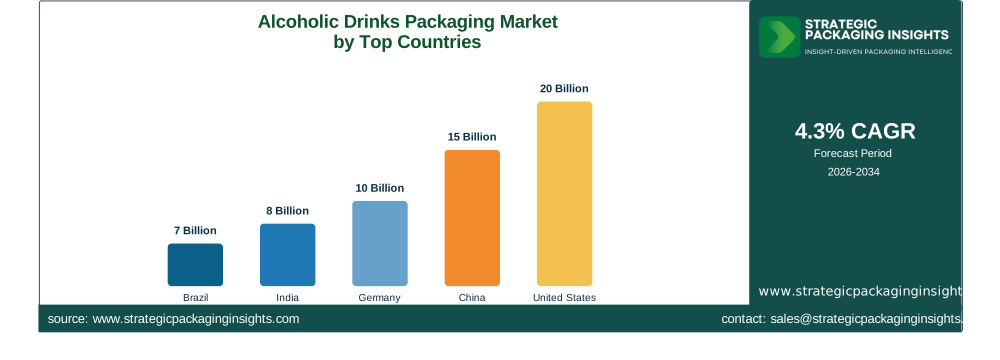
China is another significant market, with a market size of around $15 billion and a CAGR of 6%. The country's large population and increasing disposable incomes are driving demand for alcoholic beverages, leading to growth in the packaging market. The government's focus on environmental sustainability and the promotion of green packaging solutions are also contributing to market expansion. However, the volatility in raw material prices poses a challenge for manufacturers in the region.
Germany, with a market size of approximately $10 billion and a CAGR of 4%, is a key player in the European market. The country's strong beer culture and the presence of major breweries are driving demand for innovative packaging solutions. The focus on sustainability and the use of recycled materials are key trends in the market. However, regulatory pressures related to packaging waste and recycling are challenges that manufacturers must navigate.
India, with a market size of around $8 billion and a CAGR of 7%, is an emerging market with significant growth potential. The country's young population and increasing urbanization are driving demand for alcoholic beverages, leading to growth in the packaging market. The government's initiatives to promote sustainable packaging solutions are also contributing to market expansion. However, the lack of infrastructure for recycling and waste management poses a challenge for manufacturers.
Brazil, with a market size of approximately $7 billion and a CAGR of 5%, is a key player in the Latin American market. The country's strong demand for beer and spirits is driving growth in the packaging market. The focus on sustainability and the adoption of eco-friendly packaging solutions are key trends in the market. However, economic instability and regulatory challenges related to packaging waste and recycling remain concerns for manufacturers.
Alcoholic Drinks Packaging Market Segments Insights

Packaging Type Analysis
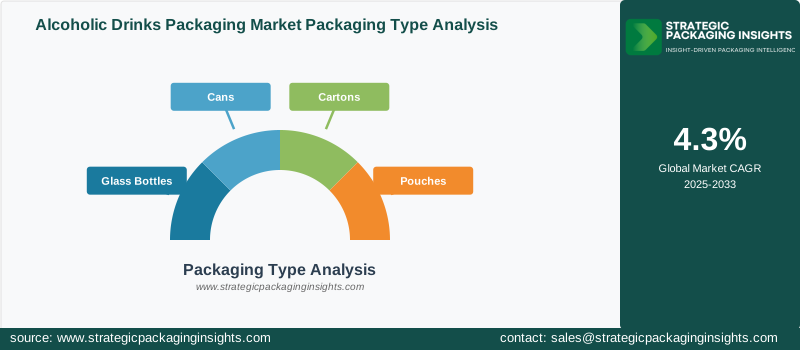
The packaging type segment in the Alcoholic Drinks Packaging market is diverse, encompassing glass bottles, cans, cartons, and pouches. Glass bottles remain a popular choice due to their premium appeal and ability to preserve the taste and quality of alcoholic beverages. The demand for glass bottles is particularly strong in the wine and spirits segments, where consumers associate glass packaging with quality and luxury. However, the high cost and fragility of glass are challenges that manufacturers must address. Cans, on the other hand, are gaining popularity due to their lightweight, durability, and recyclability. The rise of craft beer and ready-to-drink (RTD) alcoholic beverages is driving demand for cans, as they offer convenience and portability. Cartons and pouches are also gaining traction, particularly in the RTD segment, where they offer cost-effective and sustainable packaging solutions.
Innovation in packaging design and materials is a key trend in this segment, with companies investing in research and development to create unique and functional packaging solutions. The focus on sustainability is driving the adoption of eco-friendly materials and practices, such as the use of recycled content and lightweight designs that reduce material usage and transportation costs. Additionally, the integration of smart packaging technologies, such as QR codes and augmented reality, is enhancing consumer engagement and providing new opportunities for brand differentiation. As consumer preferences continue to evolve, companies that can offer innovative and sustainable packaging solutions are well-positioned to capture market share.
Material Type Analysis
The material type segment in the Alcoholic Drinks Packaging market includes glass, aluminum, paperboard, and plastic. Glass remains a preferred material for premium alcoholic beverages due to its ability to preserve flavor and provide a high-end aesthetic. However, the environmental impact of glass production and the challenges associated with recycling are driving the search for more sustainable alternatives. Aluminum is gaining popularity as a lightweight and recyclable material, particularly in the beer and RTD segments. The demand for aluminum cans is driven by their durability, portability, and ability to maintain product freshness.
Paperboard is emerging as a sustainable alternative, particularly in the carton packaging segment. The use of renewable and biodegradable materials is a key trend, as companies seek to reduce their environmental footprint and meet consumer demand for eco-friendly packaging. Plastic, while still widely used, is facing increasing scrutiny due to its environmental impact. Companies are investing in the development of biodegradable and recyclable plastics to address these concerns and align with sustainability goals. The focus on material innovation and sustainability is driving competition in this segment, as companies strive to offer packaging solutions that meet regulatory requirements and consumer preferences.
Application Analysis
The application segment in the Alcoholic Drinks Packaging market includes beer, wine, spirits, and RTD alcohol. Beer remains the largest segment, driven by the global popularity of craft beer and the increasing demand for premium and specialty brews. The packaging requirements for beer are diverse, with cans and glass bottles being the most common choices. The rise of RTD alcoholic beverages is creating new opportunities for packaging companies, as these products require innovative and convenient packaging solutions that cater to on-the-go consumption.
Wine and spirits are also significant segments, with a strong demand for premium packaging that reflects the quality and heritage of the products. Glass bottles are the preferred choice for these segments, offering a premium look and feel that enhances the consumer experience. However, the growing focus on sustainability is driving the adoption of alternative materials and packaging formats, such as lightweight glass and eco-friendly cartons. The application segment is characterized by a strong focus on innovation and differentiation, as companies seek to create packaging solutions that enhance brand identity and consumer engagement.
End Use Analysis
The end-use segment in the Alcoholic Drinks Packaging market includes breweries, wineries, distilleries, and contract fillers. Breweries are the largest end-use segment, driven by the global demand for beer and the increasing popularity of craft and specialty brews. The packaging requirements for breweries are diverse, with a focus on durability, sustainability, and brand differentiation. Wineries and distilleries are also significant end-use segments, with a strong demand for premium packaging that reflects the quality and heritage of their products.
Contract fillers are emerging as a key end-use segment, offering packaging solutions for a wide range of alcoholic beverages. The demand for contract filling services is driven by the need for flexibility and cost-effectiveness, as companies seek to optimize their production processes and reduce operational costs. The focus on sustainability and innovation is driving competition in this segment, as companies strive to offer packaging solutions that meet regulatory requirements and consumer preferences. The end-use segment is characterized by a strong focus on quality and differentiation, as companies seek to create packaging solutions that enhance brand identity and consumer engagement.
Alcoholic Drinks Packaging Market Segments
The Alcoholic Drinks Packaging market has been segmented on the basis ofPackaging Type
- Glass Bottles
- Cans
- Cartons
- Pouches
Material Type
- Glass
- Aluminum
- Paperboard
- Plastic
Application
- Beer
- Wine
- Spirits
- RTD Alcohol
End Use
- Breweries
- Wineries
- Distilleries
- Contract Fillers
Region
- Asia Pacific
- North America
- Latin America
- Europe
- Middle East & Africa




