


Airline Food Packaging Market Outlook
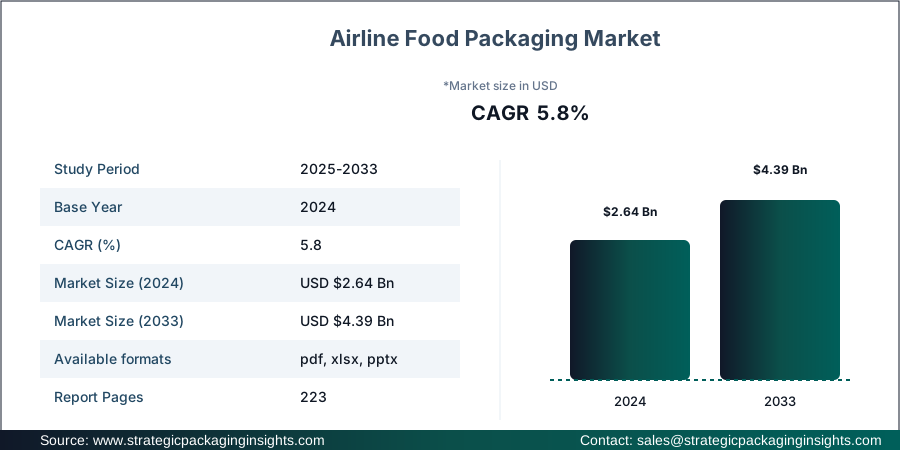
The airline food packaging market was valued at $2.64 billion in 2024 and is projected to reach $4.39 billion by 2033, growing at a CAGR of 5.80% during the forecast period 2025-2033. This growth is driven by the increasing demand for convenient and sustainable packaging solutions in the airline industry. As airlines strive to enhance passenger experience and reduce environmental impact, the adoption of innovative packaging materials and designs is on the rise. The market is also benefiting from the expansion of the airline industry, with more flights and passengers leading to a higher demand for packaged meals and beverages. Additionally, the trend towards premium in-flight services is encouraging airlines to invest in high-quality packaging that aligns with their brand image and customer expectations.
However, the market faces challenges such as stringent regulations on packaging materials and waste management. Airlines are under pressure to comply with environmental standards, which can limit the use of certain materials and increase costs. Despite these challenges, the market holds significant growth potential, particularly in emerging economies where air travel is rapidly increasing. The development of biodegradable and recyclable packaging solutions presents opportunities for market players to differentiate themselves and capture a larger share of the market. Furthermore, advancements in packaging technology, such as smart packaging that enhances food safety and shelf life, are expected to drive innovation and growth in the market.
Report Scope
| Attributes | Details |
| Report Title | Airline Food Packaging Market Size, Future Growth and Forecast 2033 |
| Packaging Type | Trays, Containers, Cups & Lids |
| Material Type | Plastic Packaging, Aluminum Packaging, Paperboard Packaging |
| Application | Hot Meal Packaging, Cold Meal Packaging, Beverage Packaging |
| End Use | Airline Catering Services, Food Service Providers |
| Region | Asia Pacific, North America, Latin America, Europe, Middle East & Africa |
| Base Year | 2024 |
| Historic Period | 2017-2023 |
| Forecast Period | 2025-2033 |
| Number of Pages | 223 |
| Customization Available | Yes* |
Opportunities & Threats
The airline food packaging market presents numerous opportunities for growth, particularly with the increasing emphasis on sustainability and eco-friendly solutions. As environmental concerns become more prominent, airlines are seeking packaging options that minimize waste and reduce carbon footprints. This shift towards sustainable practices opens up avenues for companies to develop innovative packaging materials that are biodegradable or recyclable. Additionally, the growing trend of premium in-flight services offers opportunities for packaging companies to create high-quality, aesthetically pleasing packaging that enhances the passenger experience. The rise of low-cost carriers and the expansion of air travel in emerging markets also provide opportunities for market growth, as these airlines seek cost-effective yet efficient packaging solutions to cater to a larger customer base.
Another significant opportunity lies in the advancement of packaging technologies. The development of smart packaging solutions that can monitor food quality, extend shelf life, and provide real-time information to passengers is gaining traction. These innovations not only improve food safety but also enhance the overall travel experience, making them attractive to airlines looking to differentiate their services. Furthermore, partnerships between packaging companies and airlines can lead to customized solutions that meet specific airline needs, fostering long-term business relationships and driving market growth.
Despite these opportunities, the market faces threats from regulatory challenges and fluctuating raw material prices. Stringent regulations regarding food safety and packaging materials can pose hurdles for companies, requiring them to invest in compliance and testing. Additionally, the volatility in raw material prices, particularly for plastics and aluminum, can impact production costs and profit margins. Companies must navigate these challenges by adopting flexible sourcing strategies and investing in research and development to create cost-effective, compliant packaging solutions.
Drivers & Challenges
The airline food packaging market is driven by several key factors, including the increasing demand for air travel and the growing focus on passenger convenience and safety. As the number of air travelers continues to rise, airlines are expanding their services, leading to a higher demand for packaged meals and beverages. This trend is further supported by the increasing preference for ready-to-eat meals among passengers, who value convenience and time-saving options during flights. Additionally, the emphasis on food safety and hygiene has led airlines to invest in high-quality packaging solutions that ensure the freshness and safety of in-flight meals. The development of innovative packaging materials that enhance food preservation and reduce contamination risks is a significant driver of market growth.
Another major driver is the shift towards sustainable and eco-friendly packaging solutions. With growing environmental concerns, airlines are under pressure to reduce their carbon footprint and minimize waste. This has led to an increased demand for biodegradable and recyclable packaging materials, which not only align with environmental goals but also enhance brand image and customer satisfaction. The adoption of sustainable practices is further supported by government regulations and initiatives aimed at reducing plastic waste and promoting green alternatives. As a result, companies that offer eco-friendly packaging solutions are well-positioned to capture a larger share of the market.
However, the market faces challenges such as the high cost of sustainable materials and the complexity of regulatory compliance. While there is a strong demand for eco-friendly packaging, the higher cost of biodegradable and recyclable materials can be a barrier for airlines operating on tight budgets. Additionally, navigating the complex regulatory landscape, which varies across regions, can be challenging for companies looking to expand their market presence. To overcome these challenges, companies must focus on innovation and collaboration, working closely with airlines and regulatory bodies to develop cost-effective, compliant solutions that meet the evolving needs of the industry.
Market Share Analysis
The airline food packaging market is characterized by a competitive landscape with several key players vying for market share. Companies such as Amcor plc, Huhtamaki Oyj, and Berry Global Inc. are leading the market with their extensive product portfolios and strong global presence. These companies have established themselves as leaders by offering a wide range of packaging solutions that cater to the diverse needs of airlines. Their focus on innovation, sustainability, and customer satisfaction has enabled them to maintain a competitive edge in the market. Additionally, strategic partnerships and acquisitions have allowed these companies to expand their market reach and enhance their product offerings.
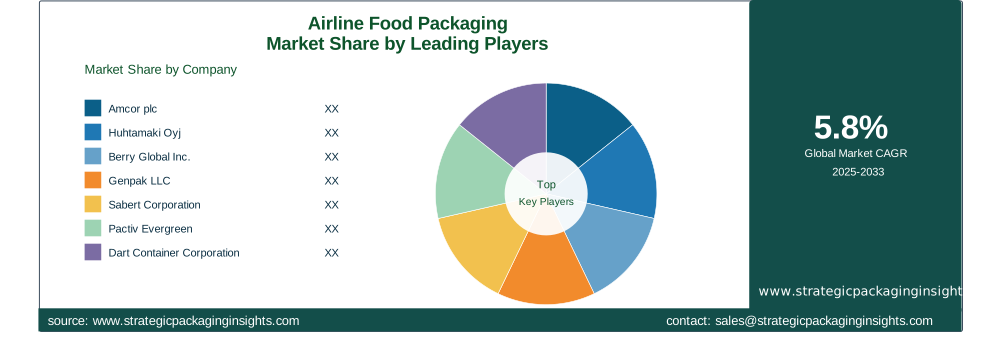
Amcor plc holds a significant share of the market, leveraging its expertise in packaging solutions to provide innovative and sustainable options for airlines. The company's commitment to sustainability is evident in its development of recyclable and biodegradable packaging materials, which align with the growing demand for eco-friendly solutions. Similarly, Huhtamaki Oyj has positioned itself as a leader in the market by offering high-quality, sustainable packaging solutions that enhance the passenger experience. The company's focus on research and development has resulted in the creation of innovative products that meet the evolving needs of the airline industry.
Berry Global Inc. is another major player in the market, known for its extensive range of packaging solutions that cater to various applications, including hot and cold meal packaging. The company's emphasis on customer-centric solutions and its ability to adapt to changing market trends have contributed to its strong market position. Other notable companies in the market include Genpak LLC, Sabert Corporation, and Pactiv Evergreen, each of which has carved out a niche by offering specialized packaging solutions that meet the specific needs of airlines. These companies continue to invest in innovation and sustainability, ensuring their competitiveness in the rapidly evolving market.
Dart Container Corporation, ITC Packaging, Detpak Packaging, and Sealpac International are also key players in the market, each contributing to the competitive landscape with their unique offerings. Dart Container Corporation, for example, is known for its durable and cost-effective packaging solutions, while ITC Packaging focuses on providing customized solutions that enhance brand image and passenger satisfaction. Detpak Packaging and Sealpac International have also made significant strides in the market by offering innovative, sustainable packaging options that cater to the growing demand for eco-friendly solutions. As the market continues to evolve, these companies are well-positioned to capitalize on emerging opportunities and maintain their competitive edge.
Key Highlights
- The airline food packaging market is projected to grow from $2.64 billion in 2024 to $4.39 billion by 2033, at a CAGR of 5.80%.
- Increasing demand for sustainable and eco-friendly packaging solutions is driving market growth.
- Advancements in packaging technology, such as smart packaging, are enhancing food safety and passenger experience.
- Stringent regulations on packaging materials and waste management pose challenges for market players.
- Emerging markets offer significant growth opportunities due to the expansion of air travel.
- Key players include Amcor plc, Huhtamaki Oyj, and Berry Global Inc., among others.
- Partnerships between packaging companies and airlines are fostering customized solutions and long-term business relationships.
- Volatility in raw material prices can impact production costs and profit margins.
- Focus on innovation and sustainability is crucial for maintaining a competitive edge in the market.
Top Countries Insights
In the airline food packaging market, the United States stands out as a key player, with a market size of approximately $1.2 billion and a CAGR of 4%. The country's robust airline industry, coupled with a strong focus on passenger convenience and safety, drives the demand for innovative packaging solutions. Additionally, the emphasis on sustainability and eco-friendly practices aligns with regulatory requirements, further boosting market growth. However, challenges such as fluctuating raw material prices and stringent regulations on packaging materials can impact market dynamics.
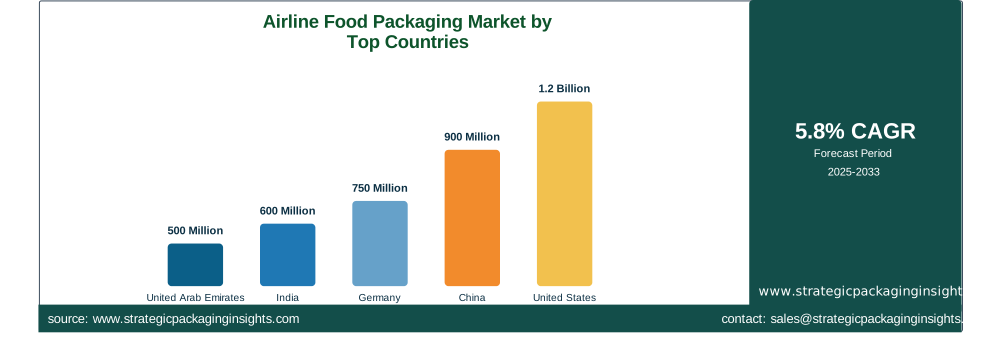
China is another significant market, with a market size of around $900 million and a CAGR of 6%. The rapid expansion of the airline industry, driven by increasing domestic and international travel, fuels the demand for efficient and cost-effective packaging solutions. The government's focus on reducing plastic waste and promoting sustainable practices presents opportunities for companies offering eco-friendly packaging options. However, navigating the complex regulatory landscape can be challenging for market players looking to expand their presence in the region.
In Europe, Germany holds a prominent position with a market size of approximately $750 million and a CAGR of 5%. The country's strong emphasis on sustainability and innovation drives the demand for high-quality, eco-friendly packaging solutions. The presence of leading packaging companies and a well-established airline industry further contribute to market growth. However, companies must navigate stringent regulations and high production costs to maintain competitiveness in the market.
India is emerging as a key market, with a market size of around $600 million and a CAGR of 7%. The rapid growth of the airline industry, driven by increasing disposable incomes and a growing middle class, fuels the demand for packaged meals and beverages. The government's initiatives to promote sustainable practices and reduce plastic waste present opportunities for companies offering biodegradable and recyclable packaging solutions. However, challenges such as regulatory compliance and cost constraints can impact market dynamics.
In the Middle East, the United Arab Emirates is a significant market, with a market size of approximately $500 million and a CAGR of 6%. The country's strategic location as a global aviation hub, coupled with a strong focus on luxury and premium in-flight services, drives the demand for high-quality packaging solutions. The emphasis on sustainability and innovation aligns with government initiatives to promote eco-friendly practices, further boosting market growth. However, companies must navigate regulatory challenges and fluctuating raw material prices to maintain competitiveness in the market.
Airline Food Packaging Market Segments Insights

Packaging Type Analysis
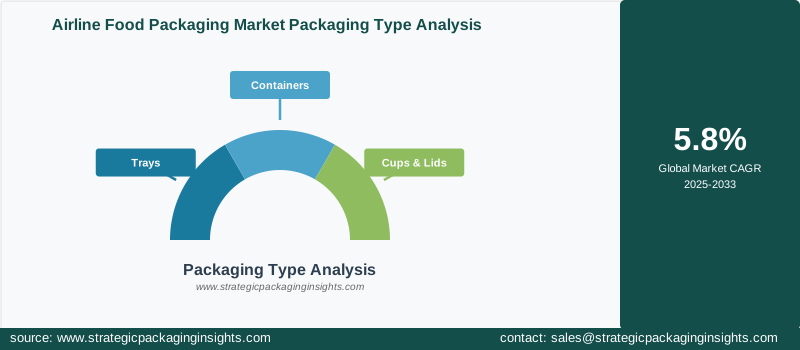
The packaging type segment in the airline food packaging market is crucial, with trays, containers, and cups & lids being the primary sub-segments. Trays are widely used for serving meals, offering convenience and ease of handling for both airline staff and passengers. The demand for trays is driven by their ability to accommodate a variety of meal types, from hot entrees to cold salads, making them a versatile choice for airlines. Containers, on the other hand, are favored for their durability and ability to preserve food quality during long flights. They are particularly popular for packaging hot meals, as they provide excellent insulation and prevent spillage. Cups & lids are essential for beverage packaging, ensuring that drinks are served safely and hygienically. The growing trend towards premium in-flight services is encouraging airlines to invest in high-quality, aesthetically pleasing packaging that enhances the passenger experience.
Innovation in packaging design and materials is a key trend in this segment, with companies focusing on developing lightweight, durable, and eco-friendly options. The shift towards sustainable practices is driving the demand for biodegradable and recyclable packaging materials, which not only reduce environmental impact but also enhance brand image and customer satisfaction. Additionally, the development of smart packaging solutions that monitor food quality and extend shelf life is gaining traction, offering airlines a competitive edge in the market. As airlines continue to expand their services and cater to a diverse customer base, the demand for innovative packaging solutions that meet the evolving needs of passengers is expected to grow.
Material Type Analysis
The material type segment in the airline food packaging market is dominated by plastic packaging, aluminum packaging, and paperboard packaging. Plastic packaging is widely used due to its versatility, durability, and cost-effectiveness. It is particularly popular for packaging cold meals and beverages, as it provides excellent insulation and prevents leakage. However, the growing environmental concerns and regulatory pressures to reduce plastic waste are driving the demand for alternative materials. Aluminum packaging is gaining popularity for its lightweight, recyclable properties, and ability to preserve food quality. It is commonly used for hot meal packaging, as it provides excellent heat retention and prevents contamination.
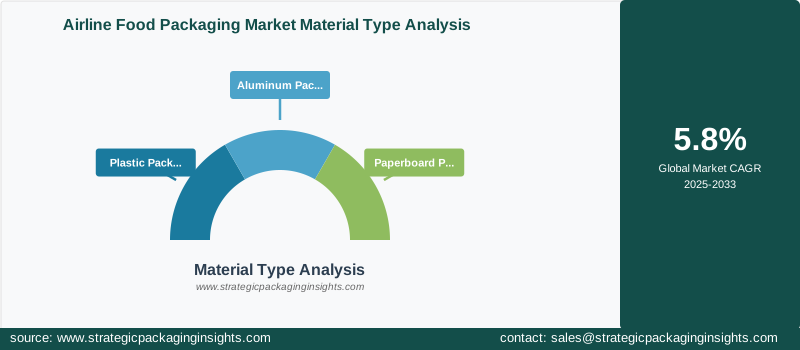
Paperboard packaging is emerging as a sustainable alternative, offering biodegradability and recyclability. It is favored for its eco-friendly properties and ability to enhance brand image and customer satisfaction. The shift towards sustainable practices is encouraging companies to invest in research and development to create innovative packaging materials that meet the evolving needs of the airline industry. The development of biodegradable and compostable materials is a key trend in this segment, offering airlines a competitive edge in the market. As airlines continue to prioritize sustainability and reduce their environmental impact, the demand for eco-friendly packaging solutions is expected to grow.
Application Analysis
The application segment in the airline food packaging market includes hot meal packaging, cold meal packaging, and beverage packaging. Hot meal packaging is a significant sub-segment, driven by the increasing demand for ready-to-eat meals during flights. Airlines are investing in high-quality packaging solutions that ensure the freshness and safety of hot meals, enhancing the passenger experience. Cold meal packaging is also gaining traction, as airlines offer a variety of cold entrees and salads to cater to diverse customer preferences. The demand for cold meal packaging is driven by the growing trend towards healthy eating and the increasing preference for fresh, nutritious options during flights.
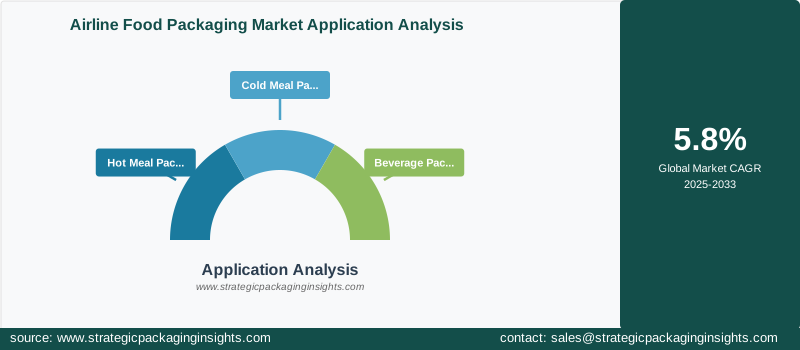
Beverage packaging is an essential component of the airline food packaging market, ensuring that drinks are served safely and hygienically. The demand for beverage packaging is driven by the increasing variety of drinks offered by airlines, from soft drinks to premium alcoholic beverages. The development of innovative packaging solutions that enhance convenience and ease of use is a key trend in this segment, offering airlines a competitive edge in the market. As airlines continue to expand their services and cater to a diverse customer base, the demand for innovative packaging solutions that meet the evolving needs of passengers is expected to grow.
End Use Analysis
The end-use segment in the airline food packaging market includes airline catering services and food service providers. Airline catering services are a significant sub-segment, driven by the increasing demand for packaged meals and beverages during flights. Airlines are investing in high-quality packaging solutions that enhance the passenger experience and align with their brand image. The demand for airline catering services is driven by the expansion of the airline industry, with more flights and passengers leading to a higher demand for packaged meals and beverages.
Food service providers are also a key component of the airline food packaging market, offering a variety of packaged meals and beverages to cater to diverse customer preferences. The demand for food service providers is driven by the growing trend towards premium in-flight services, as airlines seek to enhance the passenger experience and differentiate their services. The development of innovative packaging solutions that enhance convenience and ease of use is a key trend in this segment, offering airlines a competitive edge in the market. As airlines continue to expand their services and cater to a diverse customer base, the demand for innovative packaging solutions that meet the evolving needs of passengers is expected to grow.
Airline Food Packaging Market Segments
The Airline Food Packaging market has been segmented on the basis ofPackaging Type
- Trays
- Containers
- Cups & Lids
Material Type
- Plastic Packaging
- Aluminum Packaging
- Paperboard Packaging
Application
- Hot Meal Packaging
- Cold Meal Packaging
- Beverage Packaging
End Use
- Airline Catering Services
- Food Service Providers
Region
- Asia Pacific
- North America
- Latin America
- Europe
- Middle East & Africa




