


Airless Packaging Market Outlook
The airless packaging market was valued at $6.44 billion in 2025 and is projected to reach $11.94 billion by 2034, growing at a CAGR of 7.10% during the forecast period 2026-2034. This market is witnessing significant growth due to the increasing demand for sustainable and efficient packaging solutions across various industries. The rise in consumer awareness regarding product wastage and the need for extended shelf life of products are key factors driving the market. Additionally, the cosmetics and skincare industry, which is a major application area for airless packaging, is experiencing robust growth, further propelling the demand for airless packaging solutions.
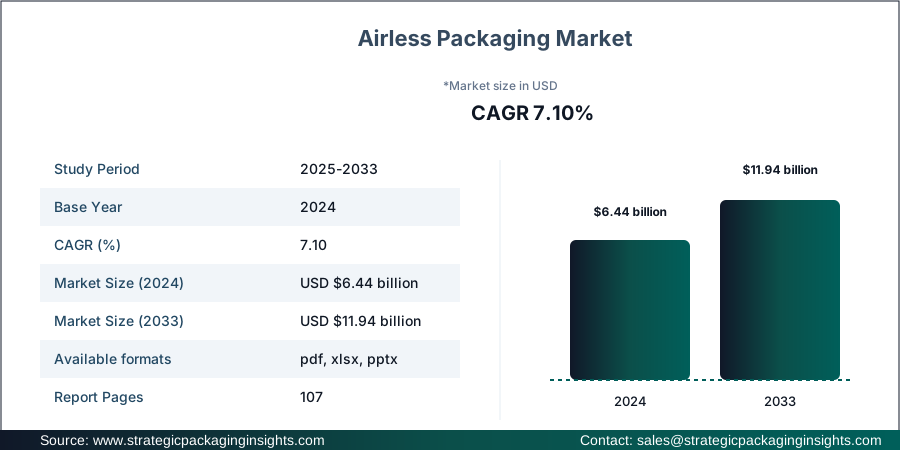
Despite the promising growth prospects, the airless packaging market faces certain challenges. Regulatory constraints related to packaging materials and environmental concerns regarding plastic usage are some of the restraining factors. However, the market holds immense potential for growth with the advent of innovative packaging solutions and the increasing adoption of eco-friendly materials. Companies are investing in research and development to create sustainable packaging options that comply with environmental regulations, which is expected to open new avenues for market expansion.
Report Scope
| Attributes | Details |
| Report Title | Airless Packaging Market Size, Future Growth and Forecast 2034 |
| Product Type | Airless Bottles, Airless Jars, Airless Pumps |
| Material Type | Plastic Packaging, Glass Packaging, Metal Packaging |
| Application | Cosmetics & Skincare, Pharmaceuticals, Personal Care Products |
| Distribution Channel | Direct Supply, Contract Packaging, Retail Packaging Suppliers |
| Region | Asia Pacific, North America, Latin America, Europe, Middle East & Africa |
| Base Year | 2025 |
| Historic Period | 2018-2024 |
| Forecast Period | 2026-2034 |
| Number of Pages | 141 |
| Customization Available | Yes* |
Opportunities & Threats
The airless packaging market presents numerous opportunities for growth, primarily driven by the increasing demand for premium and luxury products in the cosmetics and skincare industry. As consumers become more conscious of product quality and efficacy, the need for packaging solutions that preserve product integrity and prevent contamination is rising. This trend is particularly evident in emerging markets where disposable incomes are increasing, and consumers are willing to spend more on high-quality products. Additionally, the shift towards online retailing is creating new opportunities for airless packaging, as e-commerce platforms require robust and tamper-proof packaging solutions to ensure product safety during transit.
Another significant opportunity lies in the pharmaceutical industry, where the demand for airless packaging is growing due to its ability to provide precise dosing and maintain product sterility. As the global population ages and healthcare needs increase, the pharmaceutical sector is expected to expand, driving the demand for innovative packaging solutions. Furthermore, the trend towards personalized medicine and the development of biologics are creating new avenues for airless packaging, as these products require specialized packaging to maintain their efficacy and stability.
However, the airless packaging market is not without its threats. One of the primary challenges is the high cost associated with airless packaging solutions compared to traditional packaging methods. This cost factor can be a deterrent for small and medium-sized enterprises (SMEs) that may not have the financial resources to invest in advanced packaging technologies. Additionally, the market faces competition from alternative packaging solutions that offer similar benefits at a lower cost. Companies need to focus on cost optimization and innovation to overcome these challenges and maintain their competitive edge in the market.
Drivers & Challenges
The airless packaging market is driven by several key factors, including the growing demand for sustainable packaging solutions and the increasing focus on reducing product wastage. Consumers are becoming more environmentally conscious, leading to a shift towards packaging solutions that minimize environmental impact. Airless packaging, with its ability to dispense nearly all of the product without leaving any residue, aligns with this trend and is gaining popularity among eco-conscious consumers. Additionally, the rise in demand for premium and luxury products, particularly in the cosmetics and skincare industry, is driving the adoption of airless packaging, as it offers superior protection and enhances product shelf life.
Technological advancements in packaging materials and design are also contributing to the growth of the airless packaging market. Innovations such as the development of recyclable and biodegradable materials are gaining traction, as companies strive to meet regulatory requirements and consumer expectations for sustainable packaging. Moreover, the integration of smart packaging technologies, such as QR codes and NFC tags, is enhancing the functionality of airless packaging, providing consumers with additional information and improving the overall user experience.
Despite these drivers, the airless packaging market faces several challenges. One of the primary challenges is the high cost of production associated with airless packaging solutions. The complex design and manufacturing processes involved in creating airless packaging can lead to higher costs, which may be a barrier for some companies, particularly SMEs. Additionally, the market is subject to stringent regulatory requirements, particularly concerning the use of plastic materials. Companies need to navigate these regulations carefully to ensure compliance and avoid potential penalties. Furthermore, the market faces competition from alternative packaging solutions that offer similar benefits at a lower cost, posing a challenge to the growth of the airless packaging market.
Market Share Analysis
The competitive landscape of the airless packaging market is characterized by the presence of several key players who are actively engaged in product innovation and strategic partnerships to strengthen their market position. AptarGroup Inc. is a leading player in the market, known for its innovative dispensing solutions and strong focus on sustainability. The company holds a significant market share, driven by its extensive product portfolio and global presence. Silgan Dispensing Systems is another major player, offering a wide range of airless packaging solutions for various applications, including cosmetics, personal care, and pharmaceuticals.
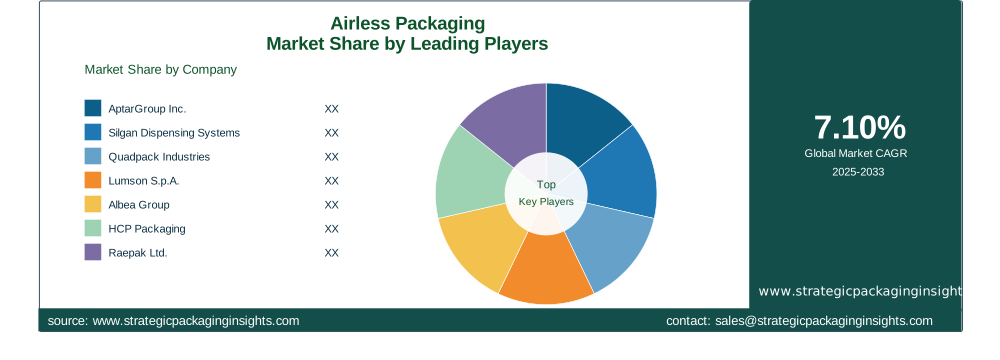
Quadpack Industries is a prominent player in the airless packaging market, known for its focus on design and customization. The company collaborates with leading brands to develop bespoke packaging solutions that meet specific customer requirements. Lumson S.p.A. is also a key player, offering a comprehensive range of airless packaging solutions with a strong emphasis on innovation and sustainability. The company's commitment to research and development has enabled it to maintain a competitive edge in the market.
Albea Group is a major player in the airless packaging market, known for its extensive product range and focus on sustainability. The company has a strong presence in the cosmetics and personal care sectors, offering innovative packaging solutions that enhance product performance and consumer experience. HCP Packaging is another key player, specializing in the design and manufacture of high-quality airless packaging solutions for the beauty industry. The company's focus on innovation and quality has helped it establish a strong market presence.
Raepak Ltd. and Yonwoo Co. Ltd. are also significant players in the airless packaging market, known for their innovative product offerings and commitment to sustainability. These companies are actively engaged in research and development to create advanced packaging solutions that meet the evolving needs of consumers and regulatory requirements. Fusion Packaging is another notable player, offering a wide range of airless packaging solutions with a focus on design and functionality. The company's commitment to quality and innovation has helped it maintain a strong market position.
Key Highlights
- The airless packaging market is projected to grow at a CAGR of 7.10% from 2026 to 2034.
- Increasing demand for sustainable and efficient packaging solutions is driving market growth.
- The cosmetics and skincare industry is a major application area for airless packaging.
- Technological advancements in packaging materials and design are contributing to market growth.
- Regulatory constraints and environmental concerns are some of the challenges faced by the market.
- Key players in the market include AptarGroup Inc., Silgan Dispensing Systems, and Quadpack Industries.
- The market presents significant opportunities in the pharmaceutical industry.
- High production costs and competition from alternative packaging solutions are potential threats.
- Companies are investing in research and development to create sustainable packaging options.
- The shift towards online retailing is creating new opportunities for airless packaging.
Top Countries Insights
In the airless packaging market, the United States stands out as a key player, with a market size of approximately $2.5 billion and a CAGR of 6%. The country's robust cosmetics and skincare industry, coupled with a strong focus on sustainability, drives the demand for airless packaging solutions. Regulatory support for eco-friendly packaging and the presence of major market players further bolster growth. However, challenges such as high production costs and stringent regulations on plastic usage persist.
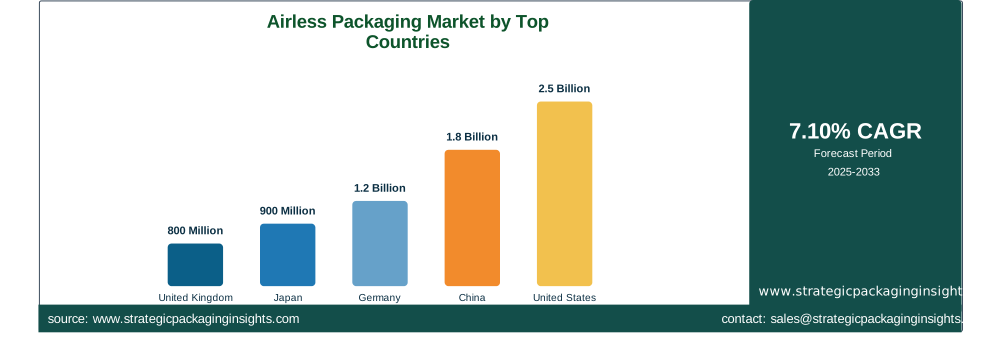
China is another significant market, with a market size of around $1.8 billion and a CAGR of 9%. The country's booming e-commerce sector and increasing consumer awareness about product quality and safety are key growth drivers. Government initiatives promoting sustainable packaging and the rapid expansion of the cosmetics industry contribute to market growth. However, competition from local manufacturers and regulatory hurdles pose challenges.
Germany, with a market size of approximately $1.2 billion and a CAGR of 7%, is a leading market in Europe. The country's strong focus on innovation and sustainability, along with a well-established cosmetics industry, drives the demand for airless packaging. Regulatory support for sustainable packaging solutions and the presence of key market players further enhance growth prospects. However, high production costs and competition from alternative packaging solutions remain challenges.
In Japan, the airless packaging market is valued at around $900 million, with a CAGR of 5%. The country's aging population and increasing demand for pharmaceuticals and personal care products drive market growth. Technological advancements in packaging materials and design, along with a strong focus on sustainability, contribute to the market's expansion. However, regulatory constraints and high production costs pose challenges.
India, with a market size of approximately $700 million and a CAGR of 8%, is an emerging market for airless packaging. The country's growing middle class and increasing disposable incomes drive the demand for premium and luxury products, boosting the need for airless packaging solutions. Government initiatives promoting sustainable packaging and the rapid growth of the cosmetics industry further support market growth. However, challenges such as competition from local manufacturers and regulatory hurdles persist.
Airless Packaging Market Segments Insights

Product Type Analysis
The airless packaging market is segmented by product type into airless bottles, airless jars, and airless pumps. Airless bottles are the most popular segment, driven by their widespread use in the cosmetics and skincare industry. These bottles offer superior protection against contamination and oxidation, preserving the integrity of the product. The demand for airless bottles is further fueled by the growing trend towards premium and luxury products, as consumers seek packaging solutions that enhance product performance and shelf life. Airless jars are also gaining traction, particularly in the personal care and pharmaceutical sectors, where precise dosing and product protection are critical.
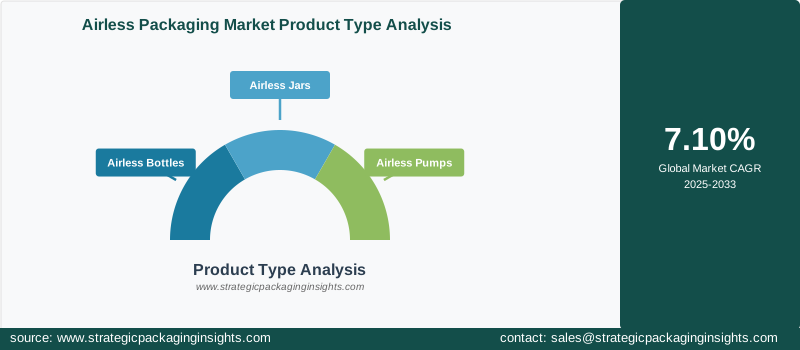
Airless pumps are another key segment, offering convenience and ease of use for consumers. These pumps are widely used in the cosmetics and personal care industries, where they provide precise dispensing and minimize product wastage. The demand for airless pumps is driven by the increasing focus on sustainability and the need for packaging solutions that reduce environmental impact. Companies are investing in research and development to create innovative airless pump designs that meet consumer expectations for functionality and aesthetics.
Material Type Analysis
The airless packaging market is segmented by material type into plastic packaging, glass packaging, and metal packaging. Plastic packaging is the dominant segment, driven by its versatility, cost-effectiveness, and lightweight properties. The demand for plastic airless packaging is further fueled by the growing trend towards sustainable packaging solutions, as companies develop recyclable and biodegradable materials to meet regulatory requirements and consumer expectations. However, environmental concerns regarding plastic usage and regulatory constraints pose challenges for this segment.
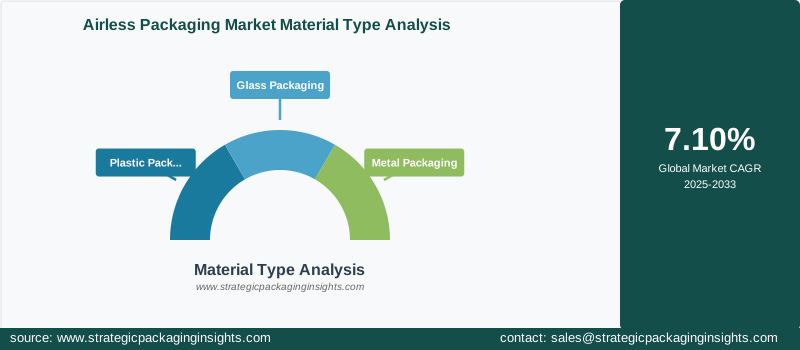
Glass packaging is another significant segment, known for its premium appeal and superior product protection. The demand for glass airless packaging is driven by the cosmetics and skincare industry, where product integrity and aesthetics are critical. Glass packaging offers excellent barrier properties, preserving the quality and efficacy of the product. However, the high cost and fragility of glass packaging can be a deterrent for some companies. Metal packaging is a smaller segment, offering durability and protection against contamination. The demand for metal airless packaging is driven by the pharmaceutical industry, where product safety and sterility are paramount.
Application Analysis
The airless packaging market is segmented by application into cosmetics & skincare, pharmaceuticals, and personal care products. The cosmetics & skincare segment is the largest, driven by the increasing demand for premium and luxury products that require advanced packaging solutions to preserve product integrity and enhance shelf life. The rise in consumer awareness regarding product quality and efficacy is further fueling the demand for airless packaging in this segment. Companies are investing in innovative packaging designs that meet consumer expectations for functionality and aesthetics.
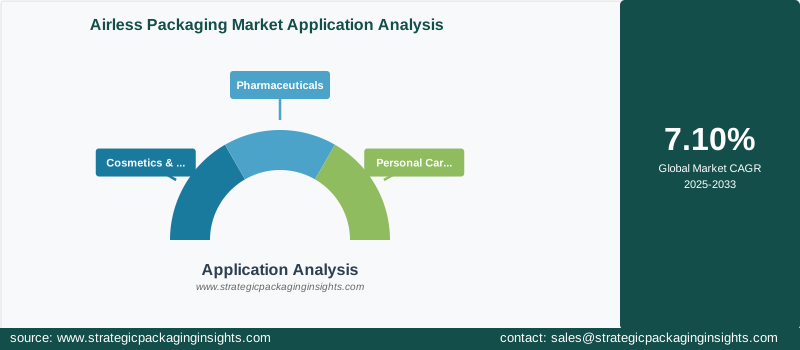
The pharmaceutical segment is another key application area for airless packaging, driven by the need for precise dosing and product sterility. The demand for airless packaging in the pharmaceutical industry is expected to grow as the global population ages and healthcare needs increase. The trend towards personalized medicine and the development of biologics are creating new opportunities for airless packaging, as these products require specialized packaging to maintain their efficacy and stability. The personal care products segment is also experiencing growth, driven by the increasing demand for convenient and user-friendly packaging solutions.
Distribution Channel Analysis
The airless packaging market is segmented by distribution channel into direct supply, contract packaging, and retail packaging suppliers. Direct supply is the dominant segment, driven by the increasing demand for customized packaging solutions that meet specific customer requirements. Companies are collaborating with leading brands to develop bespoke packaging solutions that enhance product performance and consumer experience. The demand for direct supply is further fueled by the growing trend towards online retailing, as e-commerce platforms require robust and tamper-proof packaging solutions to ensure product safety during transit.
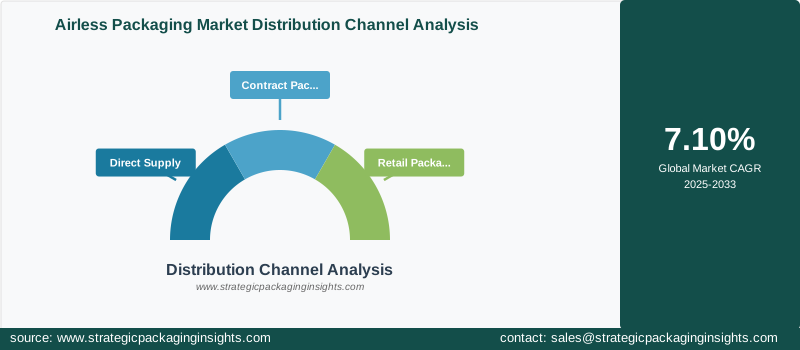
Contract packaging is another significant segment, offering cost-effective and flexible packaging solutions for companies that lack the resources or expertise to develop their own packaging. The demand for contract packaging is driven by the increasing focus on cost optimization and the need for specialized packaging solutions that meet regulatory requirements. Retail packaging suppliers are a smaller segment, offering a wide range of packaging solutions for various applications. The demand for retail packaging suppliers is driven by the growing trend towards sustainable packaging solutions and the need for packaging that enhances product performance and consumer experience.
Airless Packaging Market Segments
The Airless Packaging market has been segmented on the basis ofProduct Type
- Airless Bottles
- Airless Jars
- Airless Pumps
Material Type
- Plastic Packaging
- Glass Packaging
- Metal Packaging
Application
- Cosmetics & Skincare
- Pharmaceuticals
- Personal Care Products
Distribution Channel
- Direct Supply
- Contract Packaging
- Retail Packaging Suppliers
Region
- Asia Pacific
- North America
- Latin America
- Europe
- Middle East & Africa




