


Air Tight Container Market Outlook
The Air Tight Container market was valued at $7.15 billion in 2024 and is projected to reach $11.19 billion by 2033, growing at a CAGR of 5.10% during the forecast period 2025-2033. This market is witnessing significant growth due to the increasing demand for efficient storage solutions across various sectors. The rise in consumer awareness regarding food safety and preservation is a major driver, as airtight containers help in maintaining the freshness and quality of food products. Additionally, the growing trend of meal prepping and the need for organized storage solutions in households and commercial kitchens are further propelling the market. The versatility of airtight containers, available in various materials such as plastic, glass, and stainless steel, caters to diverse consumer preferences, enhancing market growth.
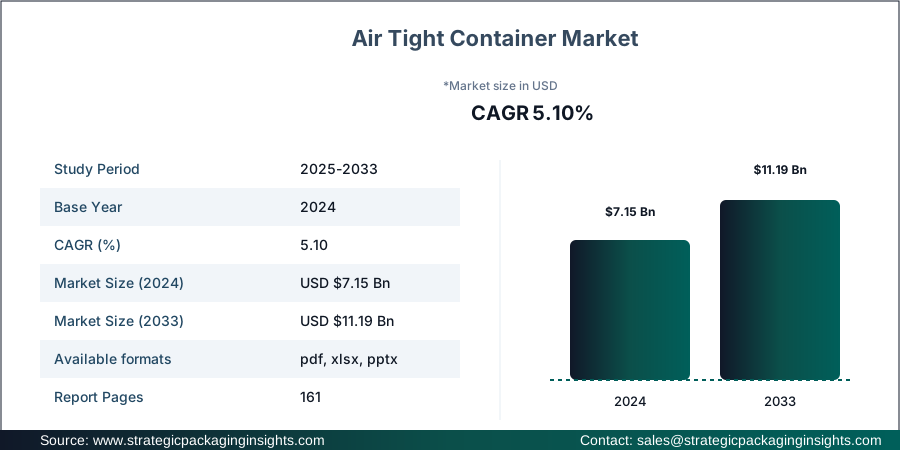
However, the market faces certain restraints, including the environmental concerns associated with plastic containers, which are a significant segment of the market. Regulatory restrictions on plastic usage and the increasing demand for sustainable and eco-friendly alternatives pose challenges to market growth. Despite these challenges, the market holds substantial growth potential, driven by innovations in material technology and design, which aim to enhance the functionality and sustainability of airtight containers. The expansion of online retail platforms also presents opportunities for market players to reach a broader consumer base, further boosting market growth.
Report Scope
| Attributes | Details |
| Report Title | Air Tight Container Market Size, Future Growth and Forecast 2033 |
| Material Type | Plastic Containers, Glass Containers, Stainless Steel Containers |
| Application | Food Storage, Pharmaceutical Storage, Household Storage |
| End Use | Residential, Commercial Kitchens, Food Processing Industry |
| Distribution Channel | Retail Stores, Online Platforms, Wholesale Distributors |
| Region | Asia Pacific, North America, Latin America, Europe, Middle East & Africa |
| Base Year | 2024 |
| Historic Period | 2017-2023 |
| Forecast Period | 2025-2033 |
| Number of Pages | 187 |
| Customization Available | Yes* |
Opportunities & Threats
The Air Tight Container market presents numerous opportunities, particularly in the realm of product innovation and sustainability. As consumers become more environmentally conscious, there is a growing demand for eco-friendly airtight containers made from biodegradable or recyclable materials. Companies that invest in research and development to create sustainable products are likely to gain a competitive edge. Additionally, the rise of e-commerce platforms offers a significant opportunity for market expansion. With more consumers shopping online, companies can leverage digital marketing strategies to reach a wider audience and increase sales. The growing trend of urbanization and the increasing number of nuclear families also present opportunities for market growth, as more households seek efficient storage solutions.
Another opportunity lies in the expansion of the food and beverage industry, which is a major end-user of airtight containers. As the industry continues to grow, driven by increasing consumer demand for packaged and processed foods, the need for effective storage solutions is expected to rise. This presents a lucrative opportunity for manufacturers to cater to the specific needs of the food industry, such as containers that offer extended shelf life and protection against contamination. Furthermore, the pharmaceutical industry also presents growth opportunities, as airtight containers are essential for the safe storage of medicines and other healthcare products.
Despite these opportunities, the market faces threats from regulatory challenges and the availability of low-cost alternatives. Stringent regulations regarding the use of certain materials, particularly plastics, can impact production and increase costs for manufacturers. Additionally, the presence of counterfeit products in the market poses a threat to established brands, as these products often fail to meet quality standards, potentially harming consumer trust. Companies must navigate these challenges by ensuring compliance with regulations and investing in brand protection strategies to maintain their market position.
Drivers & Challenges
The primary drivers of the Air Tight Container market include the increasing consumer awareness of food safety and the growing demand for convenient storage solutions. As consumers become more health-conscious, there is a heightened focus on preserving the nutritional value and freshness of food, which airtight containers effectively provide. The rise in disposable income and changing lifestyles have also contributed to the demand for high-quality storage solutions that offer convenience and efficiency. Moreover, the trend of meal prepping and the need for organized storage in both residential and commercial settings are significant drivers of market growth.
Technological advancements in material science and design are also driving the market. Innovations such as BPA-free plastics, shatter-resistant glass, and stainless steel containers with enhanced durability and insulation properties are gaining popularity among consumers. These advancements not only improve the functionality of airtight containers but also address environmental concerns, making them more appealing to eco-conscious consumers. The expansion of retail and online distribution channels further supports market growth by providing consumers with easy access to a wide range of products.
However, the market faces challenges such as the environmental impact of plastic waste and the high cost of alternative materials. The increasing awareness of plastic pollution has led to a demand for sustainable alternatives, which can be more expensive to produce. This poses a challenge for manufacturers in terms of balancing cost and sustainability. Additionally, the market is highly competitive, with numerous players offering similar products, making it difficult for companies to differentiate themselves. To overcome these challenges, companies must focus on innovation, quality, and sustainability to maintain their competitive edge.
Market Share Analysis
The Air Tight Container market is characterized by a competitive landscape with several key players holding significant market shares. Tupperware Brands Corporation is a leading player, known for its innovative and high-quality products that cater to a wide range of consumer needs. The company's strong brand reputation and extensive distribution network contribute to its substantial market share. LocknLock Co. Ltd. is another major player, recognized for its durable and versatile airtight containers that are popular among consumers worldwide. The company's focus on product innovation and sustainability has helped it maintain a strong market position.
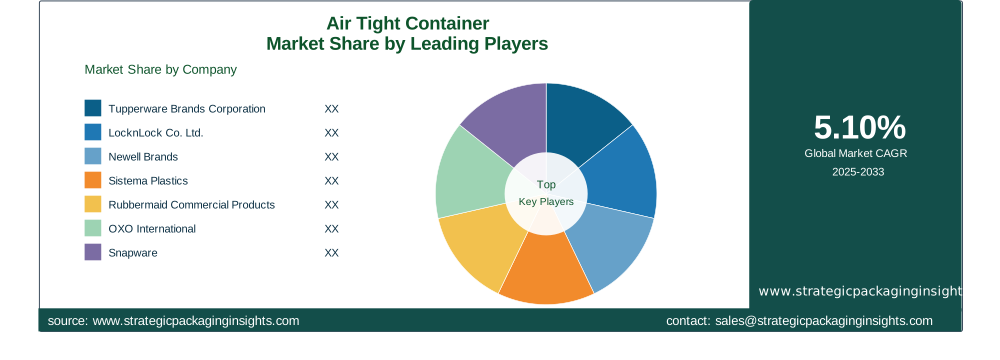
Newell Brands, which owns the Rubbermaid and Sistema Plastics brands, is a prominent player in the market, offering a diverse range of airtight containers that cater to both residential and commercial needs. The company's emphasis on quality and design has earned it a loyal customer base. OXO International and Snapware are also key players, known for their user-friendly and innovative storage solutions that appeal to a broad consumer demographic. Cambro Manufacturing, with its focus on the foodservice industry, provides high-quality airtight containers that meet the specific needs of commercial kitchens and food processing facilities.
Joseph Joseph Ltd. and Zojirushi Corporation are notable players in the market, offering unique and innovative products that cater to niche consumer segments. Joseph Joseph Ltd. is known for its stylish and functional kitchenware, while Zojirushi Corporation specializes in high-quality stainless steel containers that offer superior insulation properties. These companies have carved out a niche in the market by focusing on design and functionality, appealing to consumers who value aesthetics and performance.
The competitive landscape of the Air Tight Container market is further characterized by the presence of numerous regional and local players who offer cost-effective alternatives to established brands. These players often compete on price, making it challenging for larger companies to maintain their market share. However, established brands continue to dominate the market due to their strong brand recognition, extensive distribution networks, and commitment to quality and innovation. To remain competitive, companies must focus on product differentiation, sustainability, and customer engagement strategies.
Key Highlights
- The Air Tight Container market is projected to grow from $7.15 billion in 2024 to $11.19 billion by 2033, at a CAGR of 5.10%.
- Increasing consumer awareness of food safety and preservation is a major driver of market growth.
- Technological advancements in material science and design are enhancing product functionality and sustainability.
- The rise of e-commerce platforms presents significant opportunities for market expansion.
- Environmental concerns and regulatory restrictions on plastic usage pose challenges to market growth.
- Key players include Tupperware Brands Corporation, LocknLock Co. Ltd., and Newell Brands.
- The market is characterized by intense competition and the presence of numerous regional and local players.
- Innovations in eco-friendly materials and designs are gaining popularity among consumers.
- The food and beverage industry is a major end-user of airtight containers, driving demand.
- Companies must focus on product differentiation and sustainability to maintain a competitive edge.
Top Countries Insights
In the Air Tight Container market, the United States holds a significant share, with a market size of approximately $2.5 billion and a CAGR of 4%. The country's growth is driven by the increasing demand for convenient and efficient storage solutions in both residential and commercial sectors. The rise of meal prepping and the growing awareness of food safety are key factors contributing to market growth. Additionally, the presence of major players such as Tupperware and Rubbermaid further strengthens the market position in the U.S.
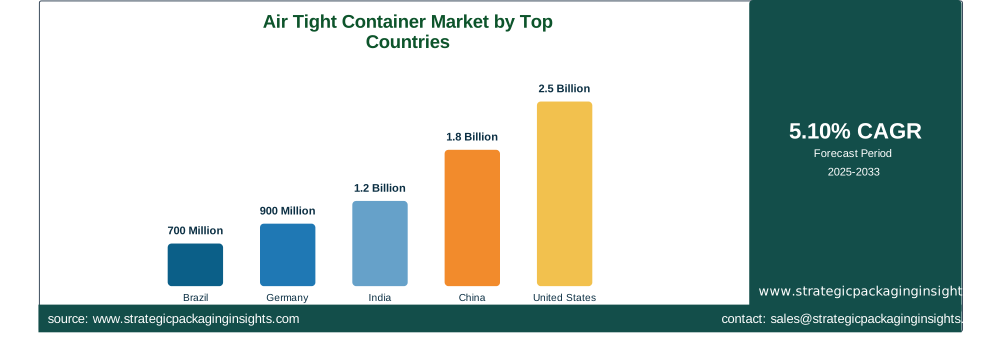
China is another major player in the market, with a market size of around $1.8 billion and a CAGR of 6%. The country's rapid urbanization and the increasing number of nuclear families are driving the demand for airtight containers. The growing middle class and rising disposable incomes are also contributing to market growth, as consumers seek high-quality and durable storage solutions. The expansion of online retail platforms in China presents significant opportunities for market players to reach a broader consumer base.
India, with a market size of approximately $1.2 billion and a CAGR of 7%, is experiencing robust growth in the Air Tight Container market. The country's large population and increasing awareness of food safety are key drivers of market growth. The rise of organized retail and the growing popularity of e-commerce platforms are also contributing to the market's expansion. Additionally, the government's initiatives to promote sustainable and eco-friendly products are expected to boost the demand for biodegradable and recyclable airtight containers.
Germany, with a market size of about $900 million and a CAGR of 3%, is a significant player in the European market. The country's strong focus on sustainability and environmental protection is driving the demand for eco-friendly airtight containers. The presence of established brands and the growing trend of meal prepping are also contributing to market growth. Additionally, the expansion of the food and beverage industry in Germany presents opportunities for market players to cater to the specific needs of this sector.
Brazil, with a market size of approximately $700 million and a CAGR of 5%, is a key player in the Latin American market. The country's growing middle class and increasing disposable incomes are driving the demand for high-quality storage solutions. The rise of organized retail and the expansion of online platforms are also contributing to market growth. Additionally, the increasing awareness of food safety and preservation is expected to boost the demand for airtight containers in Brazil.
Air Tight Container Market Segments Insights

Material Type Analysis
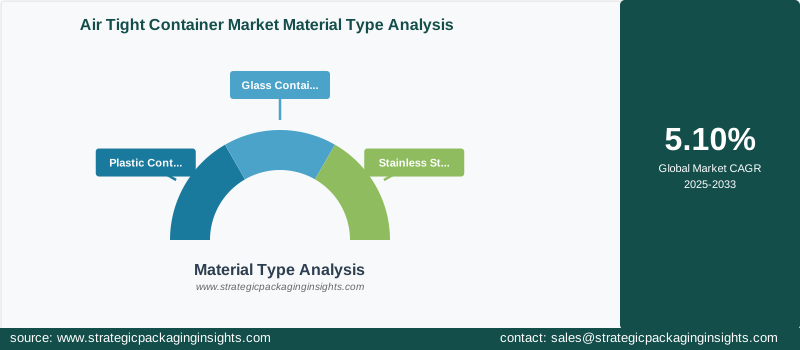
The Material Type segment of the Air Tight Container market is divided into Plastic Containers, Glass Containers, and Stainless Steel Containers. Plastic containers dominate the market due to their affordability, lightweight nature, and versatility. They are widely used in households and commercial settings for food storage, owing to their durability and ease of handling. However, environmental concerns regarding plastic waste are driving the demand for sustainable alternatives. Glass containers, known for their non-toxic and recyclable properties, are gaining popularity among eco-conscious consumers. They offer superior food safety and preservation, making them ideal for long-term storage. Stainless steel containers, although more expensive, are valued for their durability and insulation properties, making them suitable for both residential and commercial use.
In recent years, there has been a significant shift towards eco-friendly materials, with manufacturers investing in research and development to create biodegradable and recyclable options. This trend is expected to continue, driven by increasing consumer awareness and regulatory pressures to reduce plastic waste. The demand for innovative designs and multifunctional containers is also on the rise, as consumers seek products that offer convenience and efficiency. Companies that focus on sustainability and innovation are likely to gain a competitive edge in this segment.
Application Analysis
The Application segment of the Air Tight Container market includes Food Storage, Pharmaceutical Storage, and Household Storage. Food storage is the largest application segment, driven by the increasing demand for convenient and efficient storage solutions in both residential and commercial settings. The rise of meal prepping and the growing awareness of food safety are key factors contributing to the growth of this segment. Pharmaceutical storage is another significant application, as airtight containers are essential for the safe storage of medicines and healthcare products. The need for contamination-free storage solutions in the pharmaceutical industry is driving the demand for high-quality airtight containers.
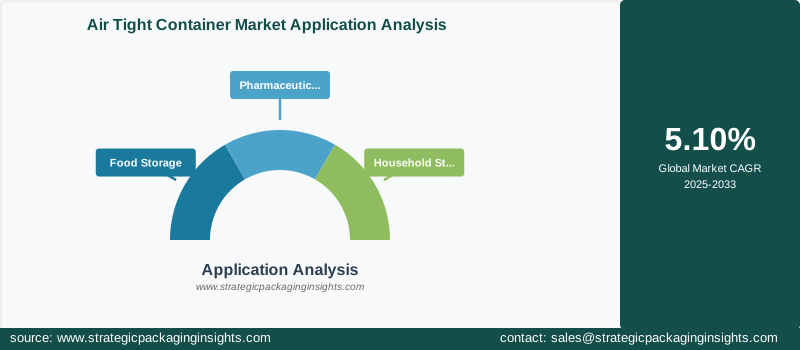
Household storage is also a growing segment, as consumers seek organized and efficient storage solutions for various household items. The trend of decluttering and the increasing popularity of minimalist lifestyles are driving the demand for multifunctional and space-saving containers. The expansion of online retail platforms is further supporting the growth of this segment, as consumers have easy access to a wide range of products. Companies that offer innovative and user-friendly storage solutions are likely to succeed in this segment.
End Use Analysis
The End Use segment of the Air Tight Container market is categorized into Residential, Commercial Kitchens, and Food Processing Industry. The residential segment holds a significant share of the market, driven by the increasing demand for convenient and efficient storage solutions in households. The rise of meal prepping and the growing awareness of food safety are key factors contributing to the growth of this segment. Commercial kitchens, including restaurants and catering services, are also major end-users of airtight containers, as they require high-quality storage solutions to maintain food safety and quality.
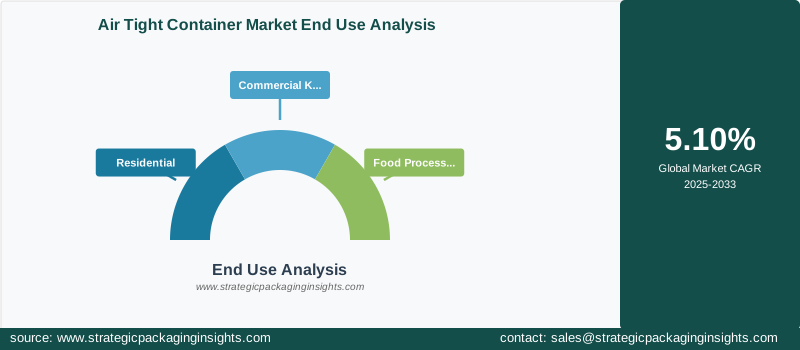
The food processing industry is another significant end-user, as airtight containers are essential for the safe storage and transportation of food products. The need for contamination-free storage solutions in the food processing industry is driving the demand for high-quality airtight containers. The expansion of the food and beverage industry presents opportunities for market players to cater to the specific needs of this sector. Companies that offer innovative and durable storage solutions are likely to succeed in this segment.
Distribution Channel Analysis
The Distribution Channel segment of the Air Tight Container market includes Retail Stores, Online Platforms, and Wholesale Distributors. Retail stores remain a dominant distribution channel, as they offer consumers the opportunity to physically examine products before purchase. However, the rise of online platforms is transforming the market, providing consumers with easy access to a wide range of products and competitive pricing. The convenience of online shopping and the availability of customer reviews are driving the growth of this channel.
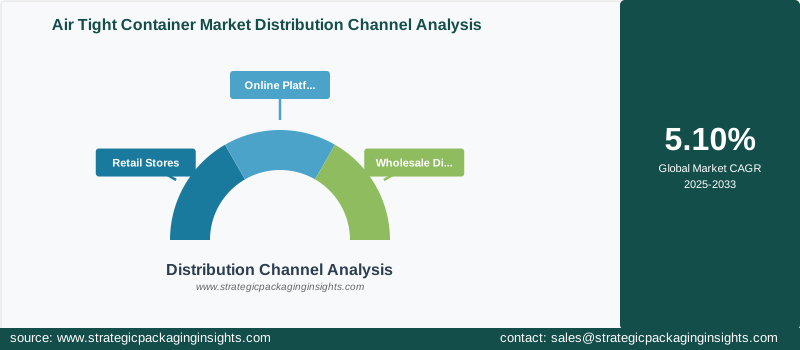
Wholesale distributors play a crucial role in the market, particularly in supplying commercial kitchens and the food processing industry. They offer bulk purchasing options and competitive pricing, making them an attractive option for businesses. The expansion of e-commerce platforms presents significant opportunities for market players to reach a broader consumer base and increase sales. Companies that leverage digital marketing strategies and offer seamless online shopping experiences are likely to succeed in this segment.
Air Tight Container Market Segments
The Air Tight Container market has been segmented on the basis ofMaterial Type
- Plastic Containers
- Glass Containers
- Stainless Steel Containers
Application
- Food Storage
- Pharmaceutical Storage
- Household Storage
End Use
- Residential
- Commercial Kitchens
- Food Processing Industry
Distribution Channel
- Retail Stores
- Online Platforms
- Wholesale Distributors
Region
- Asia Pacific
- North America
- Latin America
- Europe
- Middle East & Africa




