


AI in Packaging Market Outlook
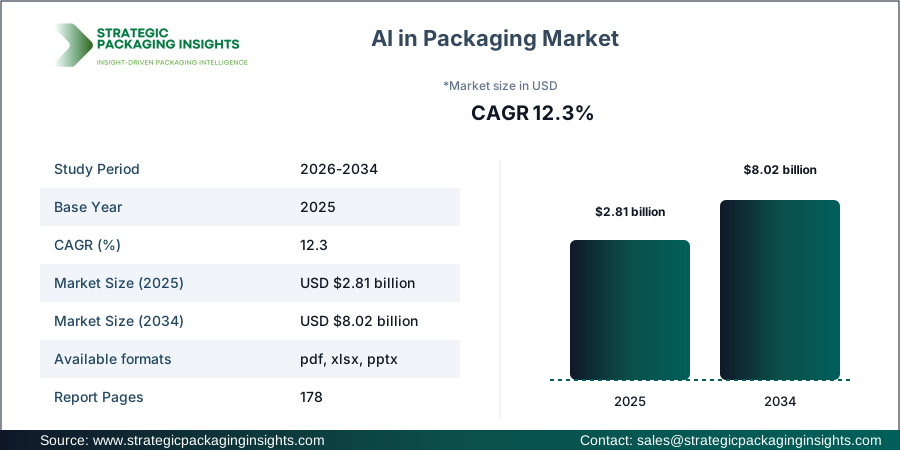
The AI in Packaging market was valued at $2.81 billion in 2025 and is projected to reach $8.02 billion by 2034, growing at a CAGR of 12.3% during the forecast period 2026-2034. This market is witnessing a significant transformation driven by the increasing demand for automation and efficiency in packaging processes. The integration of AI technologies such as machine learning, computer vision, and natural language processing is enhancing the capabilities of packaging systems, enabling them to perform complex tasks with precision and speed. The growing trend of smart packaging, which involves the use of sensors and IoT devices, is further propelling the market growth. Additionally, the need for real-time data analytics and predictive maintenance in packaging operations is driving the adoption of AI solutions across various industries.
Despite the promising growth prospects, the AI in Packaging market faces certain challenges that could hinder its expansion. Regulatory constraints and data privacy concerns are significant barriers that companies need to navigate carefully. The high initial investment required for implementing AI technologies in packaging systems is another restraining factor, particularly for small and medium-sized enterprises. However, the potential benefits of AI, such as improved operational efficiency, reduced waste, and enhanced product quality, are expected to outweigh these challenges, creating lucrative opportunities for market players. As the industry continues to evolve, companies are focusing on developing innovative AI solutions that cater to the specific needs of different end-use sectors, thereby unlocking new growth avenues.
Report Scope
| Attributes | Details |
| Report Title | AI in Packaging Market Size, Future Growth and Forecast 2034 |
| Component | Software, Sensors, Vision Systems, Analytics Platforms |
| Application | Quality Inspection, Demand Forecasting, Smart Labeling, Automation |
| Deployment | Cloud, On-Premise, Edge AI |
| End Use | CPG, Logistics, Manufacturing, Retail |
| Region | Asia Pacific, North America, Latin America, Europe, Middle East & Africa |
| Base Year | 2025 |
| Historic Period | 2018-2024 |
| Forecast Period | 2026-2034 |
| Number of Pages | 178 |
| Customization Available | Yes* |
Opportunities & Threats
The AI in Packaging market presents numerous opportunities for growth, primarily driven by the increasing demand for automation and efficiency in packaging processes. As industries strive to enhance their operational capabilities, the adoption of AI technologies such as machine learning and computer vision is becoming more prevalent. These technologies enable packaging systems to perform complex tasks with precision and speed, thereby improving overall productivity. Furthermore, the growing trend of smart packaging, which involves the integration of sensors and IoT devices, is creating new avenues for market expansion. Smart packaging solutions offer real-time data analytics and predictive maintenance capabilities, allowing companies to optimize their packaging operations and reduce costs.
Another significant opportunity lies in the rising demand for sustainable packaging solutions. With increasing environmental concerns and stringent regulations, companies are focusing on developing eco-friendly packaging materials and processes. AI technologies can play a crucial role in this regard by enabling the design and production of sustainable packaging solutions that minimize waste and reduce carbon footprint. Additionally, the growing e-commerce industry is driving the demand for innovative packaging solutions that ensure product safety and enhance customer experience. AI-powered packaging systems can help companies meet these demands by providing customized and efficient packaging solutions.
However, the AI in Packaging market also faces certain threats that could impede its growth. One of the primary challenges is the high initial investment required for implementing AI technologies in packaging systems. This can be a significant barrier for small and medium-sized enterprises, which may lack the financial resources to invest in advanced technologies. Moreover, regulatory constraints and data privacy concerns pose significant challenges for companies operating in this market. As AI technologies rely heavily on data collection and analysis, companies need to ensure compliance with data protection regulations to avoid legal issues and maintain customer trust.
Drivers & Challenges
The AI in Packaging market is driven by several key factors that are contributing to its rapid growth. One of the primary drivers is the increasing demand for automation and efficiency in packaging processes. As industries strive to enhance their operational capabilities, the adoption of AI technologies such as machine learning and computer vision is becoming more prevalent. These technologies enable packaging systems to perform complex tasks with precision and speed, thereby improving overall productivity. Additionally, the growing trend of smart packaging, which involves the integration of sensors and IoT devices, is creating new avenues for market expansion. Smart packaging solutions offer real-time data analytics and predictive maintenance capabilities, allowing companies to optimize their packaging operations and reduce costs.
Another significant driver is the rising demand for sustainable packaging solutions. With increasing environmental concerns and stringent regulations, companies are focusing on developing eco-friendly packaging materials and processes. AI technologies can play a crucial role in this regard by enabling the design and production of sustainable packaging solutions that minimize waste and reduce carbon footprint. Furthermore, the growing e-commerce industry is driving the demand for innovative packaging solutions that ensure product safety and enhance customer experience. AI-powered packaging systems can help companies meet these demands by providing customized and efficient packaging solutions.
Despite the promising growth prospects, the AI in Packaging market faces certain challenges that could hinder its expansion. One of the primary challenges is the high initial investment required for implementing AI technologies in packaging systems. This can be a significant barrier for small and medium-sized enterprises, which may lack the financial resources to invest in advanced technologies. Moreover, regulatory constraints and data privacy concerns pose significant challenges for companies operating in this market. As AI technologies rely heavily on data collection and analysis, companies need to ensure compliance with data protection regulations to avoid legal issues and maintain customer trust.
Market Share Analysis
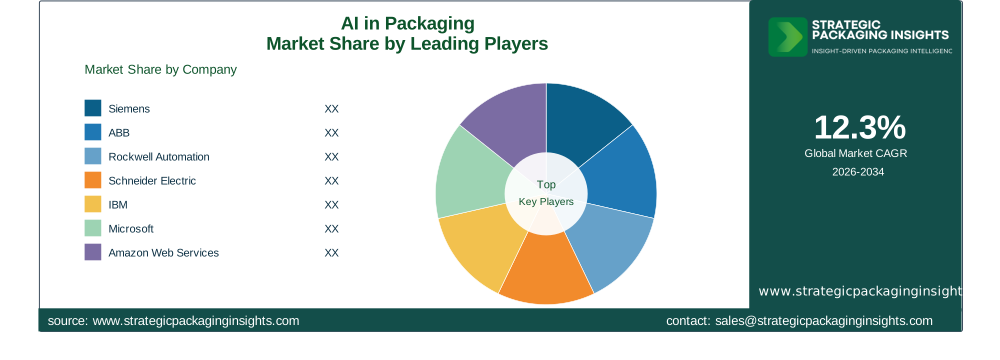
The competitive landscape of the AI in Packaging market is characterized by the presence of several key players who are driving innovation and growth in the industry. Companies such as Siemens, ABB, Rockwell Automation, Schneider Electric, IBM, Microsoft, Amazon Web Services, Cognex, Zebra Technologies, and Honeywell are at the forefront of this market, leveraging their technological expertise and extensive industry experience to develop advanced AI solutions for packaging applications. These companies are focusing on strategic partnerships, mergers and acquisitions, and product innovations to strengthen their market position and expand their customer base.
Siemens, a leading player in the AI in Packaging market, is known for its comprehensive range of automation and digitalization solutions. The company is leveraging its expertise in AI and machine learning to develop innovative packaging solutions that enhance operational efficiency and reduce costs. ABB, another major player, is focusing on integrating AI technologies into its robotics and automation solutions to provide intelligent packaging systems that offer real-time data analytics and predictive maintenance capabilities.
Rockwell Automation and Schneider Electric are also key players in the AI in Packaging market, offering a wide range of automation and control solutions that incorporate AI technologies. These companies are investing heavily in research and development to develop cutting-edge AI solutions that cater to the specific needs of different end-use sectors. IBM and Microsoft are leveraging their expertise in cloud computing and AI to provide advanced analytics platforms and software solutions for packaging applications. Amazon Web Services, Cognex, Zebra Technologies, and Honeywell are also making significant contributions to the market by offering innovative AI-powered solutions that enhance packaging efficiency and productivity.
Key Highlights
- The AI in Packaging market is projected to grow at a CAGR of 12.3% from 2026 to 2034.
- Key players in the market include Siemens, ABB, Rockwell Automation, Schneider Electric, IBM, Microsoft, Amazon Web Services, Cognex, Zebra Technologies, and Honeywell.
- The market is driven by the increasing demand for automation and efficiency in packaging processes.
- Smart packaging solutions, which involve the integration of sensors and IoT devices, are gaining traction in the market.
- The rising demand for sustainable packaging solutions is creating new growth opportunities for market players.
- Regulatory constraints and data privacy concerns are significant challenges for companies operating in this market.
- The high initial investment required for implementing AI technologies is a major barrier for small and medium-sized enterprises.
- The growing e-commerce industry is driving the demand for innovative packaging solutions that ensure product safety and enhance customer experience.
Top Countries Insights
In the AI in Packaging market, the United States stands out as a leading country, with a market size of approximately $1.5 billion and a CAGR of 10%. The country's strong technological infrastructure and high adoption rate of AI technologies in various industries are key growth drivers. Additionally, government initiatives promoting automation and digitalization in manufacturing processes are further boosting the market. However, regulatory challenges and data privacy concerns remain significant hurdles for companies operating in the U.S.
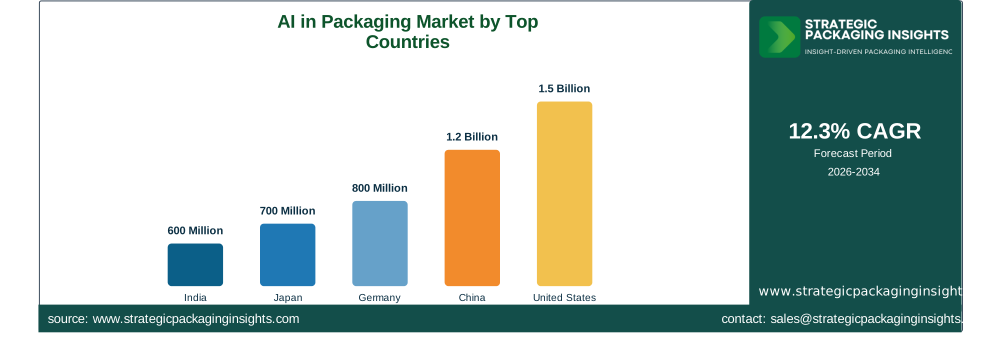
China is another major player in the AI in Packaging market, with a market size of around $1.2 billion and a CAGR of 15%. The country's rapid industrialization and increasing focus on automation and efficiency in manufacturing processes are driving the demand for AI-powered packaging solutions. Moreover, government policies supporting the adoption of advanced technologies in the packaging industry are creating favorable growth conditions. However, the lack of skilled workforce and high initial investment costs are challenges that need to be addressed.
Germany, with a market size of approximately $800 million and a CAGR of 9%, is a key player in the European AI in Packaging market. The country's strong manufacturing base and emphasis on innovation and technology are driving the adoption of AI solutions in packaging processes. Additionally, government initiatives promoting sustainable packaging solutions are creating new growth opportunities. However, regulatory constraints and data privacy concerns are significant challenges for companies operating in Germany.
Japan, with a market size of around $700 million and a CAGR of 8%, is a prominent player in the Asia Pacific AI in Packaging market. The country's advanced technological infrastructure and high adoption rate of AI technologies in various industries are key growth drivers. Moreover, government initiatives promoting automation and digitalization in manufacturing processes are further boosting the market. However, the high initial investment required for implementing AI technologies is a major barrier for small and medium-sized enterprises.
India, with a market size of approximately $600 million and a CAGR of 12%, is an emerging player in the AI in Packaging market. The country's growing manufacturing sector and increasing focus on automation and efficiency in packaging processes are driving the demand for AI-powered solutions. Additionally, government policies supporting the adoption of advanced technologies in the packaging industry are creating favorable growth conditions. However, the lack of skilled workforce and high initial investment costs are challenges that need to be addressed.
AI in Packaging Market Segments Insights

Component Analysis
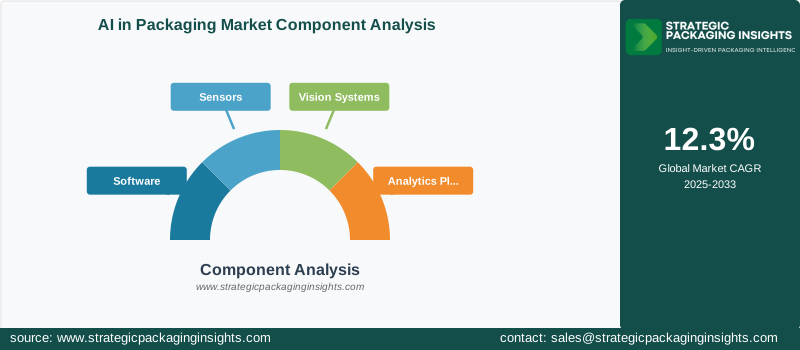
The AI in Packaging market is segmented by component into software, sensors, vision systems, and analytics platforms. Software solutions are at the forefront of this segment, driving innovation and efficiency in packaging processes. These solutions enable real-time data analytics, predictive maintenance, and automation, enhancing overall productivity. Sensors and vision systems are also gaining traction, providing critical data for quality inspection and smart labeling applications. Analytics platforms are playing a crucial role in demand forecasting and optimizing packaging operations, offering valuable insights for decision-making.
As the demand for advanced packaging solutions continues to grow, companies are focusing on developing innovative components that cater to the specific needs of different end-use sectors. The integration of AI technologies such as machine learning and computer vision is enhancing the capabilities of these components, enabling them to perform complex tasks with precision and speed. Additionally, the growing trend of smart packaging, which involves the use of sensors and IoT devices, is creating new opportunities for component manufacturers to expand their product offerings and capture a larger market share.
Application Analysis
The application segment of the AI in Packaging market includes quality inspection, demand forecasting, smart labeling, and automation. Quality inspection is a critical application area, where AI technologies such as machine learning and computer vision are being used to enhance accuracy and efficiency. These technologies enable packaging systems to detect defects and anomalies in real-time, ensuring high product quality and reducing waste. Demand forecasting is another key application, where AI-powered analytics platforms provide valuable insights into market trends and consumer behavior, helping companies optimize their packaging operations.
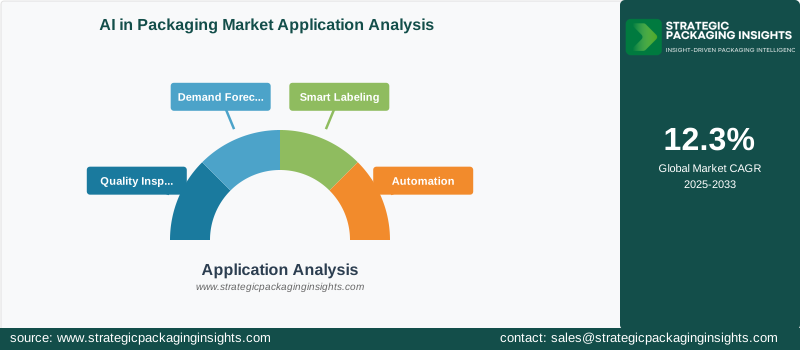
Smart labeling and automation are also gaining traction in the AI in Packaging market, driven by the increasing demand for efficient and cost-effective packaging solutions. Smart labeling involves the use of sensors and IoT devices to provide real-time data on product status and location, enhancing supply chain visibility and traceability. Automation, on the other hand, involves the use of AI technologies to streamline packaging processes, reduce manual labor, and improve overall productivity. As the market continues to evolve, companies are focusing on developing innovative applications that cater to the specific needs of different end-use sectors, thereby unlocking new growth opportunities.
Deployment Analysis
The AI in Packaging market is segmented by deployment into cloud, on-premise, and edge AI. Cloud-based solutions are gaining popularity due to their scalability, flexibility, and cost-effectiveness. These solutions enable companies to access advanced AI technologies and analytics platforms without the need for significant upfront investment in infrastructure. On-premise solutions, on the other hand, offer greater control and security, making them a preferred choice for companies with stringent data privacy requirements.
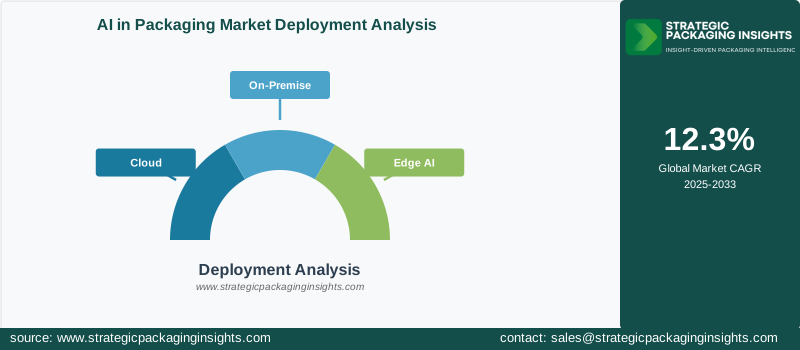
Edge AI is an emerging deployment model that is gaining traction in the AI in Packaging market. This model involves the use of AI technologies at the edge of the network, enabling real-time data processing and decision-making. Edge AI solutions offer several advantages, including reduced latency, improved data privacy, and enhanced operational efficiency. As the demand for advanced packaging solutions continues to grow, companies are focusing on developing innovative deployment models that cater to the specific needs of different end-use sectors, thereby unlocking new growth opportunities.
End Use Analysis
The end-use segment of the AI in Packaging market includes CPG, logistics, manufacturing, and retail. The CPG sector is a major driver of the market, with companies increasingly adopting AI technologies to enhance packaging efficiency and reduce costs. AI-powered solutions enable CPG companies to optimize their packaging operations, improve product quality, and enhance customer experience. The logistics sector is also a key end-use segment, where AI technologies are being used to streamline supply chain operations and improve traceability.
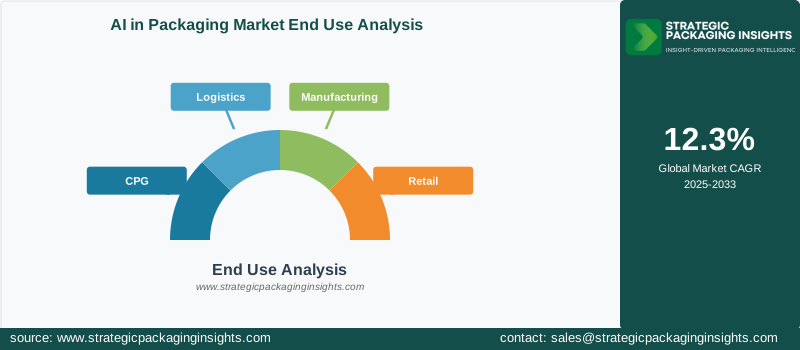
In the manufacturing sector, AI technologies are being used to enhance operational efficiency and reduce waste. AI-powered packaging systems enable manufacturers to perform complex tasks with precision and speed, improving overall productivity. The retail sector is also witnessing significant growth, driven by the increasing demand for innovative packaging solutions that ensure product safety and enhance customer experience. As the market continues to evolve, companies are focusing on developing innovative end-use applications that cater to the specific needs of different sectors, thereby unlocking new growth opportunities.
AI in Packaging Market Segments
The AI in Packaging market has been segmented on the basis ofComponent
- Software
- Sensors
- Vision Systems
- Analytics Platforms
Application
- Quality Inspection
- Demand Forecasting
- Smart Labeling
- Automation
Deployment
- Cloud
- On-Premise
- Edge AI
End Use
- CPG
- Logistics
- Manufacturing
- Retail
Region
- Asia Pacific
- North America
- Latin America
- Europe
- Middle East & Africa




