


Acrylic Airless Bottle Market Outlook
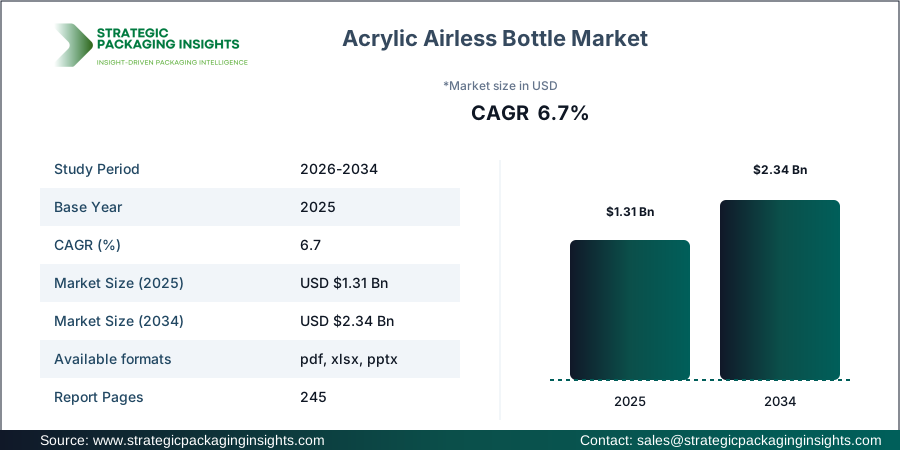
The Acrylic Airless Bottle market size was valued at USD 1.31 billion in 2025 and is anticipated to reach USD 2.34 billion by 2034, growing at a CAGR of 6.7% during the forecast period according to Strategic Packaging Insights. This growth is driven by the increasing demand for premium cosmetic packaging solutions that offer enhanced product protection and shelf life. Brands like AptarGroup and Quadpack are leading the charge in innovation, focusing on sustainable and user-friendly designs that cater to the evolving consumer preferences. The market's expansion is further fueled by the rising popularity of skincare and cosmetic products, which require packaging that maintains product integrity and prevents contamination.
One of the most impactful drivers of the Acrylic Airless Bottle market is the growing consumer awareness and demand for sustainable packaging solutions. According to recent government initiatives and environmental regulations, there is a significant push towards reducing plastic waste and promoting recyclable materials. This has led companies like Albea and Lumson to invest in eco-friendly packaging innovations, aligning with global sustainability goals. The emphasis on reducing carbon footprints and adhering to extended producer responsibility (EPR) regulations is compelling manufacturers to adopt circular economy practices, thereby enhancing the market's growth potential.
Report Scope
| Attributes | Details |
| Report Title | Acrylic Airless Bottle Market Size, Future Growth and Forecast 2034 |
| Product Type | Pump Bottles, Dual Chamber Bottles, Refillable Airless Bottles |
| Capacity | Below 30 ml, 30–100 ml, Above 100 ml |
| Application | Skincare, Serums, Lotions, Premium Cosmetics |
| End Use | Cosmetic Brands, Beauty Retailers, Contract Fillers |
| Region | Asia Pacific, North America, Latin America, Europe, Middle East & Africa |
| Base Year | 2025 |
| Historic Period | 2018-2024 |
| Forecast Period | 2026-2034 |
| Number of Pages | 245 |
| Customization Available | Yes* |
Sustainability & Circular Economy Analysis
Sustainability initiatives are profoundly reshaping the Acrylic Airless Bottle market, as companies strive to meet consumer demand for eco-friendly packaging. The integration of recyclable materials and reusable packaging solutions is becoming a standard practice, with brands like Berry Global and Silgan Dispensing leading the way. These companies are innovating with lightweight packaging designs that not only reduce material usage but also lower transportation emissions, contributing to a reduced carbon footprint. As consumers increasingly prioritize sustainability, packaging manufacturers are compelled to align their strategies with these preferences, ensuring long-term market competitiveness.
The circular economy is gaining traction in the packaging industry, influencing design and manufacturing processes. Companies are adopting waste reduction strategies and ESG initiatives to minimize environmental impact. This shift is evident in the investment decisions of major players like Raepak and Frapak Packaging, who are focusing on developing packaging solutions that are both functional and environmentally responsible. Regulatory compliance is also a key factor, as governments worldwide implement stricter packaging regulations to curb plastic pollution. This regulatory landscape is driving innovation and encouraging companies to explore alternative materials and production methods.
Extended producer responsibility (EPR) is another critical aspect of the sustainability movement, holding manufacturers accountable for the entire lifecycle of their products. This approach is prompting companies to rethink their supply chain strategies, from raw material sourcing to end-of-life disposal. By embracing EPR, packaging manufacturers can enhance their brand reputation and appeal to environmentally conscious consumers. The emphasis on sustainability is not only shaping packaging design but also influencing investment in research and development, as companies seek to create innovative solutions that meet both consumer and regulatory demands.
Packaging Value Chain & Supply Chain Analysis
The packaging value chain for Acrylic Airless Bottles is a complex ecosystem involving multiple stakeholders, from raw material suppliers to end consumers. Raw material sourcing is a critical component, as the availability and cost of acrylic and other materials directly impact production capabilities and pricing strategies. Packaging converters and manufacturers like HCP Packaging and Berlin Packaging play a pivotal role in transforming these materials into finished products, utilizing advanced machinery and technology to ensure quality and efficiency. Strategic partnerships with suppliers and logistics providers are essential for maintaining a resilient supply chain, capable of adapting to market fluctuations and disruptions.
Supply chain efficiency is paramount in the Acrylic Airless Bottle market, as it influences overall market performance and competitiveness. Efficient logistics and distribution channels are crucial for timely delivery and inventory management, ensuring that products reach retailers and consumers without delay. Companies are increasingly focusing on localization and global sourcing strategies to optimize their supply chains, balancing cost-effectiveness with reliability. This approach not only enhances operational efficiency but also mitigates risks associated with geopolitical tensions and trade barriers, ensuring a steady supply of raw materials and finished products.
Recycling networks are an integral part of the packaging supply chain, as they facilitate the collection and processing of used packaging materials. By integrating recycling into their supply chain strategies, companies can reduce waste and promote sustainability, aligning with consumer expectations and regulatory requirements. This focus on sustainability is driving investment in innovative recycling technologies and infrastructure, enabling companies to close the loop and create a circular economy. As the market continues to evolve, supply chain resilience and adaptability will be key determinants of success, influencing business competitiveness and long-term growth prospects.
Opportunities & Threats
The Acrylic Airless Bottle market presents numerous opportunities for growth, driven by the increasing demand for premium and sustainable packaging solutions. The rise of e-commerce and online retailing has expanded the market reach, allowing brands to connect with a global audience. This trend is particularly beneficial for cosmetic brands and beauty retailers, who can leverage digital platforms to showcase their products and packaging innovations. Additionally, the growing consumer preference for eco-friendly and recyclable packaging offers a significant opportunity for companies to differentiate themselves and capture market share by investing in sustainable materials and production processes.
Another opportunity lies in the development of innovative packaging designs that enhance user experience and product functionality. Companies can capitalize on this trend by introducing features such as airless pumps and dual-chamber bottles, which offer superior product protection and convenience. The increasing focus on personalization and customization in the beauty industry also presents an opportunity for packaging manufacturers to offer tailored solutions that meet the unique needs of individual brands and consumers. By embracing these opportunities, companies can strengthen their market position and drive long-term growth.
However, the market also faces several threats that could hinder its growth potential. One of the primary challenges is the volatility in raw material prices, which can impact production costs and profit margins. Additionally, the stringent regulatory landscape surrounding packaging materials and waste management poses a threat to companies that fail to comply with environmental standards. The competitive nature of the market also presents a challenge, as companies must continuously innovate and adapt to changing consumer preferences and industry trends to maintain their competitive edge. Addressing these threats requires strategic planning and investment in research and development to ensure sustainable growth.
Drivers & Challenges
The Acrylic Airless Bottle market is driven by several key factors, including the growing demand for premium cosmetic packaging and the increasing focus on sustainability. The rise in consumer awareness regarding the environmental impact of packaging has led to a surge in demand for eco-friendly solutions, prompting companies to invest in recyclable and reusable materials. This trend is further supported by government regulations and initiatives aimed at reducing plastic waste and promoting sustainable practices. As a result, companies are prioritizing sustainability in their product development and marketing strategies, driving market growth and innovation.
Another significant driver is the technological advancements in packaging design and manufacturing processes. Innovations such as airless pump technology and dual-chamber bottles have enhanced product functionality and consumer convenience, making them highly sought after in the beauty and skincare industries. These advancements not only improve product performance but also offer brands a competitive advantage by differentiating their offerings in a crowded market. The increasing demand for personalized and customized packaging solutions is also driving innovation, as companies strive to meet the unique needs of individual consumers and brands.
Despite these drivers, the market faces several challenges that could impact its growth trajectory. One of the primary challenges is the high cost of raw materials and production, which can affect pricing strategies and profit margins. Additionally, the complex regulatory landscape surrounding packaging materials and waste management poses a challenge for companies that must navigate compliance requirements while maintaining operational efficiency. The competitive nature of the market also presents a challenge, as companies must continuously innovate and adapt to changing consumer preferences and industry trends to maintain their competitive edge. Addressing these challenges requires strategic planning and investment in research and development to ensure sustainable growth.
Market Share Analysis
The Acrylic Airless Bottle market is characterized by a competitive landscape with several key players vying for market share. Companies like AptarGroup, Quadpack, and Albea are leading the market with their innovative packaging solutions and strong brand presence. These companies have established themselves as industry leaders by focusing on sustainability, product innovation, and customer satisfaction. Their extensive product portfolios and global distribution networks enable them to cater to a diverse range of consumer needs and preferences, ensuring their continued dominance in the market.
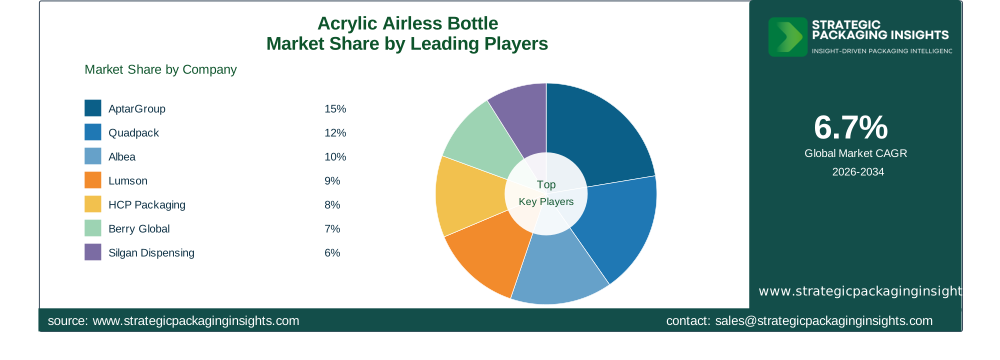
AptarGroup is a prominent player in the market, known for its cutting-edge packaging technologies and commitment to sustainability. The company's focus on research and development has resulted in a range of innovative products that meet the evolving needs of consumers and brands. Quadpack, another key player, has made significant strides in the market by offering customizable packaging solutions that cater to the unique requirements of cosmetic brands. The company's emphasis on sustainability and eco-friendly materials has further strengthened its market position.
Albea is a leading provider of packaging solutions, known for its extensive product range and commitment to quality. The company's focus on innovation and sustainability has enabled it to capture a significant share of the market, catering to the needs of both established brands and emerging players. Lumson, HCP Packaging, and Berry Global are also notable players in the market, each offering a unique value proposition that sets them apart from competitors. These companies have invested heavily in research and development to create packaging solutions that are both functional and environmentally responsible.
Silgan Dispensing, Raepak, Frapak Packaging, and Berlin Packaging are other key players in the market, each contributing to the competitive landscape with their innovative products and strategic partnerships. These companies have established themselves as reliable partners for brands seeking high-quality packaging solutions that align with their sustainability goals. By focusing on customer satisfaction and continuous improvement, these companies have maintained their competitive edge and secured a strong foothold in the market.
Key Highlights
- Market Size: The Acrylic Airless Bottle market was valued at USD 1.31 billion in 2025 and is projected to reach USD 2.34 billion by 2034.
- Growth Rate: The market is expected to grow at a CAGR of 6.7% during the forecast period.
- Leading Companies: Key players include AptarGroup, Quadpack, Albea, and Lumson.
- Product Innovation: Companies are focusing on sustainable and customizable packaging solutions.
- Regional Insights: Asia Pacific is expected to witness significant growth due to rising consumer demand.
- Sustainability Trends: Increasing emphasis on eco-friendly materials and recyclable packaging.
- Technological Advancements: Innovations in airless pump technology and dual-chamber bottles.
Acrylic Airless Bottle Market Segments Insights

Product Type Analysis
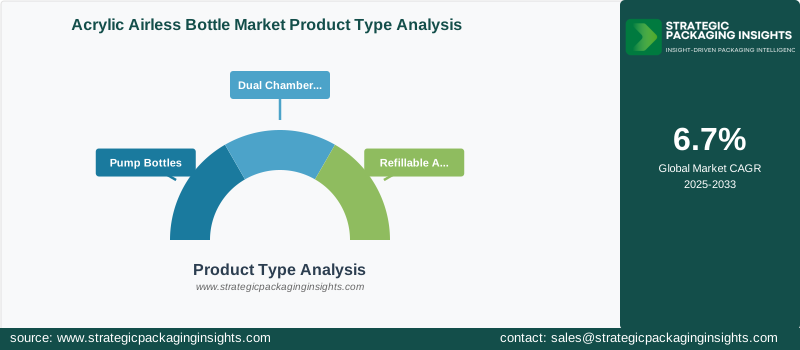
The Acrylic Airless Bottle market is segmented by product type into Pump Bottles, Dual Chamber Bottles, and Refillable Airless Bottles. Pump Bottles are gaining popularity due to their convenience and ability to dispense precise amounts of product, making them ideal for skincare and cosmetic applications. Dual Chamber Bottles offer the advantage of storing two separate formulations, allowing consumers to mix products just before use, enhancing product efficacy and freshness. Refillable Airless Bottles are becoming increasingly popular as consumers seek sustainable packaging options that reduce waste and promote reuse. Companies are investing in innovative designs and materials to cater to these evolving consumer preferences, driving growth in this segment.
The demand for Pump Bottles is driven by their user-friendly design and ability to maintain product integrity by preventing air exposure. This makes them particularly suitable for sensitive formulations such as serums and lotions. Dual Chamber Bottles are favored by brands looking to offer multifunctional products, as they allow for the combination of complementary ingredients that enhance the overall skincare routine. Refillable Airless Bottles are gaining traction among environmentally conscious consumers who prioritize sustainability and waste reduction. As a result, companies are focusing on developing durable and aesthetically pleasing designs that appeal to this growing market segment.
Capacity Analysis
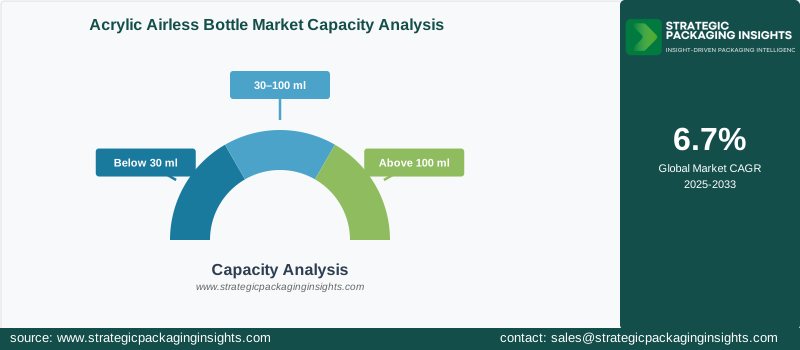
The Acrylic Airless Bottle market is segmented by capacity into Below 30 ml, 30-100 ml, and Above 100 ml. The Below 30 ml segment is popular for travel-sized products and samples, offering convenience and portability for consumers on the go. The 30-100 ml segment is the most widely used, catering to a broad range of skincare and cosmetic products, including serums, lotions, and creams. The Above 100 ml segment is typically used for larger product sizes, such as body lotions and hair care products, where larger quantities are preferred by consumers. Companies are focusing on offering a diverse range of capacities to meet the varying needs of consumers and brands.
The demand for Below 30 ml bottles is driven by the increasing popularity of travel-sized products and the growing trend of offering samples to consumers. This segment is particularly appealing to brands looking to introduce new products and encourage trial among potential customers. The 30-100 ml segment is favored by consumers seeking a balance between convenience and value, as it offers an optimal size for daily use without compromising on product longevity. The Above 100 ml segment caters to consumers who prefer larger product sizes for cost-effectiveness and convenience, particularly for products used frequently or by multiple family members.
Application Analysis
The Acrylic Airless Bottle market is segmented by application into Skincare, Serums, Lotions, and Premium Cosmetics. The Skincare segment is the largest, driven by the increasing demand for effective and convenient packaging solutions that preserve product efficacy and extend shelf life. Serums are gaining popularity due to their concentrated formulations and targeted benefits, requiring packaging that ensures precise dispensing and protection from contamination. Lotions are a staple in personal care routines, with consumers seeking packaging that offers ease of use and portability. Premium Cosmetics are experiencing growth as consumers prioritize high-quality packaging that reflects the luxury and sophistication of the products they contain.
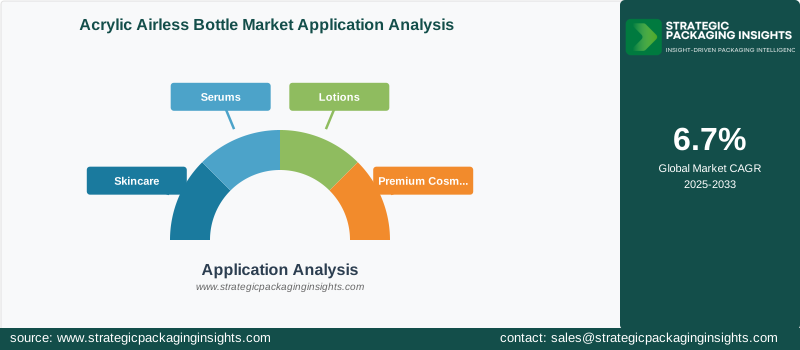
The demand for Skincare packaging is driven by the growing consumer focus on health and wellness, with an emphasis on products that offer visible results and long-term benefits. Serums require packaging that maintains product integrity and prevents oxidation, making airless bottles an ideal choice for this application. Lotions are favored for their versatility and ease of application, with consumers seeking packaging that offers convenience and functionality. Premium Cosmetics are characterized by their luxurious packaging, which enhances the overall consumer experience and reinforces brand identity. Companies are investing in innovative designs and materials to cater to these diverse application needs, driving growth in this segment.
End Use Analysis
The Acrylic Airless Bottle market is segmented by end use into Cosmetic Brands, Beauty Retailers, and Contract Fillers. Cosmetic Brands are the primary end users, seeking packaging solutions that enhance product appeal and align with their brand image. Beauty Retailers are increasingly focusing on offering a diverse range of packaging options to cater to the varying preferences of their customers. Contract Fillers play a crucial role in the market, providing packaging solutions for brands that outsource their production and filling processes. Companies are focusing on offering customizable and innovative packaging solutions to meet the unique needs of these end users, driving growth in this segment.
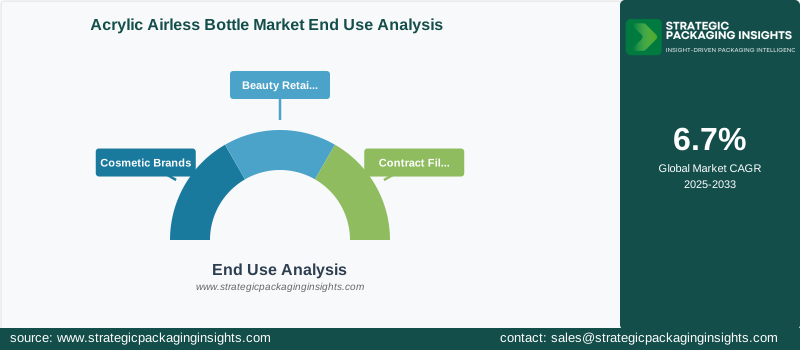
The demand for packaging solutions among Cosmetic Brands is driven by the need to differentiate their products in a competitive market and enhance brand recognition. Beauty Retailers are seeking packaging that offers versatility and functionality, allowing them to cater to a wide range of consumer preferences and product types. Contract Fillers are focused on providing cost-effective and efficient packaging solutions that meet the quality standards of their clients. Companies are investing in research and development to create packaging solutions that offer both aesthetic appeal and functional benefits, ensuring their continued success in the market.
Acrylic Airless Bottle Market Segments
The Acrylic Airless Bottle market has been segmented on the basis ofProduct Type
- Pump Bottles
- Dual Chamber Bottles
- Refillable Airless Bottles
Capacity
- Below 30 ml
- 30–100 ml
- Above 100 ml
Application
- Skincare
- Serums
- Lotions
- Premium Cosmetics
End Use
- Cosmetic Brands
- Beauty Retailers
- Contract Fillers
Region
- Asia Pacific
- North America
- Latin America
- Europe
- Middle East & Africa




