


Vacuum Packaging Market Outlook
The Vacuum Packaging market size was valued at USD 34.82 Billion in 2025 and is anticipated to reach USD 58.94 Billion by 2034, growing at a CAGR of 6.0% during the forecast period according to Strategic Packaging Insights. The market is witnessing robust growth driven by the increasing demand for extended shelf life of food products, which vacuum packaging effectively provides. Companies like Sealed Air Corporation and Amcor plc are leading the charge by innovating in packaging technologies that cater to the evolving needs of consumers and industries alike. The rise in consumer awareness regarding food safety and hygiene is further propelling the demand for vacuum packaging solutions, making it a lucrative market for stakeholders.
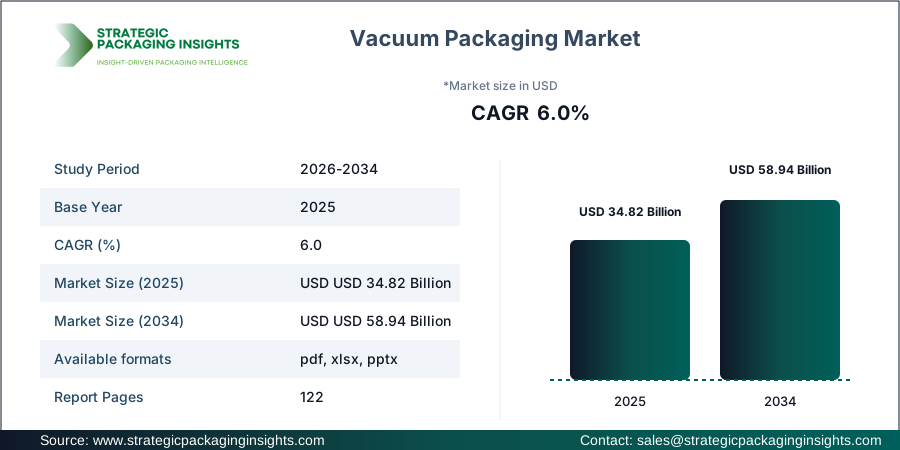
One of the most impactful drivers of the vacuum packaging market is the growing emphasis on reducing food waste, which is a significant concern globally. According to the Food and Agriculture Organization (FAO), approximately one-third of food produced for human consumption is lost or wasted globally. Vacuum packaging plays a crucial role in mitigating this issue by significantly extending the shelf life of perishable goods. This not only helps in reducing food waste but also aids in maintaining the nutritional value of food products over time. Companies like Berry Global and Winpak Ltd. are investing in research and development to enhance the efficiency and effectiveness of vacuum packaging solutions, thereby supporting sustainability goals and catering to environmentally conscious consumers.
Report Scope
| Attributes | Details |
| Report Title | Vacuum Packaging Market Size, Future Growth and Forecast 2034 |
| By Packaging Type | Vacuum Bags, Vacuum Pouches, Vacuum Skin Packaging, Vacuum Thermoformed Packaging, Vacuum Shrink Bags |
| By Material | Polyethylene (PE), Polyamide (PA), Polypropylene (PP), EVOH, Multi-Layer Films |
| By Application | Meat & Poultry, Seafood, Cheese & Dairy, Ready-to-Eat Meals, Medical Devices, Industrial Products |
| By End User | Food & Beverage Manufacturers, Healthcare & Pharmaceutical Companies, Industrial Manufacturers, Retail Chains, Packaging Converters |
| Region | Asia Pacific, North America, Latin America, Europe, Middle East & Africa |
| Base Year | 2025 |
| Historic Period | 2018-2024 |
| Forecast Period | 2026-2034 |
| Number of Pages | 122 |
| Customization Available | Yes* |
Sustainability & Circular Economy Analysis
Sustainability initiatives are increasingly shaping the vacuum packaging market, with a strong focus on recyclable materials and eco-friendly innovations. Companies are actively exploring the use of biodegradable and compostable materials to reduce environmental impact. The integration of lightweight packaging solutions is also gaining traction, as it not only reduces material usage but also lowers transportation emissions. These efforts align with the broader circular economy goals, where waste reduction and resource efficiency are prioritized. As a result, packaging manufacturers are investing in advanced technologies to develop sustainable solutions that meet regulatory requirements and consumer expectations.
Extended Producer Responsibility (EPR) regulations are pushing companies to rethink their packaging strategies, emphasizing the need for sustainable design and end-of-life management. This has led to increased collaboration across the supply chain, from raw material suppliers to recycling networks, to ensure that packaging materials are effectively reused or recycled. Companies like Mondi plc and Constantia Flexibles are leading the way by implementing ESG initiatives that focus on reducing carbon footprints and enhancing the recyclability of their products. These efforts not only improve brand reputation but also offer a competitive edge in a market where sustainability is becoming a key differentiator.
Consumer preferences are also shifting towards sustainable packaging options, with a growing demand for products that align with their environmental values. This trend is influencing investment decisions and driving innovation in packaging design and manufacturing processes. Companies are increasingly adopting waste reduction strategies and investing in eco-friendly material innovations to meet these demands. As a result, the vacuum packaging market is witnessing a transformation, with sustainability becoming a core component of business strategies. This shift is expected to enhance long-term market competitiveness and drive growth in the coming years.
Packaging Value Chain & Supply Chain Analysis
The vacuum packaging market's value chain is a complex ecosystem involving multiple stakeholders, from raw material suppliers to end-users. Raw material sourcing is a critical component, with companies relying on high-quality polymers like polyethylene and polypropylene to ensure product durability and performance. Packaging converters and manufacturers play a pivotal role in transforming these materials into finished products, utilizing advanced machinery and technologies to meet diverse application needs. Strategic partnerships and collaborations are essential in this ecosystem, enabling companies to enhance their production capabilities and expand their market reach.
Supply chain efficiency is paramount in the vacuum packaging market, as it directly impacts product availability and cost-effectiveness. Companies are focusing on optimizing logistics and distribution channels to ensure timely delivery of products to retailers and end-users. Inventory management and procurement strategies are being refined to enhance supply chain resilience, particularly in the face of global disruptions. Localization and global sourcing are being balanced to mitigate risks and capitalize on regional market opportunities. This strategic approach is crucial for maintaining competitiveness and meeting the dynamic demands of the market.
Recycling networks are becoming increasingly important in the packaging value chain, as companies strive to meet sustainability goals and regulatory requirements. The integration of recycling processes into the supply chain not only supports environmental objectives but also offers cost-saving opportunities through material recovery. Companies like ProAmpac and ULMA Packaging are investing in recycling technologies and collaborating with stakeholders to enhance the recyclability of their products. This focus on sustainability is driving innovation and shaping the future of the vacuum packaging market, positioning it for continued growth and success.
Opportunities & Threats
The vacuum packaging market presents numerous opportunities for growth, driven by the increasing demand for convenient and sustainable packaging solutions. The rise in e-commerce and online food delivery services is creating a significant demand for vacuum packaging, as it ensures product freshness and safety during transit. Companies can capitalize on this trend by developing innovative packaging solutions that cater to the specific needs of the e-commerce sector. Additionally, the growing focus on reducing food waste presents an opportunity for companies to expand their market presence by offering vacuum packaging solutions that extend the shelf life of perishable goods.
Another opportunity lies in the expanding healthcare and pharmaceutical sectors, where vacuum packaging is used to ensure the sterility and integrity of medical devices and products. As these industries continue to grow, the demand for vacuum packaging solutions is expected to increase, providing companies with a lucrative market to explore. Furthermore, advancements in packaging technologies, such as smart packaging and active packaging, offer opportunities for companies to differentiate their products and enhance their value proposition. By investing in research and development, companies can stay ahead of the competition and capture a larger share of the market.
Despite the opportunities, the vacuum packaging market faces several threats that could impact its growth. One of the primary challenges is the fluctuating prices of raw materials, which can affect production costs and profit margins. Companies need to develop strategies to mitigate these risks, such as diversifying their supplier base and implementing cost-effective production processes. Additionally, stringent regulatory requirements related to packaging materials and waste management pose a threat to market growth. Companies must ensure compliance with these regulations to avoid penalties and maintain their market position. By addressing these challenges, companies can safeguard their growth prospects and capitalize on emerging opportunities.
Drivers & Challenges
The vacuum packaging market is driven by several key factors, including the increasing demand for extended shelf life of food products and the growing focus on food safety and hygiene. Vacuum packaging effectively addresses these needs by removing air from the packaging, thereby inhibiting the growth of microorganisms and preserving the freshness of food products. This has led to a surge in demand from the food and beverage industry, where vacuum packaging is used extensively for meat, poultry, seafood, and dairy products. Companies like Sealed Air Corporation and Amcor plc are leveraging these drivers to expand their market presence and enhance their product offerings.
Another significant driver is the rising consumer awareness regarding environmental sustainability and the demand for eco-friendly packaging solutions. Vacuum packaging companies are responding to this trend by developing sustainable packaging materials and adopting environmentally friendly production processes. This not only helps in reducing the environmental impact of packaging but also enhances brand reputation and customer loyalty. The increasing adoption of vacuum packaging in the healthcare and pharmaceutical sectors is also driving market growth, as it ensures the sterility and safety of medical products. By capitalizing on these drivers, companies can achieve sustainable growth and maintain a competitive edge in the market.
However, the vacuum packaging market also faces several challenges that could hinder its growth. One of the primary challenges is the high cost of advanced packaging technologies, which can limit the adoption of vacuum packaging solutions, particularly among small and medium-sized enterprises. Companies need to develop cost-effective solutions to make vacuum packaging more accessible to a broader range of customers. Additionally, the lack of awareness and understanding of vacuum packaging benefits among consumers and businesses can pose a challenge to market growth. Companies must invest in marketing and education initiatives to raise awareness and drive adoption of vacuum packaging solutions.
Market Share Analysis
The vacuum packaging market is characterized by intense competition, with several key players vying for market share. Companies like Sealed Air Corporation, Amcor plc, and Berry Global are leading the market, leveraging their extensive product portfolios and global presence to maintain a competitive edge. These companies are investing heavily in research and development to innovate and enhance their product offerings, catering to the evolving needs of consumers and industries. The competitive landscape is further intensified by the presence of regional players who are focusing on niche markets and offering customized solutions to meet specific customer requirements.
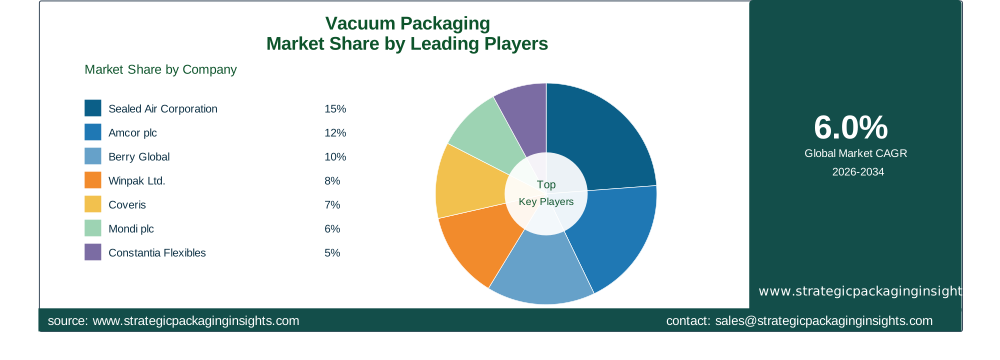
Sealed Air Corporation holds a significant market share, driven by its innovative packaging solutions and strong focus on sustainability. The company is known for its Cryovac brand, which offers a wide range of vacuum packaging solutions for the food and beverage industry. Amcor plc is another major player, with a diverse product portfolio that includes flexible and rigid packaging solutions. The company's commitment to sustainability and innovation has helped it maintain a strong market position. Berry Global is also a key player, known for its extensive range of packaging products and focus on customer-centric solutions.
Winpak Ltd. and Coveris are other notable players in the vacuum packaging market, with a strong presence in North America and Europe, respectively. These companies are focusing on expanding their product offerings and enhancing their production capabilities to capture a larger share of the market. Mondi plc and Constantia Flexibles are also significant players, known for their sustainable packaging solutions and commitment to reducing environmental impact. The competitive landscape is further enriched by the presence of companies like ProAmpac, MULTIVAC Group, and ULMA Packaging, which are known for their innovative packaging technologies and customer-focused solutions.
Flexopack S.A., Schur Flexibles, and Korozo Group are also key players in the vacuum packaging market, with a strong focus on product innovation and sustainability. These companies are investing in advanced technologies to enhance their product offerings and meet the growing demand for eco-friendly packaging solutions. UFlex Ltd. and Sonoco Products Company are other notable players, known for their diverse product portfolios and commitment to quality and customer satisfaction. The competitive landscape is dynamic, with companies continuously striving to enhance their market position through strategic partnerships, acquisitions, and product innovations.
Key Highlights
- Market Size: The vacuum packaging market was valued at USD 34.82 Billion in 2025 and is projected to reach USD 58.94 Billion by 2034.
- Growth Rate: The market is expected to grow at a CAGR of 6.0% during the forecast period.
- Leading Companies: Key players include Sealed Air Corporation, Amcor plc, and Berry Global.
- Packaging Type: Vacuum Bags and Vacuum Pouches are among the most popular segments.
- Material Innovation: Polyethylene (PE) and Polypropylene (PP) are widely used materials.
- Application Growth: Meat & Poultry and Seafood applications are driving demand.
- Regional Insights: Asia Pacific is expected to witness significant growth.
Vacuum Packaging Market Segments Insights

By Packaging Type Analysis
The vacuum packaging market is segmented by packaging type, including vacuum bags, vacuum pouches, vacuum skin packaging, vacuum thermoformed packaging, and vacuum shrink bags. Vacuum bags and pouches are the most widely used types, driven by their versatility and cost-effectiveness. These packaging types are extensively used in the food and beverage industry to preserve the freshness and quality of products. The demand for vacuum skin packaging is also on the rise, particularly in the meat and poultry sector, where it offers superior protection and extended shelf life. Companies are focusing on developing innovative packaging solutions to cater to the diverse needs of consumers and industries.
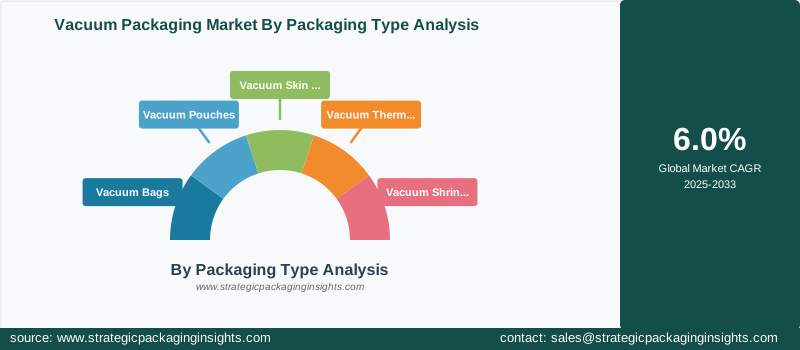
Vacuum thermoformed packaging is gaining popularity due to its ability to provide a secure and tamper-evident seal, making it ideal for high-value products. This packaging type is widely used in the healthcare and pharmaceutical sectors to ensure the sterility and integrity of medical devices and products. Vacuum shrink bags are also witnessing increased demand, particularly in the industrial sector, where they offer robust protection for heavy and bulky items. The growing focus on sustainability is driving companies to explore eco-friendly packaging materials and technologies, further enhancing the appeal of vacuum packaging solutions.
By Material Analysis
The vacuum packaging market is segmented by material, including polyethylene (PE), polyamide (PA), polypropylene (PP), EVOH, and multi-layer films. Polyethylene and polypropylene are the most commonly used materials, known for their durability, flexibility, and cost-effectiveness. These materials are widely used in the food and beverage industry to ensure product safety and extend shelf life. Polyamide is also gaining traction, particularly in the meat and poultry sector, where it offers excellent barrier properties and resistance to punctures and tears.
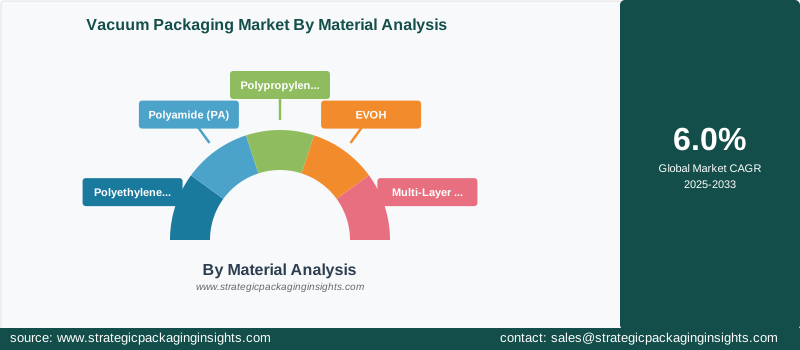
EVOH and multi-layer films are increasingly being used in vacuum packaging applications, driven by their superior barrier properties and ability to preserve the freshness and quality of products. These materials are particularly popular in the healthcare and pharmaceutical sectors, where they ensure the sterility and integrity of medical devices and products. The growing focus on sustainability is driving companies to explore eco-friendly materials and technologies, further enhancing the appeal of vacuum packaging solutions. Companies are investing in research and development to develop innovative materials that meet the evolving needs of consumers and industries.
By Application Analysis
The vacuum packaging market is segmented by application, including meat & poultry, seafood, cheese & dairy, ready-to-eat meals, medical devices, and industrial products. The food and beverage industry is the largest application segment, driven by the increasing demand for convenient and sustainable packaging solutions. Vacuum packaging is extensively used in the meat and poultry sector to preserve the freshness and quality of products, while also extending their shelf life. The seafood and cheese & dairy sectors are also significant contributors to market growth, as vacuum packaging ensures product safety and hygiene.
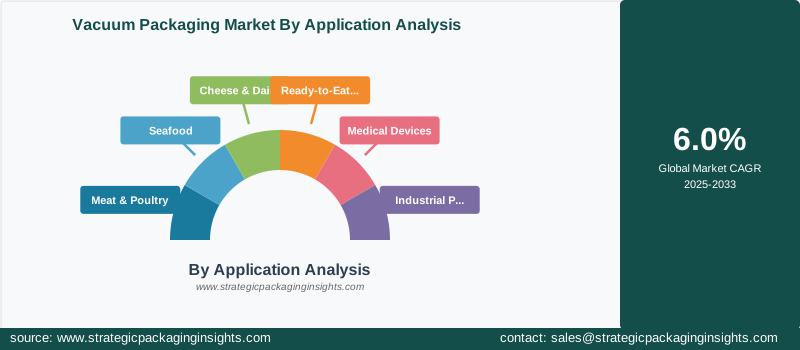
The healthcare and pharmaceutical sectors are also key application segments, where vacuum packaging is used to ensure the sterility and integrity of medical devices and products. The growing focus on sustainability is driving companies to explore eco-friendly packaging solutions, further enhancing the appeal of vacuum packaging in these sectors. The industrial sector is also witnessing increased demand for vacuum packaging, particularly for heavy and bulky items that require robust protection. Companies are investing in research and development to develop innovative packaging solutions that cater to the diverse needs of consumers and industries.
By End User Analysis
The vacuum packaging market is segmented by end user, including food & beverage manufacturers, healthcare & pharmaceutical companies, industrial manufacturers, retail chains, and packaging converters. Food and beverage manufacturers are the largest end-user segment, driven by the increasing demand for convenient and sustainable packaging solutions. Vacuum packaging is extensively used in this sector to preserve the freshness and quality of products, while also extending their shelf life. Healthcare and pharmaceutical companies are also significant end users, where vacuum packaging is used to ensure the sterility and integrity of medical devices and products.
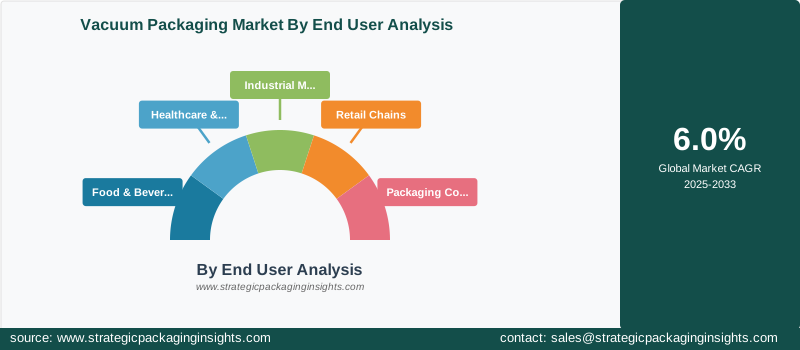
Industrial manufacturers are also key end users, particularly for heavy and bulky items that require robust protection. Retail chains are increasingly adopting vacuum packaging solutions to enhance product safety and hygiene, while also reducing food waste. Packaging converters are also significant end users, as they play a crucial role in transforming raw materials into finished products. The growing focus on sustainability is driving companies to explore eco-friendly packaging solutions, further enhancing the appeal of vacuum packaging in these sectors. Companies are investing in research and development to develop innovative packaging solutions that cater to the diverse needs of consumers and industries.
Vacuum Packaging Market Segments
The Vacuum Packaging market has been segmented on the basis ofBy Packaging Type
- Vacuum Bags
- Vacuum Pouches
- Vacuum Skin Packaging
- Vacuum Thermoformed Packaging
- Vacuum Shrink Bags
By Material
- Polyethylene (PE)
- Polyamide (PA)
- Polypropylene (PP)
- EVOH
- Multi-Layer Films
By Application
- Meat & Poultry
- Seafood
- Cheese & Dairy
- Ready-to-Eat Meals
- Medical Devices
- Industrial Products
By End User
- Food & Beverage Manufacturers
- Healthcare & Pharmaceutical Companies
- Industrial Manufacturers
- Retail Chains
- Packaging Converters
Region
- Asia Pacific
- North America
- Latin America
- Europe
- Middle East & Africa




