
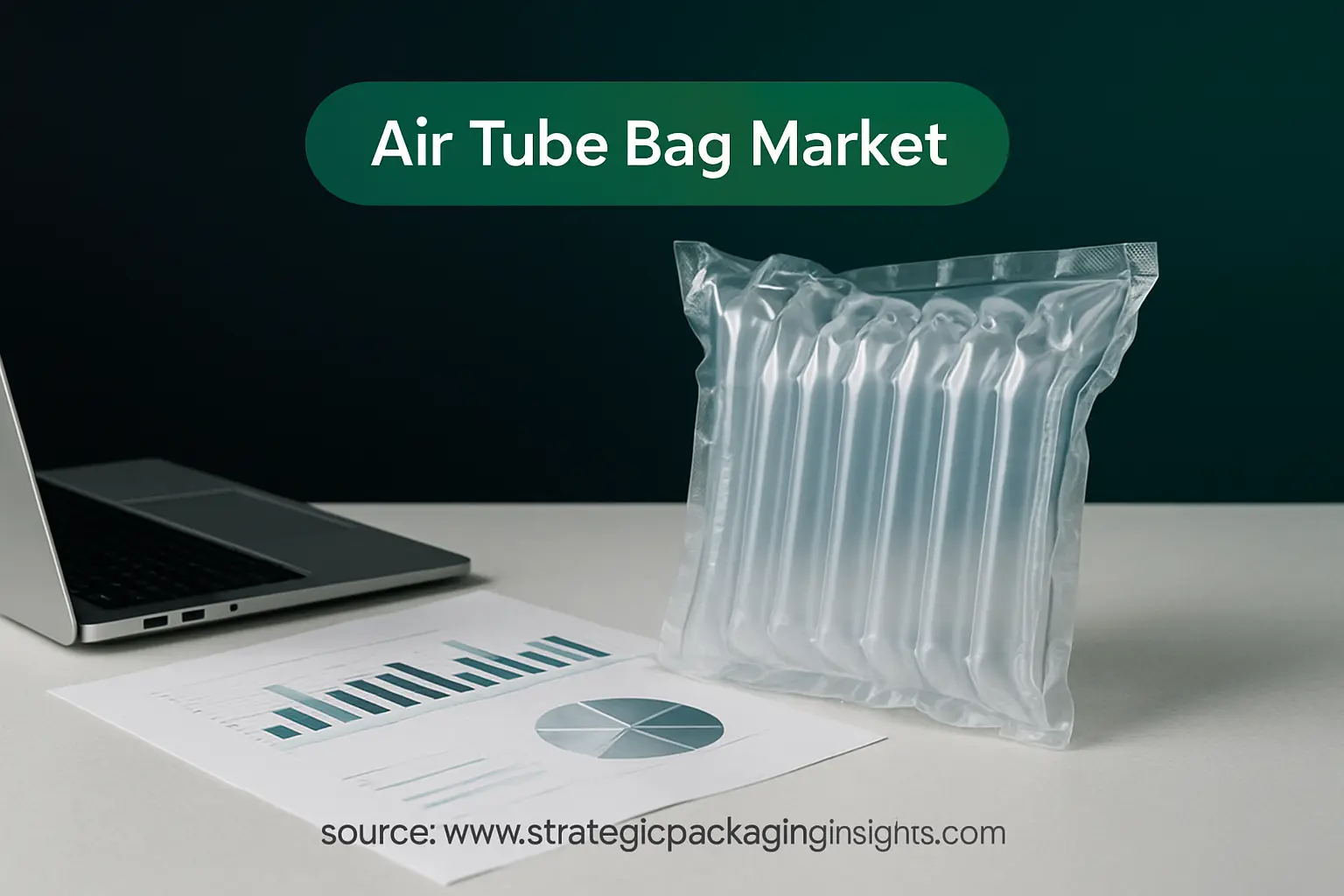
Explore the dynamic growth of the Air Tube Bag Market, driven by innovations in packaging technology and sustainability. Analyze market trends, demand drivers, and strategic forecasts for 2025-2033.
Market Context & Industry Relevance
The Air Tube Bag Market is at the forefront of packaging innovation, offering a sustainable and efficient solution for protecting goods during transit. As industries increasingly prioritize eco-friendly and cost-effective packaging solutions, air tube bags have emerged as a pivotal component in the logistics and shipping sectors. Their lightweight, durable, and customizable nature makes them ideal for a wide range of applications, from e-commerce to industrial shipping.
https://www.strategicpackaginginsights.com/report/air-tube-bag-market
Demand Drivers Across Packaging
The demand for air tube bags is primarily driven by the exponential growth of e-commerce, which necessitates reliable and protective packaging solutions. Additionally, the increasing consumer preference for sustainable packaging options has propelled the adoption of air tube bags, which are often recyclable and reduce the carbon footprint associated with traditional packaging materials. The rise in fragile and high-value item shipping, such as electronics and glassware, further underscores the need for advanced protective packaging solutions.
Market Valuation & Forecast
In 2024, the Air Tube Bag Market was valued at $427.80 million. With a projected CAGR of 6.20%, the market is expected to reach $735.13 million by 2033. This growth trajectory is fueled by technological advancements in packaging materials and the increasing integration of air tube bags in various end-use industries. The shift towards online retail and the global expansion of logistics networks are also significant contributors to this upward trend.
Segment Breakdown
| Segment | Details |
|---|---|
| Product Type | Column Air Bags, Inflatable Tube Bags, Protective Air Tube Wraps |
| Material Type | PE Film, Nylon Composite Film |
| Application | Wine Bottle Packaging, Electronics Protection, Fragile Item Packaging |
| End Use | E-commerce Logistics, Retail Packaging, Industrial Shipping |
| Region | Asia Pacific, North America, Latin America, Europe, Middle East & Africa |
Application-Led Impact
Air tube bags are revolutionizing packaging across various applications. In wine bottle packaging, they provide a secure and cushioned environment, minimizing breakage during transport. For electronics protection, air tube bags offer a lightweight yet robust barrier against shocks and vibrations. In the realm of fragile item packaging, these bags ensure that delicate goods reach their destination intact, enhancing customer satisfaction and reducing return rates.
Risks, Barriers & Mitigation
Despite their advantages, air tube bags face challenges such as material cost fluctuations and environmental concerns regarding plastic use. To mitigate these risks, manufacturers are investing in research and development to create biodegradable and cost-effective alternatives. Additionally, regulatory pressures and consumer awareness are driving the industry towards more sustainable practices, ensuring long-term viability and compliance.
Concise SWOT Snapshot
| Strengths | Weaknesses | Opportunities | Threats |
|---|---|---|---|
| Lightweight, customizable, protective | Material cost variability | Growing e-commerce, sustainability trends | Environmental regulations, competition |
Technology & Sustainability Influence
Technological advancements are pivotal in enhancing the functionality and sustainability of air tube bags. Innovations in material science have led to the development of more durable and eco-friendly films, while automation in manufacturing processes has improved efficiency and reduced costs. Sustainability remains a core focus, with companies exploring biodegradable materials and closed-loop recycling systems to align with global environmental goals.
Strategic Takeaways for 2025–2033
As we look towards 2025 and beyond, the Air Tube Bag Market is poised for significant growth, driven by technological innovation and a shift towards sustainable packaging solutions. Companies should focus on expanding their product portfolios to include eco-friendly options and leverage automation to enhance production efficiency. Strategic partnerships and collaborations will be crucial in navigating regulatory landscapes and meeting evolving consumer demands. By prioritizing sustainability and innovation, businesses can capitalize on the burgeoning opportunities within this dynamic market.