
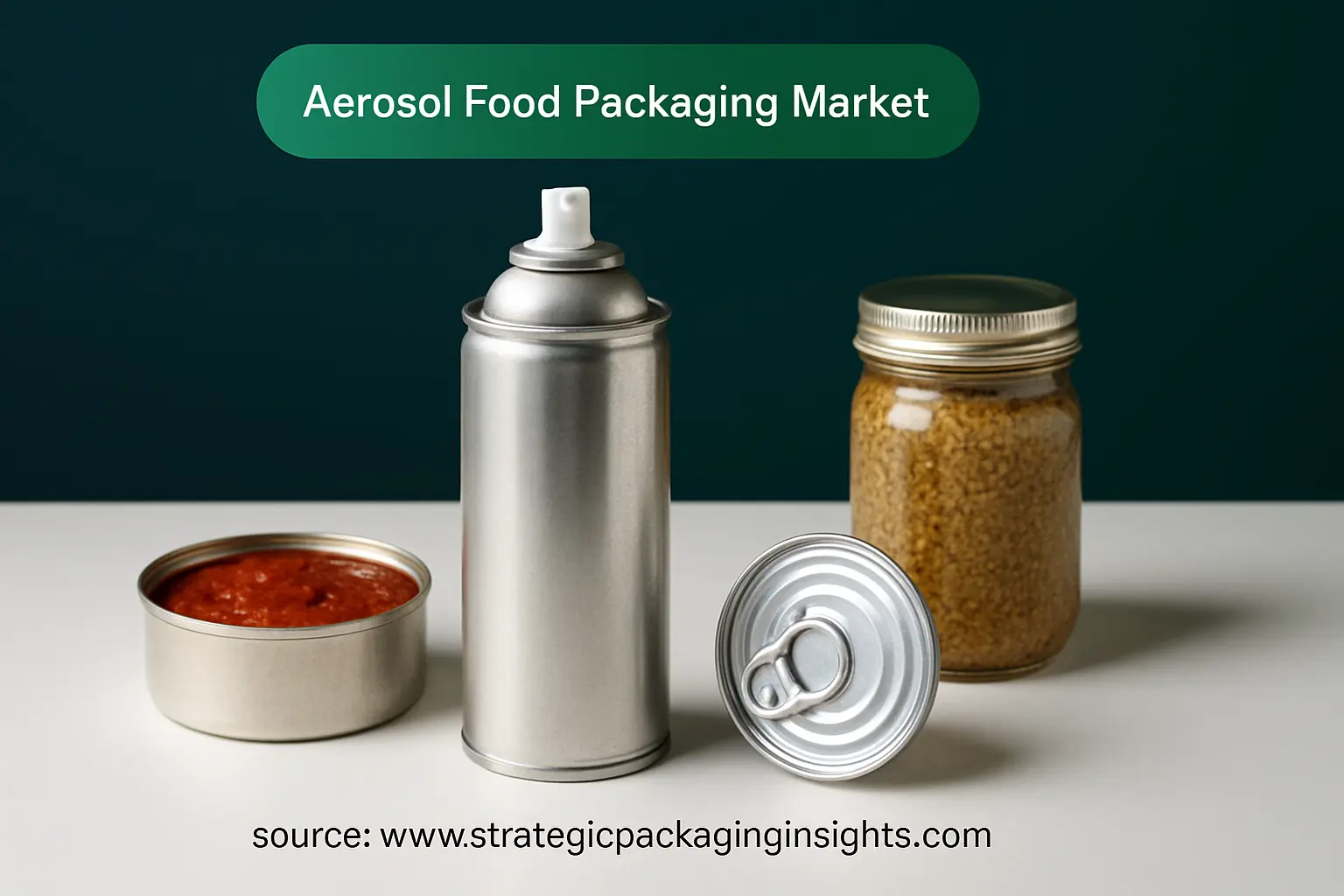
Explore the Aerosol Food Packaging Market from 2017 to 2033, analyzing growth drivers, market size, segment intelligence, and strategic recommendations for stakeholders.
Market Storyline (Historic to Forecast)
The Aerosol Food Packaging Market has undergone significant transformation from 2017 to 2023, driven by technological advancements and changing consumer preferences. The market, valued at $3.21 billion in 2024, is projected to reach $5.03 billion by 2033, reflecting a steady CAGR of 5.10%. This growth trajectory highlights the increasing adoption of aerosol packaging in the food industry, driven by its convenience and efficiency.
https://www.strategicpackaginginsights.com/report/aerosol-food-packaging-market
Historically, the market witnessed gradual acceptance, with innovations in packaging materials and designs enhancing product appeal. As we move towards 2033, the focus is on sustainability and eco-friendly packaging solutions, aligning with global environmental goals.
What Drives Growth
The growth of the Aerosol Food Packaging Market is primarily driven by the rising demand for convenience foods and the increasing popularity of ready-to-use products. Consumers' busy lifestyles have led to a preference for products that offer ease of use and extended shelf life. Additionally, advancements in packaging technology, such as improved valve systems and eco-friendly materials, are propelling market expansion.
Moreover, the growing awareness of food safety and hygiene has increased the adoption of aerosol packaging, which offers superior protection against contamination. The trend towards premiumization in food products also supports the market, as aerosol packaging enhances product presentation and consumer experience.
Market Size Interpretation
The base year market size of $3.21 billion in 2024 indicates a robust foundation for the Aerosol Food Packaging Market. The projected market size of $5.03 billion by 2033, with a CAGR of 5.10%, underscores the market's potential for sustained growth. This expansion reflects the increasing penetration of aerosol packaging across various food segments and regions.
The implications of this growth are significant for stakeholders, including manufacturers, suppliers, and retailers. It suggests opportunities for innovation in packaging solutions and the potential for market players to capture a larger share by addressing consumer demands for convenience and sustainability.
Segment Intelligence
| Segment | Strategic Insights |
|---|---|
| Product Type | Spray Oils, Whipped Cream Aerosols, Cooking Sprays, Specialty Food Aerosols are gaining traction due to their convenience and enhanced shelf life. |
| Container Type | Aluminum Cans, Tinplate Cans, Bag-on-Valve, Others offer diverse options for manufacturers to cater to different consumer preferences and regulatory requirements. |
| Application | Dairy, Bakery, Culinary, Beverages segments are expanding as aerosol packaging enhances product safety and consumer appeal. |
| End Use | Food Brands, Contract Packers, Foodservice, Retail sectors are increasingly adopting aerosol packaging to improve product differentiation and market reach. |
| Region | Asia Pacific, North America, Latin America, Europe, Middle East & Africa present varied growth opportunities, with Asia Pacific leading due to rising consumer demand and urbanization. |
End-User Implications
For end-users such as food brands and retailers, the adoption of aerosol packaging offers a competitive edge by enhancing product differentiation and consumer convenience. Contract packers benefit from the efficiency and scalability of aerosol packaging, while foodservice providers can leverage it to improve operational efficiency and product quality.
Retailers can capitalize on the growing consumer preference for aerosol-packaged products by expanding their product offerings and enhancing in-store marketing strategies. Overall, end-users can achieve greater market penetration and customer loyalty by aligning with the trends in aerosol packaging.
Investment & Strategy Lens
Investors and market players should focus on strategic partnerships and collaborations to drive innovation in aerosol packaging solutions. Investing in research and development to create sustainable and eco-friendly packaging options will be crucial in meeting regulatory requirements and consumer expectations.
Market players should also consider expanding their geographical presence, particularly in emerging markets, to capture the growing demand for aerosol-packaged food products. A focus on digital marketing and consumer engagement will further enhance brand visibility and market reach.
SWOT Matrix
| Strengths | Weaknesses | Opportunities | Threats |
|---|---|---|---|
| Convenience and extended shelf life of products. | High production costs and environmental concerns. | Growing demand for sustainable packaging solutions. | Stringent regulatory requirements and competition from alternative packaging. |
Packaging Trends Shaping This Market
The Aerosol Food Packaging Market is influenced by several key trends, including the shift towards sustainable and recyclable materials. Innovations in valve technology and packaging design are enhancing product functionality and consumer experience. The trend towards personalization and premiumization is also driving demand for aesthetically appealing packaging solutions.
Additionally, the integration of smart packaging technologies, such as QR codes and NFC tags, is gaining traction, offering consumers enhanced product information and engagement opportunities. These trends are shaping the future of aerosol food packaging, providing opportunities for market players to differentiate their offerings.
Outlook & Strategic Recommendations
The outlook for the Aerosol Food Packaging Market is positive, with significant growth opportunities driven by consumer demand for convenience and sustainability. Market players should focus on innovation and sustainability to capture emerging opportunities and address regulatory challenges.
Strategic recommendations include investing in eco-friendly packaging solutions, expanding geographical presence, and enhancing consumer engagement through digital marketing. By aligning with market trends and consumer preferences, stakeholders can achieve long-term success and competitive advantage in the evolving aerosol food packaging landscape.