
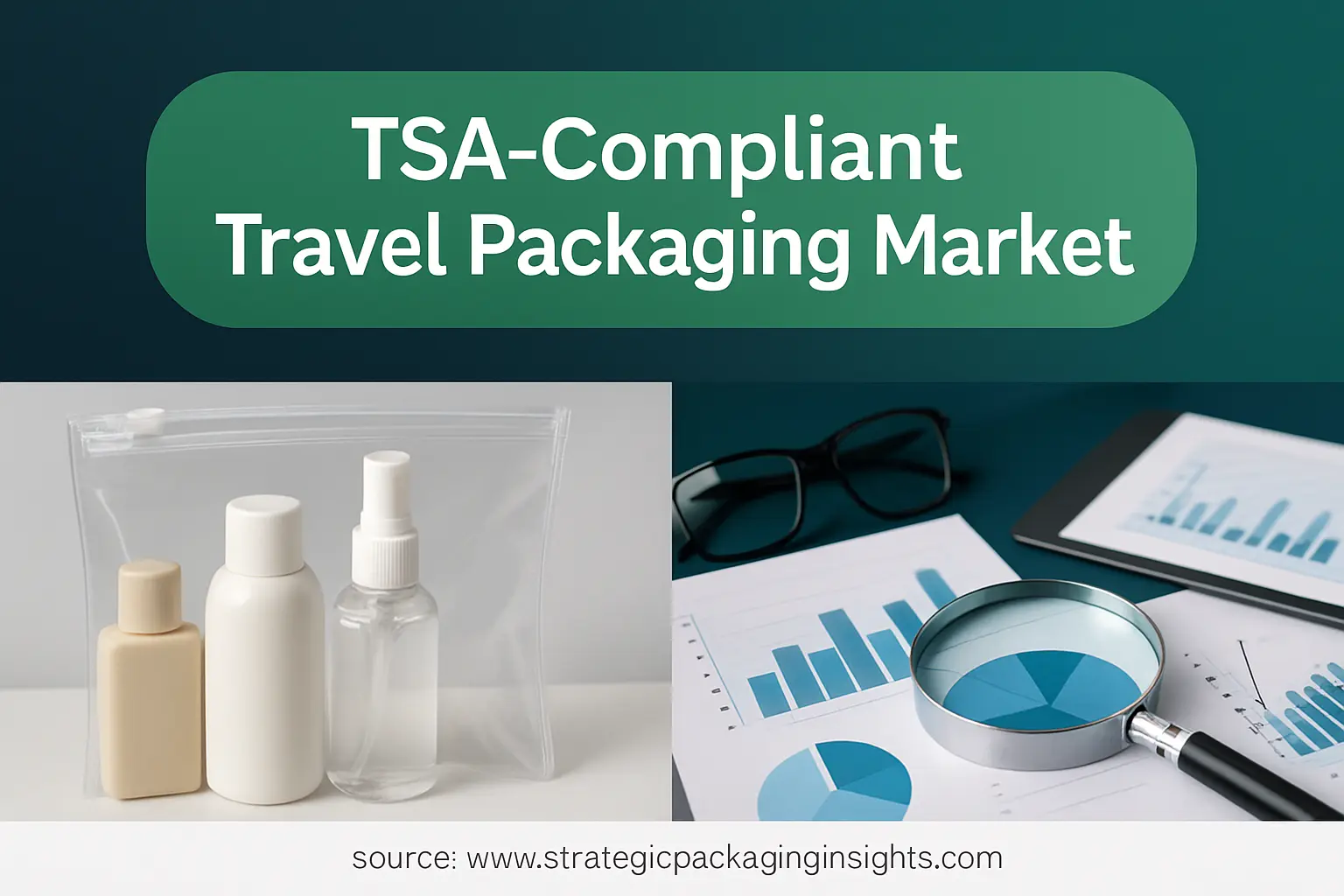
Explore the TSA-Compliant Travel Packaging Market from 2017 to 2033, analyzing growth drivers, market size, segment intelligence, and strategic recommendations for stakeholders.
Market Storyline (Historic to Forecast)
The TSA-Compliant Travel Packaging Market has undergone significant transformation from 2017 to 2023, driven by evolving consumer preferences and stringent regulatory requirements. The market, valued at $2.5 billion in 2024, is projected to reach $4.8 billion by 2033, reflecting a robust CAGR of 7.2%. This growth trajectory underscores the increasing demand for secure and convenient travel packaging solutions that comply with TSA regulations.
https://www.strategicpackaginginsights.com/report/tsa-compliant-travel-packaging-market
Historically, the market has been shaped by the rise in global travel and heightened security measures, necessitating packaging solutions that ensure safety and compliance. As we look towards 2033, technological advancements and sustainability trends are expected to further propel market expansion, offering new opportunities for innovation and differentiation.
What Drives Growth
The primary drivers of growth in the TSA-Compliant Travel Packaging Market include the surge in international travel, heightened security protocols, and consumer demand for convenience and sustainability. The increasing awareness of environmental impact has led to a shift towards eco-friendly materials, influencing product development and consumer choices.
Additionally, the integration of smart technologies in packaging, such as RFID tags and QR codes, enhances security and traceability, appealing to tech-savvy travelers. The rise of e-commerce and direct-to-consumer sales channels also facilitates market penetration, enabling brands to reach a broader audience with innovative packaging solutions.
Market Size Interpretation
The market size of $2.5 billion in 2024 serves as a baseline for understanding the sector's potential. The projected growth to $4.8 billion by 2033, at a CAGR of 7.2%, indicates a healthy expansion driven by both organic and inorganic factors. This growth reflects the market's resilience and adaptability to changing consumer and regulatory landscapes.
The implications of this growth are multifaceted. For manufacturers, it presents an opportunity to invest in R&D and sustainable practices to capture market share. For investors, the market's upward trajectory signals a promising return on investment, particularly in segments aligned with emerging trends such as sustainability and smart packaging.
Segment Intelligence
| Segment | Strategic Insights |
|---|---|
| Material Type | Plastic remains dominant due to cost-effectiveness, but metal and glass are gaining traction for premium offerings. Sustainability concerns drive innovation in biodegradable materials. |
| Product Type | Bottles and containers lead due to versatility and convenience. Bags are increasingly popular for their lightweight and compact nature, appealing to frequent travelers. |
| Application | Personal care products dominate, driven by consumer demand for travel-sized toiletries. Pharmaceuticals and food & beverages are emerging segments with growth potential. |
| Region | North America and Europe lead in market share, but Asia Pacific is the fastest-growing region, fueled by rising travel rates and expanding middle-class populations. |
End-User Implications
For end-users, the TSA-Compliant Travel Packaging Market offers enhanced convenience and security during travel. The availability of diverse packaging options allows consumers to choose products that align with their preferences for sustainability, functionality, and aesthetics.
Travelers benefit from packaging solutions that streamline security checks and reduce the risk of product spillage or damage. As brands innovate to meet consumer demands, end-users can expect more personalized and eco-friendly options, enhancing their overall travel experience.
Investment & Strategy Lens
Investors should focus on companies that prioritize sustainability and technological integration, as these are key differentiators in the market. Strategic partnerships and acquisitions can facilitate market entry and expansion, particularly in emerging regions.
Companies should leverage data analytics to understand consumer behavior and tailor their offerings accordingly. Emphasizing brand transparency and ethical practices can enhance consumer trust and loyalty, driving long-term growth.
SWOT Matrix
| Factor | Strengths | Weaknesses | Opportunities | Threats |
|---|---|---|---|---|
| Market Position | Strong regulatory compliance and brand recognition. | High competition and price sensitivity. | Expansion into emerging markets. | Regulatory changes and economic fluctuations. |
| Innovation | Advanced materials and smart packaging solutions. | High R&D costs. | Technological advancements and sustainability trends. | Rapid technological changes. |
| Consumer Trends | Growing demand for convenience and eco-friendly products. | Limited consumer awareness in certain regions. | Rising consumer awareness and preference for sustainable options. | Shifts in consumer preferences. |
Packaging Trends Shaping This Market
Key packaging trends include the shift towards sustainable materials, such as biodegradable plastics and recycled content, driven by consumer and regulatory pressures. The adoption of smart packaging technologies enhances product security and user engagement, offering a competitive edge.
Customization and personalization are also gaining traction, with brands offering tailored solutions to meet diverse consumer needs. Minimalistic and functional designs are preferred, reflecting the modern traveler's desire for simplicity and efficiency.
Outlook & Strategic Recommendations
The outlook for the TSA-Compliant Travel Packaging Market is positive, with sustained growth expected through 2033. To capitalize on this potential, companies should focus on innovation, sustainability, and consumer engagement.
Strategic recommendations include investing in eco-friendly materials and smart technologies, expanding into high-growth regions, and enhancing brand transparency. By aligning with consumer values and regulatory requirements, companies can secure a competitive advantage and drive long-term success in this dynamic market.