
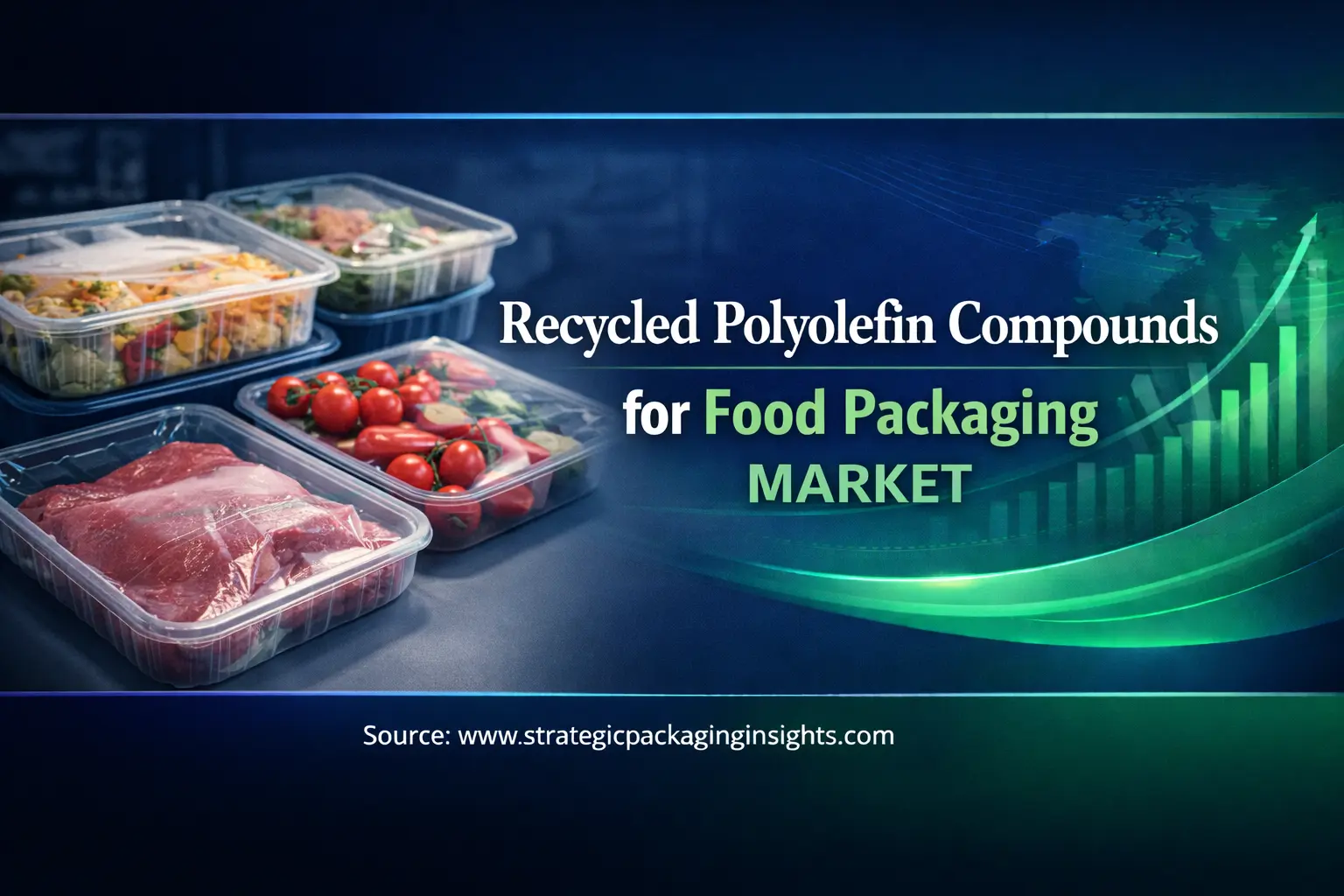
Dive into the evolving landscape of the Recycled Polyolefin Compounds for Food Packaging Market, examining its growth trajectory, key segments, and future outlook.
Executive Market Narrative
The Recycled Polyolefin Compounds for Food Packaging Market has undergone significant transformation over the past decade. Initially driven by regulatory pressures and consumer demand for sustainable packaging solutions, the market has evolved into a dynamic sector characterized by innovation and strategic collaborations. The historic period from 2017 to 2023 saw a gradual shift from traditional packaging materials to more sustainable options, with recycled polyolefins emerging as a frontrunner due to their versatility and environmental benefits.
As the global focus on reducing plastic waste intensifies, companies are increasingly investing in technologies that enhance the quality and performance of recycled polyolefin compounds. This shift is not only a response to environmental concerns but also a strategic move to capture a growing market segment that values sustainability. The market's evolution is marked by advancements in recycling technologies, improved material properties, and the integration of circular economy principles into business models.
Why This Market Matters
The importance of the Recycled Polyolefin Compounds for Food Packaging Market cannot be overstated. As the world grapples with the environmental impact of plastic waste, the demand for sustainable packaging solutions is at an all-time high. Recycled polyolefin compounds offer a viable solution by reducing reliance on virgin plastics and minimizing the carbon footprint associated with packaging production. Moreover, these materials provide the necessary performance characteristics required for food packaging, such as barrier properties, durability, and safety.
For businesses, adopting recycled polyolefin compounds is not just about compliance with environmental regulations; it is also about meeting consumer expectations and enhancing brand reputation. As consumers become more environmentally conscious, they are more likely to support brands that demonstrate a commitment to sustainability. Thus, the market for recycled polyolefin compounds is not only a response to regulatory demands but also a strategic opportunity for companies to differentiate themselves in a competitive landscape.
Market Size & Growth Trajectory
In 2024, the Recycled Polyolefin Compounds for Food Packaging Market was valued at $3.5 billion. Looking ahead to 2033, the market is projected to reach $6.8 billion, reflecting a compound annual growth rate (CAGR) of 7.2%. This robust growth trajectory underscores the increasing adoption of recycled polyolefin compounds across various applications and regions.
The market's expansion is driven by several factors, including technological advancements in recycling processes, increased investment in sustainable packaging solutions, and growing consumer awareness about the environmental impact of packaging materials. As more companies commit to sustainability goals, the demand for recycled polyolefin compounds is expected to rise, further fueling market growth.
Key Market Segmentation
| Segment | Description |
|---|---|
| Material Type | Includes Polyethylene and Polypropylene, both of which are widely used in packaging due to their flexibility and durability. |
| Application | Divided into Rigid Packaging and Flexible Packaging, catering to different packaging needs and product types. |
| End-User | Comprises Food & Beverage, Retail, and Others, reflecting the diverse industries utilizing these compounds. |
| Region | Encompasses Asia Pacific, North America, Latin America, Europe, and Middle East & Africa, indicating the global reach of the market. |
Industry Use-Case Mapping
The application of recycled polyolefin compounds varies across different segments. In the food and beverage industry, these compounds are used extensively for both rigid and flexible packaging solutions. Rigid packaging, such as containers and trays, benefits from the strength and durability of polyolefins, while flexible packaging, including pouches and wraps, leverages their flexibility and barrier properties.
In the retail sector, recycled polyolefin compounds are used to create sustainable packaging solutions that enhance product shelf life and reduce environmental impact. Other industries, such as healthcare and personal care, also utilize these materials for packaging applications that require high safety and hygiene standards.
Competitive & Value Chain Insights
The competitive landscape of the Recycled Polyolefin Compounds for Food Packaging Market is characterized by a mix of established players and emerging innovators. Companies are focusing on strategic partnerships, mergers, and acquisitions to enhance their market presence and expand their product portfolios. The value chain involves raw material suppliers, recyclers, compound manufacturers, and end-users, each playing a crucial role in delivering sustainable packaging solutions.
Innovation is a key driver of competition, with companies investing in research and development to improve the quality and performance of recycled polyolefin compounds. Additionally, collaborations with technology providers are enabling companies to enhance their recycling processes and increase the efficiency of material recovery.
Short SWOT Analysis
| Strengths | Weaknesses | Opportunities | Threats |
|---|---|---|---|
| Strong demand for sustainable packaging solutions. | High initial investment costs for recycling technologies. | Growing consumer awareness and preference for eco-friendly products. | Regulatory challenges and compliance requirements. |
| Versatility and performance of polyolefin compounds. | Limited availability of high-quality recycled materials. | Technological advancements in recycling processes. | Intense competition from alternative sustainable materials. |
Future Outlook (2033)
Looking towards 2033, the Recycled Polyolefin Compounds for Food Packaging Market is poised for continued growth and innovation. As sustainability becomes a central focus for businesses and consumers alike, the demand for recycled polyolefin compounds is expected to rise. Technological advancements will play a crucial role in enhancing the quality and performance of these materials, making them more competitive with virgin plastics.
Moreover, regulatory frameworks are likely to become more stringent, further driving the adoption of sustainable packaging solutions. Companies that invest in sustainable practices and technologies will be well-positioned to capitalize on the growing market opportunities and meet the evolving needs of consumers and regulators.
Why This Matters for Packaging Leaders
For packaging leaders, the Recycled Polyolefin Compounds for Food Packaging Market represents both a challenge and an opportunity. As the industry shifts towards sustainability, leaders must navigate the complexities of regulatory compliance, consumer expectations, and technological advancements. Embracing recycled polyolefin compounds can enhance brand reputation, reduce environmental impact, and drive business growth.
By staying ahead of market trends and investing in innovative solutions, packaging leaders can position themselves as pioneers in the sustainable packaging movement. This proactive approach will not only ensure compliance with future regulations but also align with the values of environmentally conscious consumers, ultimately leading to long-term success in the competitive packaging industry.