
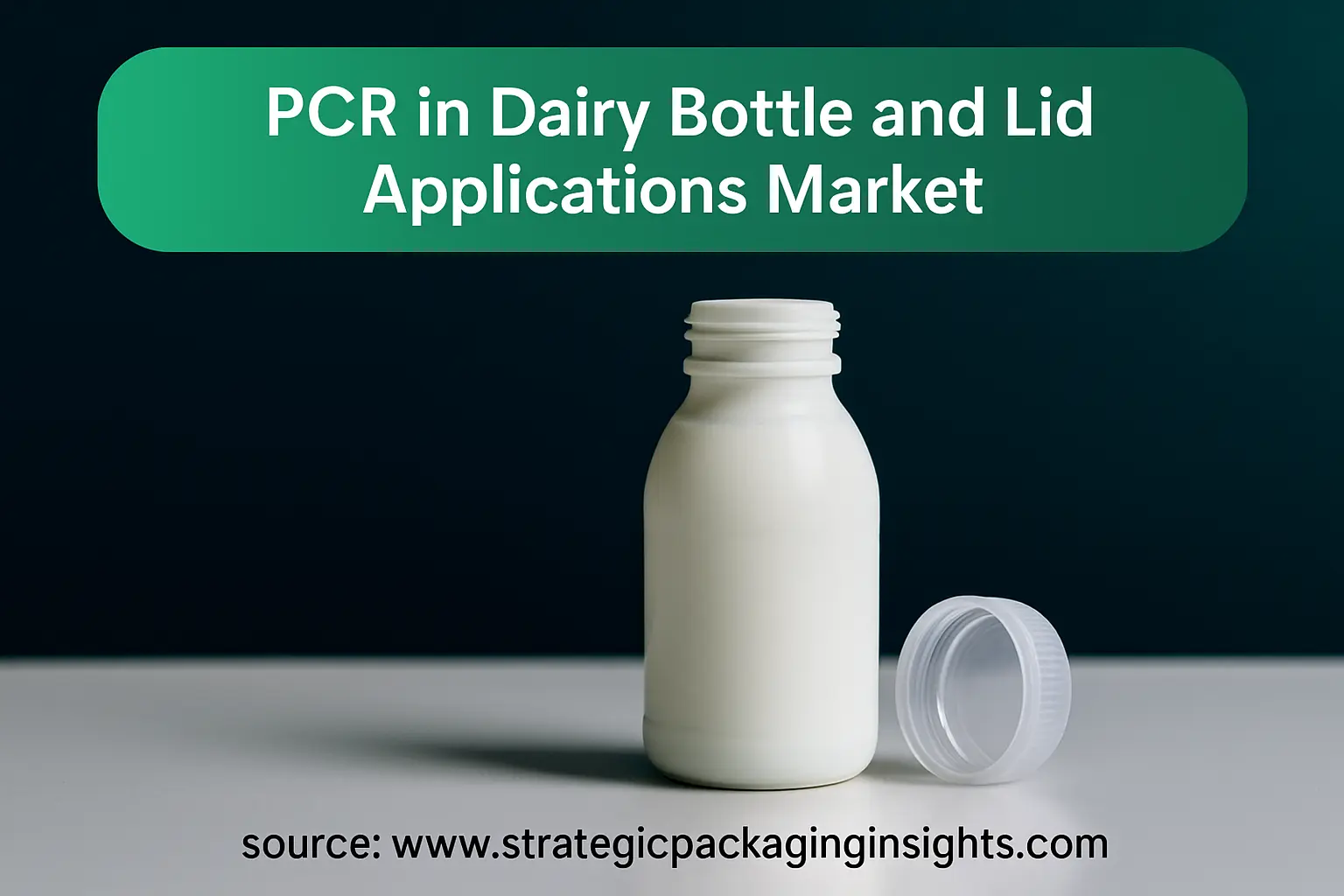
Delve into the evolving landscape of the PCR in Dairy Bottle and Lid Applications Market, examining its growth trajectory, key segments, and future outlook for industry leaders.
Executive Market Narrative
The PCR in Dairy Bottle and Lid Applications Market has undergone significant transformation over the past decade. Initially driven by the increasing demand for sustainable packaging solutions, the market has evolved to address the growing environmental concerns associated with plastic waste. The adoption of post-consumer recycled (PCR) materials in dairy packaging has been a pivotal shift, aligning with global sustainability goals and consumer preferences for eco-friendly products. This evolution is not just a response to regulatory pressures but also a strategic move by industry players to enhance brand image and meet the rising demand for green packaging solutions.
https://www.strategicpackaginginsights.com/report/pcr-in-dairy-bottle-and-lid-applications-market
From 2017 to 2023, the market witnessed a steady increase in the adoption of PCR materials, primarily due to advancements in recycling technologies and increased awareness among consumers and manufacturers. The base year of 2024 marked a significant milestone, with the market size reaching $1.2 billion. This growth trajectory is expected to continue, driven by technological innovations and strategic partnerships aimed at enhancing the quality and availability of PCR materials.
Why This Market Matters
The importance of the PCR in Dairy Bottle and Lid Applications Market cannot be overstated. As the dairy industry grapples with the dual challenges of reducing carbon footprints and meeting consumer demands for sustainable products, PCR materials offer a viable solution. By incorporating recycled content into packaging, dairy producers can significantly reduce their environmental impact, enhance brand loyalty, and comply with stringent environmental regulations. Moreover, the shift towards PCR materials is a testament to the industry's commitment to circular economy principles, promoting resource efficiency and waste reduction.
Market Size & Growth Trajectory
The market's growth trajectory is robust, with a forecasted CAGR of 8.5% from 2025 to 2033. Starting from a base year market size of $1.2 billion in 2024, the market is projected to reach $2.5 billion by 2033. This growth is indicative of the increasing adoption of PCR materials across various applications within the dairy sector. The expansion is fueled by technological advancements in recycling processes, increased consumer awareness, and supportive regulatory frameworks that encourage the use of recycled materials in packaging.
Key Market Segmentation
| Segment | Description |
|---|---|
| Material Type | Includes Polyethylene Terephthalate, High-Density Polyethylene, and Polypropylene, each offering unique benefits in terms of durability and recyclability. |
| Application | Covers a range of dairy products such as Milk, Yogurt, Cream, Cheese, and Butter, highlighting the versatility of PCR materials in different packaging needs. |
| End-User | Comprises Dairy Producers, Packaging Manufacturers, and Retailers, each playing a crucial role in the supply chain and adoption of PCR materials. |
| Region | Spans Asia Pacific, North America, Latin America, Europe, and Middle East & Africa, reflecting the global reach and regional dynamics of the market. |
Industry Use-Case Mapping
The application of PCR materials in dairy packaging is diverse, with each segment offering unique use cases. For instance, Polyethylene Terephthalate is widely used in milk bottles due to its clarity and strength, while High-Density Polyethylene is preferred for yogurt containers for its excellent moisture barrier properties. Polypropylene finds its application in cream and butter packaging, offering superior resistance to heat and chemicals. Dairy producers and packaging manufacturers are increasingly collaborating to develop innovative solutions that enhance the functionality and sustainability of dairy packaging.
Competitive & Value Chain Insights
The competitive landscape of the PCR in Dairy Bottle and Lid Applications Market is characterized by the presence of key players who are investing in research and development to enhance the quality and performance of PCR materials. Strategic partnerships and collaborations are common, aimed at expanding production capacities and improving supply chain efficiencies. The value chain is complex, involving multiple stakeholders from raw material suppliers to end-users, each contributing to the market's growth and sustainability.
Short SWOT Analysis
| Strengths | Weaknesses | Opportunities | Threats |
|---|---|---|---|
| Strong demand for sustainable packaging solutions. | High initial costs of PCR material production. | Technological advancements in recycling processes. | Fluctuating raw material prices. |
| Regulatory support for recycled materials. | Limited availability of high-quality PCR materials. | Growing consumer awareness and demand for eco-friendly products. | Intense competition from alternative packaging materials. |
Future Outlook (2033)
Looking ahead to 2033, the PCR in Dairy Bottle and Lid Applications Market is poised for continued growth and innovation. The market is expected to benefit from ongoing advancements in recycling technologies, which will enhance the quality and availability of PCR materials. Regulatory frameworks are likely to become more stringent, further driving the adoption of sustainable packaging solutions. As consumer preferences continue to shift towards eco-friendly products, the demand for PCR materials in dairy packaging is expected to rise, offering significant opportunities for industry players.
Why This Matters for Packaging Leaders
For packaging leaders, the PCR in Dairy Bottle and Lid Applications Market represents both a challenge and an opportunity. The shift towards sustainable packaging is not just a trend but a necessity, driven by environmental concerns and consumer expectations. By embracing PCR materials, packaging leaders can enhance their competitive edge, meet regulatory requirements, and contribute to a more sustainable future. The market's growth trajectory and evolving dynamics underscore the importance of strategic planning and innovation in maintaining leadership in this rapidly changing landscape.