
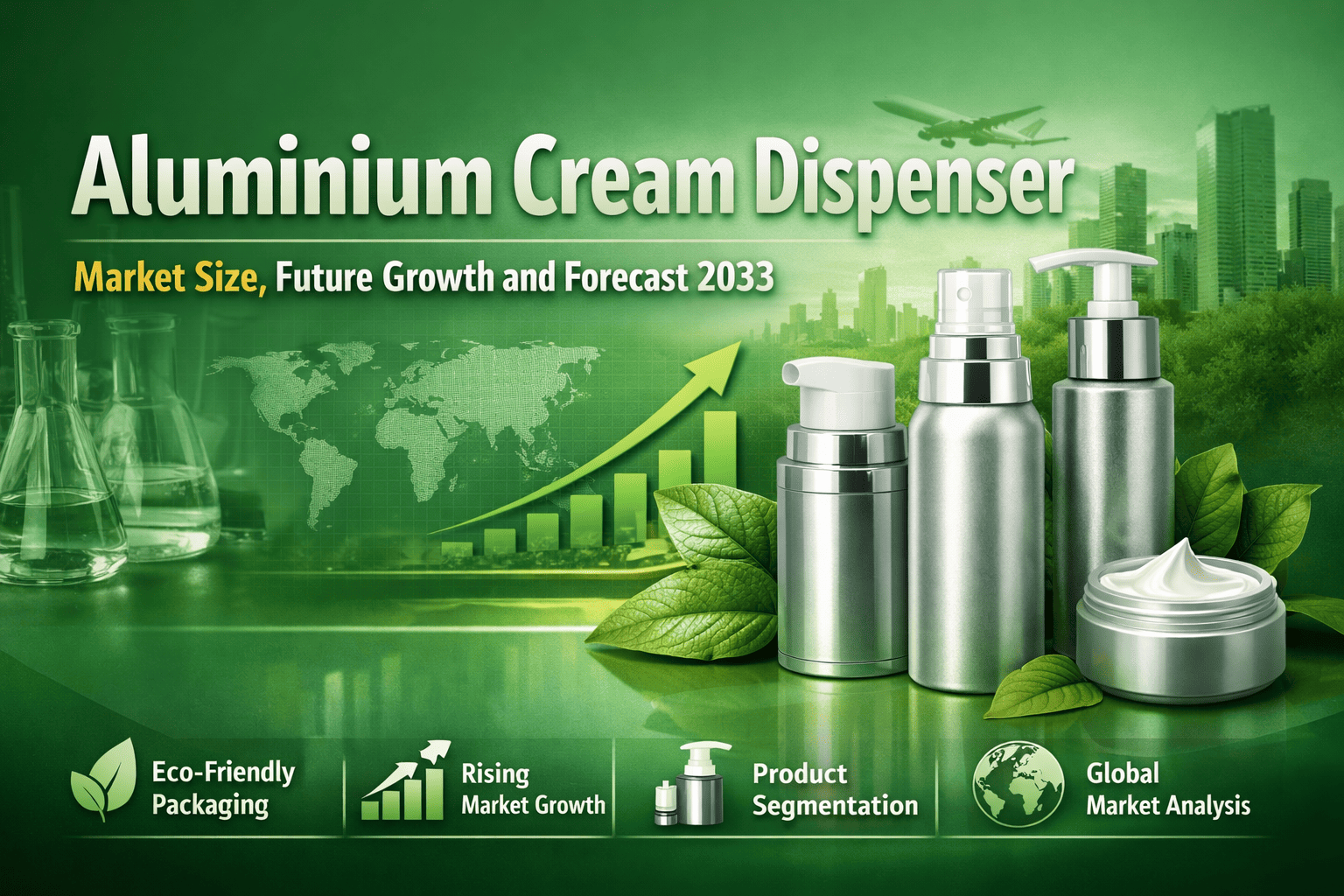
The Aluminium Cream Dispenser market was valued at $320.26 million in 2024 and is projected to reach $527.45 million by 2033, growing at a CAGR of 5.70% during the forecast period 2025-2033.
The aluminium cream dispenser market is experiencing a compelling transformation, driven by shifting consumer preferences, sustainability imperatives, and rapid innovation in dispensing technologies. Valued at $320.26 million in 2024, the market is forecast to reach $527.45 million by 2033, expanding at a CAGR of 5.70% during the forecast period. Behind this steady growth lies a confluence of factors ranging from premiumization in beauty and personal care to the growing global push for recyclable, eco-responsible packaging.
https://www.strategicpackaginginsights.com/report/aluminium-cream-dispenser-market
What is Driving Market Growth?
At its core, the aluminium cream dispenser market is benefiting from a fundamental shift in how consumers and brands think about packaging. Packaging is no longer just a functional container; it has become a statement of quality, values, and brand identity. Aluminium dispensers, with their sleek aesthetics, durability, and lightweight properties, align perfectly with the premiumization trend sweeping through the cosmetics and personal care industries.
Consumers today expect packaging that is easy to use, hygienic, and portable. Aluminium cream dispensers check all these boxes. Their ability to protect product integrity from contamination while delivering controlled dispensing makes them a preferred choice for both everyday personal care products and high-end cosmetic formulations. The growing demand for on-the-go, travel-friendly packaging has further reinforced the appeal of aluminium dispensers, especially in the 50-100 ml capacity range.
Sustainability is another powerful engine of growth. Aluminium is one of the most recyclable materials available, making it an attractive option for eco-conscious brands and consumers. As environmental awareness deepens globally, more companies are transitioning away from single-use plastics toward materials with lower environmental footprints. Aluminium dispensers, positioned as a greener alternative to conventional plastic containers, stand to benefit significantly from this transition.
Technological Advancements Reshaping the Market
Innovation in dispensing mechanisms is playing a pivotal role in expanding the market's appeal. Airless pump systems have emerged as a particularly exciting development. These systems eliminate air contact with the product, preserving formulation integrity and extending shelf life. For sensitive skincare formulations and dermatological creams, this is a major functional advantage.
Metered dosing dispensers are gaining traction in the pharmaceutical segment, where precise and consistent product delivery is not just a preference but a clinical requirement. These dispensers ensure that each actuation delivers an exact dose, reducing wastage and supporting patient compliance. As the pharmaceutical sector increasingly turns to topical therapies and prescription skincare treatments, the demand for metered aluminium dispensers is set to rise meaningfully.
Lotion dispensers, designed to handle thicker creams and emulsions, are carving out a growing niche in professional and personal care settings. The combination of functional performance and elegant design has made these dispensers a staple in premium salons and clinical environments.
Segment-by-Segment Breakdown
The market is broadly segmented by product type, application, capacity, and end use, each revealing distinct growth patterns.
Among product types, pump dispensers command the largest share. Their versatility and ease of use make them suitable across a wide spectrum of applications, from daily moisturizers to specialty dermatology creams. Aerosol dispensers follow closely, particularly valued in pharmaceutical applications where fine mist delivery and even coverage are critical.
From an application standpoint, cosmetics leads the pack. The cosmetics segment's insatiable appetite for packaging that enhances shelf appeal and delivers a luxurious consumer experience has made it the dominant driver of aluminium cream dispenser demand. The personal care segment runs a close second, with hygiene-conscious consumers gravitating toward dispensers that minimize product exposure and contamination.
Pharmaceuticals represent a high-growth application area. As regulatory standards for packaging safety become more rigorous and patient-centric design gains priority, aluminium cream dispensers are increasingly specified for prescription topicals, dermatological treatments, and clinical-grade formulations.
In terms of capacity, the 50-100 ml range is the most commercially dominant, balancing portability with usable volume. Below 50 ml formats are thriving in the travel-size and product sampling segments, while above 100 ml formats are seeing adoption in clinical and bulk-use settings.
Retail packaging holds the largest share among end-use categories, driven by the perpetual need to attract consumer attention on increasingly crowded store shelves. Premium packaging is a fast-growing sub-segment, reflecting the broader industry trend toward elevated consumer experiences. Clinical packaging is a specialized but critically important segment, governed by strict safety and compliance mandates that aluminium's inert, non-reactive properties are well suited to meet.
Regional Insights
Geography plays a decisive role in shaping demand patterns across the aluminium cream dispenser market.
The United States remains a formidable market, with strong cosmetics and personal care industries and a regulatory environment that actively encourages the use of recyclable packaging materials. The U.S. market is growing at a CAGR of approximately 4%, underpinned by sustained consumer interest in premium, sustainable beauty solutions.
China is the standout high-growth market, expanding at a CAGR of 8%. A rapidly expanding middle class, booming cosmetics sector, and government-backed sustainability initiatives are the primary growth catalysts. The explosive growth of e-commerce platforms in China is further fueling demand for packaging that performs well both visually and functionally in transit.
India is another emerging powerhouse, growing at a CAGR of 7%. Rising disposable incomes, expanding personal care consumption, and government-driven sustainable packaging initiatives are collectively building a robust market foundation.
Germany leads the European market, growing at 5%, with its engineering-driven culture of quality and innovation in packaging. Japan, growing at 6%, is driven by high consumer standards, an aging but affluent population with strong personal care spending habits, and the country's characteristic emphasis on precision and quality.
Asia Pacific overall is expected to be the fastest-growing regional segment, making it a priority geography for global market players looking to expand their footprint.
Competitive Landscape
The competitive landscape features several well-established global players including AptarGroup, Coster Group, Silgan Dispensing, Berry Global, Albea Group, Quadpack, HCP Packaging, Yonwoo, Lumson, and Raepak. These companies are actively investing in research and development to differentiate their offerings and respond to evolving customer requirements.
AptarGroup's leadership is anchored in its commitment to sustainable innovation and its extensive global reach. Albea Group's strength lies in aesthetic design capabilities that cater to premium packaging buyers. Berry Global's competitive position is supported by its broad portfolio and sustainability-focused product development.
Challenges Worth Noting
Despite its promising trajectory, the market faces real headwinds. Aluminium costs more than competing materials like plastic, which can create resistance in price-sensitive markets and among cost-focused manufacturers. Regulatory compliance requirements for material safety and environmental standards add layers of complexity and cost, particularly for smaller market entrants.
Competition from glass packaging and biodegradable plastics adds further pressure. Both alternatives offer eco-friendly credentials that resonate with the same sustainability-minded consumers that aluminium targets, making differentiation through performance, design, and innovation all the more important.
Outlook
The aluminium cream dispenser market is fundamentally well-positioned for sustained growth through 2033. The convergence of sustainability awareness, premiumization, technological advancement in dispensing systems, and expanding applications across cosmetics, personal care, pharmaceuticals, and dermatology creates a rich environment for market expansion. Companies that invest in innovation, design excellence, and regulatory agility will be best placed to capture the significant opportunities ahead as both mature and emerging markets continue to evolve.