
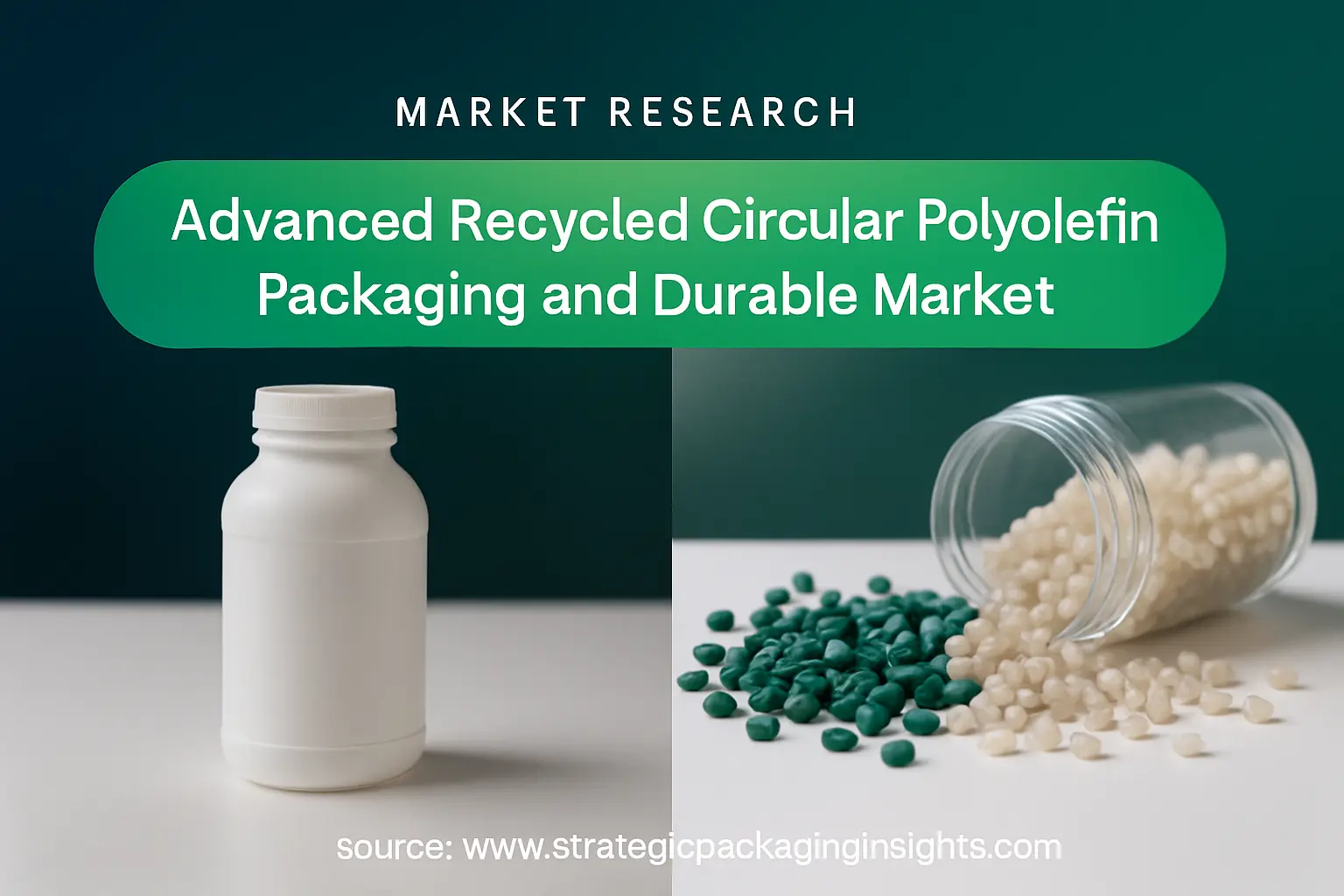
Delve into the dynamics of the Advanced Recycled Circular Polyolefin Packaging and Durable Market, examining its growth, segments, applications, regional influences, and the balance of challenges and opportunities.
Why This Market Is Gaining Attention
The Advanced Recycled Circular Polyolefin Packaging and Durable Market is capturing significant attention due to the increasing global emphasis on sustainability and circular economy principles. As industries strive to reduce their environmental footprint, the demand for materials that can be recycled and reused without compromising quality is on the rise. Polyolefins, known for their versatility and durability, are at the forefront of this movement, offering a promising solution to the challenges of traditional plastic waste.
Market Scale & Growth Momentum
In 2024, the market size was valued at $3.5 billion, and it is projected to reach $7.8 billion by 2033, reflecting a robust compound annual growth rate (CAGR) of 9.2%. This growth trajectory underscores the increasing adoption of advanced recycling technologies and the expanding applications of circular polyolefins across various industries. The market's expansion is driven by technological advancements, regulatory support for sustainable practices, and the growing consumer preference for eco-friendly products.
Deep Dive into Segments
| Segment | Description |
|---|---|
| Material Type | Polyethylene and polypropylene are the primary materials, each offering unique properties. Polyethylene is favored for its flexibility and strength, making it ideal for packaging, while polypropylene is valued for its resistance to chemicals and heat, suitable for durable goods. |
| Application | Food packaging and industrial packaging are the key applications. Food packaging benefits from the material's safety and barrier properties, while industrial packaging leverages its durability and cost-effectiveness. |
| End-User | Retail and manufacturing sectors are the main end-users. Retailers are increasingly adopting sustainable packaging to meet consumer demand, while manufacturers use these materials to enhance product longevity and reduce waste. |
| Region | North America and Europe are leading regions, driven by stringent environmental regulations and a strong focus on sustainability. These regions are investing heavily in recycling infrastructure and innovation. |
Application & End-Use Relevance
The applications of advanced recycled circular polyolefins are vast, with significant relevance in both packaging and durable goods sectors. In food packaging, these materials provide excellent barrier properties, ensuring product safety and extending shelf life. Industrial packaging benefits from their strength and resilience, essential for transporting heavy or hazardous goods. In the retail sector, the shift towards sustainable packaging solutions is evident, as businesses aim to align with consumer expectations and regulatory requirements. Manufacturing industries are also leveraging these materials to produce durable goods that are both high-quality and environmentally friendly.
Regional & Industry Dynamics
North America and Europe are at the forefront of the market, driven by robust regulatory frameworks and consumer awareness regarding sustainability. These regions are investing in advanced recycling technologies and infrastructure to support the circular economy. In contrast, emerging markets are gradually catching up, with increasing investments in recycling facilities and a growing emphasis on sustainable practices. Industry dynamics are also influenced by collaborations between manufacturers, recyclers, and technology providers, aiming to enhance the efficiency and scalability of recycling processes.
Challenges vs Opportunities
While the market presents numerous opportunities, it also faces challenges. The primary challenge is the high cost of advanced recycling technologies, which can be a barrier for widespread adoption. Additionally, the complexity of recycling mixed plastic waste poses technical challenges. However, these challenges are counterbalanced by opportunities such as technological innovations that reduce costs and improve efficiency, as well as increasing regulatory support for sustainable practices. The growing consumer demand for eco-friendly products also presents a significant opportunity for market expansion.
SWOT Overview
| Strengths | Weaknesses | Opportunities | Threats |
|---|---|---|---|
| Strong demand for sustainable materials | High initial investment costs | Technological advancements in recycling | Regulatory changes and compliance costs |
| Versatility of polyolefins | Complexity in recycling processes | Growing consumer awareness | Competition from alternative materials |
Innovation & Sustainability Angle
Innovation is a key driver in the advanced recycled circular polyolefin market, with ongoing research focused on improving recycling technologies and material properties. Companies are investing in developing processes that enhance the quality and efficiency of recycled polyolefins, making them more competitive with virgin materials. Sustainability is at the core of these innovations, as businesses aim to reduce their carbon footprint and contribute to a circular economy. Collaborative efforts between industry players and research institutions are crucial in advancing these goals.
What This Means for Packaging Stakeholders
For stakeholders in the packaging industry, the growth of the advanced recycled circular polyolefin market presents both challenges and opportunities. Companies must navigate the complexities of adopting new technologies and processes while meeting regulatory requirements. However, the potential benefits are significant, including cost savings from reduced material waste, enhanced brand reputation through sustainable practices, and access to a growing market of environmentally conscious consumers. By embracing innovation and sustainability, packaging stakeholders can position themselves as leaders in the transition towards a circular economy.